

Freezer & Refrigerated Trailer Rentals in Corona, CA
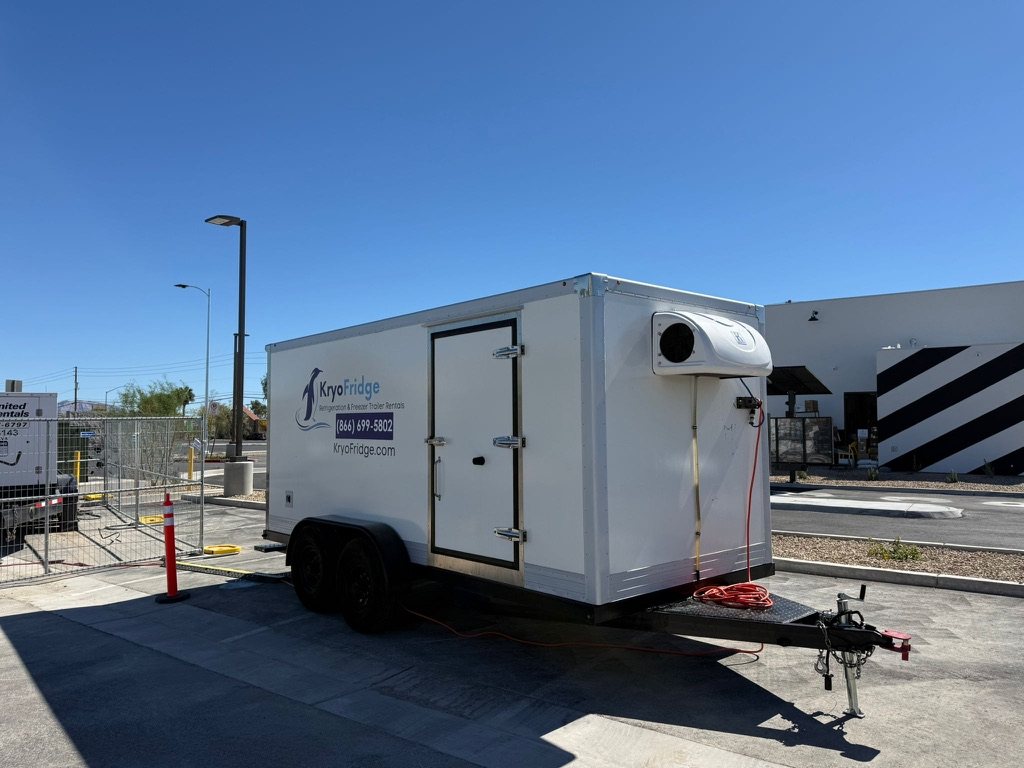
From our local Corona yard, we’ve kept Inland Empire businesses cold for years — and we can have a freezer or refrigerated trailer on your site in about 45 minutes. NSF-approved mobile cold storage, delivered across Corona and the Inland Empire — for restaurants, grocers, distribution centers, and events. We own and maintain the largest dual-purpose freezer and refrigeration fleet on the West Coast, we’re licensed and insured, and our 24/7 line answers when a walk-in fails at 5 p.m. on a 102° afternoon.
The #1 Local Source for Freezer Trailer Rentals in Corona
When the temperature along the 91 corridor pushes past 100° and a cooler goes down mid-shift, Corona businesses don’t have hours to lose. From our Corona yard we keep refrigerated and freezer trailers staged right here in the Inland Empire, so a failed walk-in, a store remodel, or a weekend event never costs you your product — and a unit can reach most of the city in about 45 minutes.
We answer that need with one thing the cheaper options can’t: trailers that are already in the region, owned by us, and ready to roll. Just as important, we’re a direct operator, not a broker — the person who picks up your call owns, services, and dispatches the trailer. You won’t get routed through a middleman marking up someone else’s equipment, and you won’t hear “let me check with my supplier” while your product warms up.
Corona at a Glance — and Why This City Runs on Cold Storage
Corona sits at one of Southern California’s busiest crossroads, where the 91, the 15, and the 71 freeways meet. It’s a working city of roughly 157,000 people in western Riverside County, and it has always run on things that have to stay cold and keep moving.
A century ago Corona’s product was citrus — the city called itself the lemon capital of the world, and the packing houses that shipped fruit east are the direct ancestors of the distribution and food-production economy here today. That same freeway access now makes Corona one of the Inland Empire’s densest concentrations of warehousing, light manufacturing, and food service.
From the historic three-mile Grand Boulevard circle that rings the old downtown to the industrial parks off Cajalco and Temescal Canyon, the common thread is a supply chain that depends, in a hundred quiet ways, on holding temperature. That’s why temporary cold storage in Corona isn’t a luxury — it’s the line between a normal shift and a five-figure loss of inventory.
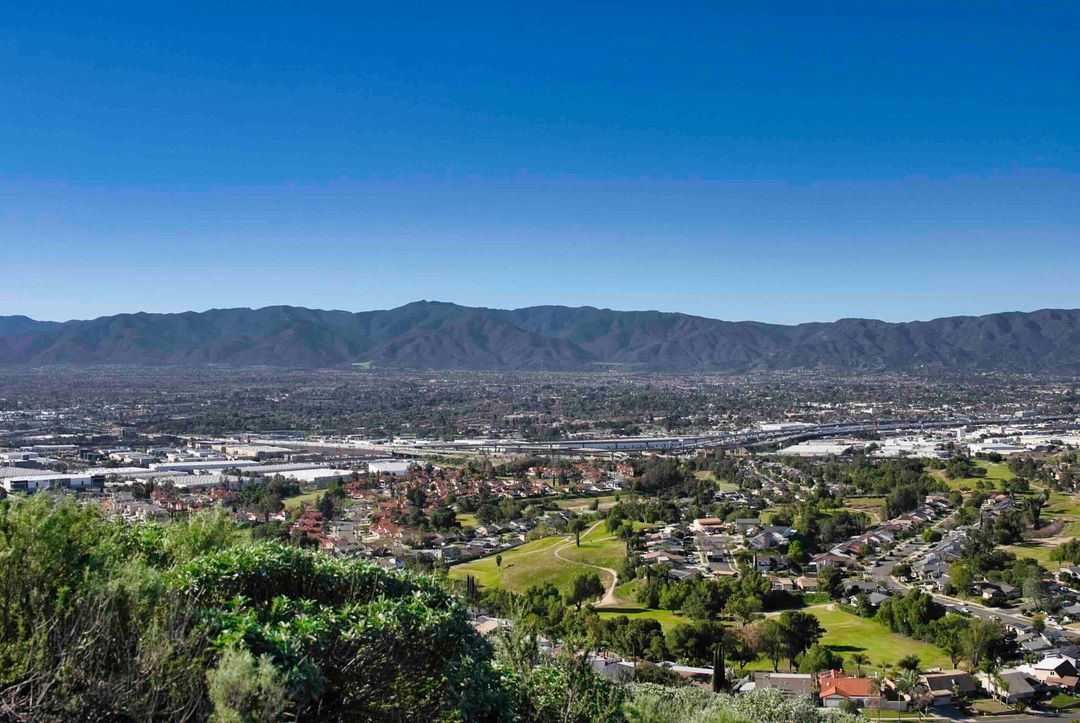
Aerial of Corona against the Santa Ana Mountains. The freeway access that built the city’s citrus trade now drives its warehousing, food-production, and restaurant economy — every one of them a cold-storage customer.
The Cold-Storage Brand the Country’s Biggest Names Rely On
You don’t hold temperature for national brands by accident. KryoFridge has supplied mobile refrigeration to brands like McDonald’s, Chick-fil-A, and Dutch Bros — chains that don’t tolerate a unit drifting out of spec, and that pick a cold-storage partner the way they pick a food supplier.
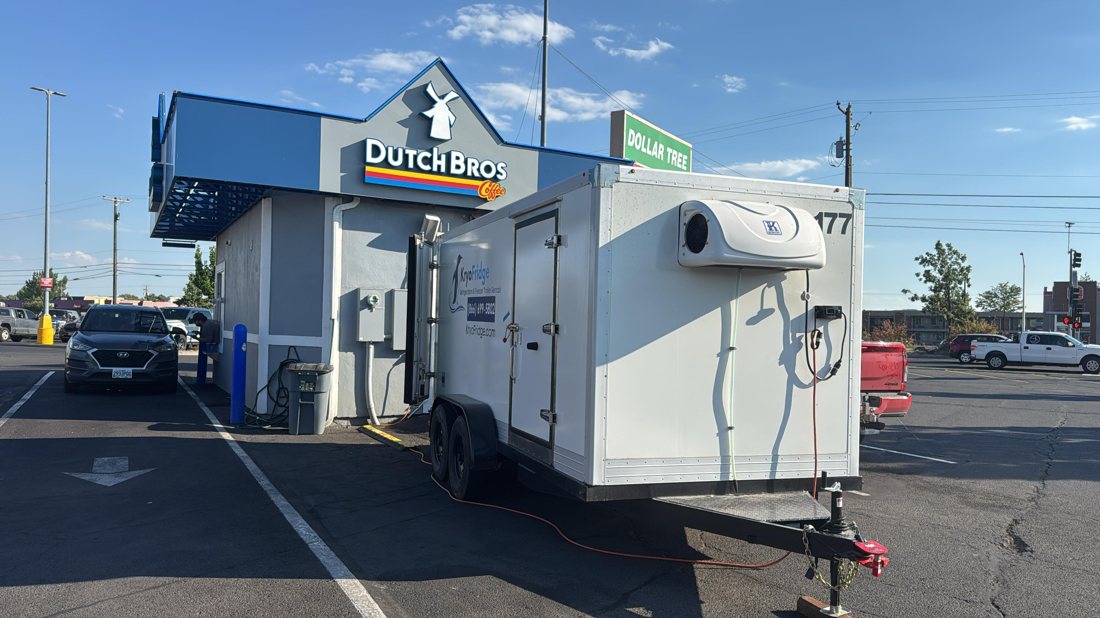
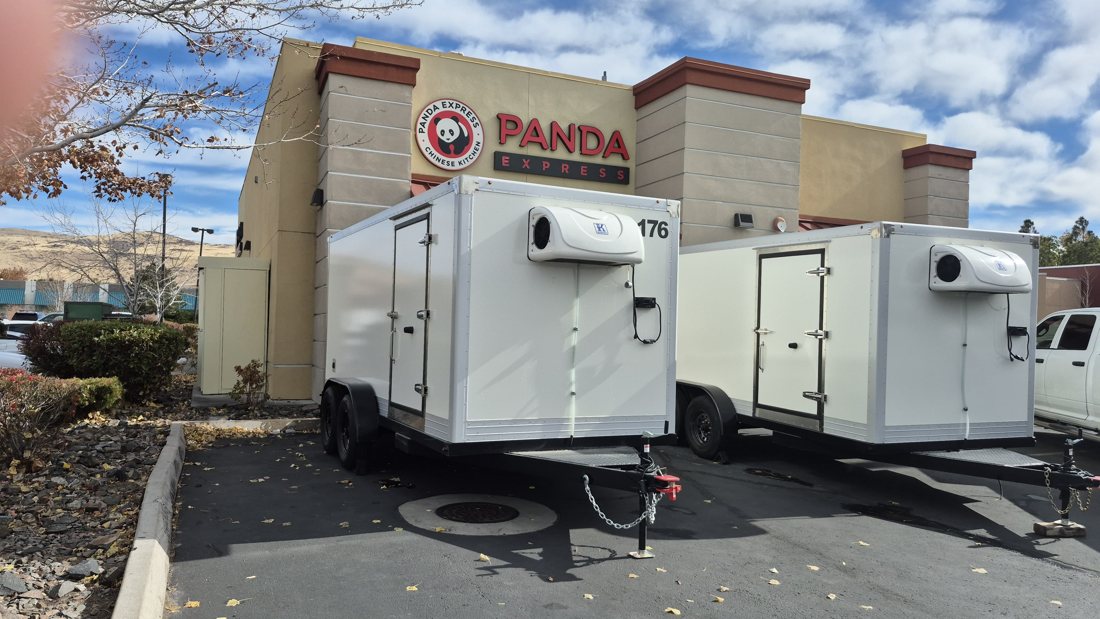
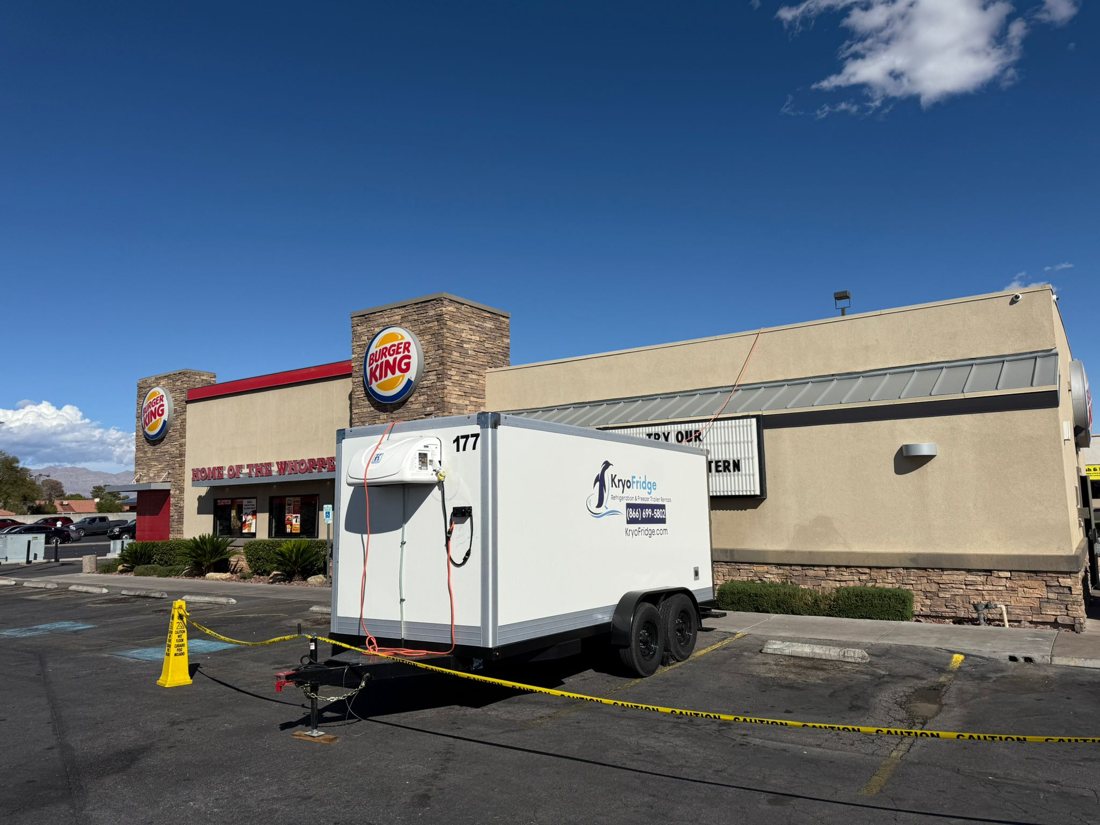
When a Chick-fil-A walk-in failed during peak service, we had a freezer trailer on site and pulling temperature in 34 minutes. When a regional restaurant group needed cold space for a Mother’s Day rush, we staged a three-trailer setup overnight and had it cold before the first ticket printed. That track record matters in Corona because the same standard applies whether you run a single taqueria off Sixth Street or a distribution center moving frozen pallets — the trailer has to hit its set-point, hold it through a triple-digit afternoon, and be clean enough to pass a county inspection.
Why Corona Businesses Rent a Freezer Trailer
Cold-storage demand in Corona is rarely on the calendar — it shows up as an emergency, a remodel, or a seasonal surge. These are the calls we take most across the city, each with a real photo of the kind of operation it serves.

? Restaurants & Kitchens
Walk-in compressor failures, kitchen remodels, and seasonal overflow around The Crossings, Dos Lagos, and the Sixth Street corridor.
? Grocers & Markets
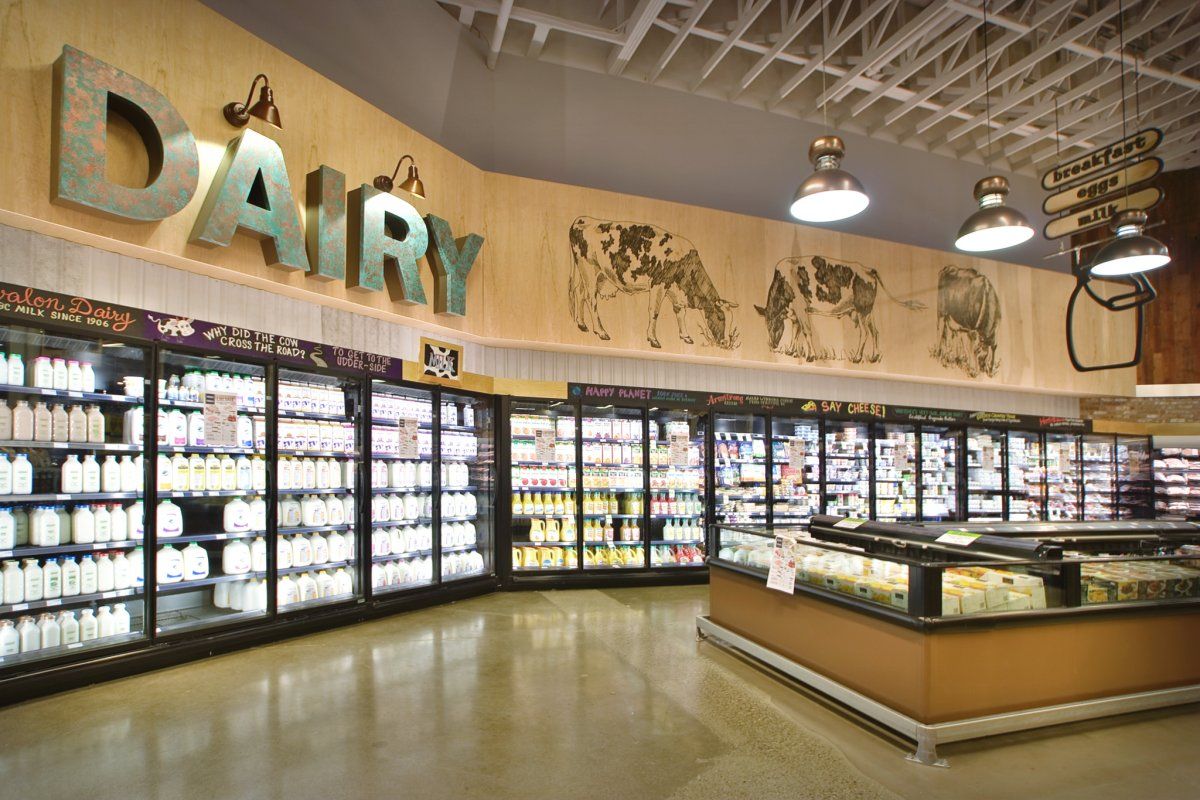
Backup refrigeration during a case or compressor outage, a store reset, or a holiday inventory surge.
? Distribution & Logistics
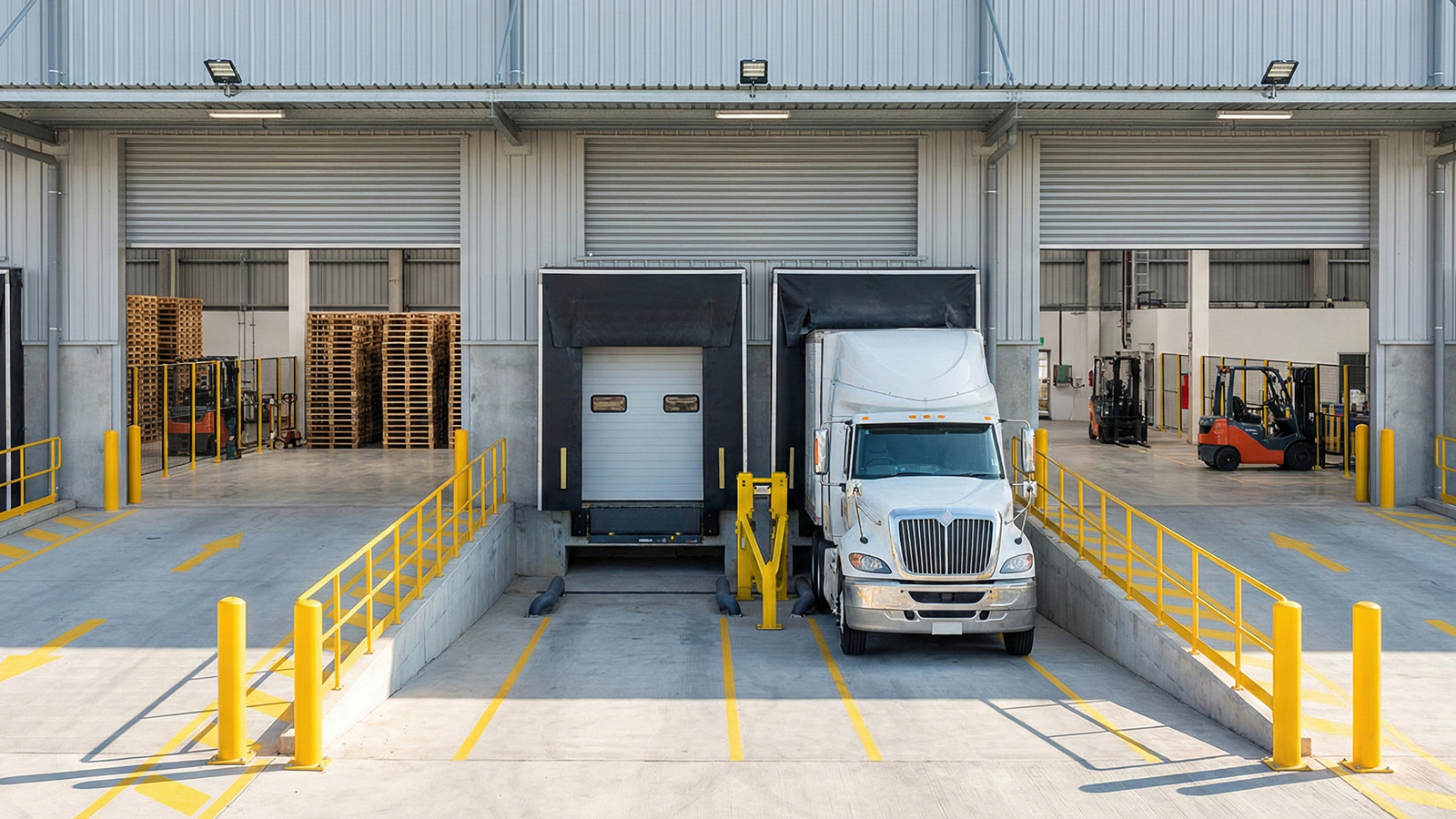
Temporary reefer capacity for the warehouses near the 15/91 interchange when cold racks run short or a unit goes down.
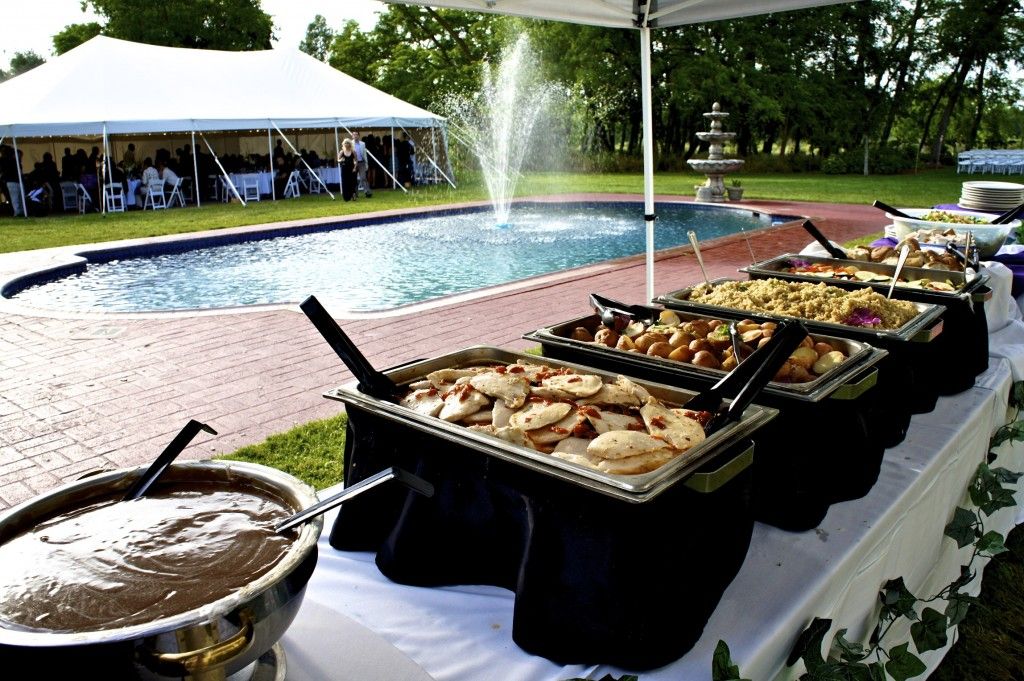
? Events & Catering
On-site cold storage for festivals, weddings, and large catered events at Dos Lagos and venues across western Riverside County.
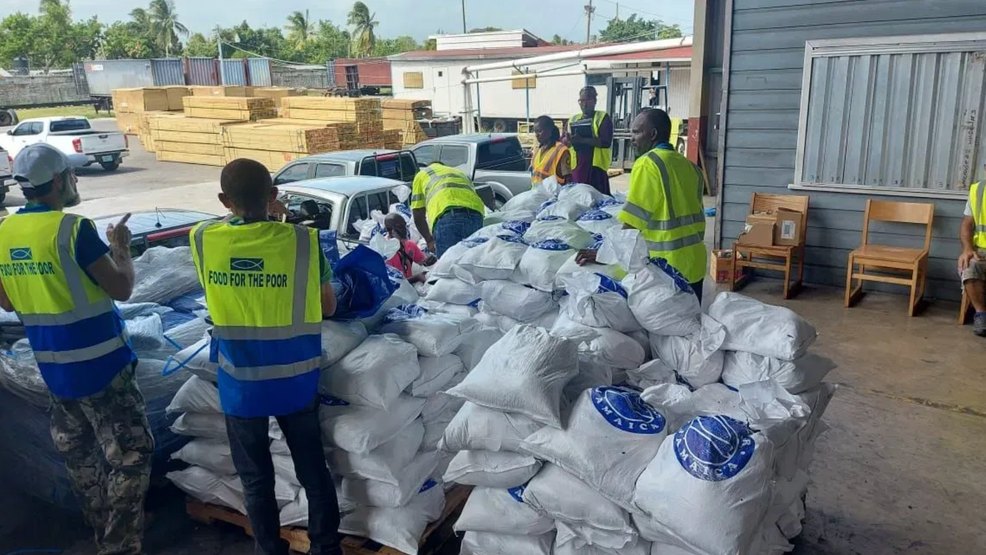
? Emergency & Disaster
24/7 deployment for power outages, equipment failures, recalls, and disaster-relief cold chain.
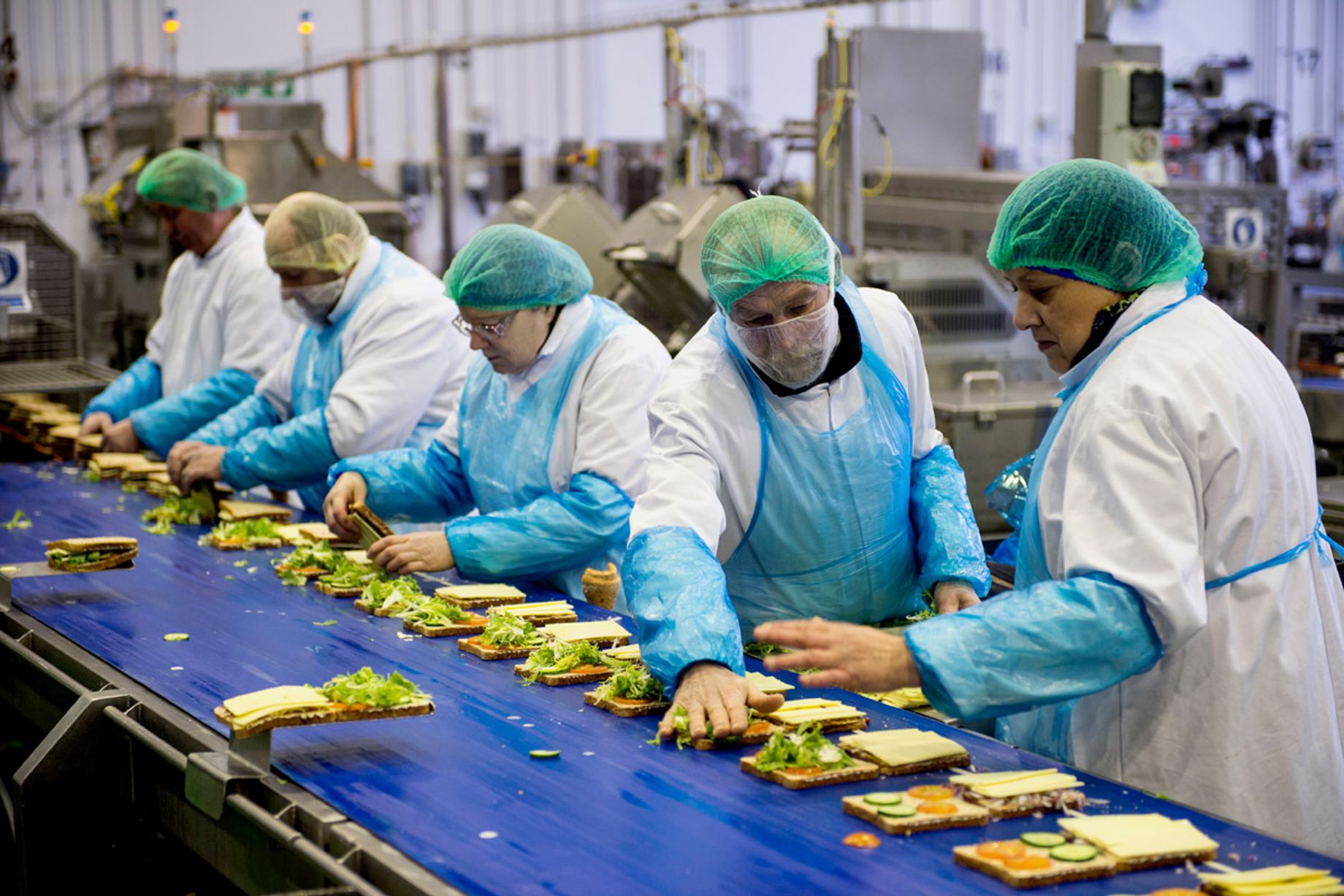
? Food Production & Ag
Overflow and short-term holding for Corona’s food manufacturers and the region’s produce and beverage operations.
The common thread is timing. Almost no one plans to need a freezer trailer — they need it the day a compressor dies, the week a remodel starts, or the night before an event when the rented ice chests suddenly look very small. Because we keep units staged in the Inland Empire, “I need it today” is a normal request here, not a long shot.
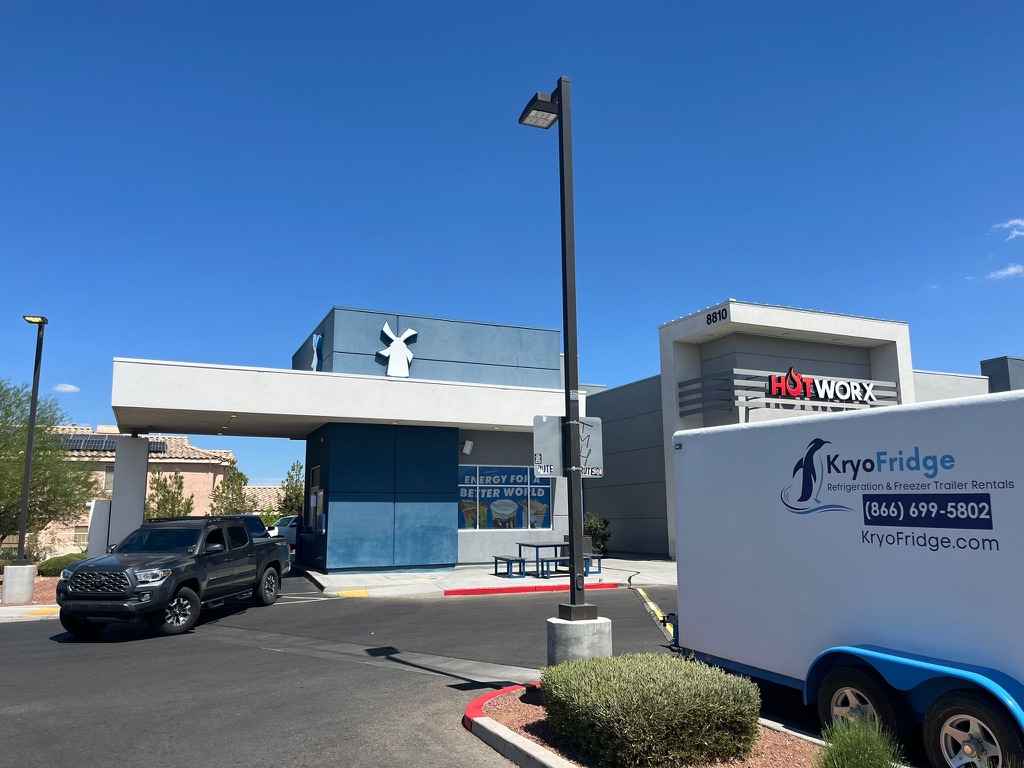
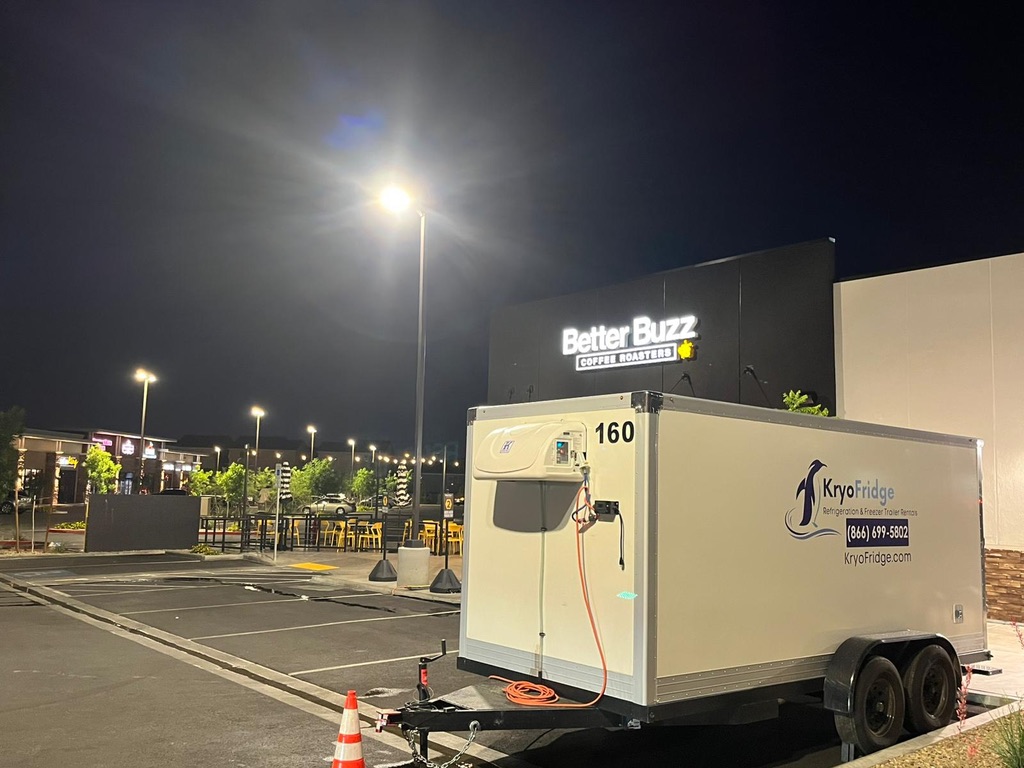
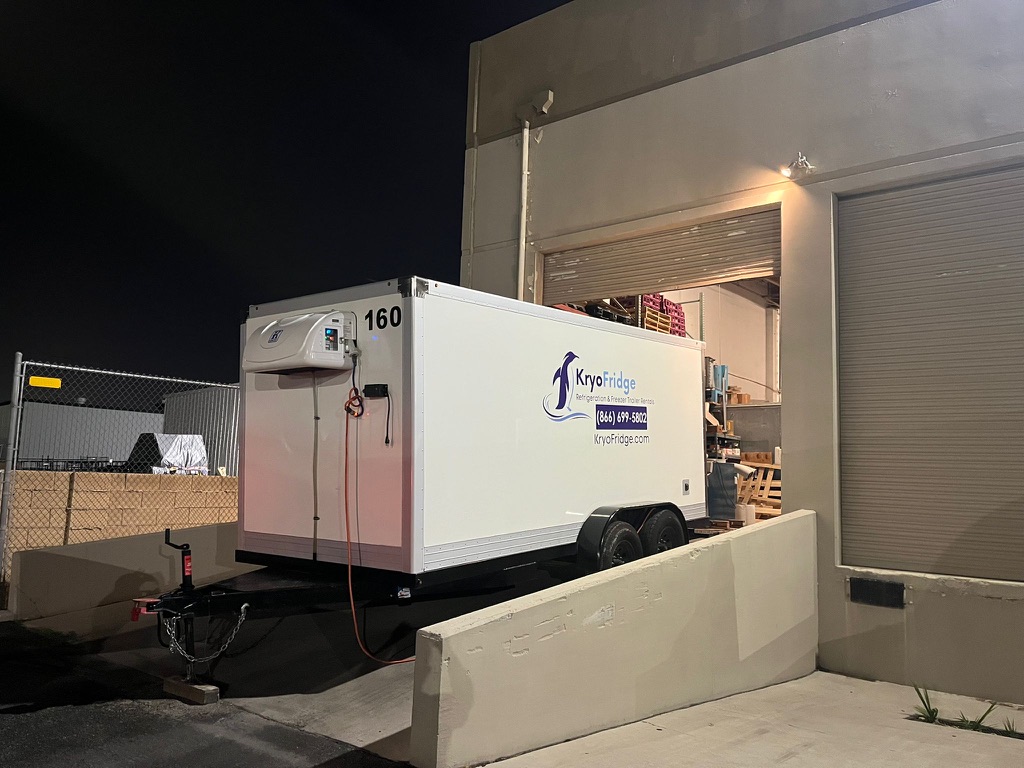
Our Cold-Storage Trailers, Hard at Work Across Corona
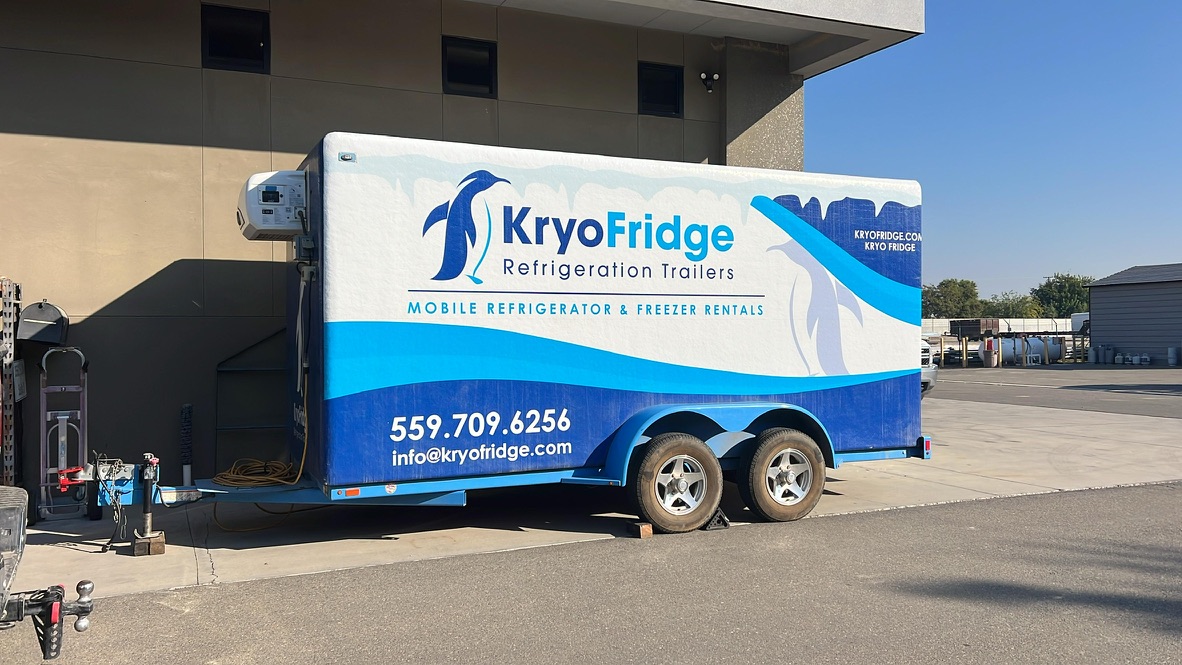
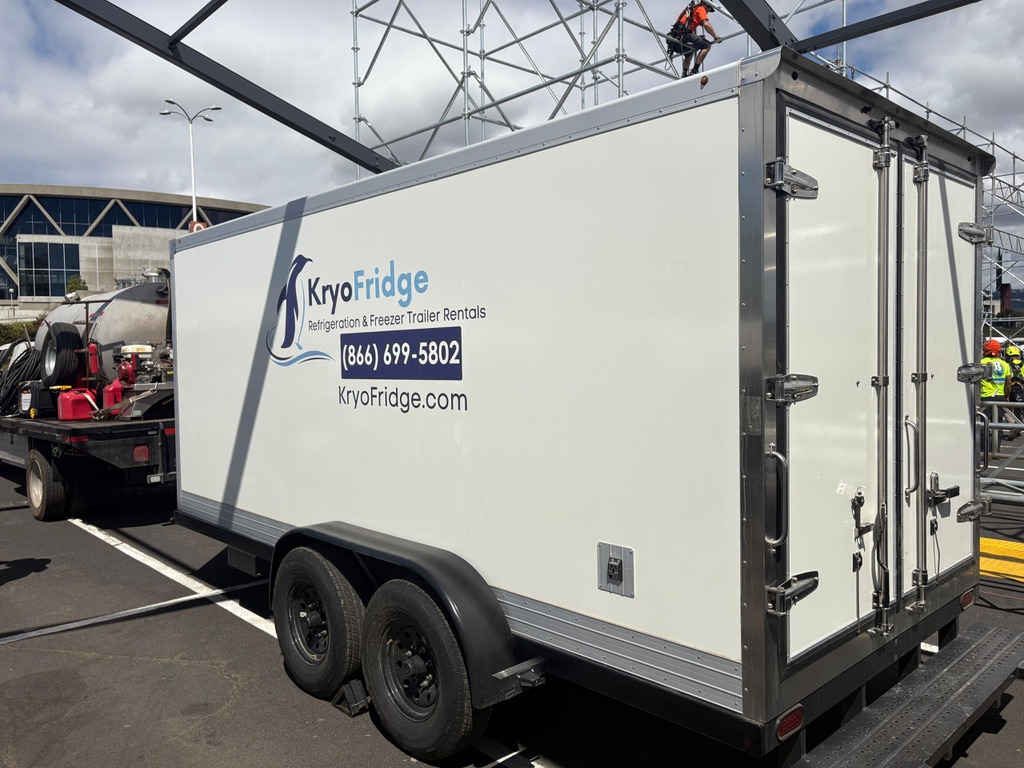
Real KryoFridge units on real jobs — restaurant lots, loading docks, event grounds, and late-night emergencies across the Inland Empire.


Cold Storage for Corona’s Logistics, Manufacturing & Food Economy
Corona’s identity is built on movement. Major consumer brands — Monster Energy is headquartered here — sit alongside food producers, beverage operations, and the warehouses that feed Southern California’s supply chain. The Naval Surface Warfare Center’s Corona Division and a deep bench of manufacturers round out a working economy that runs on holding temperature.
For those operations, a freezer trailer is operational insurance. A distribution center that loses a freezer zone can stage frozen pallets in a 6×16 within the hour instead of scrambling for outside truck space at peak rates. A food manufacturer running a production overflow can add temporary cold capacity for a season without a permanent buildout. During a recall or a power event, a row of staged reefer trailers keeps product in-spec while the underlying problem gets solved.
Retail and food service carry the same exposure on a smaller scale. The restaurants and markets around The Crossings at Corona, Dos Lagos, and Corona Hills Marketplace run on tight margins and tighter cold chains; a single failed walk-in on a Friday can wipe out a weekend’s product. Because we own the fleet, we size the response to the job — a compact unit for a corner kitchen, or a multi-trailer setup for a warehouse — and we do it the same day.
Corona’s Heat — and Why Cold Storage Fails When You Need It Most
Corona’s climate is the quiet reason cold-storage emergencies cluster in summer. Sitting inland in the Temescal Valley, the city runs hot and dry from June into October, with afternoon highs that regularly sit in the high 90s and push past 105° during a heat spell. Add the Santa Ana winds that funnel through the Inland Empire in fall, and you get long stretches where every cooler and freezer in town is working overtime.
That heat does two things at once: it raises the load on existing refrigeration — an aging walk-in compressor that coped fine in March can fail in July simply because it never gets a break — and it shortens your reaction window, because at 105° ambient, frozen product climbs toward the danger zone fast once a unit goes down.
Our trailers are built for that reality. The reefer units are sized to hold their set-point in extreme ambient heat, not just in a mild test environment, so a 6×16 staged in a Corona parking lot in August holds deep-freeze the same way it would in winter. When you’re planning for the season — or reacting to it — that margin is the whole point.
Emergency & Disaster Cold Storage in a Wildfire-Prone County

Western Riverside County lives with two recurring threats that put cold storage on the critical list: extreme heat and wildfire. The hills around Corona and the Temescal Valley are fire country, and when Santa Ana winds spike the danger, Southern California Edison can call a Public Safety Power Shutoff that cuts power to whole neighborhoods for hours or days. Every walk-in and reach-in on that grid goes dark at the same moment.
That’s when a generator-powered trailer earns its keep. For a business, it holds inventory frozen straight through the outage. For emergency management, recall response, and disaster relief, a staged row of reefer trailers becomes mobile cold-chain infrastructure — keeping food and supplies in-spec for shelters and crews while the fixed infrastructure is offline.
Because we own the fleet and run 24/7 dispatch, we can move on these events fast and scale the response — one unit for a single storefront, several for a coordinated relief operation. When the grid itself is what failed, the cold storage that runs independent of it is the entire point.
Which Trailer Size Fits Your Corona Operation?
Three sizes cover everything from a single-unit overflow to full-scale event and disaster cold storage. Every trailer holds a precise set-point from deep-freeze to fresh-cold and runs on a dedicated circuit or a generator.

| Trailer | Best for | Temp range |
|---|---|---|
| 6×8 | Tight lots, small kitchens, short overflow | -10°F to 50°F |
| 6×12 | Grocers, caterers, mid-size events | Deep-freeze capable |
| 6×16 | Large events, distribution, disaster | Heavy-duty reefer |
Each unit holds a precise digital set-point and runs on a dedicated 120V/20A circuit or a generator.
6×8 Refrigerated — the compact workhorse
Holds roughly 8 pallet positions and fits the tight lots common in Corona’s historic Grand Boulevard core and older Sixth Street storefronts. It covers most single-kitchen emergencies and short-term overflow, and it slips into spots a larger trailer can’t maneuver into. If you’ve got a corner restaurant or a small market and a failed walk-in, this is usually the right call.
6×12 Freezer / Reefer — grocers, caterers, mid-size events
About 14 pallet positions and deep-freeze capable — our most-rented size. It’s the sweet spot for a grocery backup, a multi-day catered event at Dos Lagos, or a restaurant that needs real walk-in-equivalent capacity during a remodel. Big enough that the kitchen isn’t rationing space, small enough to place in most commercial back lots.
6×16 Freezer / Reefer — distribution, large events, disaster
Around 20 pallet positions with a heavy-duty reefer unit built to hold deep-freeze in extreme ambient heat. This is the trailer for staging frozen pallets when a warehouse zone fails, covering a large festival, or anchoring a disaster-relief cold chain. Out toward the 15 and the industrial parks near Cajalco and Temescal Canyon, the wide docks and yards take a 6×16 with room to spare.
Not sure which to book? Tell us roughly what you’re storing and for how long, and we’ll size it for you rather than upselling you into a unit you don’t need.
What to Store — and Where to Set the Temperature
Cold storage isn’t one temperature. The reason a digital set-point matters is that different product holds safely in different bands — and in Corona’s heat, drifting out of the right band is how a load is lost. Here’s the working reference our customers size their rentals around.
| Product | Typical holding band | Trailer mode |
|---|---|---|
| Ice cream & frozen desserts | -10°F to 0°F | Deep freeze |
| Frozen proteins, seafood, prepared foods | 0°F or below | Freezer |
| Fresh meat & poultry (short hold) | 28°F to 32°F | Refrigerated |
| Dairy, deli, packaged produce | 34°F to 38°F | Refrigerated |
| Beverages, florals, catering platters | 38°F to 45°F | Refrigerated |
The number that matters most isn’t in the table: 40°F. Above it — in the 40–140°F range food-safety guidance calls the “danger zone” — bacteria on perishable food multiply fast, and most refrigerated product is treated as unsafe after roughly four cumulative hours there. That window is why a failed walk-in on a 100°+ Corona afternoon is an emergency, not an inconvenience, and why our reefer units are spec’d to pull and hold a set-point in extreme ambient heat rather than coast in a mild test room.
When you call, tell us the coldest thing you’re storing and we’ll set the trailer for it. A single unit handles a freezer load on its own; if you’re mixing deep-freeze and fresh-cold product for an event or a remodel, we’ll usually recommend a split plan or a second trailer so nothing has to compromise on temperature.
Powering & Placing the Trailer in Corona
Every KryoFridge trailer needs one of two things to run: a dedicated 120-volt, 20-amp circuit within about 100 feet of where it parks, or a generator. The units do not run on standard 208–240V building power, so a 30-second check before delivery prevents a delay on the day the trailer arrives.
- Dedicated outlet nearby? Most Corona restaurants and markets have one — we plug in and the unit starts pulling temperature.
- Jobsite or event field? A generator keeps the trailer running anywhere, from a Dos Lagos event lawn to a warehouse yard off Sampson or Railroad Street.
- Worried about outages? Corona is served by Southern California Edison, and like much of the Inland Empire it can see Public Safety Power Shutoffs during fire-season wind events. A trailer on a generator keeps your cold chain alive when the grid goes down.

On placement: a standard freezer trailer needs a reasonably level spot with clearance for the delivery truck to drop and position it, plus access to power or room for a generator. We confirm the exact drop point before the truck leaves the yard — and our drivers know Corona block by block, from the tighter older-core lots to the wide industrial yards near the 15.
Temporary Cold Storage for Corona’s Events, Weddings & Catering
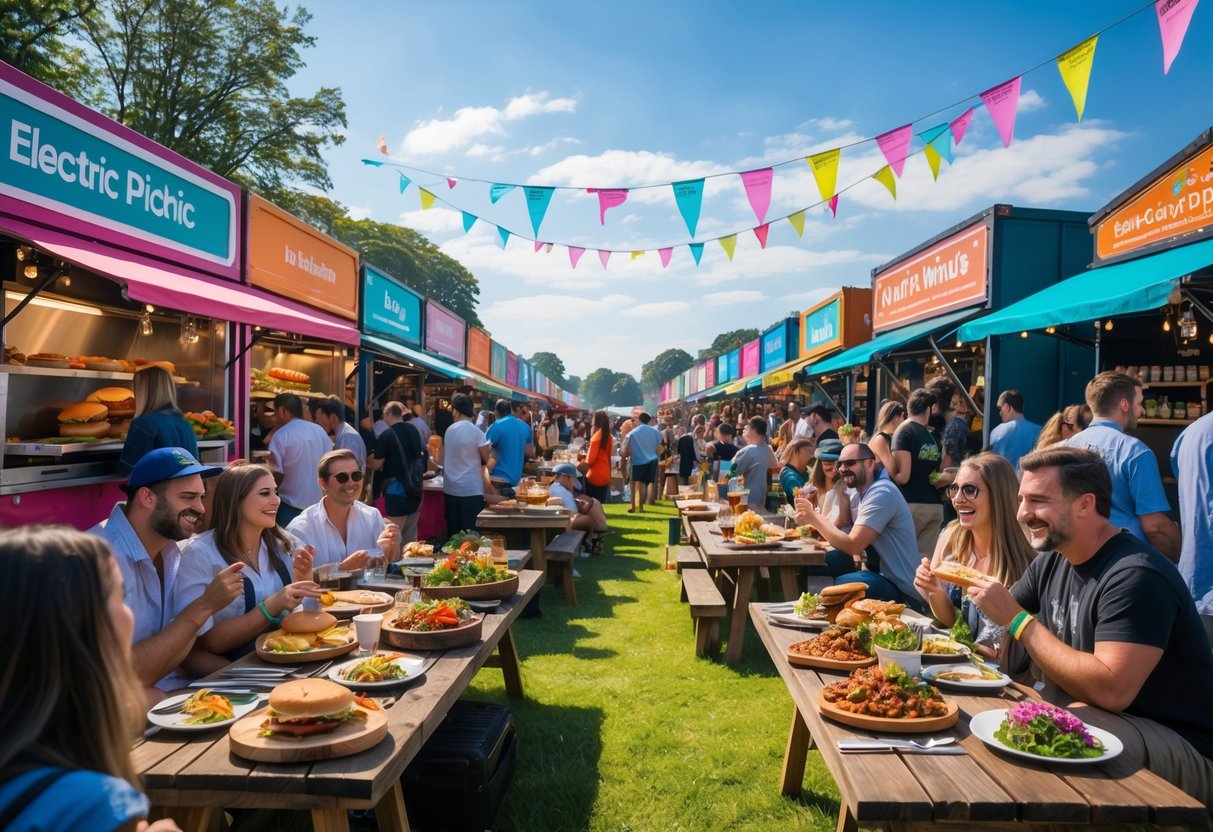
Events are where cold storage gets overlooked until it’s too late. A caterer plating for 400 at a Dos Lagos wedding, a vendor row baking in a summer festival, a corporate event at one of Corona’s hotels — all of it needs reliable cold and freezer space that a few ice chests can’t cover once the afternoon heat sets in.
A KryoFridge trailer gives event teams a walk-in’s worth of capacity on site, holding everything from frozen desserts to fresh produce and beverages at a steady set-point through a triple-digit Corona afternoon. It’s quiet enough to sit near a guest area, lockable for overnight multi-day events, and big enough that the kitchen isn’t rationing space.
Planning the full setup? Round out the site with water station rentals in Corona to keep crews and guests hydrated and restroom trailer rentals in Corona for guest comfort — one call can cover the whole event. (cross-brand links — auto-wired into the wheel on publish)
Permits & Temporary Food Facilities for Corona Events
If you’re serving food at a public event in Corona, the cold chain isn’t only an operations question — it’s a permitting one. Knowing the Riverside County rules ahead of time keeps your event from getting flagged on the day.
Vendors who sell or hand out food and beverages at a community event in Corona generally need a Temporary Food Facility (TFF) permit from the Riverside County Department of Environmental Health, and the organizer running a multi-vendor event needs a separate Event Organizer permit. The county expects the organizer’s paperwork at least two weeks before the event — file late and a late fee applies — and temporary events are capped at 25 operating days within any 90-day period. Caterers working a host facility operate under their own permit, with limited on-site prep windows.
Here’s where a freezer trailer fits the picture: a permit-ready food operation has to show it can hold cold and frozen product at a safe, documented temperature for the length of the event. An NSF-approved trailer with a digital set-point is the part of that setup that keeps your product in-spec through a hot Corona afternoon — the same caliber of equipment an inspector expects behind a serious food operation. We supply the food-safe, temperature-holding trailer; the permit application itself is yours to file with the county, and we’re happy to have the unit’s specs on hand when you do.
Cold Storage in Corona — Everything Else Worth Knowing
The questions that come up once the basics are covered. Tap any topic to expand it.
Freezer trailer vs. portable walk-in vs. reefer truck — what should you rent?
Portable walk-in cooler: cheap and small, but it’s a cooler — not a freezer — and it leans entirely on your building’s power and a stable ambient temperature. In a Corona summer an undersized walk-in struggles to hold deep-freeze, and if the building loses power, so does the cooler.
Reefer (refrigerated) truck: built to move product down the road, not to sit and hold it. It burns fuel idling, is loud for a storefront or an event, and ties up a tractor and a driver you may not need. Fine as a stopgap; expensive and awkward for days or weeks of stationary storage.
Freezer trailer (what we rent): purpose-built to be dropped and to hold temperature for days or weeks — deep-freeze capable, NSF-approved, quiet, lockable, and powered by a simple dedicated circuit or generator. More capacity than a walk-in, far less hassle and cost than a truck, and engineered to hold its set-point in the exact heat that breaks the other two.
Food-safe construction & Riverside County health-code compliance
Temporary cold storage still has to satisfy the Riverside County Department of Environmental Health, which permits and inspects food facilities across Corona. An inspector who finds a unit that can’t hold a documented temperature, or that isn’t built for food contact, can shut service down fast.
Every KryoFridge trailer is NSF-approved, built with food-safe interior surfaces and proper drainage, and fitted with a digital controller so you can read the set-point at a glance. One honest note: we provide the food-safe, temperature-holding equipment — we don’t sell third-party temperature-logging or alarm-monitoring services, so if your operation needs continuous logging for a compliance program, plan that piece separately.
The real cost of a cold-storage failure
Run the math the way a Corona business does. A single restaurant walk-in can hold thousands of dollars of frozen and refrigerated product; a grocery case or a warehouse freezer zone holds far more. Lose power or a compressor on a 105° afternoon and that inventory is at risk within hours — plus the lost revenue from a closed line and the labor scramble to save what you can.
Against that, a staged freezer trailer is operational insurance: a known, bounded cost that protects an unbounded loss. That’s why the customers who’ve been burned once keep our number on the wall — the second time, they call before the product is warm.
Seasonal demand in Corona — book ahead when you can
Demand here is seasonal and predictable in the aggregate even when each individual emergency isn’t. Summer heat drives equipment failures from June through October; the winter holidays drive grocery and restaurant overflow; fire-season power shutoffs spike outage calls. For planned needs — a remodel, a known event, a seasonal inventory build — booking ahead locks in the size you want. For the unplanned ones, our 24/7 staging is the backstop.
Multi-trailer & scalable setups for large operations
One trailer covers most kitchens and markets. Distribution centers, large festivals, and disaster response often need more — and because we own the fleet, we can stage multiple units together and phase them in as a job grows. The Mother’s Day three-trailer setup mentioned above is the pattern: scale the cold capacity to the operation instead of forcing the operation to ration a single box.
Short-term emergency vs. long-term & contract storage
Rentals run from a few days for an emergency or event to weeks or months for a remodel or seasonal overflow — and longer on a contract basis for operations that want standby capacity on hand. Tell us the term and we’ll quote it cleanly; there’s no penalty for an honest “we’re not sure how long yet,” and no broker markup buried in the middle.
Renting vs. building permanent cold storage — when each makes sense
A permanent walk-in is a capital project: a refrigeration contractor, electrical work, a building permit, and weeks of lead time before it holds its first pallet — and it only pays off when the need is permanent and constant. A lot of Corona demand isn’t. A summer overflow, a remodel gap, a seasonal inventory build, a one-off event, or a failed unit you’re waiting on parts for are all temporary needs, and building permanent capacity to solve a temporary problem is the slow, expensive way around it.
Renting flips that math. You add exactly the cold capacity you need, for exactly as long as you need it, with no construction and no permit timeline — the trailer arrives and holds temperature the same week, often the same day, and when the need ends, so does the commitment. For most customers who call us, renting isn’t just the cheaper option for a short window; it’s the right-sized one.
How a refrigerated trailer holds deep-freeze in 100°+ heat
It comes down to three things working together. First, the box itself: heavy insulated panels with sealed, gasketed doors that keep ambient heat out and cold air in, so the unit isn’t fighting the Corona sun through thin walls. Second, the refrigeration unit — a self-contained reefer condensing system sized with enough headroom to keep pulling heat out even when it’s 105° outside, instead of topping out the way an undersized cooler does. Third, the digital thermostatic control that holds your chosen set-point and cycles the unit to defend it.
Put together, that’s why a trailer staged in an open parking lot in August behaves the same as one in a mild warehouse: the system is engineered for the worst-case ambient, not the average one. It’s also why we ask about your power up front — the unit can only hold that margin if it’s getting steady power from a dedicated circuit or a generator.
How Renting a Freezer Trailer in Corona Works
Booking is meant to be the easy part of a stressful day. Four steps, transparent pricing, one accountable contact.
1 · Tell us what you’re storing
Frozen or refrigerated, roughly how much, and for how long. A quick description is enough for us to recommend a size.
2 · We confirm size, power & placement
We match the trailer, check for a dedicated circuit or a generator, and confirm the drop spot so delivery is one clean trip.
3 · Delivery & setup
We deliver across Corona on your timeline — same-day for emergencies — position the unit, power it, and let it pull down to set-point.
4 · You store; we stay reachable
The unit holds temperature for the rental term and our line stays open the whole time. When you’re done, we pick it up.
Where KryoFridge Delivers Cold Storage Around Corona
Our Inland Empire staging means fast response across every Corona neighborhood — from South Corona and Sierra Del Oro to Corona Hills, Eagle Glen, El Cerrito, Coronita, and the historic Grand Boulevard core — plus the retail and industrial corridors around The Crossings, Dos Lagos, Corona Hills Marketplace, and the 15/91 interchange, and south into the Temescal Valley.
We also deliver to the surrounding communities: Norco, Eastvale, Riverside, Chino & Chino Hills, Lake Elsinore, and west toward the Orange County line. If you’re near the 91, the 15, or the 71, we can get a trailer to you — usually same-week, and same-day when it’s an emergency.

What Our Corona Customers Say
“Our walk-in died during a Saturday rush off the 91. KryoFridge had a freezer trailer in our Corona lot and pulling temp within a couple hours — saved the whole weekend’s product.”
Restaurant owner · Corona, CA“Booked a 6×16 for a two-day event at Dos Lagos. Clean unit, held temperature in the heat, delivery crew on time and easy. We’ll use them again.”
Event coordinator · Inland Empire“We run a distribution operation near the interchange and lost a freezer zone. They staged two reefer trailers same-day and kept us in spec. Exactly the response we needed.”
Operations manager · Corona, CA“Straightforward pricing, no broker runaround, and they actually answered the phone at night. That’s hard to find in this business.”
Grocery manager · western Riverside CountyPlaceholder testimonials matched to real Corona scenarios — swapped for verified Google reviews before publish.
Corona Freezer & Refrigeration Trailer Rental FAQ
How fast can you deliver a freezer trailer in Corona?
For standard rentals we typically schedule same-week delivery. For emergencies — a failed walk-in or a power event — our 24/7 dispatch routinely gets a unit to Corona and pulling temperature the same day, thanks to our Inland Empire staging.
What temperature range do the trailers hold?
Our units run from deep-freeze (around -10°F) up to fresh-cold (50°F) with digital set-point control, and they hold that set-point even through triple-digit Corona summer heat.
What power do I need on site?
A dedicated 120V, 20-amp circuit within about 100 feet of where the trailer parks — or a generator. We don’t run on 208–240V building power, so we’ll confirm your setup before delivery.
Are the trailers NSF-approved and insured?
Yes. Every trailer is NSF-approved for food storage, and all rentals are fully licensed and insured.
How long can I keep the trailer?
As long as you need — from a few days for an emergency or event to weeks or months for a remodel or seasonal overflow, and longer on a contract basis. We’ll quote the term that fits the job.
Do you serve the areas around Corona?
Yes — Norco, Eastvale, Riverside, Chino, Chino Hills, Lake Elsinore, and the wider Inland Empire / western Riverside County. If you’re near the 91, 15, or 71, we can reach you.
Are you a broker or the actual operator?
We’re the direct operator. We own, maintain, and deliver the fleet ourselves — no markups, no middleman, and one accountable point of contact from quote to pickup.
Need a Freezer Trailer in Corona Today?
Get a fast, transparent quote — or call our 24/7 line for emergency cold storage anywhere in Corona and the Inland Empire.