
Mesa Freezer Trailer Rentals for Arizona’s Third-Largest City

NSF-approved mobile cold storage, dropped across Mesa and the East Valley in about 45 minutes, for the Gateway aerospace corridor, restaurants, grocers, distribution centers and the spring-training crowds. We own and maintain one of the largest dual-purpose freezer and refrigeration fleets in the West, we’re licensed and insured, and our 24/7 line answers when a walk-in quits at 4 p.m. on a 110° July afternoon.
Why Mesa Calls KryoFridge First for Cold Storage
Mesa is not a small town, and it does not break down on a small-town schedule. It is the third-largest city in Arizona and the anchor of the East Valley, spread across roughly 140 square miles from the Loop 101 on the west out past Power Road and the Superstition foothills. And when a cooler fails out here (and in our experience, it’s usually the worst possible afternoon when it does), the nearest replacement isn’t around the corner, which is exactly why we stage trailers locally instead of promising to “head over from Phoenix” while your product climbs toward the danger zone.
But that local footing is the whole point. We’re the owner-operator of the fleet you’d be renting , the person who answers the phone is the one who maintains the trailer and dispatches the driver. You won’t get handed off to a supplier in another state, and you won’t hear “let me check whether anything’s available” while a freezer warms up. We keep units ready for the East Valley, and we know the difference between a tight downtown alley off Main Street and a wide-open dock yard down by Gateway.
Mesa at a Glance, a Big, Spread-Out City Built on Things That Have to Stay Cold
Half a million residents, an aerospace plant that has been here for fifty years, a rail-served industrial corridor, and two Major League ballclubs that bring six figures of fans through town every spring. Mesa’s scale is the reason its cold-storage needs rarely come one at a time.
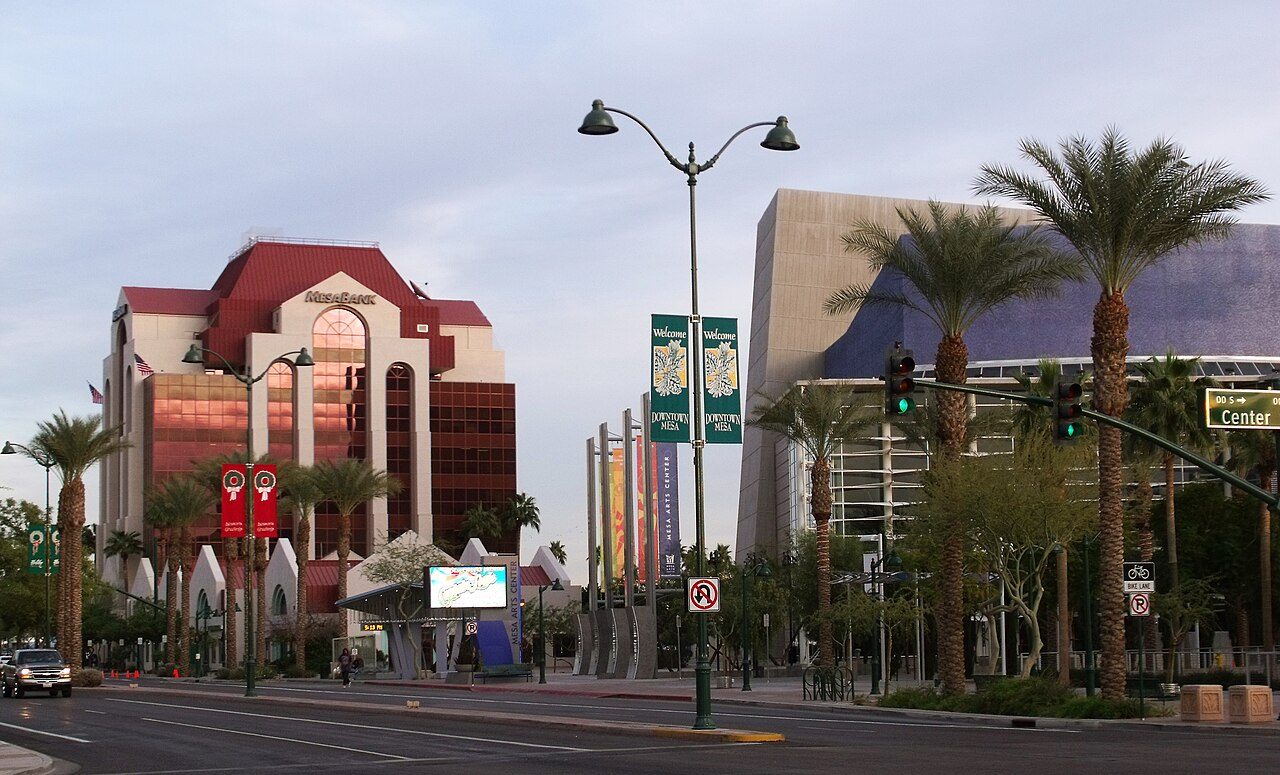
The city splits roughly along Center Street into a denser, older West Mesa and a sprawling, newer East Mesa, and that geography shapes how we work here. West Mesa gives you the historic Main Street core, the light-rail line, and the tighter commercial lots near the Mesa Arts Center and Mesa Riverview. East Mesa runs toward Las Sendas, the Superstition Springs corridor and Apache Junction, big-box retail, master-planned neighborhoods, and the industrial land closest to Phoenix-Mesa Gateway Airport.
What ties the whole footprint together is a working economy that depends on holding temperature: a defense-grade aerospace plant, a rail-served manufacturing belt, hundreds of restaurants and grocers feeding a fast-growing population, and a tourism season that packs ballparks in the desert heat. Temporary cold storage in a city this size isn’t a niche, it’s a line item that quietly keeps half the place running.
Downtown Mesa and the Mesa Arts Center. Across a city this large and this hot, the businesses that run on refrigeration, kitchens, markets, manufacturers, event teams, all share one exposure: a failed unit on a triple-digit afternoon.
The Cold-Storage Name the Country’s Biggest Brands Trust
You don’t get to hold temperature for national chains by accident. Over 30-plus years in the rental business, our family has supplied mobile refrigeration to names like McDonald’s, Chick-fil-A, and Dutch Bros , operations that don’t tolerate a unit drifting out of spec and that vet a cold-storage partner the way they vet a food supplier. That same standard is what shows up at a Mesa job, whether it’s a single taco shop off Southern Avenue or a distribution floor near the Union Pacific spur.


And the proof is in how the calls go. When a Chick-fil-A walk-in died in the middle of a Friday dinner rush, we prepped a trailer, dispatched it, and had it on site and pulling temperature within 34 minutes of the phone ringing. When an overnight outage shorted the walk-in at a Denny’s the night before Mother’s Day, one of the busiest days on a restaurant’s calendar, our dispatch team staged three freezer trailers to hold the pies, proteins and prep, and the kitchen never missed a ticket. Mesa businesses face the same math, just hotter: the trailer has to hit its set-point, hold it through a 110° afternoon, and be clean enough to satisfy a Maricopa County inspector.
Cold Storage for Mesa’s Aerospace, Gateway & Manufacturing Corridor
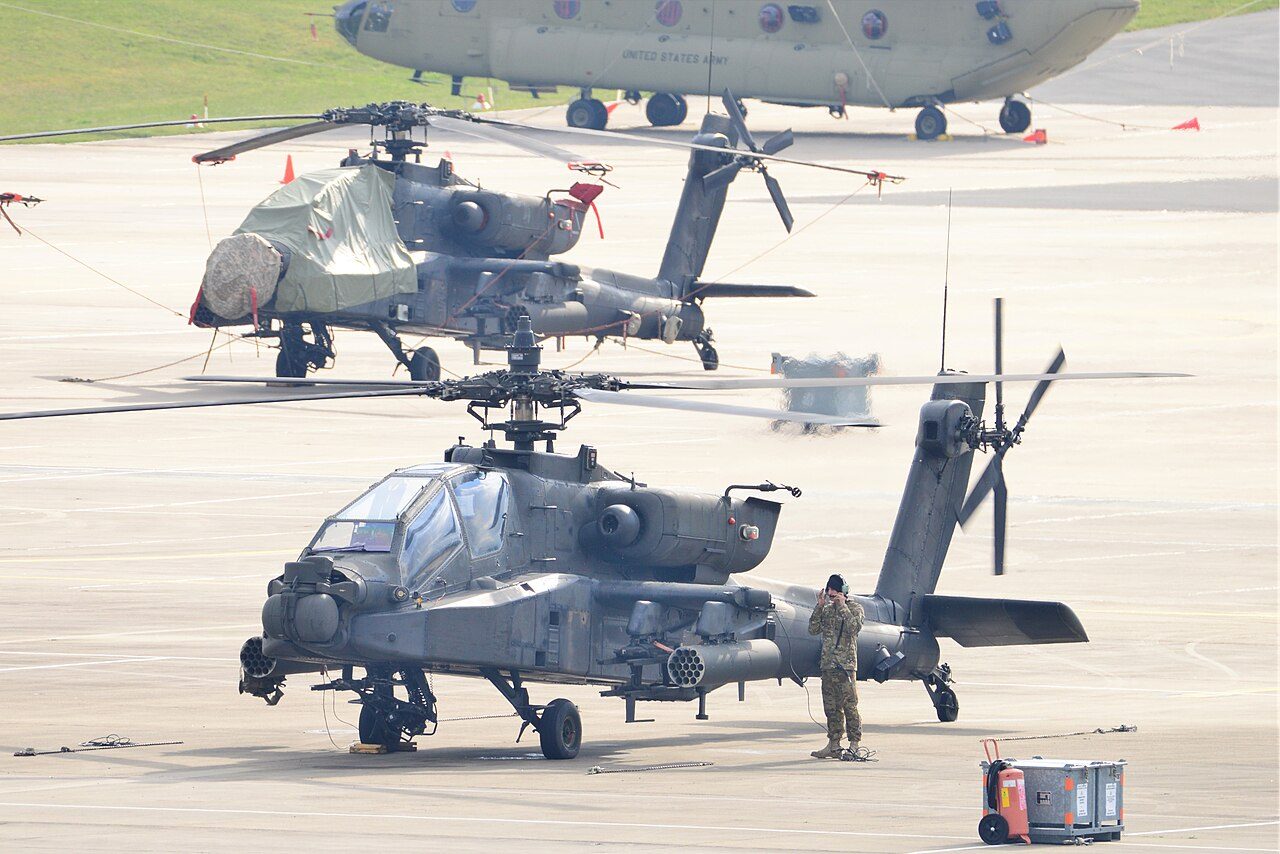
Mesa’s industrial backbone is genuinely unusual for a Sun Belt suburb. Boeing has built the AH-64 Apache attack helicopter at its Mesa plant near Falcon Field since 1975 , close to 3,000 aircraft over five decades, around 4,600 employees, and a supply base of hundreds of in-state vendors. That single facility makes Mesa a defense-aerospace town (the kind of place where a five-figure cold-storage loss is just another Tuesday problem to solve), and it pulls a web of precision manufacturers, composite shops and electrical fabricators into the surrounding district.
South of there, Phoenix-Mesa Gateway Airport has become an aerospace and logistics hub in its own right, home to names like Gulfstream’s maintenance-and-overhaul operation and a fast-growing manufacturing corridor along the rail extension and the Elliot Road tech belt. Steel, chemical, food and electronics producers all sit within a few miles of the runway. But it is, in short, a part of town that runs on tight tolerances and tighter schedules.
That world depends on cold storage in ways people don’t always picture. The cafeterias and contract food-service operations feeding thousands of shift workers run real walk-ins. The on-site clinics and the labs around the corridor hold temperature-sensitive product. And when a manufacturer hosts a large hiring event, a milestone celebration, or a holiday push, the catering behind it needs walk-in-grade cold space that a few ice chests can’t fake. We size the trailer to the job, a compact unit for a single break-room overflow, or a multi-trailer setup staged in a wide Gateway-area yard, and we get it there fast, because in this corridor a missed window is expensive.
The Reasons Mesa Businesses Reach for a Freezer Trailer
Cold-storage demand here almost never lands on the calendar. It shows up as a dead compressor, a remodel, a monsoon outage, or a crowd that’s bigger than the kitchen planned for. These are the calls we take most across Mesa, each with a photo of the kind of operation it serves.
? Restaurants & Kitchens
Walk-in failures, kitchen remodels and overflow around Main Street, Superstition Springs, and the Mesa Riverview restaurant rows.
? Grocers & Markets
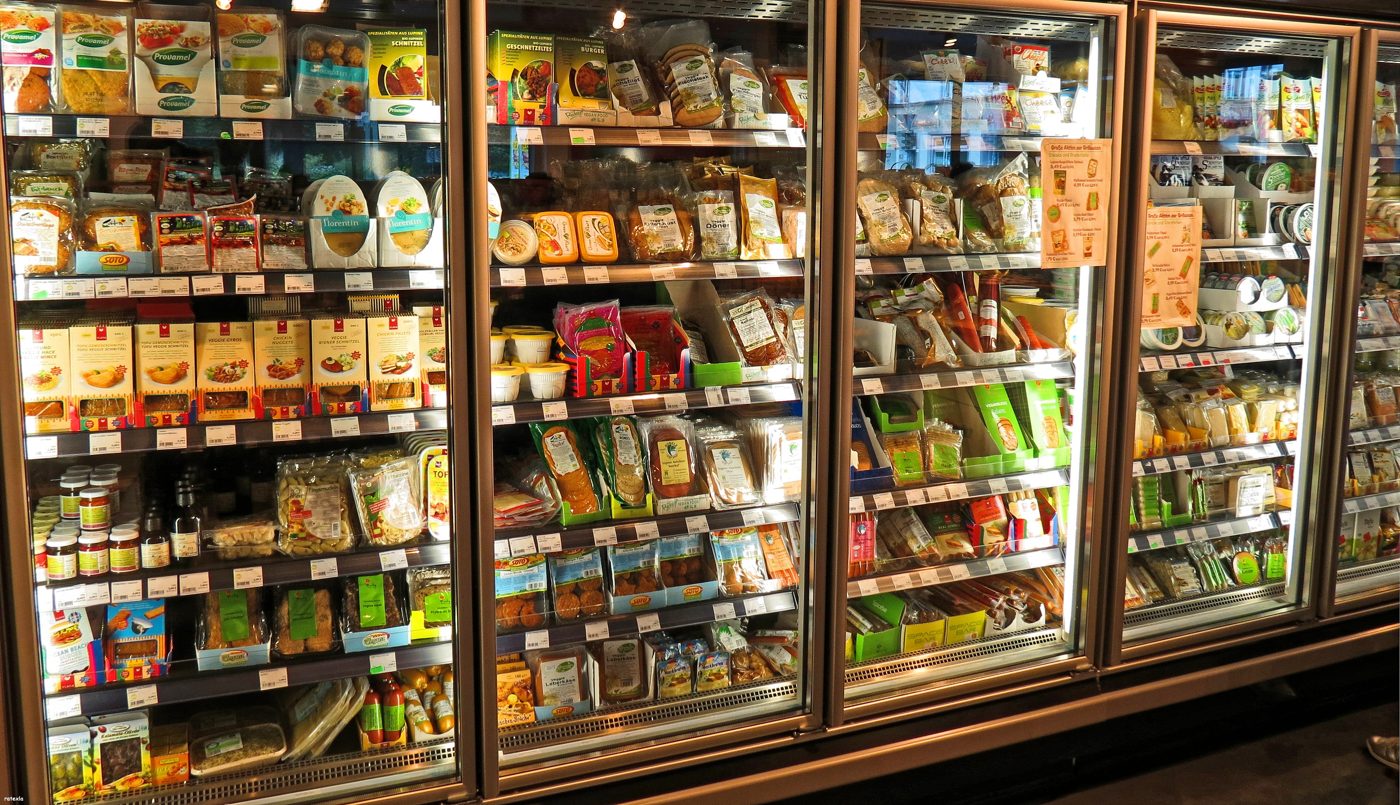
Backup refrigeration during a case or compressor outage, a store reset, or a holiday inventory surge across the East Valley.

? Distribution & Logistics
Temporary reefer capacity for the warehouses along the Gateway rail corridor and the US 60 freight lanes when a cold zone goes down.

? Events, Catering & Spring Training
On-site cold for ballpark concessions, festivals, and large catered events around Sloan Park and the downtown convention spaces.
? Emergency & Outage
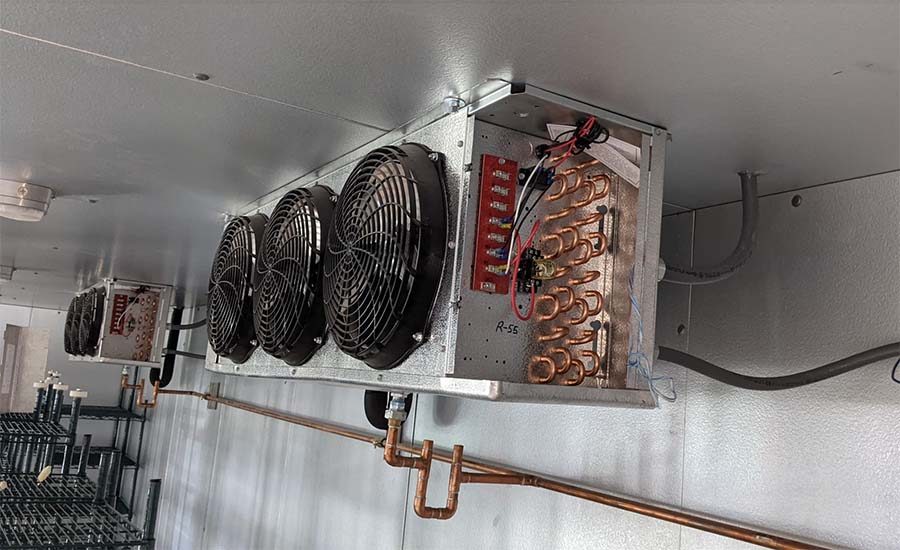
24/7 deployment for monsoon power outages, dead compressors, recalls, and disaster-relief cold chain.
? Aerospace, Mfg & Institutional
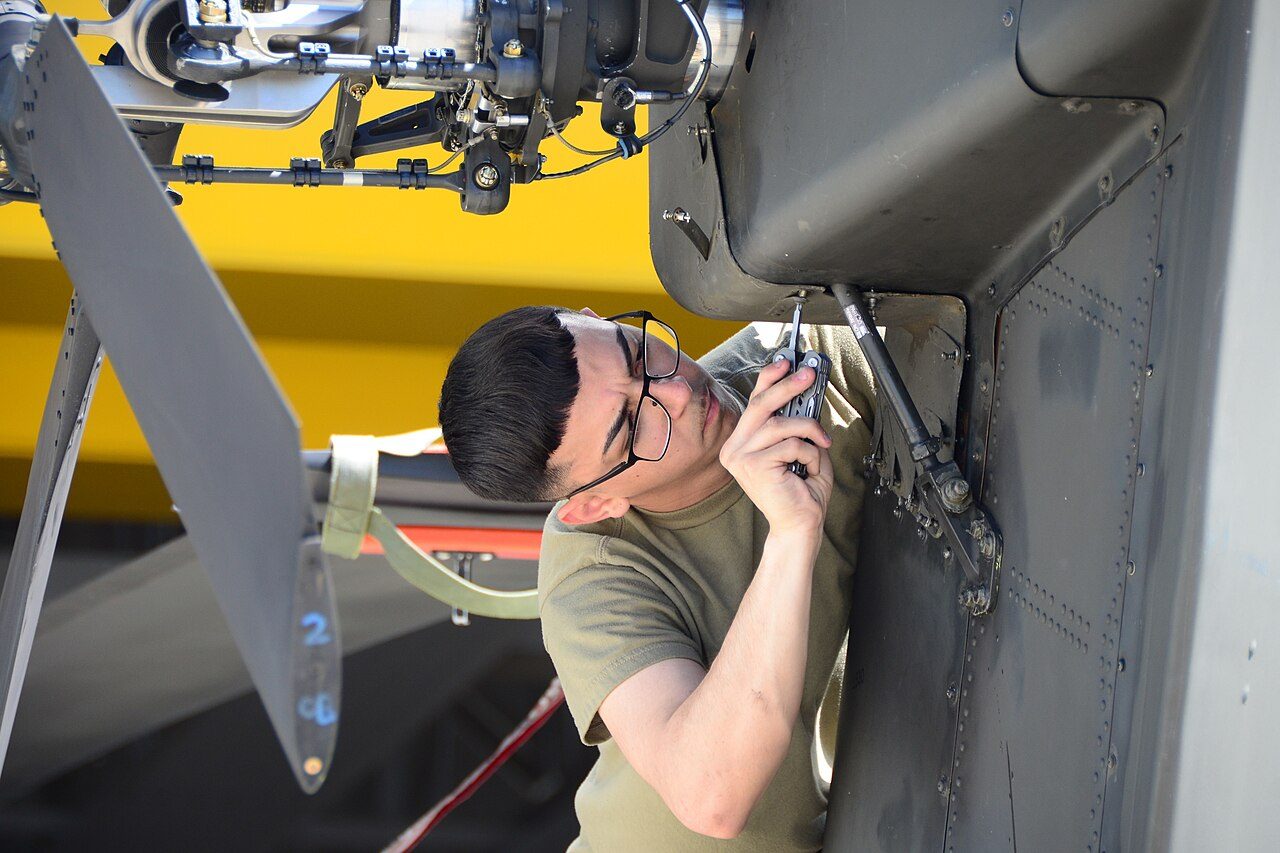
Overflow and short-term holding for the Gateway and Falcon Field corridor’s cafeterias, contract food service, and labs.
What links every one of these is timing. A freezer trailer is rarely on anybody’s plan, right up until the compressor quits that morning, the remodel kicks off that week, or a haboob darkens the grid across half the East Valley that afternoon. Keeping our units parked nearby is what turns “can I get one today” into an ordinary Mesa request instead of a long shot.
Our Trailers, Hard at Work Across the East Valley
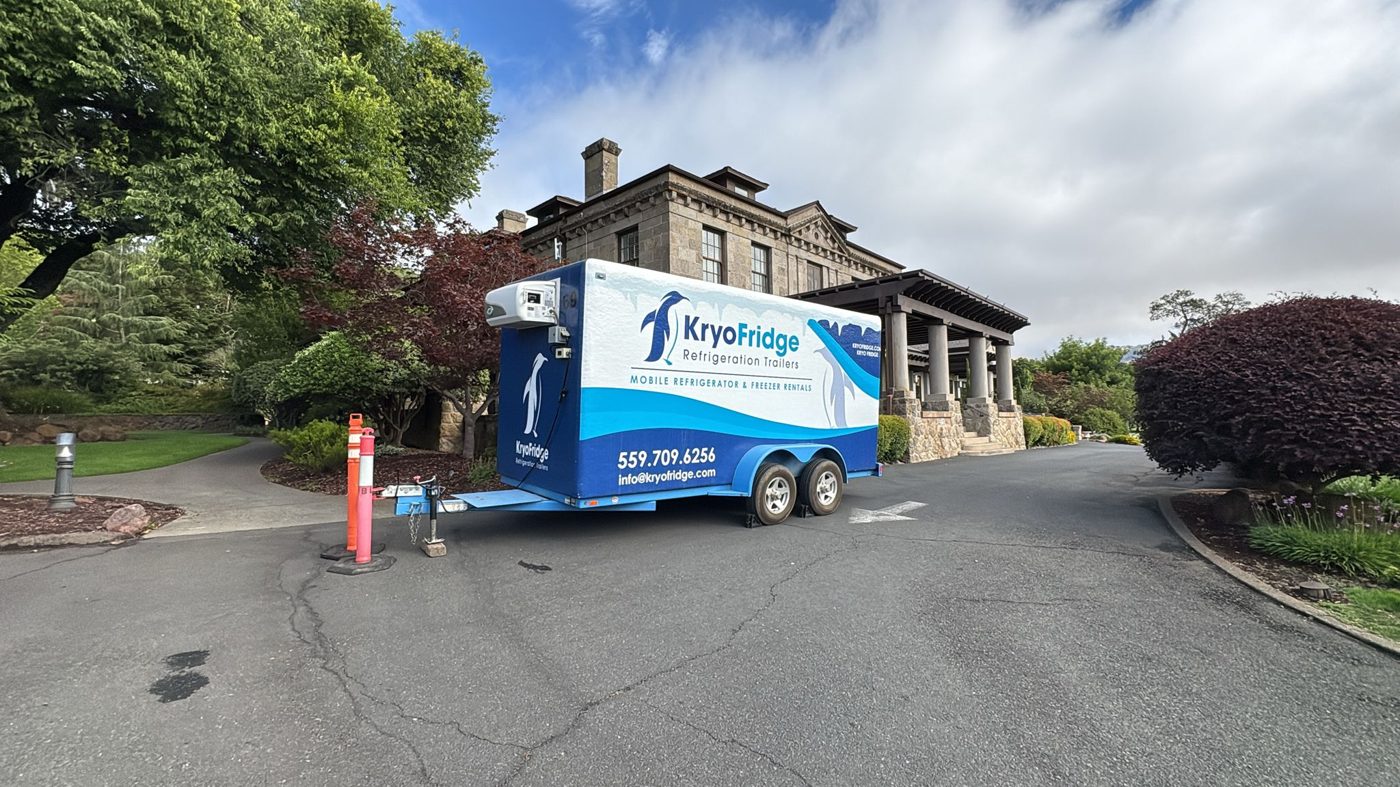
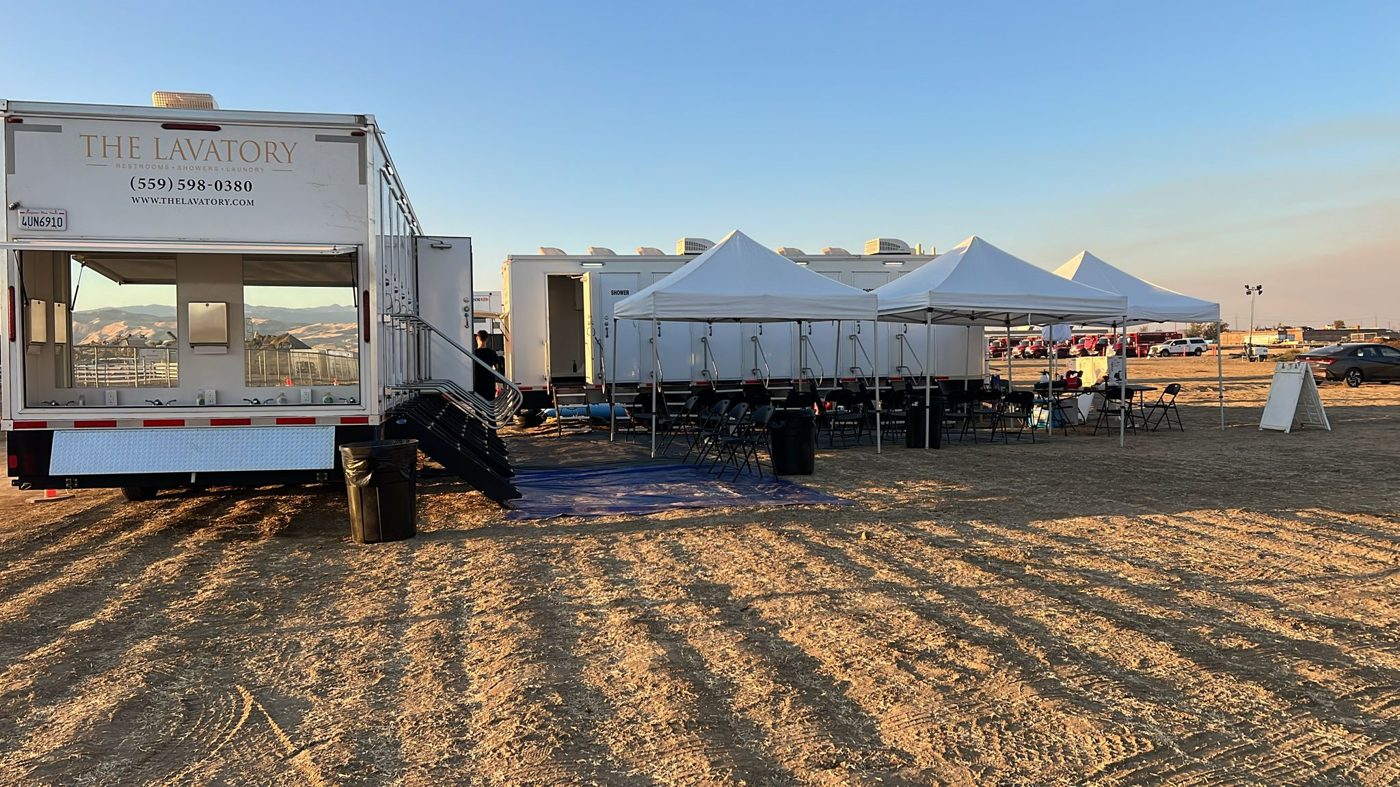
Real KryoFridge units on real jobs, restaurant lots, dock yards, event grounds and late-night emergencies across West Mesa and out to the Gateway corridor.



How a Refrigerated Trailer Holds Deep-Freeze Through a 110° Mesa Day
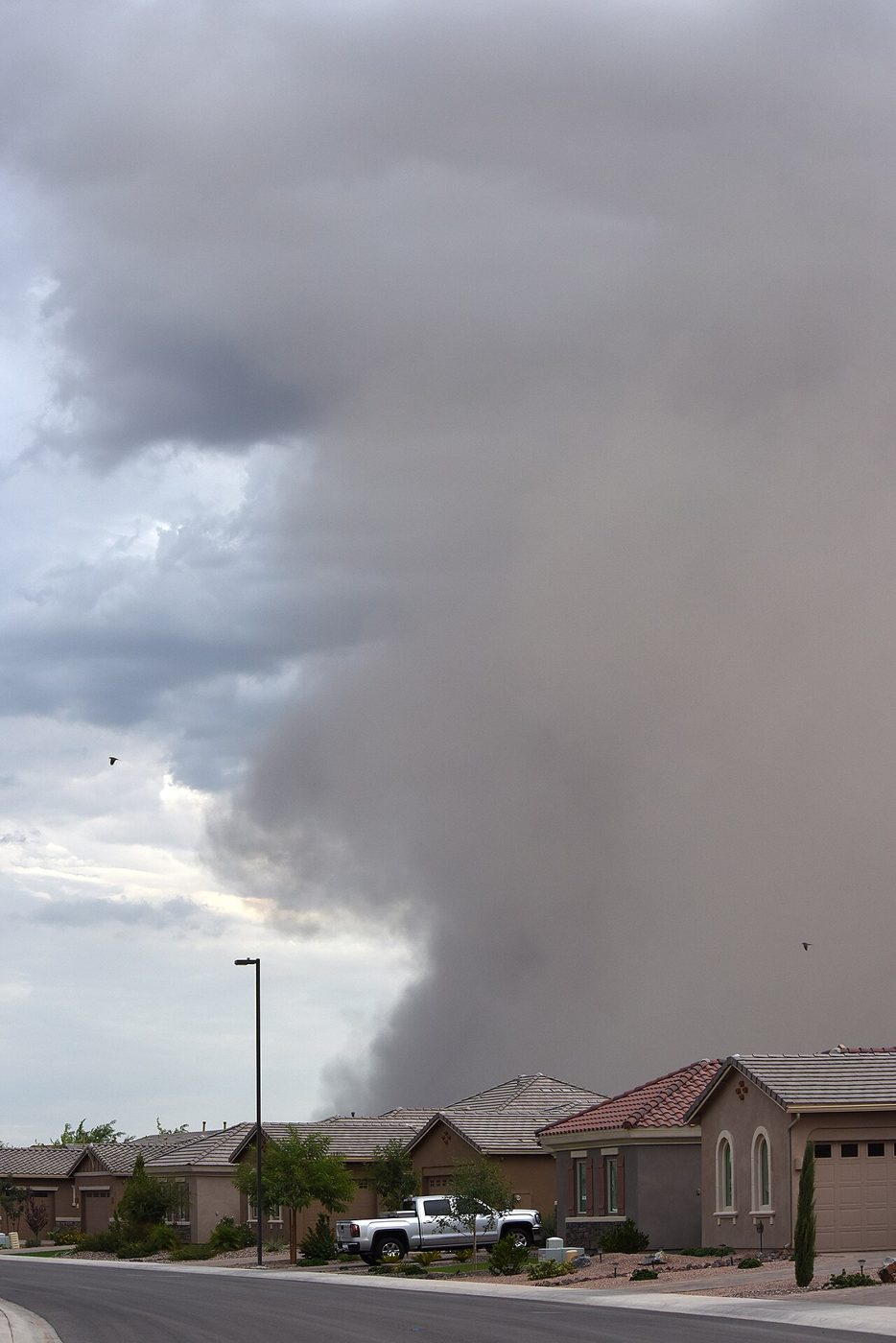
Mesa’s climate is the quiet reason cold-storage emergencies bunch up in summer. The city sits squarely in the Sonoran Desert, and from June into September daily highs sit above 100°, with July averaging around a 105° high and overnight lows that barely dip into the high 70s. That relentless heat does two things at once: it loads up every existing cooler and freezer in town, and it shrinks your reaction window once one fails, at 110° ambient, frozen product climbs toward the danger zone fast.
Then there’s monsoon season. From roughly July through September, the East Valley takes outflow winds, haboobs and microbursts that have knocked out power to tens of thousands of APS and SRP customers in a single Mesa-area storm. When the grid drops, every reach-in and walk-in on that circuit goes dark together, and a generator-powered trailer becomes the only cold storage still running.
Our trailers are built for exactly that reality. It comes down to three things working together. First, a heavily insulated box with sealed, gasketed doors that keeps the desert heat out. Second, a self-contained reefer condensing system sized with enough headroom to keep pulling heat even when it’s 110° on the asphalt, instead of topping out the way an undersized cooler does. Third, a digital thermostatic control that holds your set-point and cycles the unit to defend it. That’s why a 6×16 staged in an open Mesa parking lot in August behaves the same as one in a mild warehouse. The system is engineered for the worst-case ambient, not the average one.
Monsoon Outages & Emergency Cold Chain in the East Valley
Mesa’s defining disaster isn’t a hurricane or a freeze, it’s the summer monsoon and the grid hits that come with it. Planning for that is a big part of what an experienced local cold-storage operator does here.
When a microburst or a haboob rolls through the East Valley, the damage isn’t subtle: roofs torn off, carports flattened, and power knocked out across whole Mesa neighborhoods and the Gateway-area industrial parks for hours at a stretch. For a restaurant or a grocer, that’s a clock starting on every perishable in the building. For a distribution operation, it’s a freezer zone full of frozen pallets with no cold source. And for emergency management and relief crews, it’s a sudden need to keep food and supplies in-spec while the fixed infrastructure is offline.
This is the moment a generator-powered trailer pays for itself. Running off its own generator rather than the building’s circuit, it keeps inventory frozen clean through the outage, and because dispatch is staffed around the clock and the fleet is ours, we can right-size the answer, a single box for one storefront or a parked line of reefer units that turns into mobile cold-chain infrastructure for a full relief effort. When the grid is the thing that died, the cold storage worth having is the kind that never depended on it. We’ll also walk through power specs ahead of time so the right circuit or generator is settled before storm season opens, not in the middle of it.
Sizing a Freezer Trailer to Your Mesa Operation
Three footprints stretch from a one-kitchen overflow all the way up to full-scale event and outage staging. Whichever you take, it locks to your chosen number anywhere between deep-freeze and fresh-cold, and powers off either a dedicated circuit or a generator.
| Trailer | Best for | Temp range |
|---|---|---|
| 6×8 | Tight lots, single kitchens, short overflow | -10°F to 50°F |
| 6×12 | Grocers, caterers, mid-size events | Deep-freeze capable |
| 6×16 | Distribution, large events, outage staging | Heavy-duty reefer |
Whatever the size, each box locks to a digital set-point and draws from a dedicated 120V/20A circuit or a generator. Building power at 208–240V is the one thing it won’t take.
6×8, the nimble one for cramped Mesa lots
Good for around 8 pallet positions, and small enough to tuck into the awkward spaces behind the older Main Street and Mesa Drive storefronts. It answers most single-kitchen emergencies and brief overflow, and it threads into corners a longer trailer would never make. Running a corner taqueria or a small West Mesa market that just lost its walk-in? This is almost always the size to grab.
6×12, the do-everything size for grocers, caterers and mid-size events
Roughly 14 pallet positions, deep-freeze capable, and the size we send out most. It hits the sweet spot for a grocer’s backup, a multi-day catering job near the downtown convention spaces, or a kitchen that needs genuine walk-in-equivalent room while it’s torn up for a remodel. Roomy enough that nobody’s rationing shelf space, compact enough to drop into most East Valley back lots.
6×16, for distribution floors, ballpark crowds and outage staging
Close to 20 pallet positions behind a heavy-duty reefer engineered to keep deep-freeze in punishing ambient heat. Reach for this one to stage frozen pallets when a warehouse bay quits near the Gateway rail corridor, to anchor concessions across a packed spring-training weekend, or to carry a relief operation’s cold chain after the monsoon takes the power. The broad pads out by Power Road and the airport swallow a 6×16 with space left over.
Still on the fence about the size? Give us a rough idea of what you’re holding and for how long, and we’ll match it for you, with zero interest in pushing you into more box than the job calls for.
What to Store, and Where to Set the Temperature
“Cold” isn’t a single number. The reason a digital set-point earns its keep is that different product stays safe in different bands, and in Mesa heat, slipping out of the right one is precisely how a load gets ruined. Below is the working chart our customers lean on when they pick a size.
| Product | Typical holding band | Trailer mode |
|---|---|---|
| Ice cream & frozen desserts | -10°F to 0°F | Deep freeze |
| Frozen proteins, seafood, prepared foods | 0°F or below | Freezer |
| Fresh meat & poultry (short hold) | 28°F to 32°F | Refrigerated |
| Dairy, deli, packaged produce | 34°F to 38°F | Refrigerated |
| Beverages, florals, catering platters | 38°F to 45°F | Refrigerated |
The figure that really governs the table is one it doesn’t list: 40°F. Cross above it and you’re in the band food-safety guidance labels the “danger zone”, the 40–140°F stretch where bacteria on perishables take off, and most chilled product is considered unsafe once it has logged about four cumulative hours up there. That short fuse is the whole reason a dead walk-in at 108° outside counts as an emergency rather than a nuisance, and it’s why we size our reefer units to hold their number under brutal ambient heat instead of cruising in a comfortable test bay.
Easiest thing to do when you ring us: name the coldest item on your list and we’ll dial the box to it. One trailer carries a straight freezer load by itself. Mixing deep-freeze with fresh-chilled for an event or a remodel usually earns a split-zone plan or a second unit, so neither end of your inventory has to give ground on temperature.
Powering & Placing the Trailer in Mesa
Powering one of our trailers comes down to two choices and nothing in between: plug into a dedicated 120-volt, 20-amp circuit sitting within about 100 feet of the parking spot, or run it off a generator. What won’t work is standard 208–240V building power, so we trade a quick question about your setup up front to spare you a hold-up on delivery day.
- Have a dedicated outlet close by? Plenty of Mesa kitchens and markets already do, in which case we connect and the box starts drawing temperature.
- Parking it in an open yard or event field? A generator runs the trailer wherever you need it, whether that’s an event lot near Sloan Park, a dock yard off Ellsworth by Gateway, or a site out on Power Road.
- Bracing for a monsoon outage? Mesa rides on SRP and APS lines, and summer storms genuinely knock the East Valley grid out. A generator-fed trailer keeps your cold chain alive while the building’s power is dark.
As for where it lands: the trailer wants reasonably flat ground with enough clearance for the delivery truck to back in and set it down, plus either a power source or space for a generator. We nail down the exact drop point before the rig ever leaves our yard, and our drivers read Mesa street by street, whether the address is the cramped West Mesa core or the wide-open industrial pads out toward Gateway.
Spring Training, Festivals & Mesa’s Big-Event Cold Storage
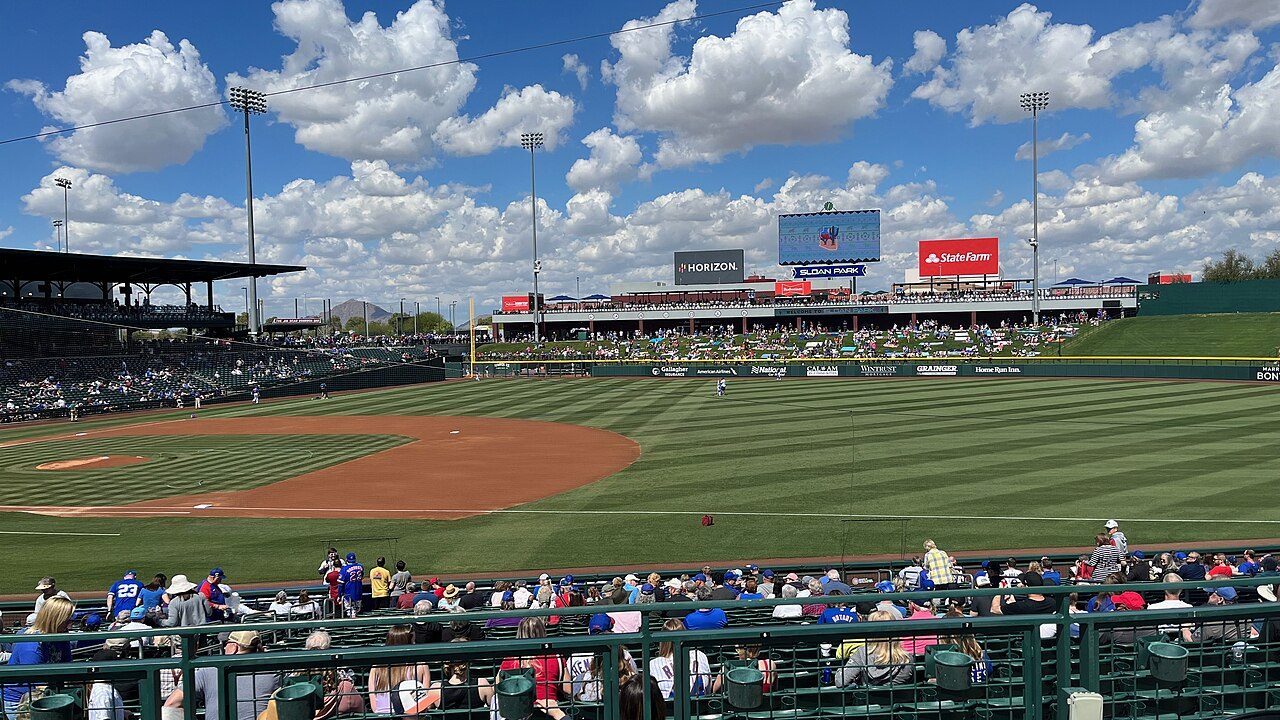
Few cities have a season like Mesa’s. Every February and March, Sloan Park , the largest spring-training ballpark in baseball, home to the Chicago Cubs, and HoHoKam Stadium, home to the Athletics, pull hundreds of thousands of fans into town. In one recent spring the Cubs alone drew more than 240,000 fans across 19 home dates, leading the entire Cactus League, and combined Cubs-and-A’s attendance in Mesa topped 338,000. That’s a tremendous amount of concession food, beer and catering held cold in the desert sun for weeks on end.
Beyond baseball, the calendar stays full: festivals and concerts at the Mesa Amphitheatre and the Arts Center, downtown street fairs, conventions, and the steady run of weddings and corporate events at East Valley hotels and venues. All of it needs reliable cold and freezer space that a few ice chests can’t cover once a Mesa afternoon heats up.
Park a KryoFridge trailer at the venue and an event team suddenly has a walk-in’s worth of room on site, keeping frozen desserts, fresh produce and drinks at one steady number through a triple-digit day. It runs quiet enough to sit near a guest zone, locks up for overnight stretches on a multi-day booking, and gives the kitchen enough room that nobody’s fighting over shelf space. Planning the full setup? Round it out with water station rentals in Mesa to keep crews and crowds hydrated and restroom trailer rentals in Mesa for guest comfort, one call can cover the whole event. (cross-brand links, auto-wired into the wheel on publish)
Permits & Temporary Food Facilities for Mesa Events
Plan to serve food at a public Mesa event and the cold chain stops being purely operational, it becomes a paperwork question too. Get a handle on the Maricopa County rules early and you keep the inspector from flagging your booth on the day itself.
Vendors handing out or selling food at a Mesa special event almost always have to work under one of the county’s recognized permits from the Maricopa County Environmental Services Department: a Temporary Food Establishment permit, a Seasonal or Annual Event permit, or a Mobile Food Establishment permit. The county also leans on the event coordinator to confirm every vendor is permitted before the gates open, and it spells out real ground rules, covered booths with cleanable surfaces, a hand-wash setup fed by potable warm water, and a Certified Food Protection Manager kept on site any time open, temperature-controlled food is being served.
This is exactly the slot a freezer trailer fills. Any permit-ready operation has to prove it can park cold and frozen product at a safe, documented temperature for the run of the event, and an NSF-approved box with a digital set-point is the piece that carries your inventory in-spec through a baking Mesa afternoon, the grade of equipment an inspector expects to see behind a serious vendor. We hand you the food-safe, temperature-holding trailer. Filing the actual permit with the county stays on your side, and we’re happy to put the unit’s specs in your hands when you sit down to do it.
Mesa Cold Storage, Everything Else Worth Knowing
The questions that come up once the basics are covered. Tap any topic to expand it.
Freezer trailer vs. portable walk-in vs. reefer truck, which one fits?
A portable walk-in cooler is the budget pick, and it shows. It refrigerates but won’t truly freeze, and it depends completely on your building’s circuit and a steady temperature in the room around it. Stand one up in a Mesa July and it labors to hold deep-freeze. Let a monsoon pull the building’s power and the cooler drops out alongside everything else.
A reefer truck is engineered to haul product down the highway, not to park and store it. Leave one running and it eats diesel, broadcasts engine noise across your lot or event, and pins down a cab and a driver you may want elsewhere. As a quick patch it’s fine. Stretch the job into days or weeks and it gets clumsy and expensive fast.
A freezer trailer, the unit we actually rent, is designed to be set down and left to do one job: hold its number, deep-freeze included, for however long you need. It’s NSF-approved, quiet, lockable, and asks only for a dedicated circuit or a generator. You get more room than a walk-in, none of a truck’s fuel and fuss, and a box built to keep its set-point in exactly the desert heat that defeats the other two.
Food-safe build & Maricopa County health-code compliance
Any temporary cold-storage unit in town still answers to the Maricopa County Environmental Services Department, the agency that permits and inspects food operations across Mesa and the East Valley. Show an inspector a box that can’t document a holding temperature, or that wasn’t built for food contact, and you can lose service on the spot.
Our trailers are built to pass that look. Each one carries NSF approval, runs food-safe interior surfaces with proper drainage, and reads out its set-point on a digital controller you can check at a glance. We’ll be straight with you on one limit, though: we rent the food-safe, temperature-holding box itself, not a temperature-logging or alarm-monitoring service. If a compliance program of yours requires continuous logging, line that piece up on your own.
The real cost of a cold-storage failure in the desert
Do the arithmetic the way a Mesa owner does at 4 p.m. on a bad day. One restaurant walk-in can be sitting on several thousand dollars of frozen and chilled product, and a grocery case or a warehouse freezer bay holds a multiple of that. Drop the power or a compressor when it’s 108° out and the clock on all of it starts ticking inside hours, on top of the sales you lose with the line shut and the labor you burn trying to rescue what’s left.
Set a staged trailer against that exposure and it reads like insurance: a fixed, known cost standing in front of a loss with no ceiling. It’s the reason the owners who’ve eaten one of those days the hard way tape our number to the wall, so the next time, the call goes out before anything warms up.
The Mesa calendar, and why booking early helps
Cold-storage demand here tracks a desert year. Equipment dies most often in the June-through-September heat, the same months the monsoon hands us our outage spikes. February and March belong to spring training and the concession and catering load it brings. The winter holidays pile overflow onto grocers and restaurants. When a need is on your calendar already, a remodel, a booked event, a seasonal build, reserving ahead locks in the exact size you want. When it isn’t, our round-the-clock local staging is there to catch it.
Staging multiple trailers for large Mesa operations
A single box handles most kitchens and corner markets without breaking a sweat. The bigger jobs, a distribution floor near the Gateway corridor, a ballpark-weekend event, a storm-response footprint, ask for more, and owning our own fleet is what lets us answer: we line up several units side by side and bring them on as the work grows. That overnight three-trailer save for the Denny’s Mother’s Day rush is the template, fitting the cold capacity to the operation rather than making the operation squeeze into one box.
Days, weeks, or a standing contract, how long you can keep a unit
Terms here run the full range. A trailer can sit with you for a few days through an emergency or an event, for weeks or months across a remodel or a seasonal swell, or on an ongoing contract if you want guaranteed standby capacity parked and ready. Give us the term and you get a clean quote against it. “We honestly don’t know yet how long” costs you nothing, and there’s no broker markup tucked into the number anywhere.
Renting vs. building permanent cold storage, when each wins
Putting in a permanent walk-in is a capital build: a refrigeration contractor, an electrician, a building permit, and weeks before the first pallet ever goes cold. That investment only earns out when the need is permanent and steady, and a great deal of Mesa demand simply isn’t. A summer overflow, a gap during a remodel, a seasonal build, a one-off event, a unit sidelined waiting on a part, those are all temporary problems, and pouring concrete to solve a temporary problem is the long way around.
A rental inverts the equation. You bolt on the precise cold capacity you need, for precisely as long as the need lasts, skipping the construction and the permit clock entirely. The trailer shows up and holds temperature that same week, often that same day, and the moment you’re finished, the commitment ends with it.
How quickly does a trailer pull down to set-point after delivery?
Once we position the trailer and connect it to a dedicated circuit or generator, the unit begins pulling temperature right away. Pull-down time depends on the target set-point, the ambient heat, and how full the box is, but a properly powered trailer reaches a deep-freeze set-point well within the first stretch of the rental, which is why getting the power sorted before the truck arrives matters as much as the delivery itself.
Booking a Mesa Freezer Trailer, Step by Step
On a day already going sideways, the rental shouldn’t add stress. Four short steps, one number, no surprises in the price.
1 · Describe the load
Tell us whether it’s frozen or chilled, a ballpark on volume, and your rough timeline. That’s plenty for us to point you at the right size.
2 · We lock size, power & the drop spot
We pair you with a trailer, sort out whether you’ve got a dedicated circuit or need a generator, and pin down exactly where it lands so the truck makes one clean run.
3 · We deliver and set it
We arrive on your schedule, roughly 45 minutes out for an emergency, spot the unit, hook up the power, and let it draw down to your set-point.
4 · You run it, we stay on call
It holds temperature for the length of the rental while our line stays open the entire time. Say the word at the end and we come collect it.
Where We Deliver Cold Storage Around Mesa
Our East Valley staging means fast response across every corner of a very large city, from West Mesa, the Main Street core and Mesa Riverview to East Mesa, Las Sendas, Superstition Springs, Red Mountain, Dobson Ranch and the Power Road corridor, plus the retail and industrial districts around Mesa Gateway, Falcon Field, and the US 60 freight lanes.
We also deliver across the surrounding East Valley: Gilbert, Chandler, Tempe, Queen Creek, Apache Junction, and north toward Scottsdale. If you’re near the US 60, Loop 202, Loop 101, or the Gateway corridor, we can get a trailer to you, usually on your schedule, and within about 45 minutes when it’s an emergency.
Why Mesa Kitchens, Grocers & Event Teams Tell Us
“Our walk-in died during a Saturday rush off Southern Avenue. KryoFridge had a freezer trailer in our Mesa lot and pulling temp inside the hour, saved the whole weekend’s product.”
Restaurant owner · Mesa, AZ“Booked a 6×16 for a spring-training weekend near Sloan Park. Clean unit, held temperature in the heat, crew on time and easy to work with. We’ll use them again next March.”
Event coordinator · East Valley“A monsoon knocked our power out and we run cold pallets near the Gateway corridor. They staged two reefer trailers the same day and kept everything in spec. Exactly the response we needed.”
Operations manager · Mesa, AZ“Straightforward pricing, no broker runaround, and they actually answered the phone at night during a storm. That’s hard to find in this business.”
Grocery manager · Gilbert / Mesa linePlaceholder testimonials matched to real Mesa scenarios, swapped for verified Google reviews before publish.
Mesa Freezer & Refrigeration Trailer Rental FAQ
How quickly can a trailer reach a Mesa job site?
Our units sit staged right here in the East Valley, so an emergency call usually puts a driver in your neighborhood inside about 45 minutes, with the box drawing down soon after we connect power. Scheduled rentals land on the date you pick, typically within the same week, and same-day is routine when the situation can’t wait.
What temperatures will the trailers hold in 110° Mesa heat?
From deep-freeze (around -10°F) up to fresh-cold (around 50°F) on a digital set-point. The reefer units are spec’d to hold that set-point in extreme Sonoran ambient heat, not just a mild test room, so a unit staged in an open lot in July behaves like one in a cool warehouse.
What does the trailer need for power at our site?
Two options, nothing else. Either a dedicated 120V, 20-amp circuit within roughly 100 feet of the parking spot, or one of our generators. These units won’t run off 208–240V building power, so we sort that out with you before the truck rolls. When monsoon storms drop the grid, the generator option is what keeps your box cold anyway.
Is the equipment NSF-approved, licensed and insured?
On all three counts, yes. Every box is NSF-approved for food storage and every rental carries full licensing and insurance, which is exactly the standard a Maricopa County inspector wants to see standing behind a real food operation.
How long can a trailer stay on my lot?
For whatever the job demands. A few days covers most emergencies and events, a few weeks or months suits a remodel or a seasonal swell, and a standing contract works when you want capacity parked on hand. We’ll price whichever term matches your situation.
Which cities around Mesa do you cover?
The whole East Valley around us, Gilbert, Chandler, Tempe, Queen Creek, Apache Junction and Scottsdale. If you sit anywhere along the US 60, Loop 202, Loop 101 or the Gateway corridor in eastern Maricopa County, we can reach you.
Do we deal with you directly or through a middleman?
Directly, every time. We own, service and run the fleet ourselves, so there’s no reseller markup and no hand-off, just one accountable contact carrying your job from the first quote through delivery and the final pickup.
Cold Storage Can’t Wait? Let’s Get a Trailer to Mesa.
Grab a fast, no-runaround quote, or hit our 24/7 line for emergency cold storage anywhere across Mesa and the East Valley.