
Freezer Trailer Rentals in Phoenix, AZ: Cold Storage Built to Beat 118° Heat
When a walk-in quits at 3 p.m. in July and the dashboard says 116°, a Phoenix kitchen has minutes, not hours. KryoFridge keeps NSF-approved freezer and refrigerated trailers staged right here in the Valley, for the grocers, the distribution warehouses feeding the Southwest, the downtown event floors, and every restaurant on the wrong side of a dead compressor. We own the largest dual-purpose cold fleet in the West, we’re licensed and insured, and our 24/7 line answers on the first ring of the worst afternoon of your year.
Phoenix’s Go-To Operator for Freezer Trailer Rentals
There’s no city in America that tests refrigeration the way Phoenix does. Equipment that hums along fine in a coastal climate gets pushed to its absolute limit here, and the businesses that learn that lesson the hard way are the ones who keep our number taped to the office wall. We run a local Valley yard, we’ve worked the metro’s cold-storage emergencies for years, and we built this operation around one promise: when your cold chain breaks in the worst heat in the country, a trailer is already nearby.
The difference comes down to who you’re actually calling. KryoFridge is a direct owner-operator, not a broker. The trailers are ours, the dispatch is ours, and the person who picks up the phone can commit a unit on the spot. You won’t get put on hold while someone “checks with their supplier” in another state, and you won’t pay a middleman’s markup stacked on top of equipment they don’t even own. In a market where minutes decide whether a freezer full of product survives, that one accountable contact is the whole ballgame.
The Valley of the Sun, and Why It Runs on Refrigeration
Phoenix is the fifth-largest city in the country and the anchor of a metro of nearly five million people sprawled across the Salt River Valley. It grew up around two things that both depend on cold: an enormous distribution machine moving goods across the Southwest, and a population that has to keep food safe through the most brutal summers in America.
Sit at the crossroads of Interstate 10, the Loop 101, and the Loop 202, and you’re watching the supply chain of the entire Southwest roll past. Companies have spent the last decade pulling distribution out of an increasingly congested Southern California and dropping it here, within a day’s drive of Los Angeles, Las Vegas, and the Mexican border. That shift turned the West Valley, Goodyear, Buckeye, Tolleson, Glendale, into one of the fastest-growing warehouse corridors in the nation, and a serious share of it moves food that has to stay frozen the whole way through.
On top of that sits the everyday economy: Banner Health and a wall of hospitals, a Sprouts Farmers Market chain headquartered right here, family grocers like Bashas’ and Food City, the restaurants packing downtown and Old Town Scottsdale, and the resort-and-convention business that fills the calendar from October through April. Every one of them lives and dies by a cold chain that, in this climate, has zero margin for error.
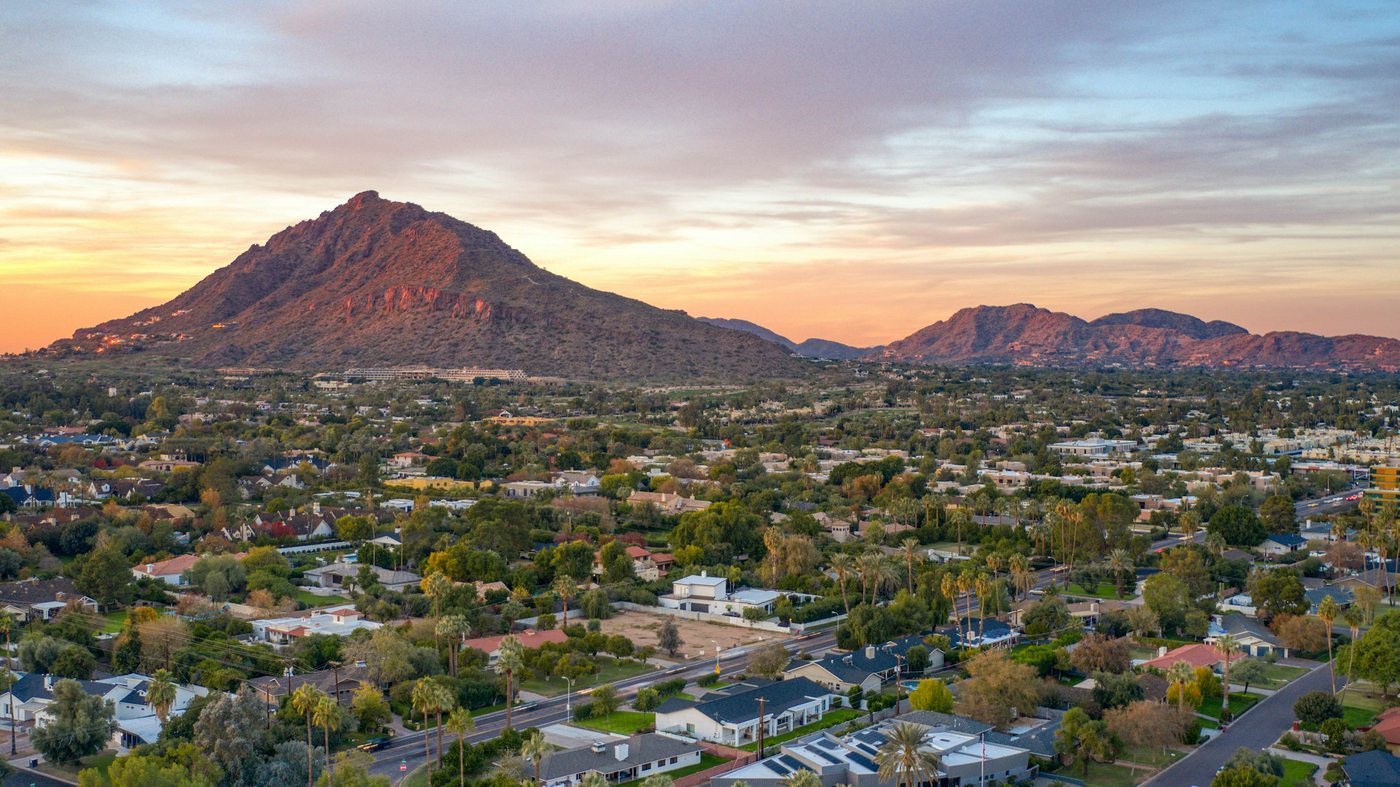
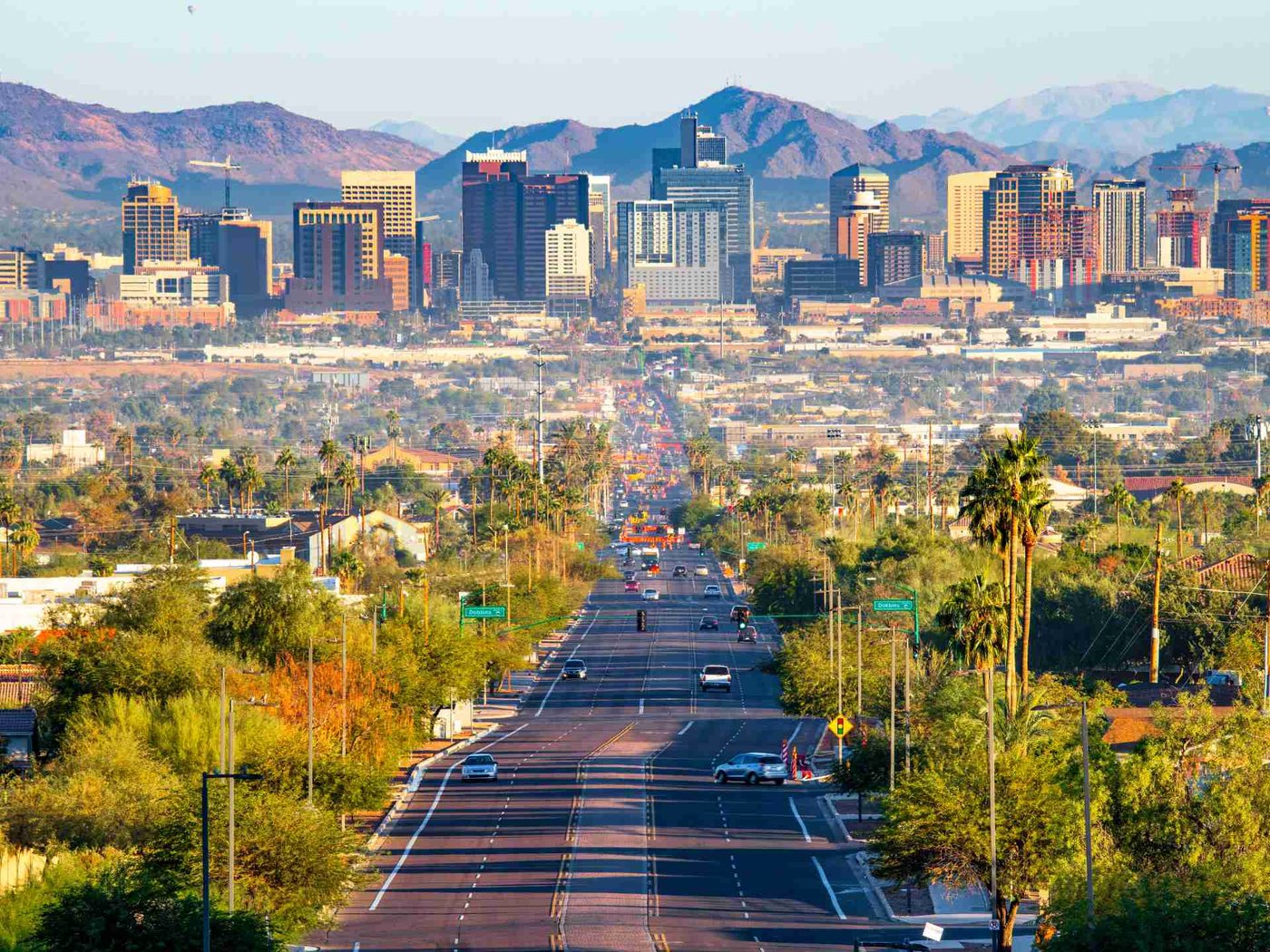
Phoenix at golden hour beneath Camelback Mountain. The same freeway access and explosive growth that built the Valley’s warehouse boom also made temporary cold storage a standing need across the metro.
The Cold-Storage Name the Country’s Biggest Brands Keep on Speed Dial
National chains don’t gamble on the cold-storage partner that holds their inventory. KryoFridge has supplied mobile refrigeration to brands like McDonald’s, Chick-fil-A, and Dutch Bros. Operations that vet a freezer-trailer company the same way they vet a food supplier, because a unit drifting two degrees out of spec is a recall conversation, not an inconvenience.
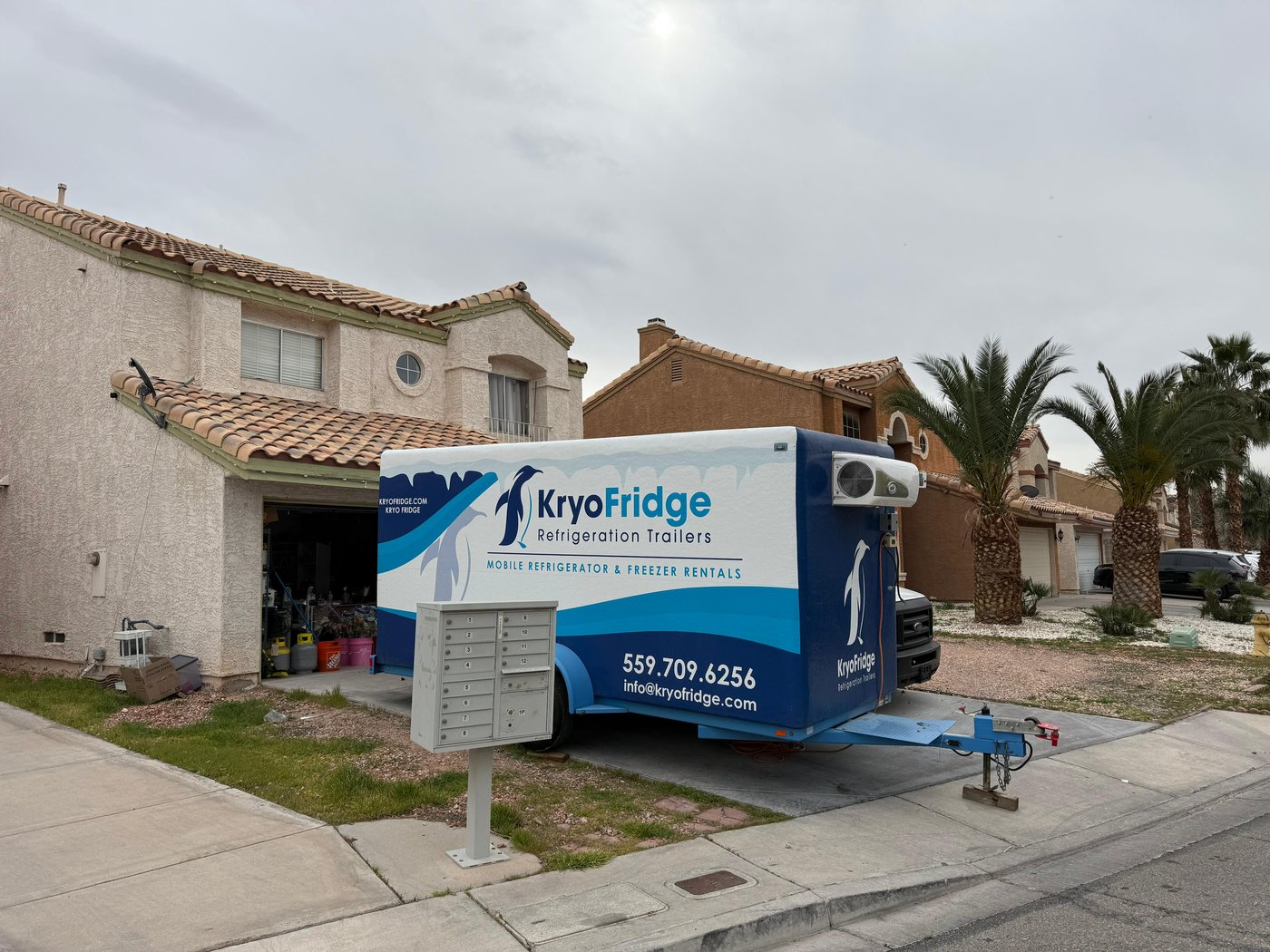

The stories behind that track record are the kind every Phoenix operator will recognize. A Chick-fil-A walk-in died mid-rush on a Friday evening, we had a freezer trailer on their lot and pulling temperature 34 minutes after the call. When a Denny’s lost its walk-in to an overnight power short going into Mother’s Day, one of the busiest shifts on their calendar, we positioned a three-trailer setup overnight and had everything cold before the first ticket printed. So when a Phoenix operator asks whether we can really scale on no notice, we point to that night. Whether you run a single taqueria near Roosevelt Row or a cold-distribution operation off the 101, the standard is identical: hit the set-point, hold it through a 115° afternoon, and pass a county inspection without a second look. We watched too many Phoenix kitchens lose a weekend’s product to a cooler that “was fine yesterday.” So we built the response around that exact moment.
Who Rents Cold Storage in Phoenix, and Why It’s Almost Never Planned
Cold-storage demand here rarely shows up on a calendar. It arrives as a dead compressor, a remodel, a recall, or a monsoon outage, and in Phoenix heat, the window to react is shorter than anywhere else. These are the calls we take most across the Valley, each paired with a real photo of the operation behind it.
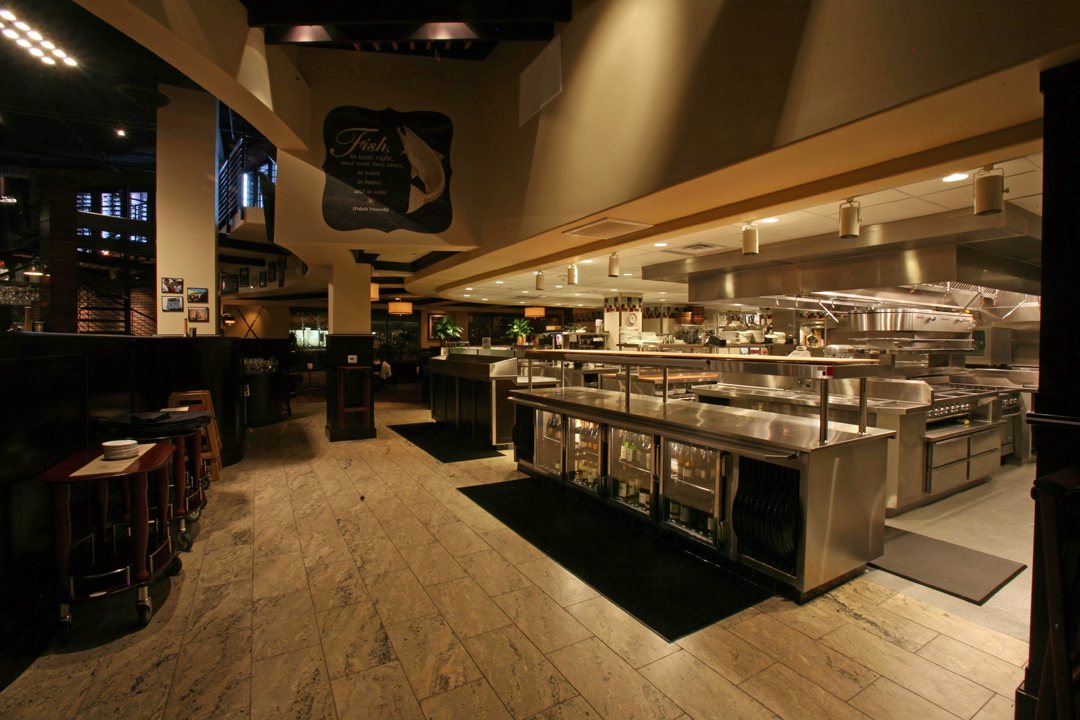
? Restaurants & Kitchens
Walk-in failures, kitchen remodels, and summer overflow across Downtown, Roosevelt Row, Old Town Scottsdale, and Mill Avenue in Tempe.
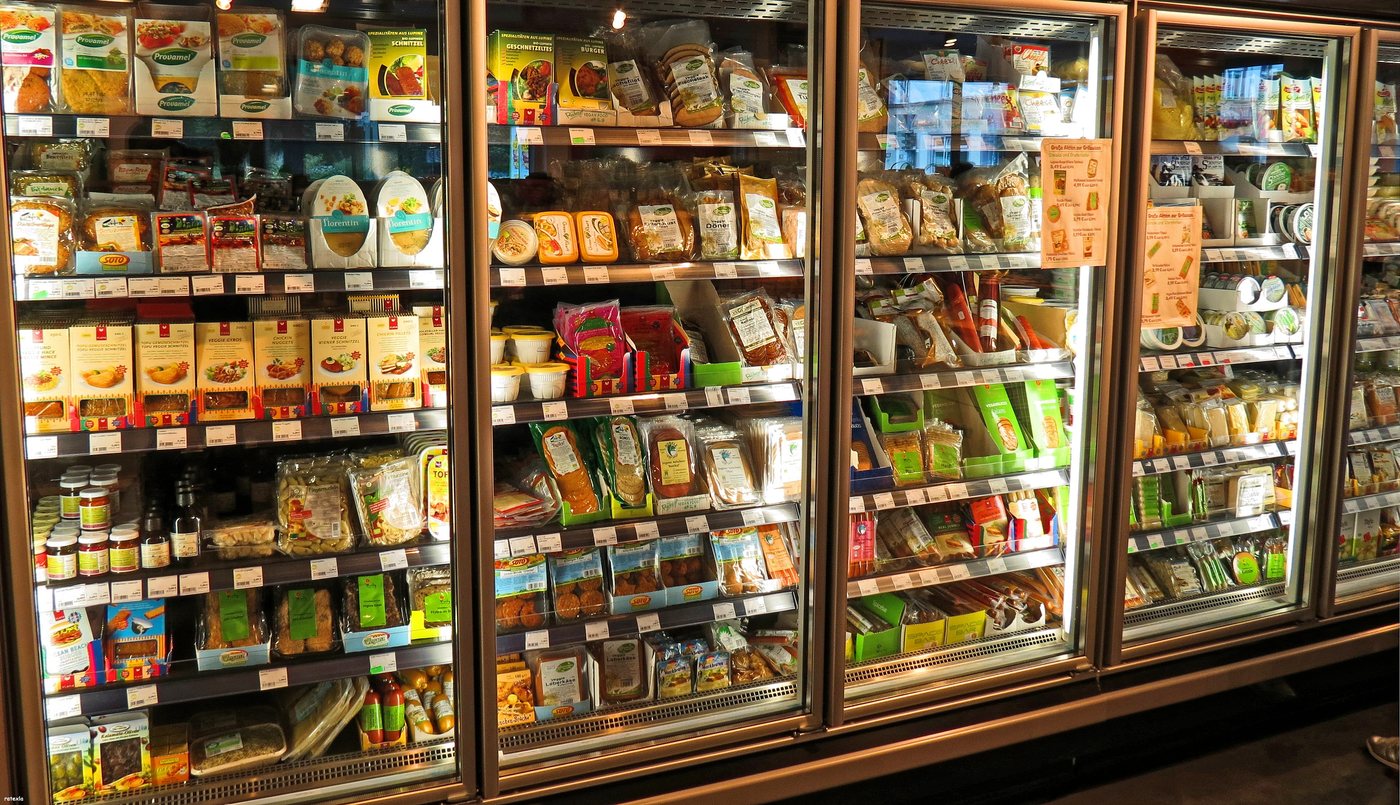
? Grocers & Markets
Backup capacity for Fry’s, Sprouts, Bashas’ and Food City stores during a case or compressor outage, a reset, or a holiday inventory build.

? Distribution & 3PL
Surge reefer capacity for the West Valley warehouse corridor off I-10 when a freezer zone fails or frozen volume outruns the racks.

? Events & Catering
On-site cold and freezer space for conventions, downtown festivals, resort weddings, and stadium-district events across the metro.
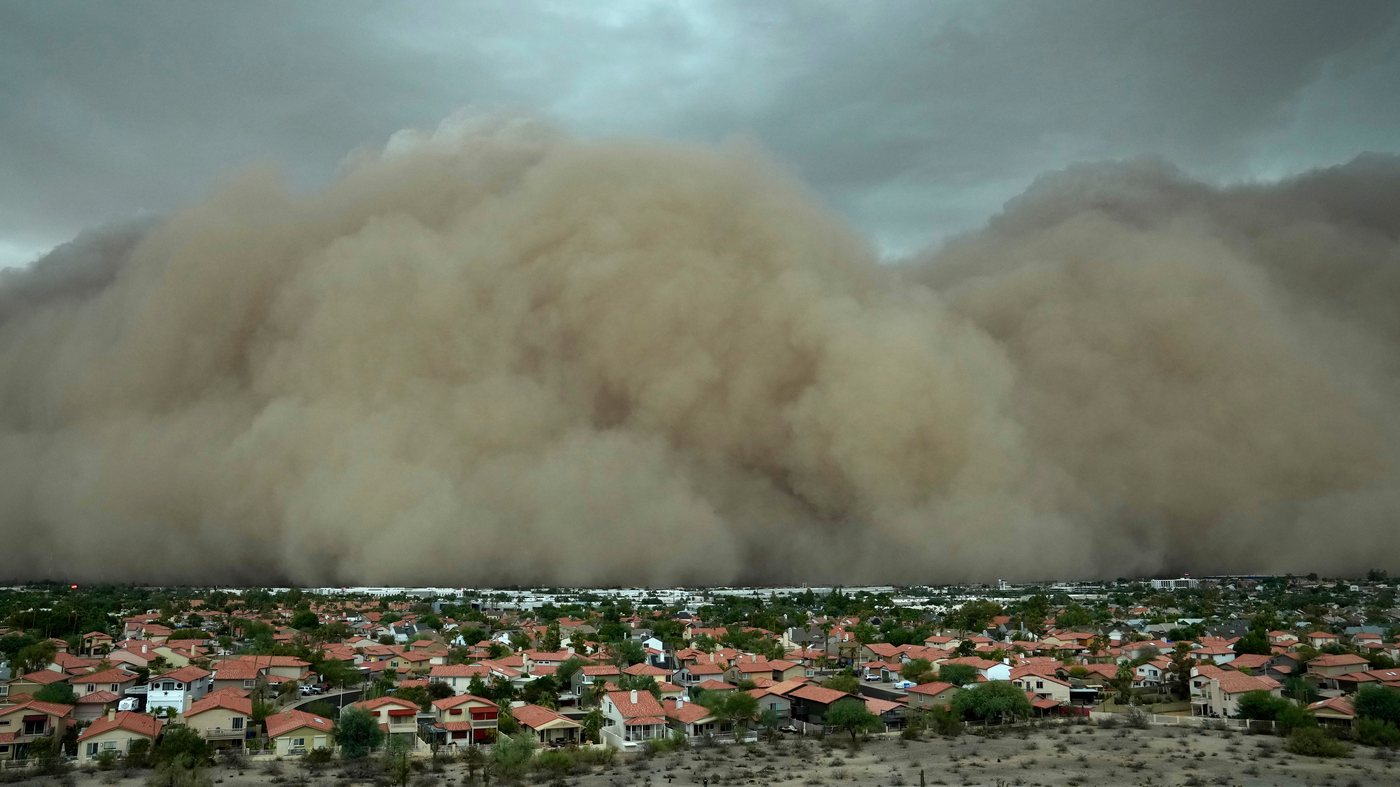
? Emergency & Monsoon
24/7 deployment for heat-driven equipment failures, monsoon and haboob power outages, recalls, and disaster-relief cold chain.
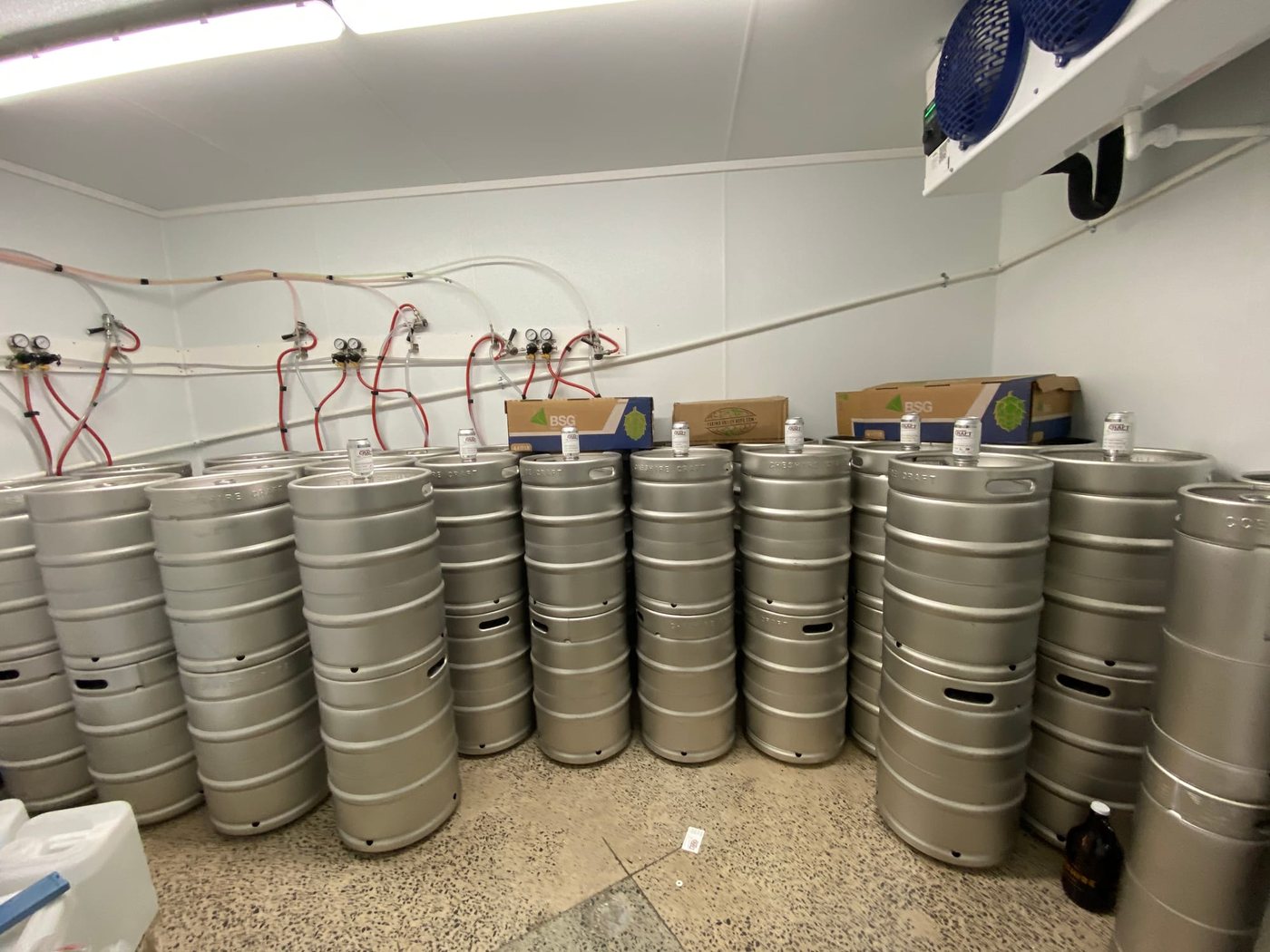
? Beverage & Production
Cold and freezer overflow for the Valley’s breweries, food producers, and beverage operations running through peak demand.
The thread running through all of it is timing. Nobody schedules a freezer trailer for a Tuesday three weeks out. They need it the hour a compressor dies, the day a remodel starts, or the night before a convention when the rented ice chests suddenly look comically small. Because our units are staged in the Valley, “can you be here today?” isn’t a long shot in Phoenix. It’s a routine Tuesday. “How soon can you get here?” is the first thing most callers ask, and on a normal day the honest answer is about 45 minutes.
Real KryoFridge Units, Working the Valley’s Toughest Jobs
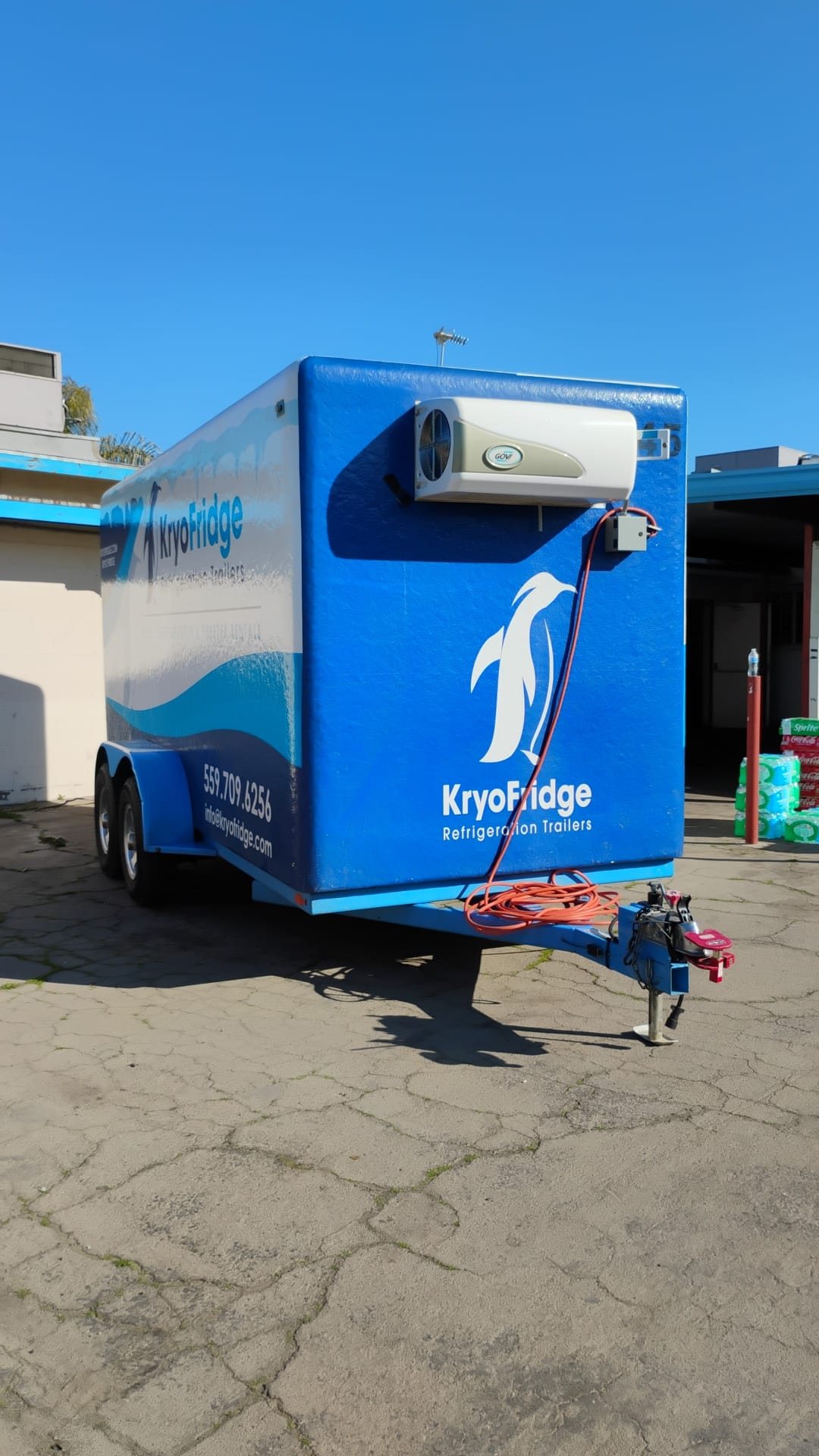
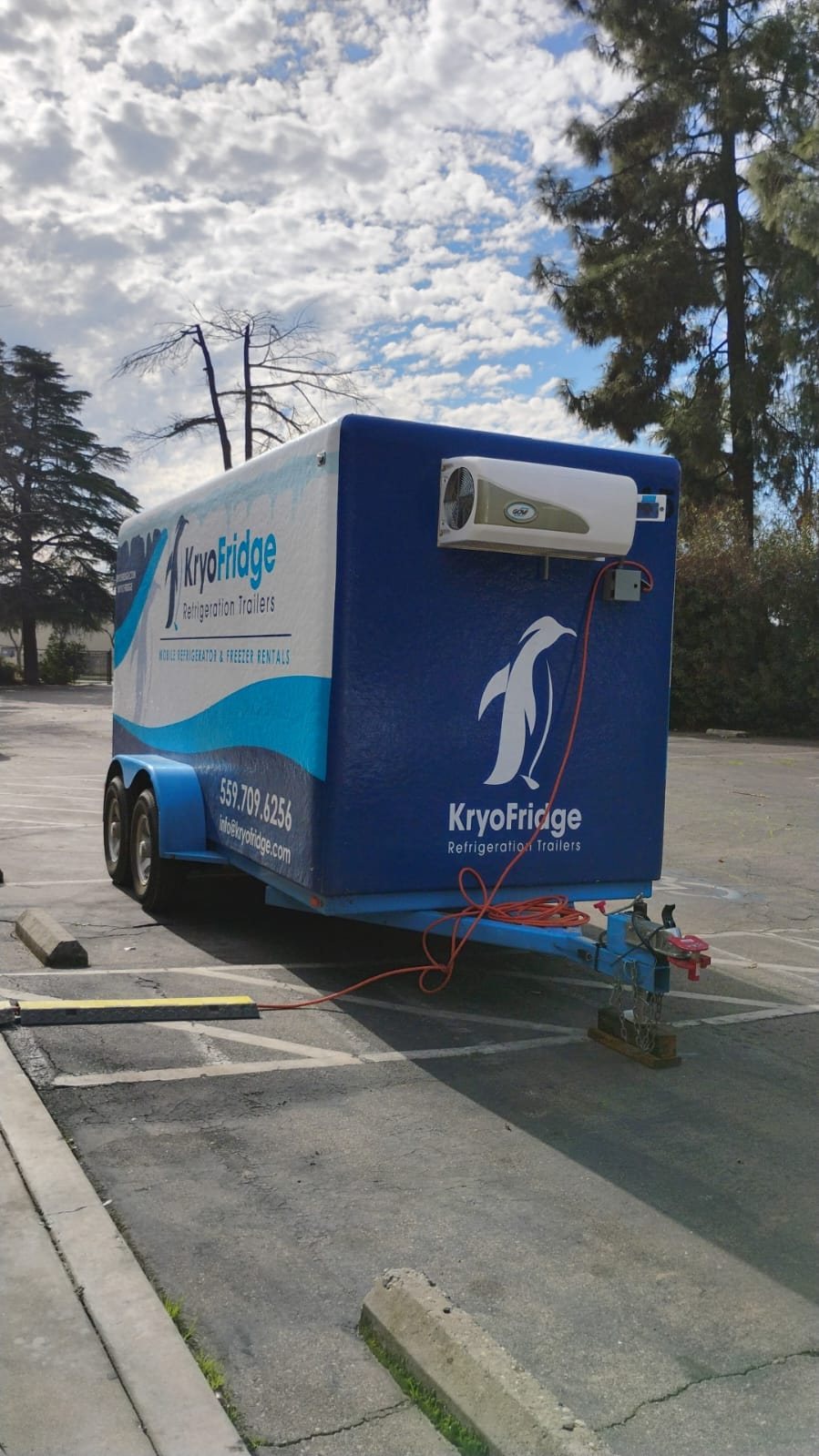
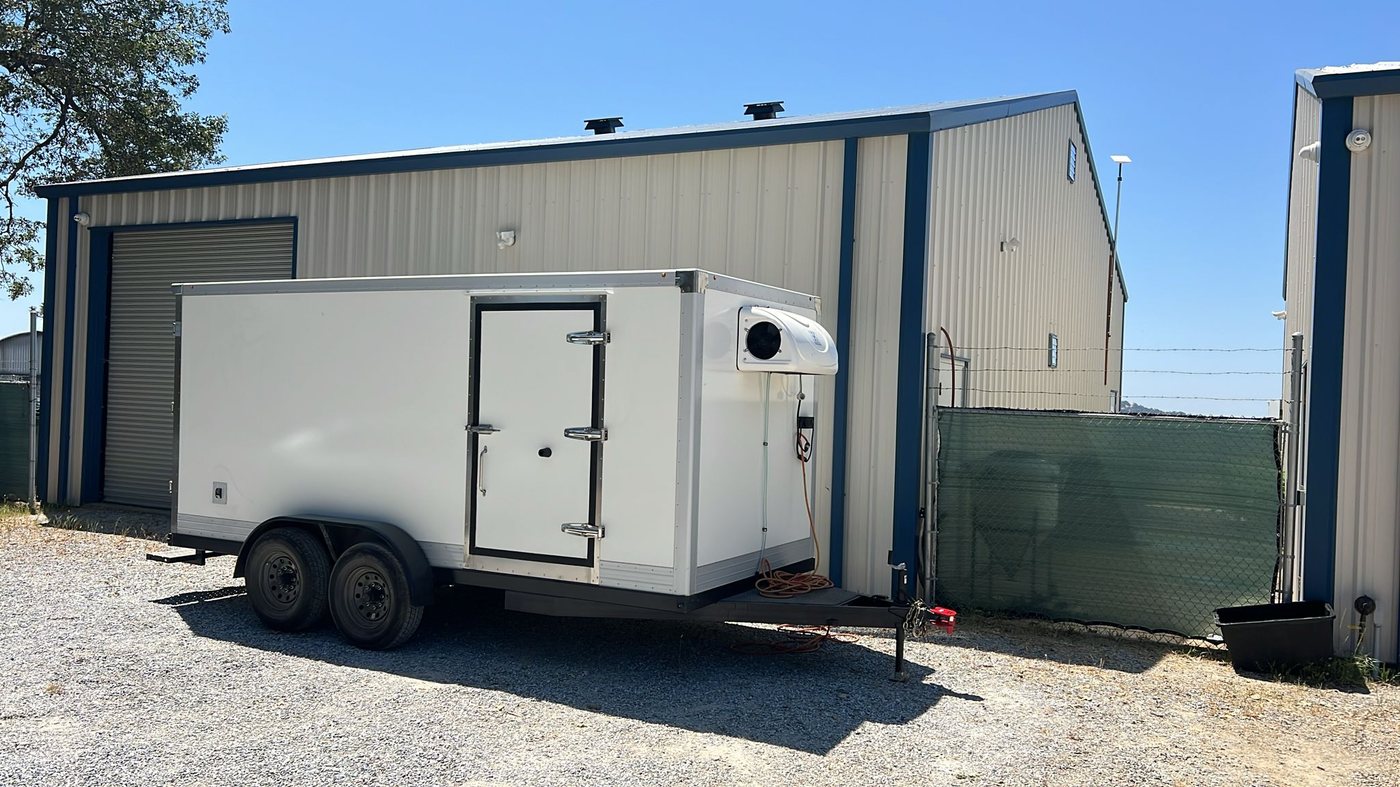
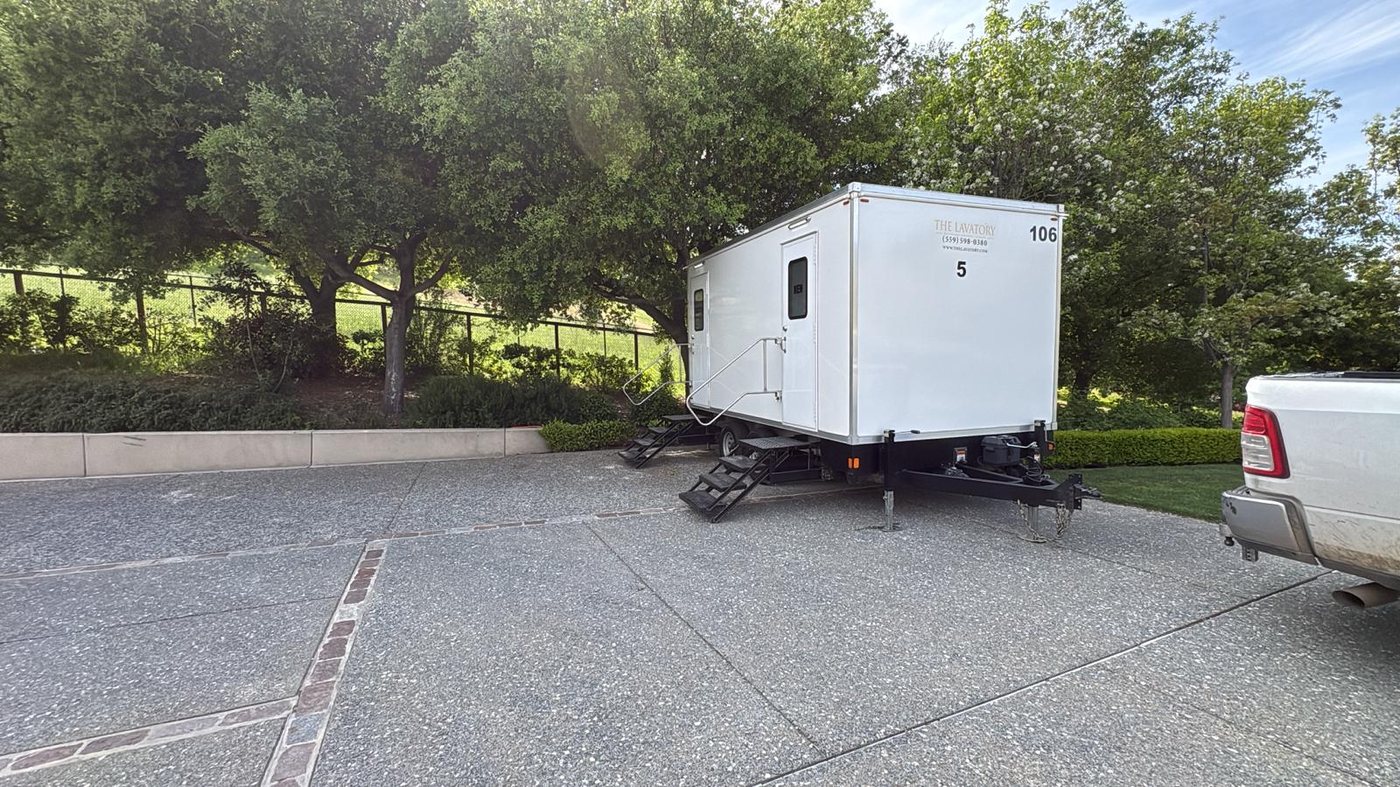
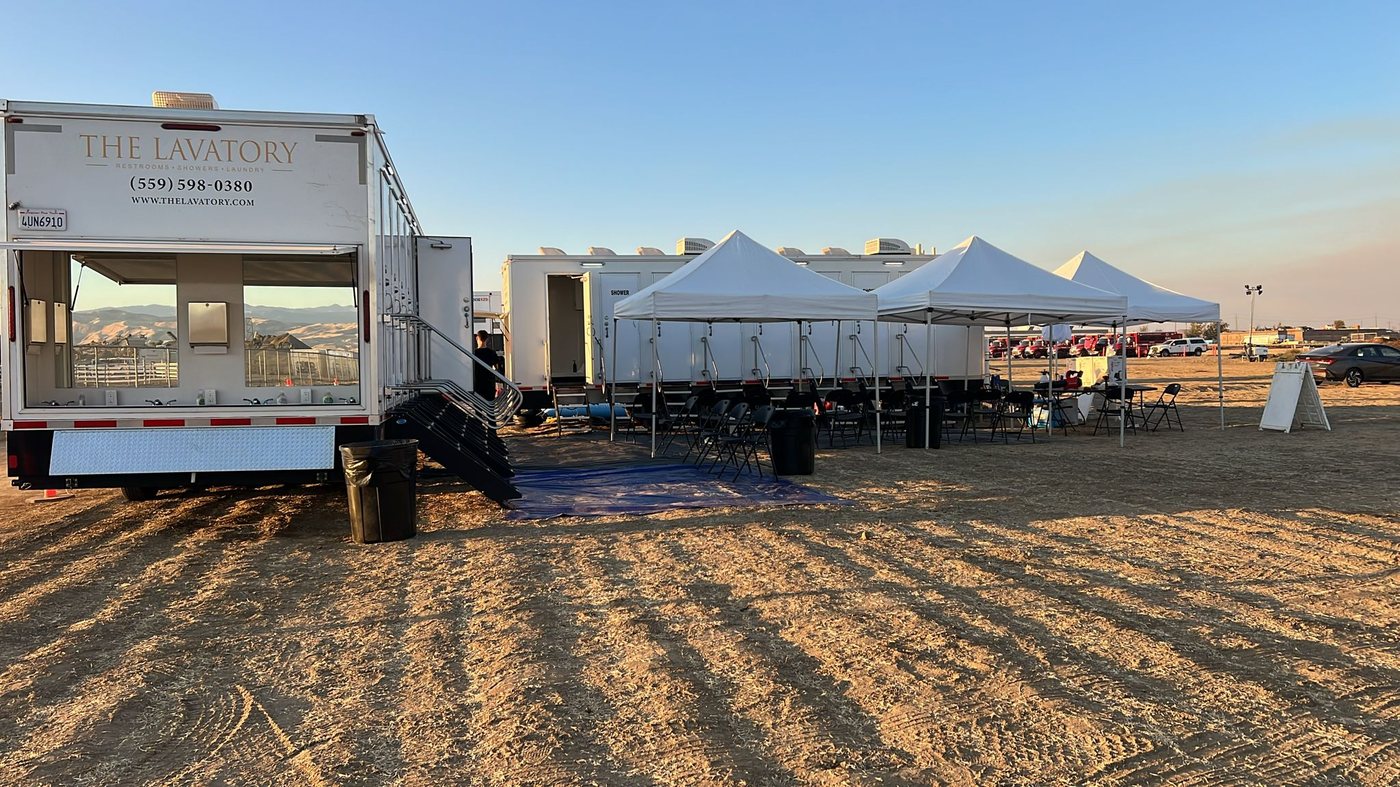
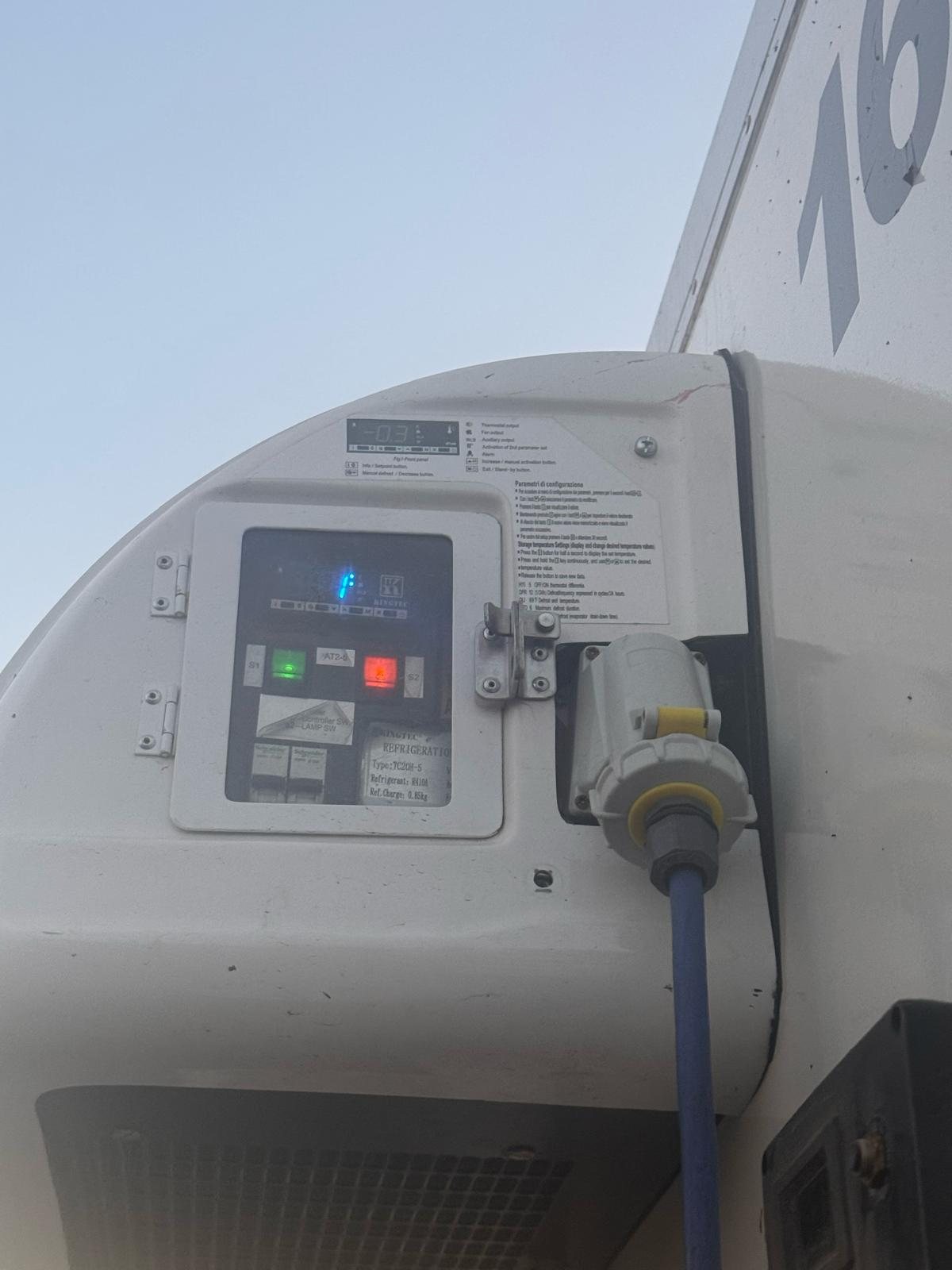
Actual trailers on actual deployments, warehouse docks, restaurant lots, event fields, and late-night emergencies across metro Phoenix.


Feeding the Southwest: Cold Capacity for Phoenix’s Distribution Machine
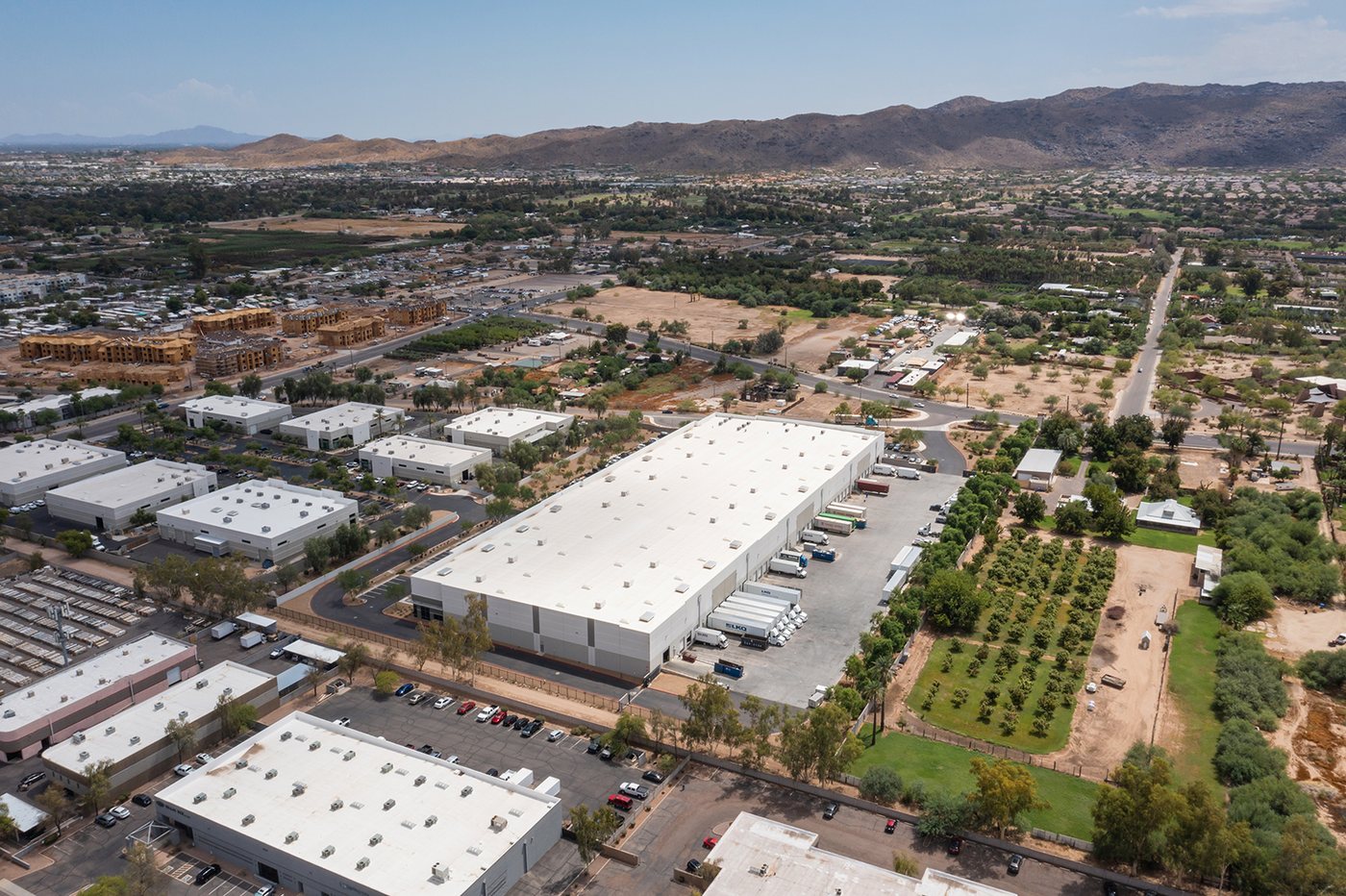
Phoenix has quietly become one of the most important cold-distribution hubs in the western United States. As the supply chain drifts east out of the operational crunch in Southern California, the warehouse corridor stretching across Tolleson, Goodyear, and Buckeye has filled with new construction. Including some of the first large-scale third-party cold-storage facilities the market has ever had, running tens of thousands of pallet positions of frozen and refrigerated capacity. When that volume spikes or a zone goes offline, the slack has to come from somewhere.
That somewhere is often a reefer trailer in the yard. We delivered a pair of 6×16s to a West Valley cold-distribution site last August when a freezer bay tripped overnight, and the crew kept loading outbound trucks without losing a single pallet. A distribution center that loses a freezer bay can stage frozen pallets in a 6×16 within the hour (often before the maintenance vendor has even returned the first call) instead of paying peak rates for outside truck space. A 3PL onboarding a new frozen account can add temporary capacity for a season without committing to a permanent buildout. And when a recall or a power event hits, a row of staged reefer trailers becomes drop-in cold-chain infrastructure that keeps product in-spec while the underlying problem gets solved.
The same exposure runs through the air-freight side. Phoenix Sky Harbor handles a steady flow of perishable cargo, and when a shipment lands faster than the cold space frees up, a temporary trailer bridges the gap. Because we own the fleet outright, we size the response to the job, a single unit for a corner operation, or a multi-trailer stage for a warehouse, and we get it there the same day rather than quoting a lead time you don’t have.
America’s Heat Capital: Where Refrigeration Goes to Fail
No climate in the country is harder on cold equipment than this one, and the numbers from recent summers make the point bluntly. Phoenix strung together 113 straight days of triple-digit highs in 2024 and crossed 110°F on 70 separate days. More than triple the long-term average, while the city blew past its old record for consecutive 100-degree days by more than a month. Even the nights stopped cooling off: dozens of evenings never dropped out of the 90s, denying every compressor in town the overnight break it’s designed to get.
That relentless load does two things at once. It pushes refrigeration toward failure, an aging walk-in that coped fine in March simply runs out of headroom in July and quits. We answered three of those calls in a single week one July, all the same story: a unit that “never gave us trouble” until the afternoon it did. But it shrinks your reaction window too, because at 116° ambient, frozen product climbs toward the danger zone fast the moment a unit goes dark. In Phoenix, a cold-storage failure isn’t a slow leak. It’s a clock. One Mesa grocery manager put it to us plainly: “In July, the second a case quits, I’m not losing product later. I’m losing it now.” And that is the whole reason a unit staged nearby beats one quoted three days out.
Our trailers are built for exactly this reality, not for a mild test bench. The reefer units carry extra condensing headroom so a 6×16 baking in an open Phoenix lot in August holds the same deep-freeze it would in a temperate warehouse. When you’re planning around the season, or scrambling to react to it. That engineered margin is the entire point of renting from an operator who knows this heat.
When the Monsoon Rolls In and the Grid Goes Dark
Summer in Phoenix brings a second threat that lands without much warning: the monsoon. From July into September, thunderstorms spin up haboobs, walls of dust thousands of feet tall that roll across the Valley ahead of the rain, and the straight-line winds behind them tear down lines and carports across the metro. A single monsoon night routinely drops tens of thousands of APS and SRP customers into the dark at once, often during the hottest stretch of the year, and grounds flights at Sky Harbor while it does. Every walk-in and reach-in on that grid goes down at the same moment.
This is the moment a trailer running on its own generator stops being a nicety and turns into core infrastructure. A business keeps its product frozen clean through an outage nobody can put a clock on. For an emergency-management or relief deployment, parking several reefer units becomes a rolling cold chain that holds meals, water, and medical supplies at temperature for shelters and field crews while crews upstream rebuild the lines. Once the grid itself is the casualty, the only refrigeration worth having is the kind that owes the grid nothing.
Owning the fleet and keeping a round-the-clock dispatch desk means we can react quickly and right-size the answer, a lone unit behind one storefront or a whole bank of them anchoring a relief effort. If you want the clearest argument for keeping a generator-fed trailer on standby in this Valley, the monsoon is it. We rolled out at midnight after a haboob knocked down a feeder line, and the unit never so much as flickered while half the block sat dark.
Sizing Your Phoenix Rental, Whether It’s a Corner Kitchen or a Fab-Camp Stage
A lineup of three sizes handles the lot, the modest single-unit overflow at one end and full-scale distribution or disaster cold storage at the other. Each trailer locks onto an exact digital set-point spanning deep-freeze through fresh-cold, and powers off a dedicated circuit or a generator.

| Trailer | Best for | Temp range |
|---|---|---|
| 6×8 | Tight Old-Town lots, small kitchens, short overflow | -10°F to 50°F |
| 6×12 | Grocers, caterers, mid-size events | Deep-freeze capable |
| 6×16 | Distribution, large events, disaster staging | Heavy-duty reefer |
Each unit holds a precise digital set-point and runs on a dedicated 120V/20A circuit or a generator.
6×8. The compact unit for tight lots and single kitchens
Figure around 8 pallet positions in a footprint trim enough to slip into the pinched service lots you find all over Downtown, Roosevelt Row, and Old Town Scottsdale, the kind of spots a full-size trailer simply can’t work into. It handles the bulk of single-kitchen emergencies and brief overflow windows. Running a corner eatery or a little market whose walk-in just died? This is the size to ask for, nine times out of ten.
6×12, the everyday workhorse for grocers and caterers
Roughly 14 pallet positions, deep-freeze rated, and the box that leaves our yard more than any other. It’s the natural fit for a grocery backup, a catered job stretching across several days, or a restaurant that needs genuine walk-in-equivalent room while it rides out a remodel. Roomy enough that nobody in the kitchen is hoarding shelf space, compact enough to settle into most commercial back lots without any drama.
6×16. Distribution surge, big events, and disaster staging
Call it 20 pallet positions paired with a heavy-duty reefer built to keep deep-freeze locked even as ambient heat spikes. Reach for this one to park frozen pallets after a warehouse zone drops out in the West Valley, to back a convention-center event, or to stand up a disaster-relief cold chain. Those broad docks and yards lining I-10 swallow a 6×16 and still leave elbow room.
Can’t tell which one is yours? Give us a rough idea of what’s going in and the length of the hold, and we’ll spec it for you. No nudging you toward a bigger box than the job calls for. We talked a Tempe caterer down to a 6×12 last spring when they’d called ready to book a 6×16. “You just saved me a pile of money,” they said, and that’s exactly the conversation we want to have.
What You’re Storing, and Where to Set the Dial
“Cold” is not a single number. Each category of food has its own safe holding window, which is the whole reason a precise digital dial earns its keep. Let a load slip out of its window on a Phoenix afternoon and you have lost it. Use the chart below the way our regulars do when they decide what to book.
| Product | Typical holding band | Trailer mode |
|---|---|---|
| Ice cream & Frozen desserts | -10°F to 0°F | Deep freeze |
| Frozen proteins, seafood, prepared meals | 0°F or below | Freezer |
| Fresh meat & Poultry (short hold) | 28°F to 32°F | Refrigerated |
| Dairy, deli, packaged produce | 34°F to 38°F | Refrigerated |
| Beverages, florals, catering platters | 38°F to 45°F | Refrigerated |
One figure outranks anything in that chart: 40°F. Cross it, and you’ve entered the band food-safety authorities label the “danger zone” (the stretch running 40–140°F), where bacteria on perishables breed at speed. Most refrigerated goods get written off once they’ve spent about four cumulative hours up there. So a walk-in that quits during a 116° Phoenix afternoon counts as a real emergency rather than something to monitor and hope on, and it’s precisely why we engineer our reefer units to drive a set-point down and lock it in under brutal ambient conditions instead of loafing along in some forgiving lab.
Give us a ring and name the coldest item on your inventory list. We’ll dial the trailer to that. One unit covers a pure freezer load without help. When your run blends deep-freeze goods with fresh-cold ones for a wedding or a build-out, our usual advice is a divided setup or a second box, because nothing should have to split the difference on its temperature.
Powering and Placing a Trailer on a Phoenix Site
To run, any KryoFridge trailer asks for one of two power sources and nothing else: a dedicated 120-volt, 20-amp circuit within about 100 feet of the parking spot, or a generator. These units will not operate off standard 208–240V building power, which is why a half-minute confirmation ahead of time stops the truck from showing up somewhere it cannot plug in.
- Got a dedicated outlet close at hand? The typical Phoenix restaurant or market already does. We connect, and the box gets to work driving toward set-point.
- Working an open yard, an event lawn, or a fab camp? A generator lets the trailer operate wherever you put it, be that a downtown event field or a warehouse yard out in the West Valley.
- Nervous about losing power? APS and SRP supply the Valley, and every summer monsoon winds rip the grid down somewhere across the metro. Pair the trailer with a generator and your cold chain holds even after the power feeding your building quits.
Now the placement side. What a trailer wants is a fairly flat patch with enough room for the delivery truck to set and square it away, along with either a power tie-in or space for a generator. We pin down the precise drop location before that truck pulls off the lot. Our drivers have the Valley memorized too, the cramped service alleys of the older core and the sprawling industrial yards off the 101 and the 10 both. One we tucked into a Roosevelt Row alley last fall had already been refused by two other outfits. Bottom line, wedging the unit in is generally our headache to handle, not something you need to lose sleep over.
Cold Storage for Phoenix Events, Conventions & Resort Weddings
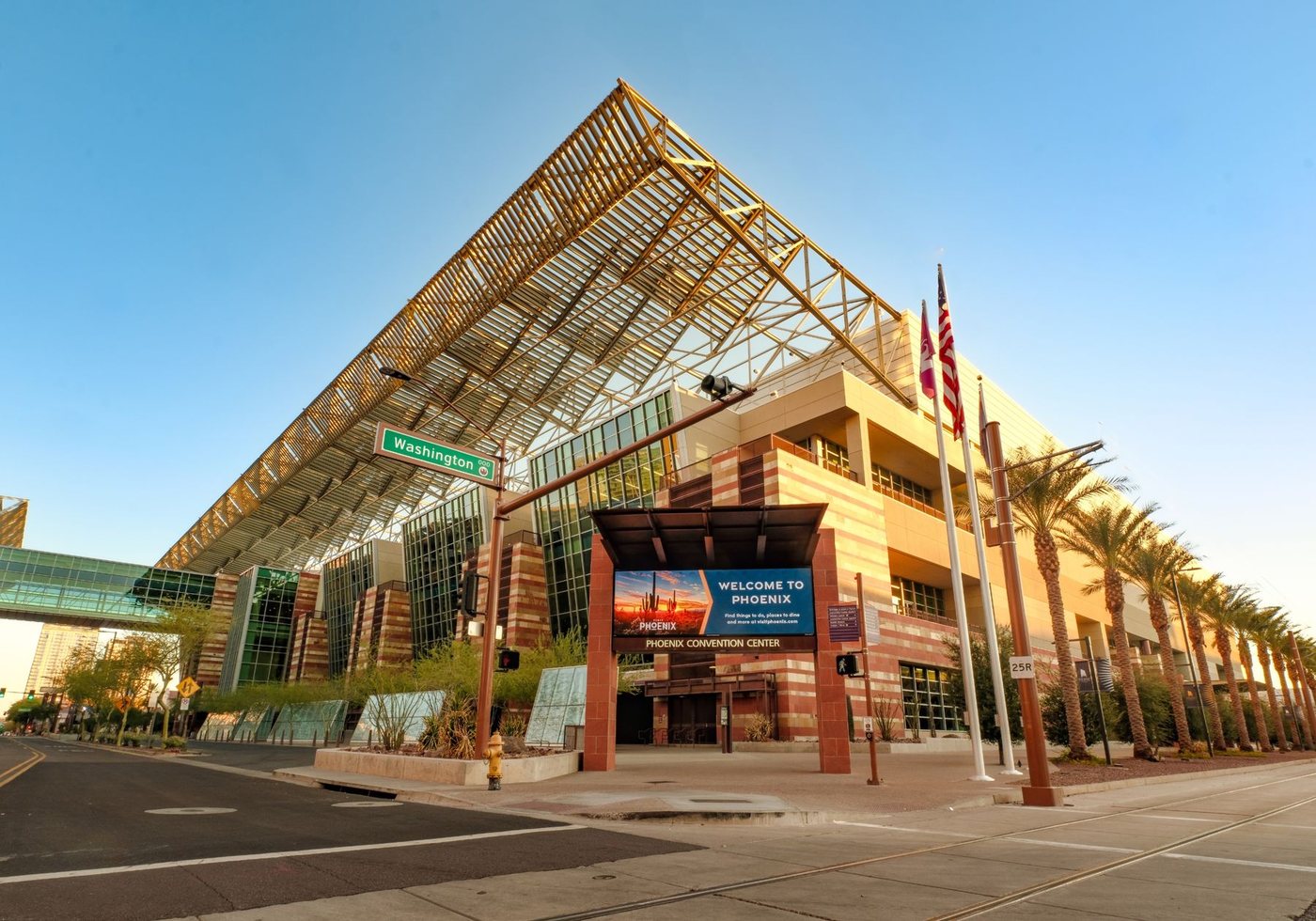
The Phoenix event calendar is massive, and refrigeration is the detail nobody thinks about until the afternoon it bites them. Downtown stays packed fall into spring, with conventions and trade shows loading into the Phoenix Convention Center, title weekends and concerts lighting up PHX Arena, festivals such as M3F over at Steele Indian School Park, and a constant rhythm of resort weddings and corporate galas dotting Scottsdale and the East Valley. Whether it’s a caterer plating for several hundred, a vendor row cooking under the sun, or a tented wedding at 105°, every one of them depends on dependable cold and freezer room that no pile of ice chests can deliver once the temperature climbs.
Park a KryoFridge trailer on site and an event crew suddenly has a walk-in’s worth of room, keeping whatever the menu demands (frozen desserts, fresh produce, beverages, plated proteins) parked at a steady set-point right through a triple-digit Phoenix afternoon. The unit runs quiet enough to sit beside a guest zone, locks up for shows spanning several days, and gives the kitchen enough room that nobody’s portioning out space mid-service. We set one behind a downtown convention kitchen for a three-day trade show this past spring, and afterward the catering lead said it was the first event in years where no one got stuck making a 2 a.m. ice run.
Planning the full setup? Round out the site with water station rentals in Phoenix to keep crews and guests hydrated through the heat and restroom trailer rentals in Phoenix for guest comfort. One call can cover the whole footprint. (cross-brand links, auto-wired into the wheel on publish)
Maricopa County Food Permits and Temporary Facilities
Plan to serve food at a public Phoenix event and your cold chain stops being purely an operations matter, it becomes a paperwork one too. Get a handle on the Maricopa County rules before the gates swing open, and your booth won’t get tagged the day of.
Any vendor working with open, temperature-controlled food at an event around Phoenix will, as a rule, need a Temporary Food Establishment permit issued by Maricopa County Environmental Services, the exception being a standing annual permit that already accounts for what they’re doing. On top of that, the county wants a Certified Food Protection Manager present while service is running, expects each food handler to carry a Food Handler’s Certificate, and requires the permit certificate to be posted somewhere it can plainly be seen. Lack that certificate on site and a booth can be closed. Booths also have to put up overhead cover, use surfaces that wipe down clean, and set up approved hand-wash and potable-water stations.
This is the spot where a freezer trailer earns its place. To be permit-ready, a food operation has to prove it can keep cold and frozen goods at a safe, documented temperature for as long as the event lasts, which is no small ask in Phoenix heat. An NSF-approved trailer running a digital set-point is the piece that keeps product in-spec across the whole event (load-in, service, teardown alike), and it’s exactly the grade of gear an inspector looks for behind any serious operation. The food-safe, temperature-holding trailer is on us. Filing the permit application with the county falls to you, and we’re happy to hand over the unit’s specs so you’ve got them when you do. And we have emailed those spec sheets to more than one organizer the morning an inspector asked for them.
Phoenix Cold Storage, Everything Else Worth Knowing
Here are the things people wonder about after the obvious stuff is sorted out. Tap whichever topic you want to open.
Freezer trailer vs. portable walk-in vs. reefer truck. Which one do you actually need?
Portable walk-in cooler: small and inexpensive, sure, but at heart it’s a cooler rather than a freezer, and it depends completely on your building’s power plus a steady ambient temperature. Through a Phoenix summer an undersized walk-in is constantly losing the fight to hold deep-freeze, and the moment the building drops power, the cooler goes right along with it.
Reefer (refrigerated) truck: engineered to haul product down the highway, not to park and hold it. Idling eats fuel, the noise is rough for a storefront or an event, and you’ve tied up a tractor and driver you might have no use for. Workable as a stopgap, but pricey and clumsy for stationary storage measured in days or weeks.
Freezer trailer (our rental): purpose-built to be set in place and hold its temperature across days or weeks at a stretch, deep-freeze rated, NSF-approved, quiet, lockable, and run off a plain dedicated circuit or a generator. It holds more than a walk-in, costs and complicates a fraction of what a truck does, and it’s built to guard its set-point in exactly the heat that takes down the other two.
NSF construction and Maricopa County health-code compliance
Even temporary cold storage stays accountable to Maricopa County Environmental Services, the body that permits and inspects Phoenix food facilities. Let an inspector turn up a unit that can’t hold a documented temperature, or one not constructed for food contact, and service can be halted in short order.
Each unit in our fleet holds NSF approval, with food-contact interior surfaces, genuine drainage, and a digital readout that puts the holding temperature in front of you at a glance. A straight answer worth stating: we furnish the food-safe, temperature-holding equipment, and we do not sell third-party temperature-logging or alarm-monitoring services, so if continuous logging is part of your program, line that piece up on your own.
The real cost of a cold-storage failure in Phoenix heat
Work the numbers the way someone running a Valley operation would. One restaurant walk-in can be sitting on thousands of dollars in frozen and refrigerated stock. A grocery case run or a warehouse freezer zone holds a great deal more. Drop a compressor or lose power on a 116° afternoon and that inventory is on the edge inside a few hours. Stack on the revenue gone while a line sits dark and the labor frenzy to rescue whatever you can. Here the clock ticks quicker than just about anywhere else in the country.
Weigh a staged freezer trailer against that exposure and it pencils out as protection for the business: a steady, known cost posted in front of a loss that has no ceiling. That’s the reason the businesses that have been stung once keep our number handy, and the next time, they’re calling before anything’s gone warm. We rolled out to a Glendale grocer two separate times one summer, and the second call came in cool and collected, hours ahead of a failure they’d already spotted coming. “We learned our lesson the first time,” is how the manager put it.
When Phoenix demand peaks, and why booking ahead pays off
The demand pattern here is seasonal and, taken as a whole, foreseeable, even though no single emergency announces itself. Brutal heat triggers equipment failures May through October, while monsoon outages cluster in July and August. Conventions and events from fall into spring fuel the planned bookings, and the winter holidays drive grocery and restaurant overflow. When the need is one you can see coming (a remodel, a date on the calendar, a seasonal inventory build), reserving early holds the size you’re after. For everything you can’t see coming, our round-the-clock Valley staging is there to catch you.
Multi-trailer and scalable setups for warehouses and large events
A single trailer takes care of most kitchens and markets. Distribution centers, big conventions, and disaster response frequently call for more, and since the fleet is ours, we can group several units on one job and bring them online in waves as it grows. That Mother’s Day three-trailer deployment from earlier is the template: match the cold capacity to the operation rather than making the operation make do with one box.
Short-term emergency vs. long-term and contract storage
A rental might last a handful of days for an emergency or an event, or stretch into weeks and months for a remodel or seasonal overflow, and longer still under a contract for outfits that want standby capacity sitting ready. Tell us the term and you’ll get a clean quote. Nobody’s penalized for an honest “not sure how long yet,” and there’s no broker markup tucked somewhere in the middle of the deal.
Renting vs. building permanent cold storage, when each wins
Putting in a permanent walk-in is a capital build: you’re hiring a refrigeration contractor, doing electrical work, pulling a building permit, and waiting weeks before it chills its first pallet, and it only earns back the spend when the need is permanent and unbroken. Plenty of Phoenix demand isn’t. A summer overflow, a gap during a remodel, a seasonal build, a one-time convention, or a downed unit you’re stuck waiting on parts for are every one of them temporary, and erecting permanent capacity to fix a temporary problem is the slow and costly route there.
Renting turns that equation around. You bring in precisely the cold capacity called for, kept exactly as long as the job runs, skipping construction and permit timelines entirely. The trailer shows up and holds temperature inside the week, frequently inside the day, and the second the need wraps, the commitment wraps with it.
How a trailer holds deep-freeze when it’s 115° outside
Three pieces pull it off in concert. Start with the box: thick insulated panels and sealed, gasketed doors that shut ambient heat out and keep cold air in, so the unit isn’t battling the Phoenix sun through flimsy walls. Next comes the refrigeration: a self-contained reefer condensing system spec’d with enough headroom to keep stripping heat away at 115° ambient rather than maxing out the way an undersized cooler will. Last is a digital controller that holds the set-point you picked and cycles the compressor to defend it.
Stack those together and you see why a trailer sitting in an open Phoenix lot come August acts like one in a temperate warehouse: the whole system is built around the worst-case ambient, not the average one. It’s also the reason we raise the power question early, since the unit can only keep that margin while it’s drawing steady power off a dedicated circuit or a generator.
How Renting a Freezer Trailer in Phoenix Works
When you’re having the worst day of the week, the booking part ought to be easy. Four steps, pricing with no games, and one person carrying the job start to finish.
1 · Tell us what you’re storing
Is it frozen or refrigerated, about what volume, and over what stretch of time? That quick summary is everything we need to steer you to the correct size.
2 · We confirm size, power & drop spot
We pair you with the right trailer, verify whether you’ve got a dedicated circuit or need a generator, and lock down where it goes so the delivery is a single tidy run.
3 · Valley delivery & setup
Delivery happens across metro Phoenix on whatever schedule you set, same-day when it’s an emergency. We spot the unit, get it powered, and let it draw down to set-point.
4 · You store, we stay reachable
Your unit holds temperature through the rental term while our line stays open start to finish. The moment you’re finished, we come collect it.
Where We Deliver Cold Storage Across Metro Phoenix
Our Valley yard means fast response across every part of the metro, from Downtown, Midtown, and the Camelback Corridor to Arcadia, Ahwatukee, Desert Ridge, North Phoenix, and South Mountain. Plus the warehouse and event corridors along I-10, the Loop 101, and the Loop 202.
We also cover the surrounding Valley cities: Tempe, Mesa, Scottsdale, Chandler, Gilbert, Glendale, Peoria, Avondale & Goodyear, Surprise, and west toward Buckeye. If you’re anywhere on the I-10, the 101, or the 202, we can reach you, usually same-week, and in about 45 minutes when it’s an emergency.
Why Phoenix Businesses Keep Calling Us
“Our walk-in died on a 114° Saturday during the lunch rush. KryoFridge had a freezer trailer in our lot and pulling temp within the hour, saved the entire weekend’s product. They actually answered the phone, which is more than I can say for the last place.”
Restaurant owner · Downtown Phoenix“Booked a 6×16 for a three-day convention downtown. Clean unit, held set-point in the heat, crew on time and easy to work with. We’ll book them for the next show without thinking twice.”
Event coordinator · Phoenix Convention Center area“We run a cold-distribution operation out near the 10 and lost a freezer bay overnight. They staged two reefer trailers the same day and kept us in spec while we got the zone back. Exactly the response we needed.”
Operations manager · West Valley“Monsoon knocked our power out for most of a day and the generator-powered trailer they dropped didn’t blink. Straightforward pricing, no broker runaround, real people on the line at night.”
Grocery manager · Mesa, AZSample reviews written to mirror real Phoenix jobs. We’ll replace these with verified Google reviews ahead of launch.
Phoenix Freezer & Refrigeration Trailer Rental FAQ
How fast can you deliver a freezer trailer in Phoenix?
Planned rentals usually land on a same-week schedule. When it’s an emergency, say a walk-in that’s quit or a monsoon outage, our nearby Valley staging puts 24/7 dispatch across most of the metro in roughly 45 minutes, with a unit drawing down to temperature soon after it arrives.
Do the trailers really hold temperature in Phoenix summer heat?
They do. Each reefer unit is built with spare condensing headroom, which is how it drives a digital set-point down and keeps it there, anywhere along deep-freeze near -10°F to fresh-cold 50°F, even with the outside air sitting past 115°F. This isn’t a number that only holds up in some gentle test room.
What does the trailer plug into at my site?
Either a dedicated 120V, 20-amp circuit sitting within about 100 feet of the trailer’s spot, or a generator. Since these units won’t operate on 208–240V building power, we verify your setup ahead of delivery. And when a monsoon knocks the grid out, a generator-powered unit just keeps going.
Is every unit NSF-approved and fully insured?
It is. Each trailer carries NSF approval for food storage, complete with food-safe surfaces and drainage, and every rental comes fully licensed and insured.
What rental lengths do you offer in Phoenix?
However long you need it. That might be a few days for an emergency or event, weeks or months covering a remodel or seasonal overflow, or longer yet on a contract basis. We’ll quote whatever term suits the job.
Which Phoenix-area cities do you serve?
Phoenix itself, along with Tempe, Mesa, Scottsdale, Chandler, Gilbert, Glendale, Peoria, Avondale, Goodyear, Surprise, plus the warehouse corridors running toward Buckeye and the West Valley. Anywhere close to I-10, the 101, or the 202, we can get to you.
Am I dealing with a broker or the company that owns the trailers?
You’re dealing with the direct operator. The fleet is ours to own, maintain, and deliver, which means no markups, no middleman, and a single accountable contact riding with you across the whole rental, quote straight through pickup.
Cold Storage Going Sideways in Phoenix? Call Now.
Pull a quick, no-runaround quote, or hit our round-the-clock line for emergency cold storage anywhere the Valley of the Sun stretches.