

Tucson Freezer Trailer Rentals: Cold Storage Built for Old Pueblo Heat
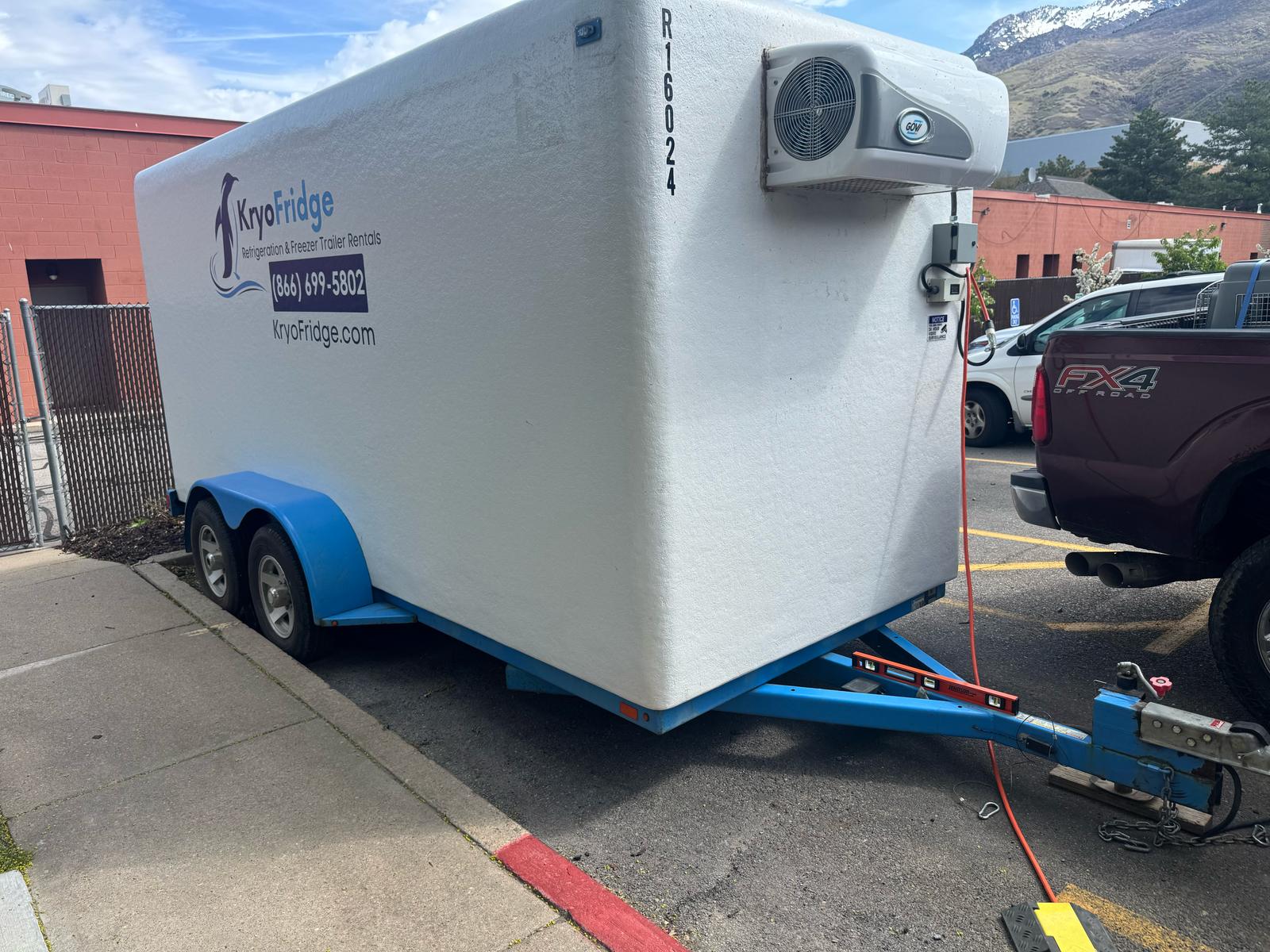
NSF-approved freezer and refrigerated trailers, staged for Tucson and dropped where you need them, for taquerias and James-Beard kitchens, grocers, the Gem Show crowd, Davis-Monthan contractors, and the festivals that fill a Sonoran summer. We own the largest dual-purpose freezer and reefer fleet in the West, we run a real 24/7 line, and when a walk-in quits at 5 p.m. on a 106° afternoon we have a trailer holding your product in about 45 minutes, not next week.
Tucson’s Go-To Name for Freezer Trailer Rentals
Cold storage in the desert is not the same job it is anywhere else, and Tucson businesses figure that out fast. A reefer that holds spec in a mild test room can fall behind when it is parked on black asphalt at 2,600 feet under a July sun, and the four-hour clock the health code gives you on a failed walk-in runs a lot quicker when the ambient air is already past 100°. We have spent years pulling temperature in exactly these conditions, and that experience is the whole reason a Tucson kitchen, grocer, or event team calls us instead of an out-of-town broker who has never sweated through a monsoon afternoon here.
The difference shows up the moment you pick up the phone. We are the direct operator, not a middleman. The person who answers owns, services, and dispatches the trailer. You are not left waiting on a reseller to “check with their supplier” while your inventory warms. You are talking to the people who keep units staged for the Old Pueblo and know the run from our local yard to your lot down to the minute. And that is why “I need it today” is a normal request here, not a long shot.
The Old Pueblo, Up Close: Why a Desert City Lives on Cold Storage
Tucson is a city of roughly 545,000 in a metro of more than a million, tucked in a valley ringed by five mountain ranges at the highest elevation of any major Arizona city. It is older than the United States, proudly Sonoran, and it runs on three engines that each, in their own way, depend on holding temperature.
The first engine is the University of Arizona, with about 28,000 students and standing as the metro’s second-largest employer at over 10,000 staff, anchors a campus food economy, a research-park corridor, and a calendar of game days and move-in weeks that spike demand on every kitchen and caterer near Speedway and Campbell. The second is defense and aerospace: Davis-Monthan Air Force Base and the Raytheon (RTX) missile campus together employ tens of thousands, feeding a dense ring of contractor cafeterias, mess operations, and supplier facilities on the city’s south and east sides.
The third engine is the one Tucson is most famous for among people who have eaten here. In 2015 UNESCO named it the first City of Gastronomy in the United States, a recognition of 5,000 years of continuous agriculture and a food culture where two-thirds of its 1,200-plus restaurants are locally owned. From El Charro, the country’s oldest family-run Mexican restaurant, to the Sonoran-dog carts that James Beard has honored, Tucson eats in a way that lives or dies on a reliable cold chain.
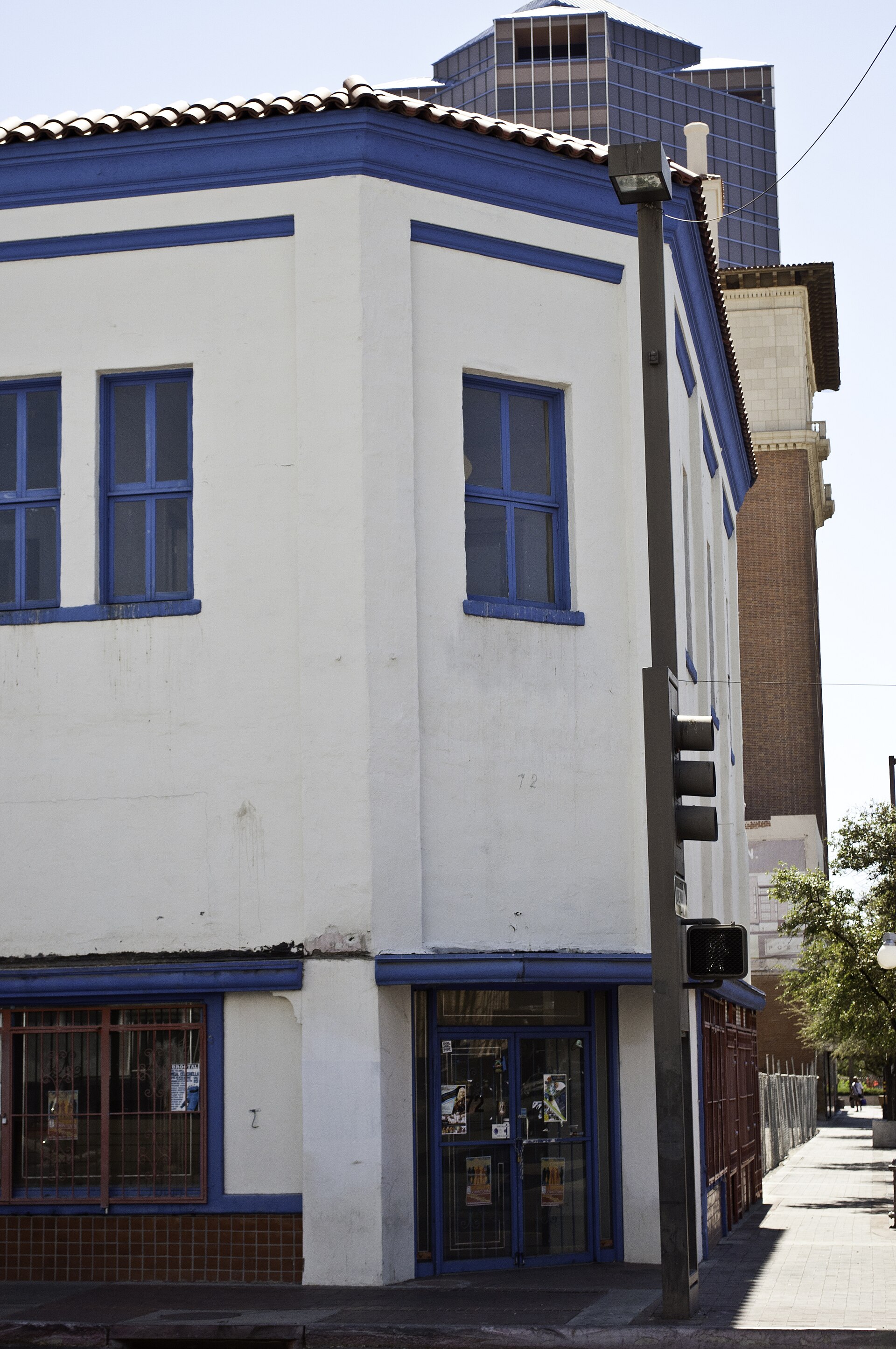
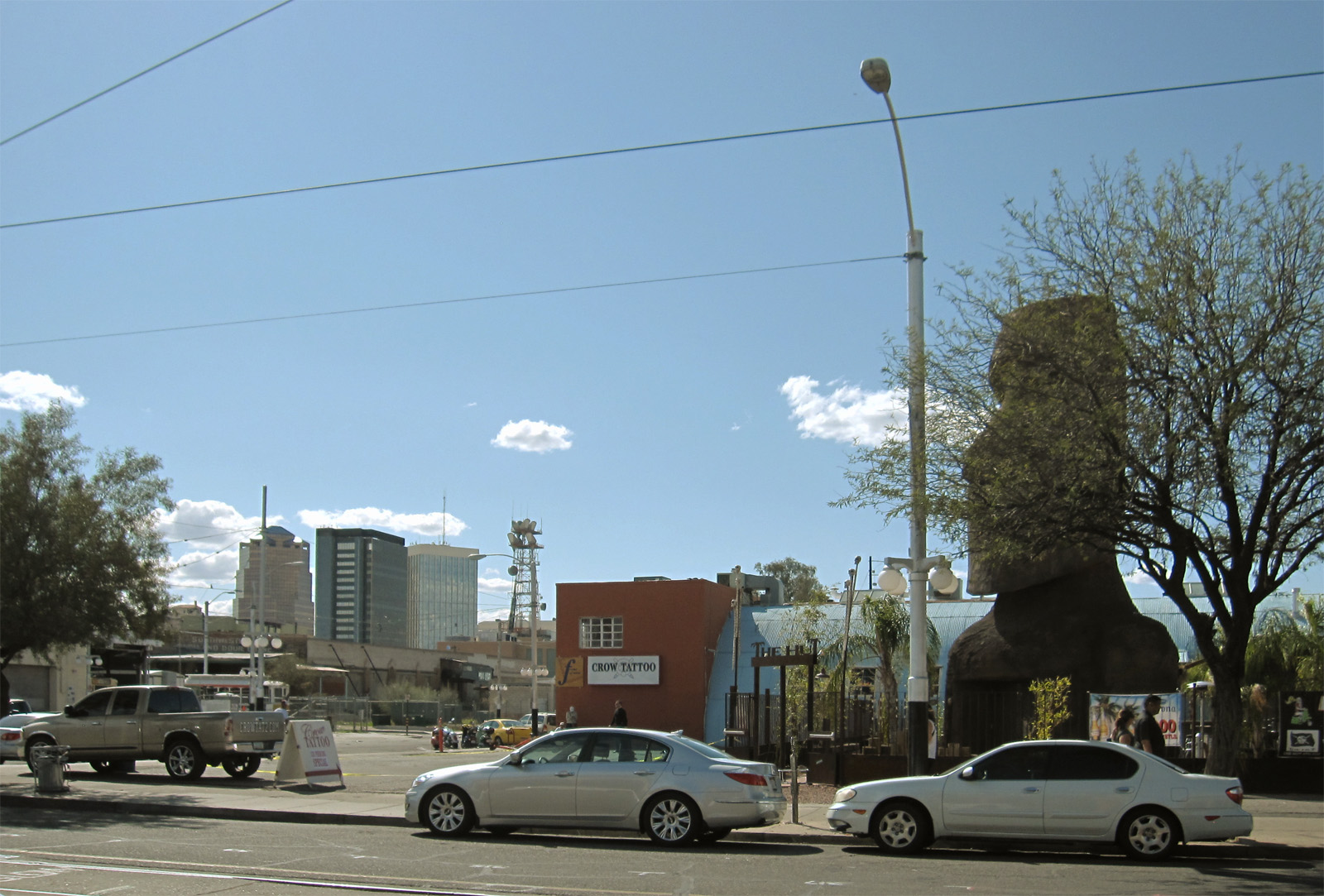
Tucson’s compact, historic core. The same university, defense, and food-tourism engines that define the city all run on cold storage that has to hold its set-point through a Sonoran summer.
The Cold-Storage Name National Brands Trust With Their Product
You do not get to hold temperature for the country’s biggest names by being lucky. Over the years KryoFridge has supplied mobile refrigeration to chains like McDonald’s, Chick-fil-A, and Dutch Bros, operations that audit their suppliers hard and will not tolerate a unit that drifts out of spec. And they pick a cold-storage partner the same careful way they pick a food vendor, and they keep coming back to one fleet that is owned, maintained, and dispatched by the same company that answers the phone.
Ask anyone who has actually pulled these units for a living and the stories come fast. There was the Chick-fil-A whose walk-in quit in the middle of a lunch push, where the clock was the enemy and we still had a trailer parked, plugged, and dragging the box back down to temperature thirty-four minutes after the call. There was the regional restaurant group staring down a Mother’s Day brunch with nowhere near enough cold room, where we rolled in three trailers after close and had every one of them at set-point before the kitchen fired its first order the next morning. Tucson gets the benefit of that hard-won reflex, and it has nothing to do with a script. It is the same discipline whether the customer is a one-window counter on South 12th or a contractor cookhouse feeding a base shift: the unit hits its number, defends it through a furnace of an afternoon, and stays food-clean enough that a Pima County inspector has nothing to write up.
What Brings Tucson Businesses to a Freezer Trailer
Demand here almost never shows up on a calendar. It arrives as a dead compressor, a remodel, a recall, or the one weekend a year an event triples your storage need. These are the calls we field most across the metro, each shown with the kind of operation it serves.
? Restaurants & Taquerias
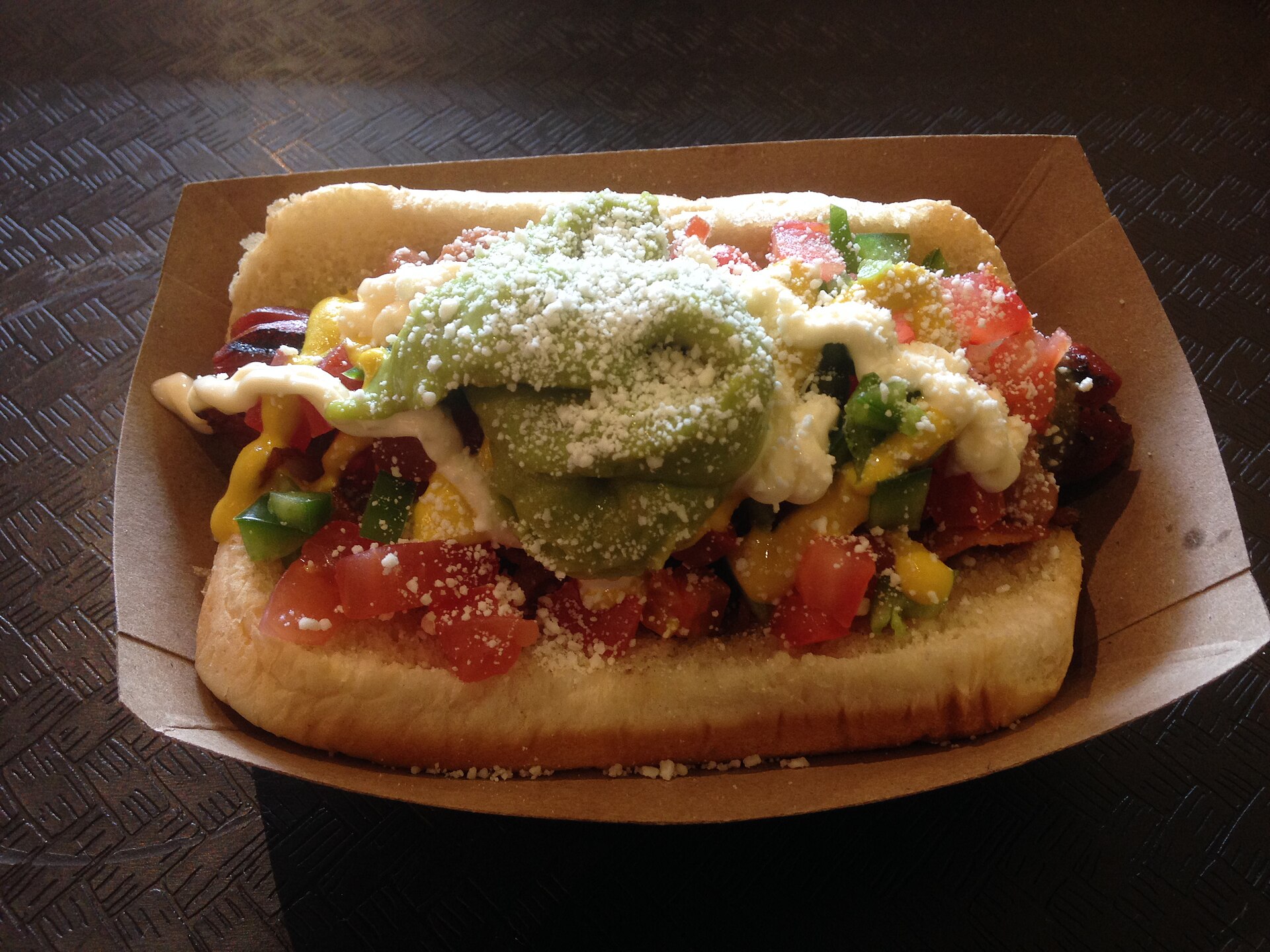
Walk-in failures, kitchen remodels, and weekend overflow along South 12th, Fourth Avenue, the campus corridor, and the UNESCO-certified kitchens citywide.
? Grocers & Markets
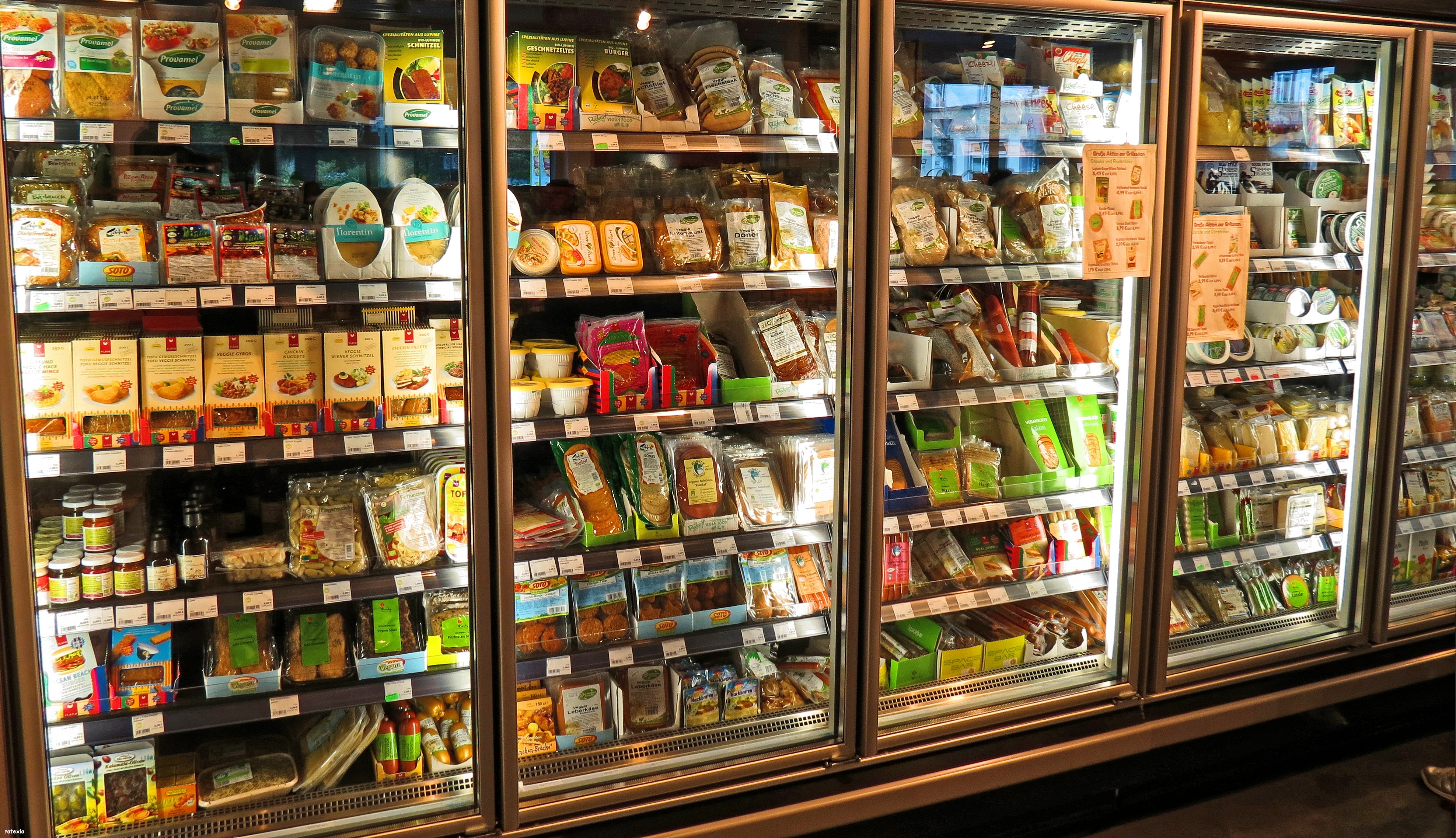
Backup refrigeration when a case or compressor drops during a Tucson heat spell, a store reset, or a holiday inventory surge.
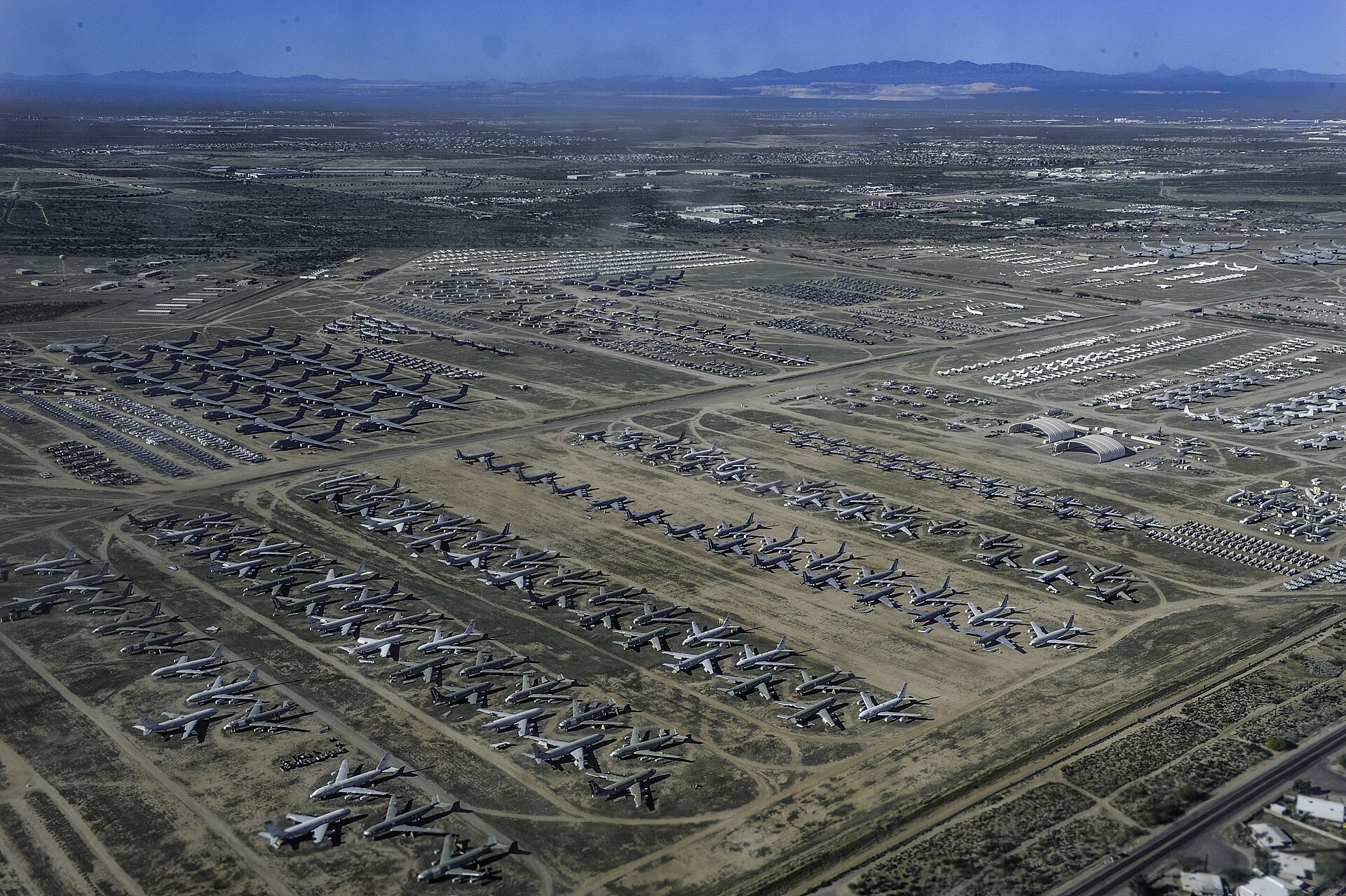
✈️ Defense & Institutional
Mess halls, contractor cafeterias, and supplier facilities tied to Davis-Monthan and the Raytheon campus that can’t let a cold zone go down.
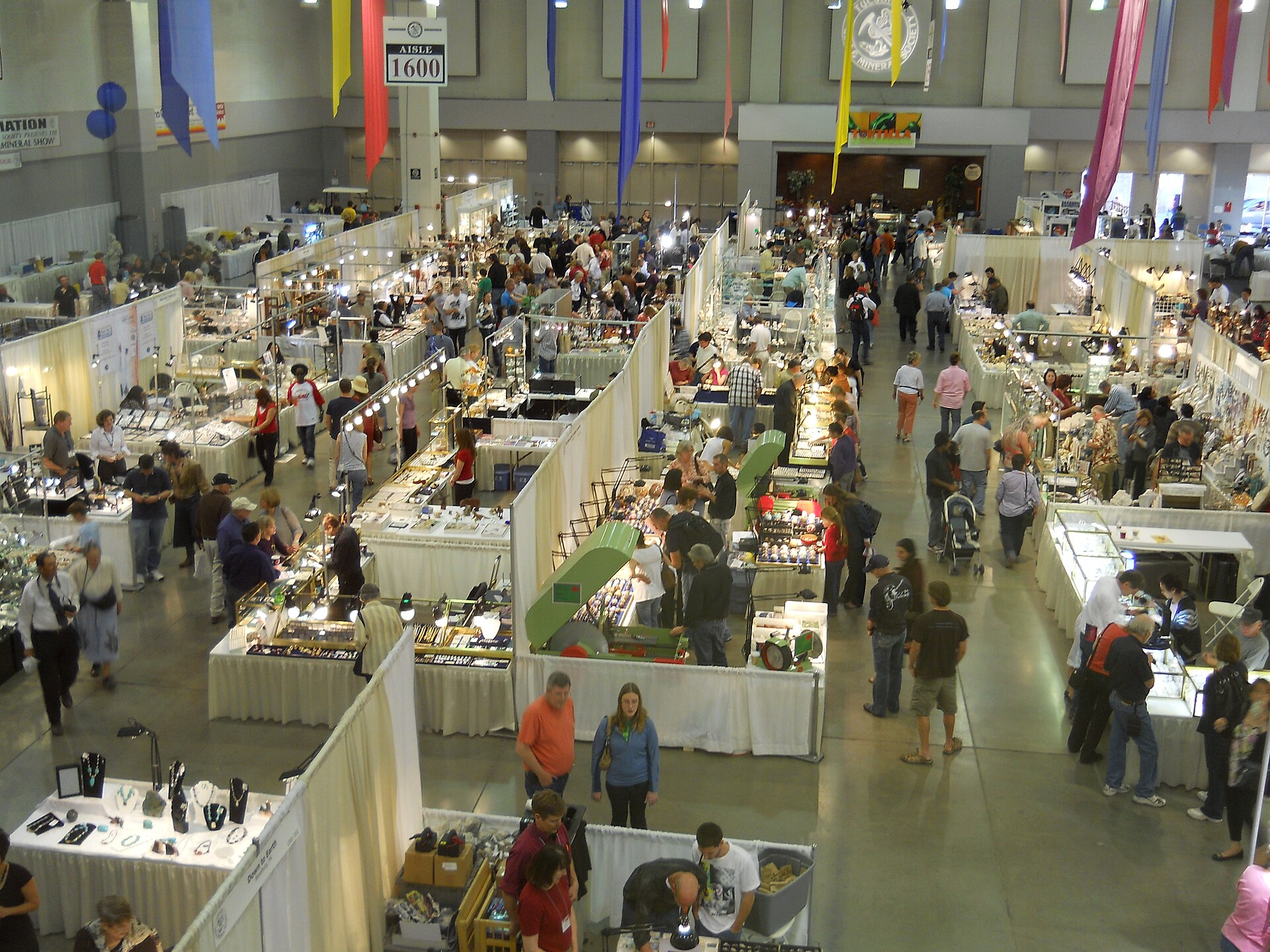
? Gem Show & Trade Events
Six weeks of vendors and food service across 50-plus venues every winter. They need temporary cold storage that scales with the event.
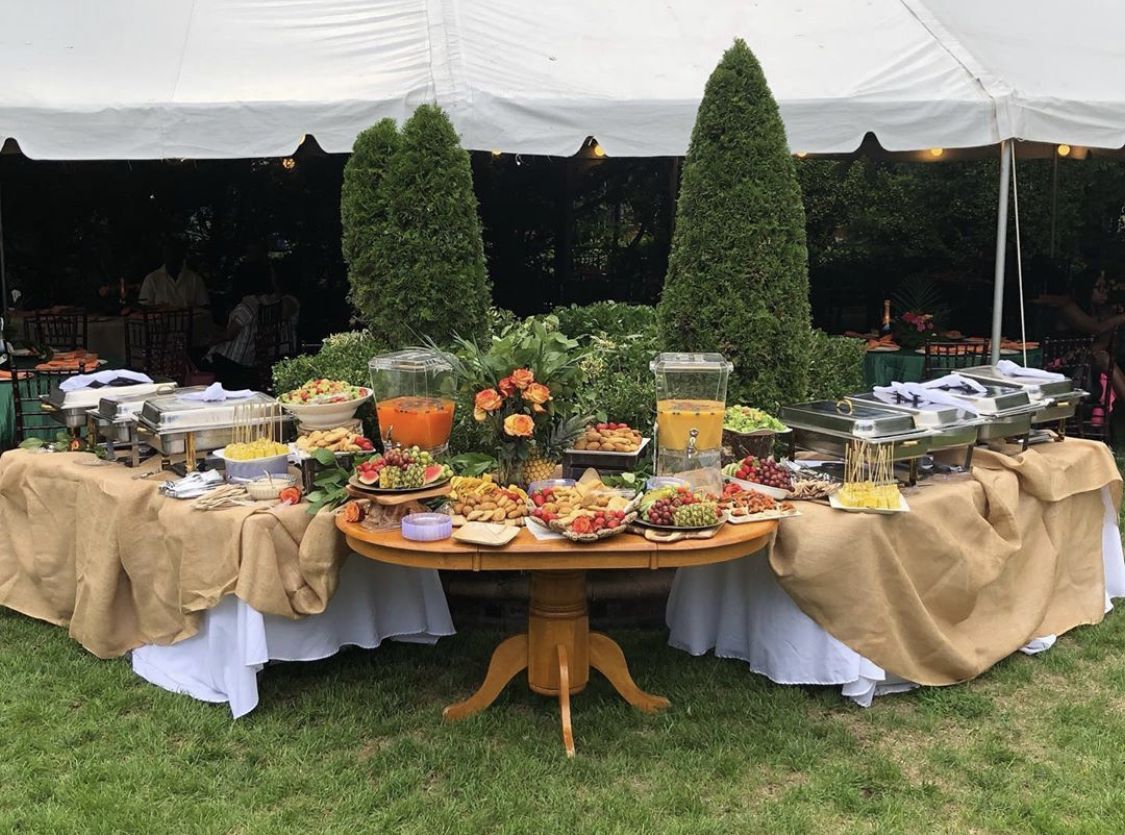
? Events, Weddings & Catering
Foothills resort weddings, rodeo and festival vendor rows, and corporate events that need real walk-in capacity in the heat.
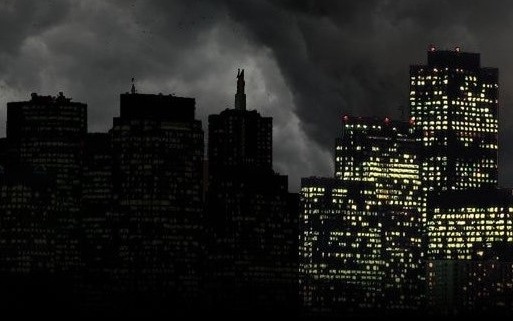
? Emergency & Outage
24/7 deployment for compressor failures, monsoon-driven outages, recalls, and disaster-relief cold chain across Pima County.
The thread tying all six together is timing. Hardly anyone plans to need a freezer trailer. They need it the hour a compressor dies, the morning a remodel starts, or on the night before a Gem Show preview when the rented ice chests suddenly look comically small. Because we keep units staged locally, the answer to “can you be here today” is almost always yes.
Our Trailers on Real Tucson-Area Jobs
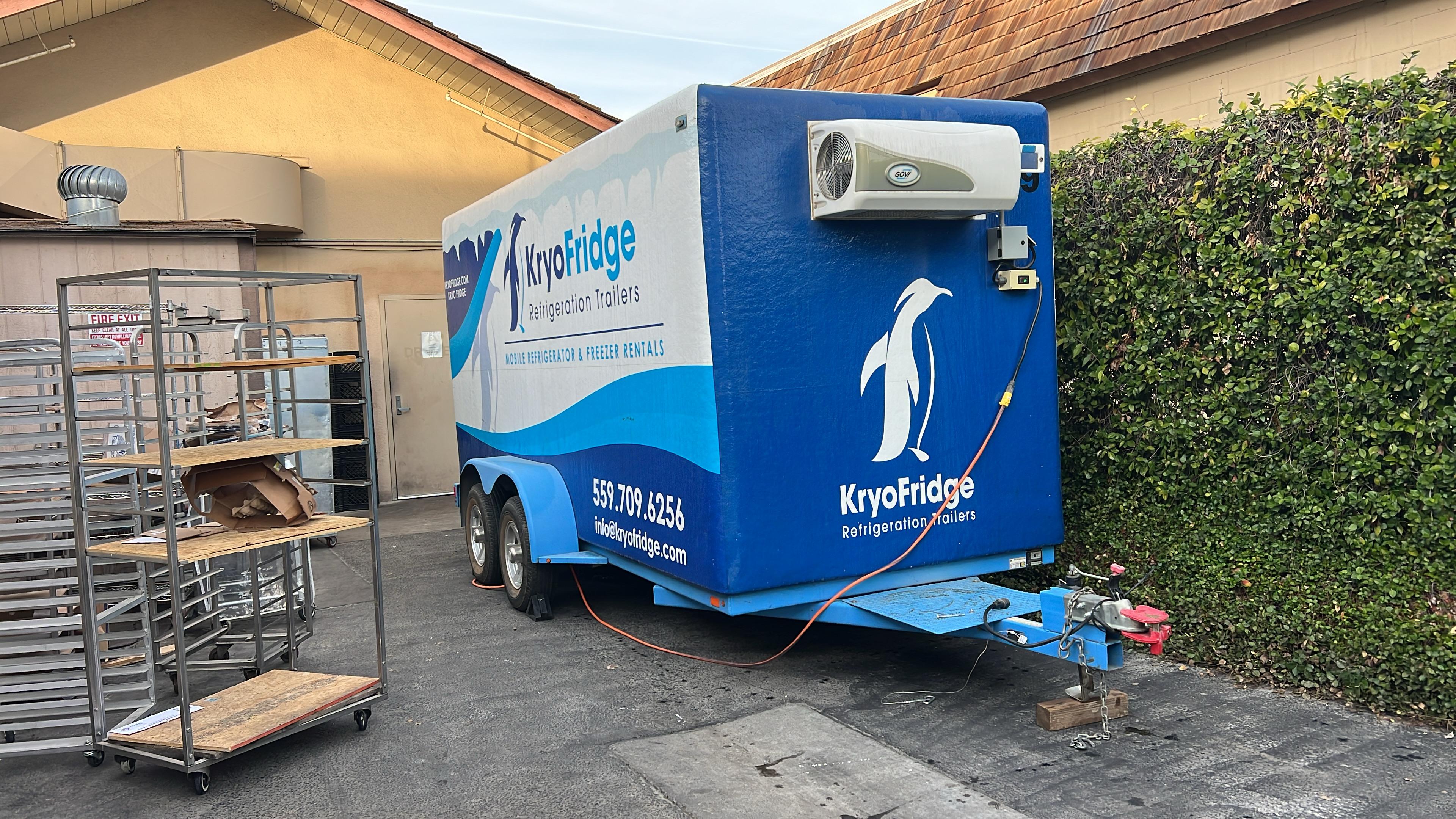
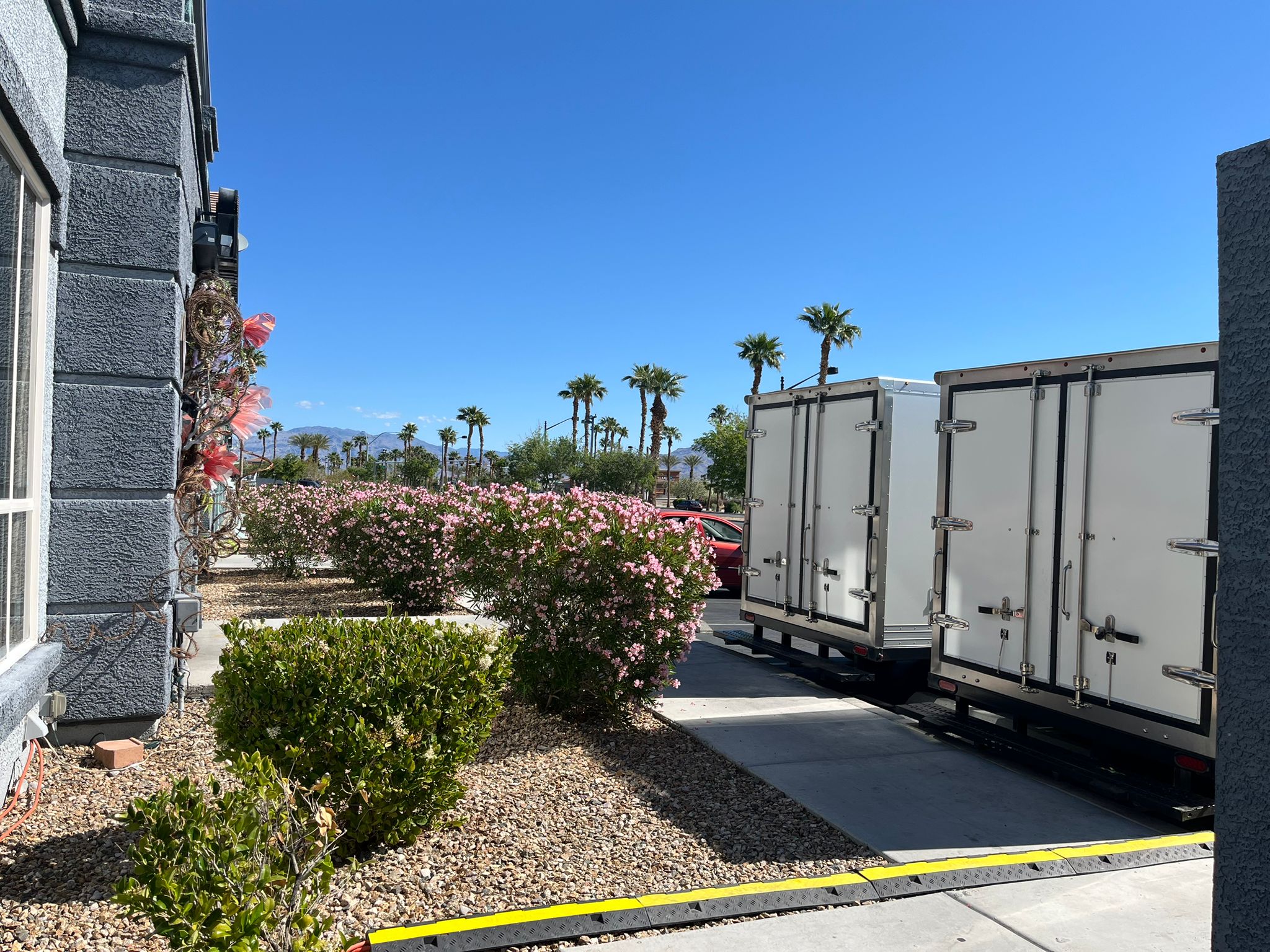
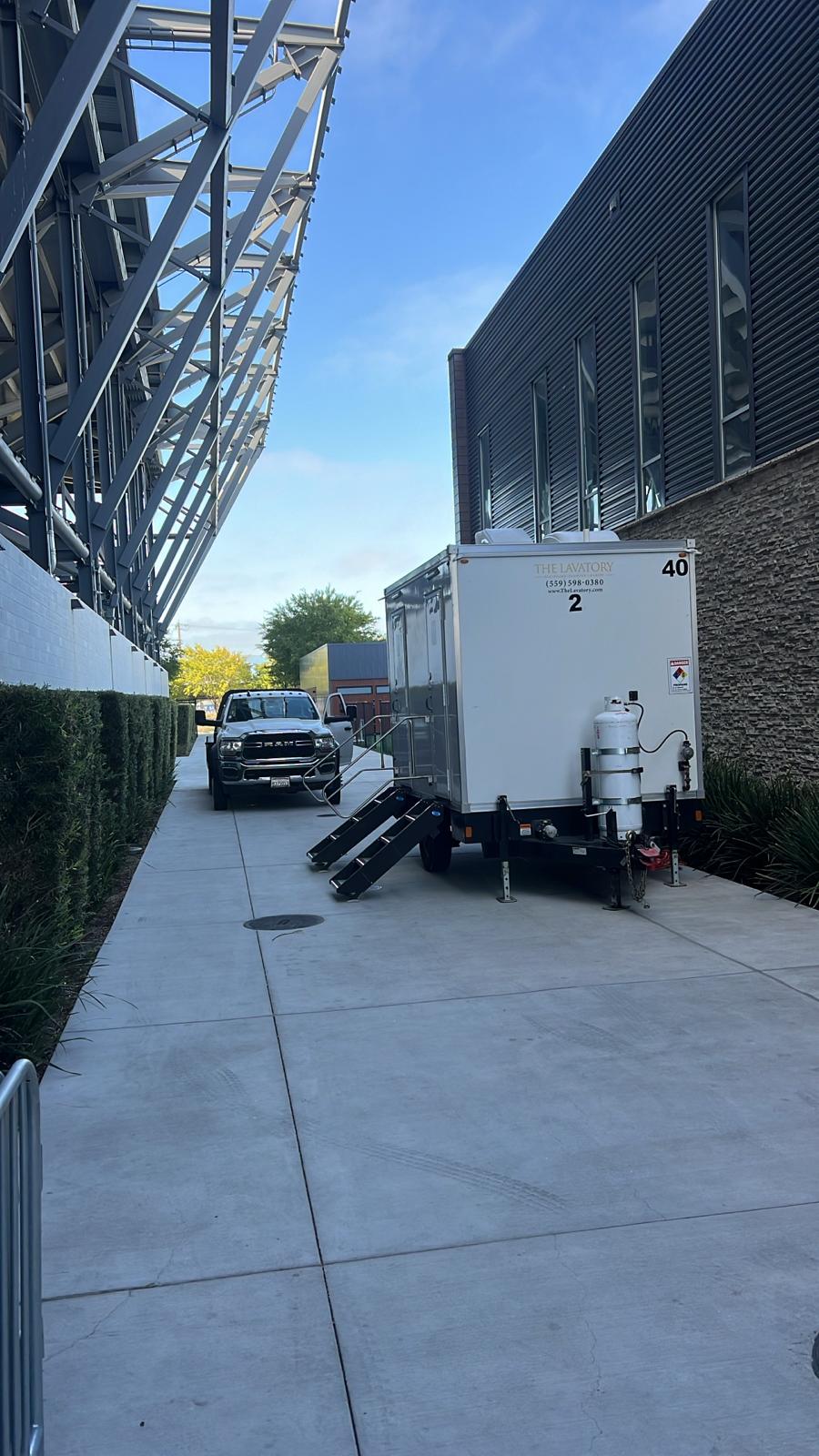
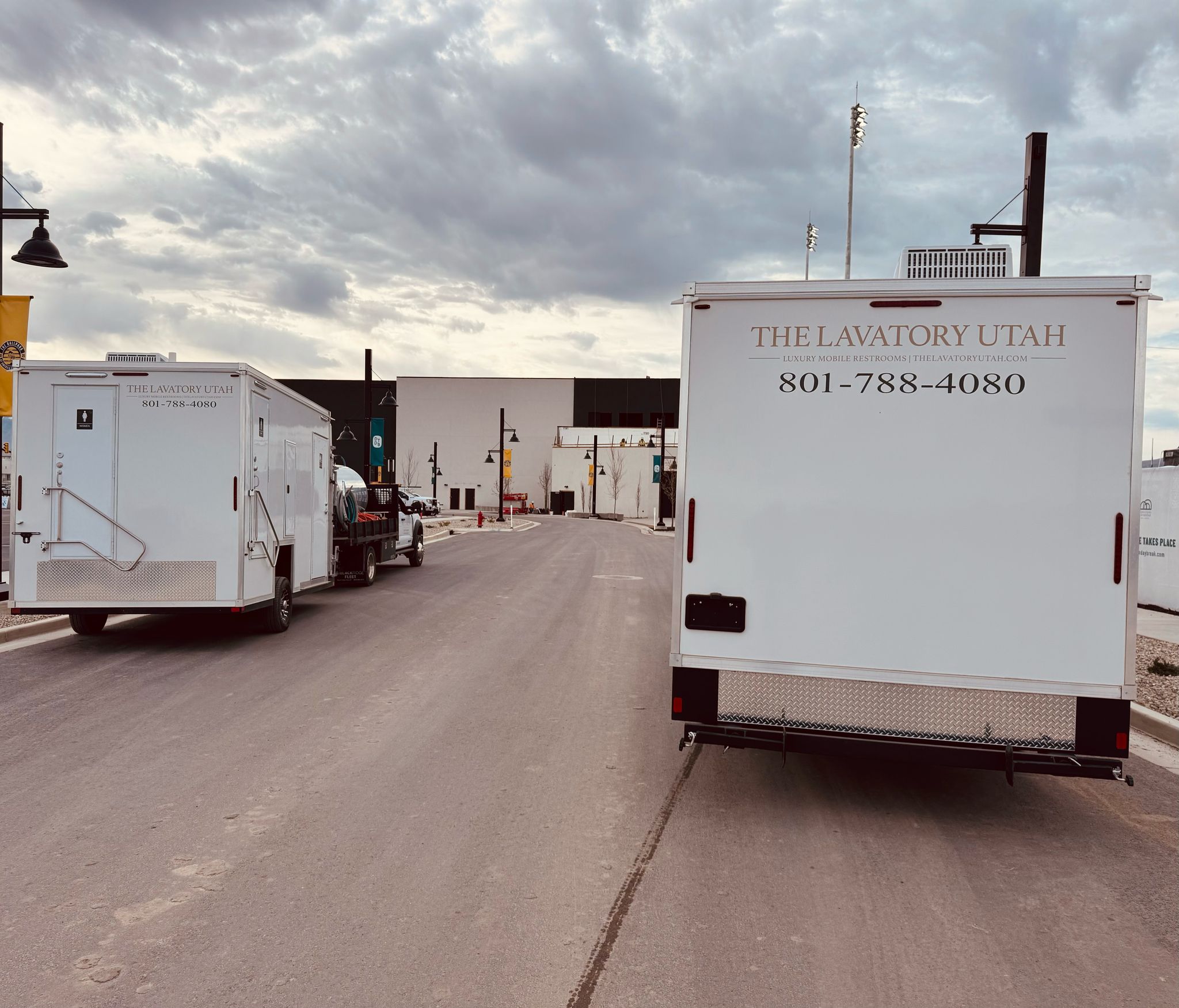
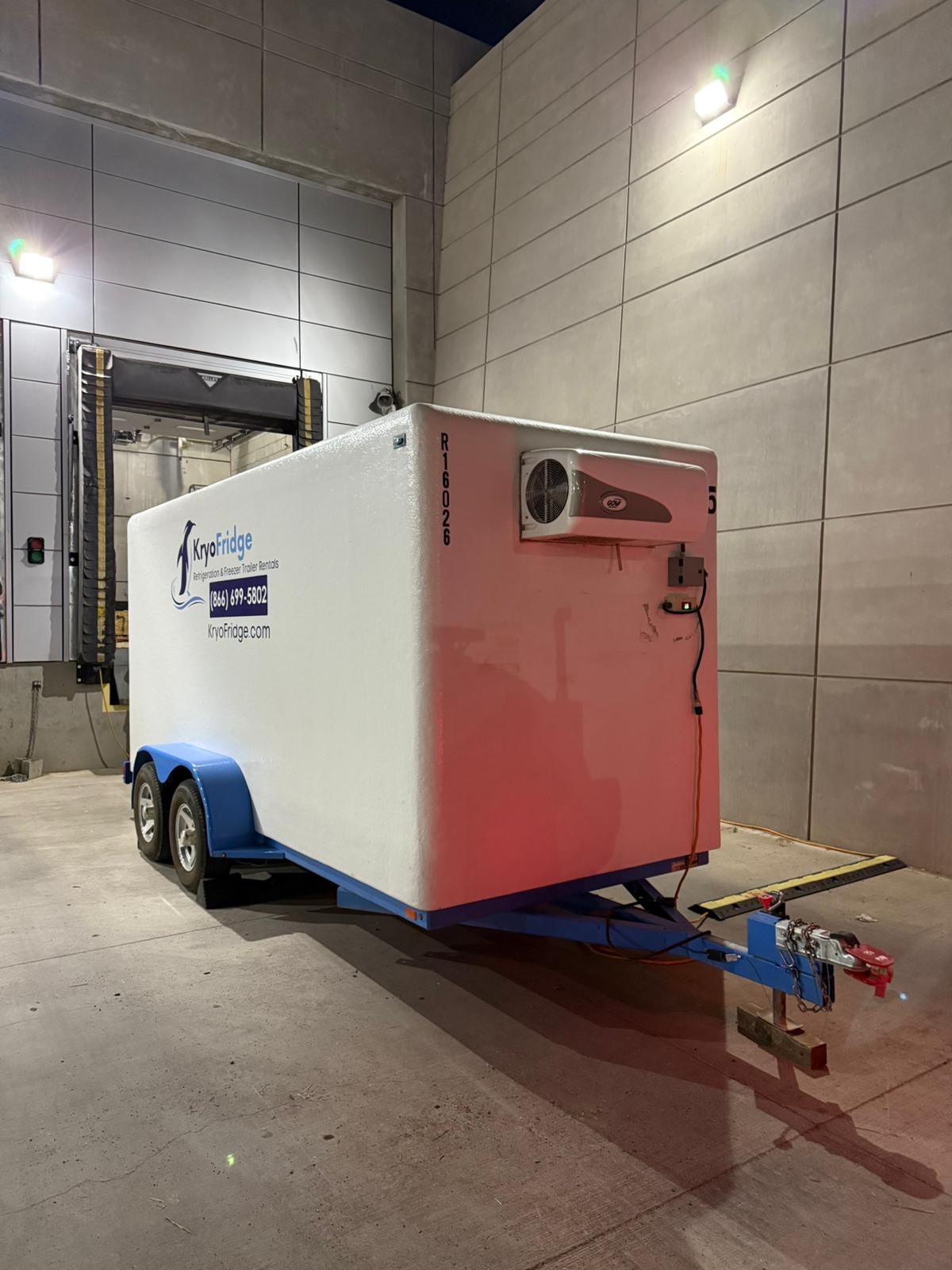
No catalog renders here. These are working KryoFridge units on actual jobs: restaurant lots, loading docks, event grounds, and the late-night calls that come in after the grid blinks.
Why Tucson’s Heat Breaks Cold Equipment, and How Ours Holds
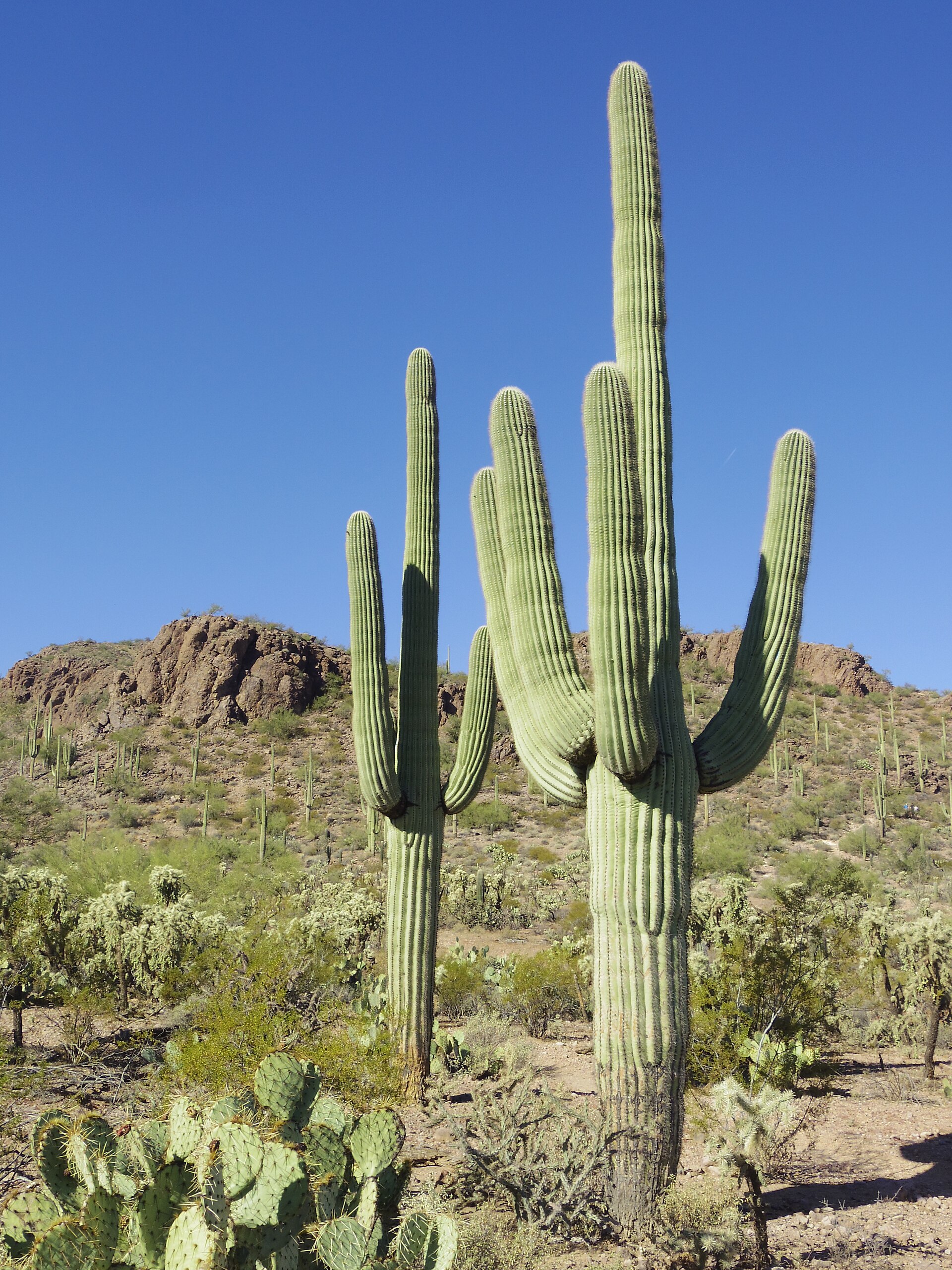
Tucson’s climate is the quiet reason cold-storage emergencies cluster from June through September. Summer highs sit in the high 90s and routinely punch past 105°, and the city has tied its hottest-summer record more than once in recent years. Four of the last five summers ranked among the warmest since record-keeping began in 1895. The all-time high is 117°. And none of that is an abstraction when a walk-in compressor that coped fine in March is asked to run flat-out in July.
Heat does two things to a cold operation at once. It raises the load on existing refrigeration until aging equipment that “worked yesterday” simply can’t keep up, and it shrinks your reaction window, because at 105° ambient, product climbs toward the danger zone within an hour or two of a unit going down instead of slowly overnight.
Our reefer units are spec’d for that worst case, not a lab average. A 6×16 dropped in an open Tucson lot in August holds deep-freeze the same way it would in a mild warehouse, because the refrigeration system is sized with the headroom to keep pulling heat out when it is already brutal outside. That margin, the gap between “rated” and “rated for here,” is the entire point of renting from an operator who knows the desert.
Monsoon, Haboobs & Outages: Disaster-Ready Cold Chain in Pima County
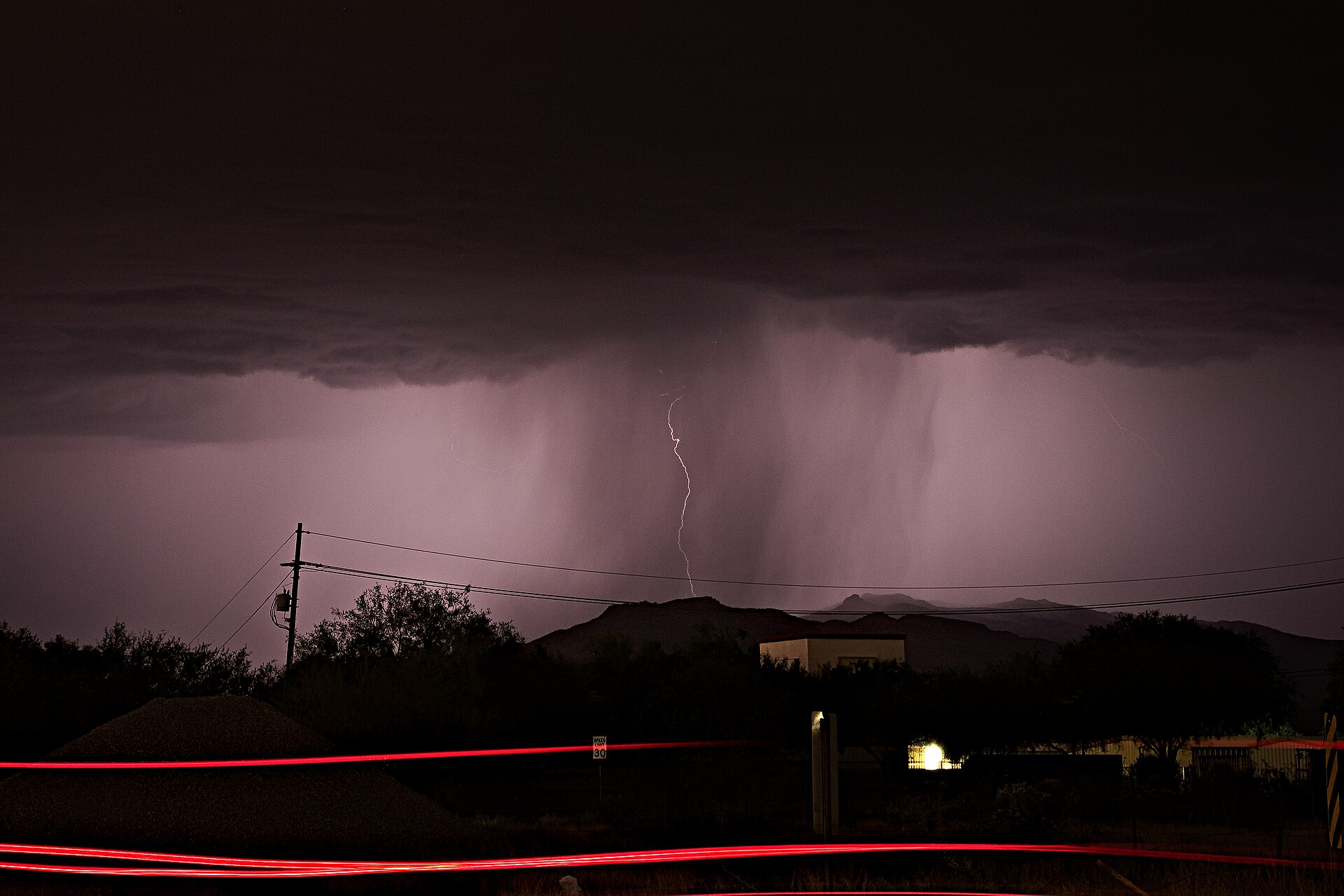
From roughly the first week of July into mid-September, the North American Monsoon turns Tucson’s weather violent in the afternoons: short and intense downpours, dust-driven haboobs that drop visibility to nothing, and the lightning that comes with both. Those storms knock out power. A microburst that takes down a line on the east side, or a substation hit during a dust event, can leave whole neighborhoods dark for hours. Every walk-in and reach-in on that grid goes down at the same instant.
But that is the moment a generator-powered trailer earns its rental. For a business, it keeps inventory frozen straight through the outage while the utility works the line. For emergency management, recall response, and relief operations, a row of staged reefer trailers becomes mobile cold-chain infrastructure that holds food and supplies in-spec for shelters and crews while the fixed infrastructure is offline.
Because we own the fleet and run real 24/7 dispatch, we can move on a monsoon outage fast and scale the response: one unit for a single storefront, several for a coordinated effort. When the grid itself is what failed, the cold storage that runs independent of it is the only thing that matters.
Pick the Right Trailer Size for Your Tucson Operation
Three footprints cover everything from a single-unit overflow to a multi-venue event or a relief staging area. Every trailer holds a precise digital set-point from deep-freeze to fresh-cold and runs on a dedicated circuit or a generator.
| Trailer | Best for | Temp range |
|---|---|---|
| 6×8 | Tight lots, single kitchens, short overflow | -10°F to 50°F |
| 6×12 | Grocers, caterers, mid-size events | Deep-freeze capable |
| 6×16 | Gem Show venues, distribution, disaster | Heavy-duty reefer |
Each unit holds a precise digital set-point and runs on a dedicated 120V/20A circuit or a generator.
6×8: the compact unit for tight Tucson lots
Roughly eight pallet positions, and small enough to fit the cramped back lots common in Barrio Viejo, the older South Tucson storefronts, and the campus-adjacent strips where parking is already tight. It handles most single-kitchen emergencies and short overflow runs, and it tucks into spots a bigger trailer simply can’t reach. If you run a counter restaurant or a small market and your walk-in just quit, this is usually the right call.
6×12: the workhorse for grocers, caterers, and mid-size events
About fourteen pallet positions and deep-freeze capable, and our most-requested size. It is the sweet spot for a grocery backup, a multi-day catered event in the Catalina Foothills, or a restaurant that needs genuine walk-in-equivalent capacity through a remodel. Big enough that nobody is rationing shelf space, compact enough to drop in most commercial lots without a maneuvering headache.
6×16: the heavy unit for the Gem Show, distribution, and disaster
Around twenty pallet positions with a heavy-duty reefer built to hold deep-freeze in extreme ambient heat. This is the trailer for anchoring a vendor row at a Gem Show venue, staging frozen pallets when a distribution zone fails, or holding a relief operation’s cold chain together. Out by the airport, the Port of Tucson rail yard, and the industrial corridors off I-10, the wide docks take a 6×16 with room to spare.
Not sure which fits? Tell us roughly what you’re storing and for how long, and we’ll size it honestly, because we’d rather get you the right unit than upsell you into one you don’t need.
Set-Point Guide: What to Store and Where to Dial the Temperature
There is no single “cold.” Spend a few summers running these trailers around the Old Pueblo and you learn that every product lives in its own narrow band, and that in this climate the fastest way to lose a load is to let a unit wander a few degrees off the band it should be holding. The table below is the cheat sheet our Tucson customers point at when they’re deciding what to book.
| Product | Typical holding band | Trailer mode |
|---|---|---|
| Ice cream & frozen desserts (paletas, raspados) | -10°F to 0°F | Deep freeze |
| Frozen proteins, seafood, prepared foods | 0°F or below | Freezer |
| Fresh meat & poultry (short hold) | 28°F to 32°F | Refrigerated |
| Dairy, deli, masa & packaged produce | 34°F to 38°F | Refrigerated |
| Beverages, florals, catering platters | 38°F to 45°F | Refrigerated |
The figure that ought to be tattooed on every line cook’s arm isn’t in the chart at all: it’s 40°F. Climb past it and you’re inside the 40-to-140°F window that food-safety inspectors call the danger zone, where the bacteria on perishables doesn’t crawl, it sprints, and most chilled product gets written off after about four cumulative hours in that range. Now picture that clock starting on a 106° July afternoon in Tucson, with the sun cooking the asphalt and a dead compressor doing nothing to slow it down. That is the whole reason we don’t spec our reefers to a gentle test bench. We size them to grab a set-point and clamp onto it while the ambient air outside is doing its worst.
So the conversation when you call is short and practical. Name the coldest thing going into the trailer and we dial the box for that. One unit will carry a straight freezer load all by itself without breaking a sweat. The only time we’ll steer you toward a split set-up or a second trailer is when you’re trying to hold deep-freeze paletas and delicate fresh produce in the same breath, where forcing both into one band means one of them loses.
Cold Storage for the Gem Show, the Rodeo & Tucson’s Festival Season
No city in the country has an event season quite like Tucson’s. The Gem, Mineral & Fossil Showcase isn’t a single show. It’s more than 50 shows running for roughly six weeks from late January into mid-February, drawing over 4,000 exhibitors from more than 40 countries and pouring an estimated 286-million-dollars of direct spending into the local economy. Every one of those venues feeds people, and the food operations that pop up around them need cold and freezer capacity that an ice chest can’t touch.
And the rest of the calendar keeps the pressure on. La Fiesta de los Vaqueros, the Tucson Rodeo and its 200,000-spectator non-motorized parade every February, plus the Fourth Avenue Street Fair, the All Souls Procession that draws 150,000 downtown each November, and a steady run of Foothills resort weddings all create the same need. They want real walk-in capacity, on site, holding spec through a hot afternoon.
A KryoFridge trailer gives an event team a walk-in’s worth of capacity right where the food is. It is quiet enough to sit near a guest area, lockable for multi-day grounds, and big enough that nobody is rationing space. Planning the full footprint? Round it out with water station rentals in Tucson to keep crews and guests hydrated through the heat and restroom trailer rentals in Tucson for guest comfort, so one call can cover the whole site. (cross-brand links, auto-wired into the wheel on publish)
Powering & Placing a Trailer in Tucson
The single fastest way to stall a delivery is to skip the power question, so we never do. A KryoFridge trailer wants exactly one of two feeds to run: a dedicated 120-volt, 20-amp circuit no more than about 100 feet from where the box ends up, or a generator standing in for it. What it will not accept is the 208–240V three-phase that a lot of buildings assume “industrial equipment” runs on. Half a minute of checking the outlet before the truck rolls out saves the whole afternoon on the back end.
- Dedicated outlet nearby? Most Tucson restaurants and markets have one, so we plug in and the unit starts pulling temperature.
- Open lot, event grounds, or a Gem Show venue? A generator keeps the trailer running anywhere: a Foothills event lawn, a vendor row off I-10, a base-adjacent supplier yard.
- Worried about monsoon outages? Tucson Electric Power serves the metro, and summer storms drive real outage risk. A trailer on a generator keeps your cold chain alive when the grid blinks.
Then there’s where the thing actually sits. The box wants a surface that’s close to level, enough room for the delivery rig to swing in and set it down cleanly, and either that power feed in reach or a patch of ground for a generator. We nail down the precise drop spot over the phone before anybody leaves the yard, partly because our drivers already carry the metro in their heads, from threading a unit into a cramped Barrio Viejo or South Tucson lot to backing one across the wide-open yards out by the airport and the Port of Tucson rail spur.
Permits & Temporary Food Facilities for Tucson Events
Feed the public at a Tucson event and you’ve quietly signed up for a paperwork problem on top of an operations one. The vendors who sail through the day are simply the ones who read the Pima County playbook in advance instead of learning it from an inspector standing at their booth.
Here’s the shape of it. Anybody handing out, selling, or prepping food at a Tucson gathering that’s open to the public is almost always looking at a Temporary Food Permit issued by the Pima County Health Department’s Consumer Health & Food Safety division. Those temporary permits stretch across a window of one to 120 days, whether that’s a single weekend or one stretch of a youth-sports season, and a genuinely private, invite-only party falls outside the rule. What trips people up is the timing and the prep: the application and its fees are due no later than 14 days out, the menu itself has to clear the department, and the cooking generally has to happen in an approved facility at the time and place the permit names. The Gem Show runs its own seasoned temporary-vendor pipeline every winter, and the dealers who’ve done it before file the moment the window opens.
The cold chain is where our equipment slots in. Any permit-ready booth has to prove, on demand, that it can keep cold and frozen product sitting at a safe, documented temperature for the entire run of the event. An NSF-approved trailer carrying a digital set-point readout is exactly the piece that survives a baking Tucson afternoon without drifting, and it’s the grade of gear an inspector quietly expects to see behind a serious operation. We hand you that food-safe, temperature-holding box; the permit itself stays in your name with the county, and we’ll gladly put the unit’s spec sheet in your hands so the application goes in clean.
Tucson Cold Storage: The Questions That Come Up Next
When the obvious questions are out of the way, this is the second round customers tend to circle back to. Open whichever one is nagging at you.
Freezer trailer vs. portable walk-in vs. reefer truck: which should you rent?
Three things get pitched at the same problem, and only one of them was built for it. Take the portable walk-in cooler first: it’s inexpensive and compact, but read the name, it’s a cooler and not a freezer, and it’s wholly dependent on your building feeding it steady power and a mild room around it. Drop that into a Tucson July and an undersized one wheezes trying to reach deep-freeze, and the second a monsoon cell knocks your power out, the cooler goes dark right alongside the building.
The refrigerated reefer truck is the opposite kind of wrong tool. It was engineered to haul product down a highway, not to park and babysit it, so left sitting it idles through diesel, throws engine noise across a quiet storefront or an event lawn, and pins down a tractor plus a driver you probably didn’t need to rent. As a bridge for a few hours it’s fine; as cold storage for a week or two it’s loud, thirsty, and clumsy.
The freezer trailer we rent exists precisely to fill that gap. It’s made to be set down and to defend a temperature for days or weeks at a stretch, deep-freeze rated, NSF-approved, quiet, lockable, and content to run off a single dedicated circuit or a generator. You get more usable room than a walk-in and a fraction of the fuss and cost of a truck, in a box specifically tuned to keep its set-point through the exact desert heat that drops the other two to their knees.
Food-safe build & Pima County health-code compliance
Temporary cold storage still has to satisfy the Pima County Health Department, which permits and inspects food operations across Tucson and reaches the Consumer Health & Food Safety line at (520) 724-7908. An inspector who finds a unit that can’t hold a documented temperature, or that isn’t built for food contact, can shut service down fast.
Our answer to that is built into the trailer. Each one carries NSF approval, food-safe interior surfaces with real drainage, and a digital controller right where you can glance at the set-point any time. Now the straight talk: what we deliver is the food-safe box that holds the temperature, full stop. We don’t resell continuous temperature-logging or remote alarm-monitoring as a bolt-on service, so if your compliance program demands a documented data trail, line that vendor up on your own and we’ll make sure our equipment plays nicely with it.
What a cold-storage failure actually costs in Tucson
Do the arithmetic the way a Tucson kitchen does it at 2 a.m. when the alarm goes off. One restaurant walk-in is already sitting on thousands of dollars of frozen and chilled inventory; widen the lens to a grocery case run or a distribution freezer bay and the number climbs into territory that makes a rental look like pocket change. Lose the compressor or the grid on a 106° afternoon and that whole pile starts sliding toward the trash within an hour or two, and that’s before you count the register going quiet while a line sits closed and the crew scrambling, sweating, to rescue whatever they can.
But against that, a staged freezer trailer is operational insurance: a known, bounded cost that protects an unbounded loss. So the operators who’ve been burned once keep our number on the wall, and the second time, they call before the product is warm.
Seasonal demand in Tucson: when to book ahead
No one can call the exact night a compressor will die, yet across a whole year Tucson’s demand is almost rhythmic. June through September the heat itself starts cooking tired equipment into failures, the monsoon stacks outage calls on top of that, and then the long winter event run, Gem Show flowing straight into rodeo season, becomes the busiest stretch we work anywhere in the metro. The practical takeaway: if your need is on the calendar, reserve early and you lock in the exact footprint you want, and for Gem Show in particular “early” means earlier than you think. For everything that lands without warning, the units we keep staged around the clock are the safety net.
Multi-trailer & scalable setups for big operations and the Gem Show
For a typical kitchen or market, one trailer is the whole answer. Where it gets interesting is the bigger stuff, the distribution hub, the multi-acre festival, the Gem Show footprint spread across half a dozen venues, where one box was never going to be enough. Because the fleet is ours and not borrowed, we can line up several units side by side and feed them in as the job expands. That three-trailer Mother’s Day rescue from earlier is the template in miniature: you grow the cold storage to fit the operation, rather than cramming the operation into whatever single box happened to be free.
Short-term emergency vs. long-term & contract storage
The term is yours to set. We’ve put a trailer on a lot for three days to ride out an emergency or a single-weekend booth, kept others in place for the weeks or months a remodel or a seasonal bulge demands, and signed longer contract terms for operations that just want a cold-storage unit parked and ready as standing insurance. Give us the window and the quote comes back clean. There’s no surcharge for an honest “honestly, not sure yet,” and there’s no broker’s cut hidden somewhere in the middle of the number.
Renting vs. building permanent cold storage: when each makes sense
Pouring a permanent walk-in is a construction project wearing a refrigeration costume: you’re hiring a contractor, pulling electrical, waiting on a building permit, and burning weeks before a single pallet ever goes cold inside it. That only makes sense when the need is permanent and never lets up. An awful lot of what we see in Tucson is the opposite, a summer that overflowed, a remodel that opened a gap, one Gem Show stretch, a single festival, or a dead unit limping along while a part ships. Those are temporary problems, and answering a temporary problem with a permanent build is the slowest, priciest route there is.
Renting turns that equation inside out. You take on exactly as much cold space as the moment calls for, hold it exactly as long as the moment lasts, and skip the contractor and the permit calendar entirely. The trailer shows up and is holding temperature the same week, frequently the same day, and the instant the need is over the commitment ends with it.
How a reefer holds deep-freeze when it’s 110° outside
The trick is really three pieces pulling in the same direction. Start with the shell: thick insulated panels and tight, gasketed doors that wall the desert heat out and pen the cold air in, so the unit was never asked to fight 110° sunshine through a flimsy skin. Add the heart of it, a self-contained reefer condensing system carrying enough spare muscle to keep dumping heat overboard even when the outside air is pegged at 110°, rather than maxing out and surrendering the way a thin-spec cooler does. Top it with a digital thermostat that locks onto the number you chose and keeps cycling the system to hold the line.
String those three together and you understand why a trailer baking in an open August lot acts no differently than one tucked in a temperate warehouse: every component was engineered against the worst hour Tucson can throw, not the average one. It’s also the reason we’re stubborn about the power question up front, because all that built-in margin evaporates the moment the unit loses a steady feed from its dedicated circuit or generator.
How Renting a Freezer Trailer in Tucson Works
On a day that’s already gone sideways, the last thing you should have to wrestle with is the booking. We keep it to four moves, one clear quote, and a single person who owns the job from hello to pickup.
1 · Tell us what’s going in the box
Frozen or chilled, a ballpark on volume, and roughly how long you need it. That handful of details is all it takes for us to point you at the right size.
2 · We lock in size, power & the spot
We pair you with the trailer, sort out whether you’re on a dedicated circuit or a generator, and pin the exact drop point so the truck makes one clean trip.
3 · We deliver and bring it cold
We roll out across the metro on your clock, about 45 minutes when it’s an emergency, set the unit, power it, and let it pull down to your set-point.
4 · You run; we stay on the line
It defends temperature for the whole term while our phone stays open the entire time, and the day you’re finished we come collect it.
Where We Deliver Cold Storage Around Tucson
Our local staging means fast response across every part of the metro: from Downtown, Barrio Viejo, and South Tucson to Midtown, the University district, the Catalina Foothills, the east side near Davis-Monthan, and the growing Rita Ranch and airport corridors, plus the venues and vendor rows that light up every Gem Show and festival season.
We also reach the surrounding communities: Oro Valley, Marana, Sahuarita, Green Valley, Vail, and the Catalina foothills north of the city. If you’re near I-10, I-19, or the Port of Tucson rail corridor, we can get a trailer to you, usually within a day for a planned rental, and about 45 minutes when it’s an emergency.
What Tucson Kitchens, Grocers & Event Teams Tell Us
“Our walk-in died during a Friday dinner rush in July. KryoFridge had a freezer trailer in our lot and pulling temp inside the hour, and saved the whole weekend’s product and we never even closed the line.”
Restaurant owner · South Tucson“We ran a vendor row at one of the Gem Show venues and needed real cold space for two weeks. Clean unit, held temperature through the afternoons, delivery crew on time. We’ll book the same setup next January.”
Show coordinator · Tucson Gem & Mineral Show“A monsoon outage took our block down for most of an afternoon. Their generator trailer kept our frozen inventory safe until power came back. Exactly the backup a Tucson business needs.”
Grocery manager · Midtown Tucson“Straightforward quote, no broker runaround, and an actual person answered the phone at night. In this business that’s rare, and worth a lot when you’re staring at thawing product.”
Caterer · Catalina FoothillsPlaceholder testimonials matched to real Tucson scenarios, swapped for verified Google reviews before publish.
Tucson Freezer & Refrigeration Trailer Rental FAQ
How quickly can you get a freezer trailer to a Tucson business?
Because we hold units around the metro, a scheduled rental generally shows up inside a day or two, and an honest emergency is usually parked and dragging the box down to temperature roughly 45 minutes from your call. The after-hours line is a real one, picked up by people who expect a 5 p.m. walk-in failure on a 105° day.
How long will frozen product stay safe if my walk-in fails here?
Shorter than the rulebook makes it sound, because this climate eats your buffer. The guidance treats chilled food as unsafe after about four cumulative hours above 40°F, and at 105° ambient a frozen load starts racing toward that mark within an hour or two of the unit dying. That brutal little clock is the entire argument for keeping trailers staged right here in town.
What power do I need on site?
One dedicated 120-volt, 20-amp circuit sitting within about 100 feet of the parking spot, or a generator if you’re out on an open lot or an event field. The reefer won’t touch 208–240V three-phase building power, which is why we walk through your hookup before the truck ever leaves the yard.
Are the trailers NSF-approved and insured for Pima County?
They are. Every unit carries NSF approval and a digital set-point you can read at a glance, and the rentals come fully licensed and insured, which is the grade of cold storage a Pima County inspector takes for granted behind a real food operation.
Can you handle the Gem Show or a large festival?
That work is squarely in our wheelhouse. We’ll set a single unit behind one vendor row or stage a fleet of trailers across a sprawling grounds, whatever the footprint demands. Reserve the planned dates early, though, because the Gem-Show-into-rodeo run is the hardest we work all year in Tucson.
Do you serve the areas around Tucson?
We do. Oro Valley, Marana, Sahuarita, Green Valley, Vail, and the rest of greater Pima County are all on our map. Sit anywhere near I-10, I-19, or the airport and rail corridors and we can get a unit to you.
Are you a broker or the actual operator?
The actual operator. The trucks and trailers are ours, we maintain and run them ourselves, and there’s no reseller in the middle marking anything up, just one accountable name on the job from the first quote to the day we haul it away.
Need a Freezer Trailer in Tucson Today?
Get a fast, transparent quote, or call our 24/7 line for emergency cold storage anywhere in Tucson and Pima County.