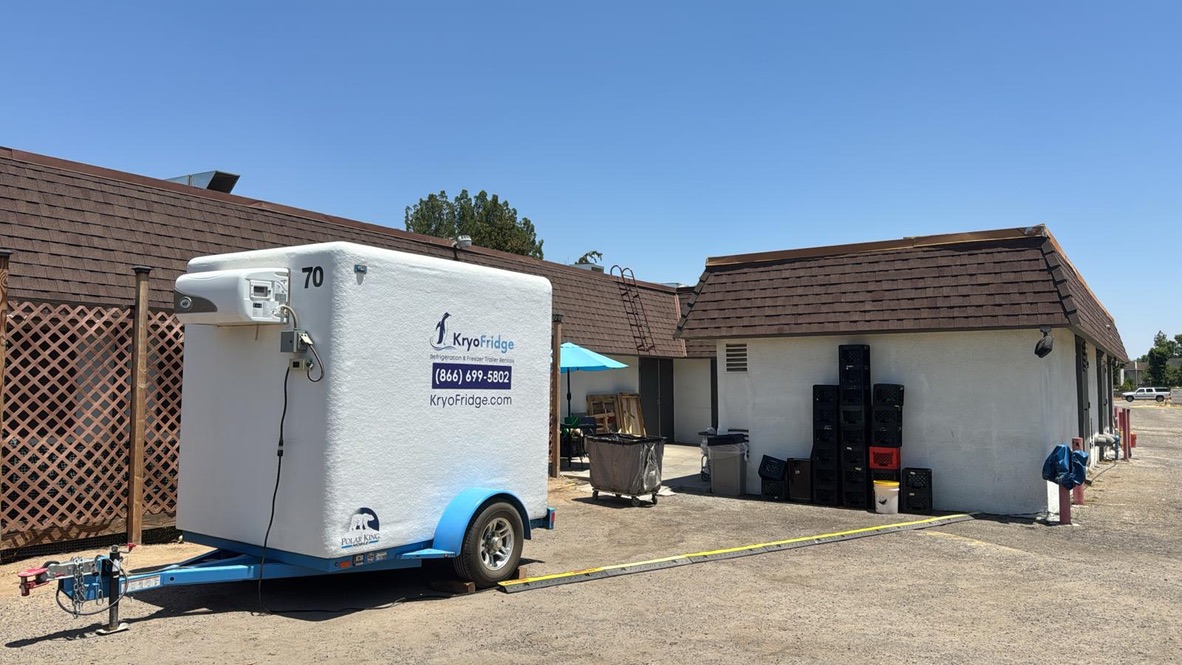

KryoFridge rents walk-in freezer and refrigerated trailers to any business that needs cold space it does not have on site. Pick your industry below to see how the trailer gets used, which size usually fits, and how fast one can be parked at your door.
Every KryoFridge trailer is a walk-in cooler on wheels. You step in through the rear door, the floor sits at a height a ramp or a dock can meet, and the unit runs on ordinary building power. The only real decisions are how much floor you need and how cold you need to hold it.
Most people get this right on the first call. Tell us what you are holding and how it comes in, on racks, on pallets, or in cases by hand, and we will tell you which size fits. Full specs for all three live on the trailer fleet page.
The small one. It fits inside a single parking stall, which is why bakeries, florists, small kitchens and catering drops take it. Roughly one walk-in worth of shelf space, and it plugs into a normal outlet.
The size we rent most. Busy restaurants, markets and event caterers land here. There is room for pallets on the floor with shelving down one side, and it still backs into a standard rear lot.
Our flagship. It carries the most product of anything in the fleet and is what processors, distributors, stadiums and long jobs ask for. Two door options make loading by forklift or by hand equally workable.
The range runs from about 10 degrees below zero up to 50 degrees, so one trailer works as a freezer on one job and a cooler on the next. It runs on a dedicated 120V circuit, or off a generator when the site has no power.
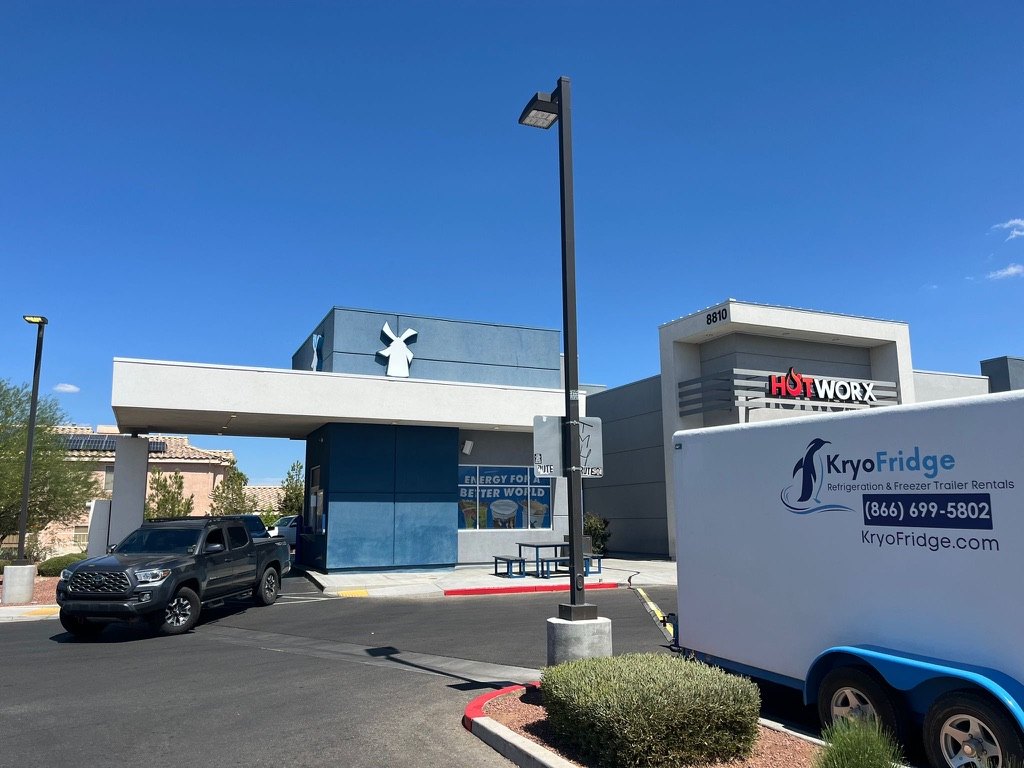
12 industry pages
Food businesses call us for the same reason almost every time. The cold space they have is full, broken, or about to be torn out, and the product cannot wait for a contractor. A trailer gives you a second walk-in for a week, a season, or a year, parked where you need it. We deliver it, plug it in, and pull it out when you are done.
Sizing here is usually simple. One kitchen or a small shop does fine with a 6×8. A busy restaurant or a market runs a 6×12. A processor or a distributor takes the 6×16. If your walk-in is coming out next month, read up on cold storage during a kitchen remodel before you lock the construction dates, because the trailer needs to be on site the morning the old box goes.
Extra cold and frozen space when the walk-in is full, down, or too small for the season. Most restaurants park a 6×12 in the back lot and run a cord to a dedicated outlet by the service door.See the page →
Keep the kitchen open while the walk-in is torn out and rebuilt. We set the trailer near the service door so the crew pulls product without walking it through the dining room.See the page →
Backup and overflow cold space for produce, dairy and the frozen aisle. Stores book ahead of a case rebuild or a holiday load and keep the unit for the run of the job.See the page →
Cold holding for dough, butter, fillings and finished cake. Bakeries usually run the trailer in the mid 30s and roll speed racks straight in off a ramp.See the page →
Deep freeze space for pints, novelties and base mix through the summer push. The unit holds well below zero, so product does not soften between store deliveries.See the page →
Bagged ice keeps its shape only while it stays frozen, so suppliers stage pallets in a trailer instead of a box truck. A 6×16 holds a full weekend of party ice for a route.See the page →
Cold holding for fresh catch, cut boxes and trim during a heavy run. Processors often keep one trailer at freezer temperature and a second one just above freezing.See the page →
Cold soak space and juice holding through crush, then case storage after bottling. Wineries commonly take a unit for six to ten weeks and park it beside the crush pad.See the page →
Cold side capacity for kegs, cans and bright tank overflow. Brewers run the trailer near 38 degrees and roll kegs in on a ramp instead of stacking them in the walk-in.See the page →
Cold staging for a big off-site job without renting a second kitchen. Caterers load the day before, and we handle the towing on both ends because the trailer is delivered to the venue.See the page →
Field side and packing house cooling while fruit waits on a truck. Growers put a unit at the end of a row during harvest and move it to the shed when picking ends.See the page →
Chilled hanging and holding space through the fall rush at small processing shops. Shops add a trailer in October and hand it back once the season slows down.See the page →
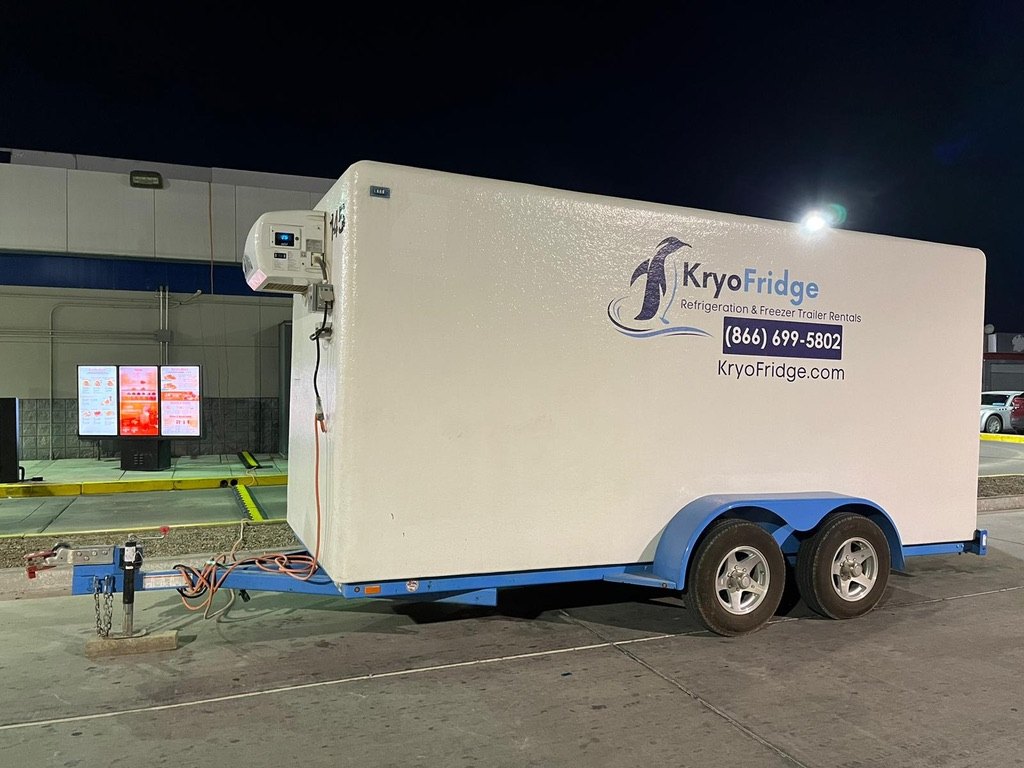
4 industry pages
Events run on a clock, and cold space is the piece people plan last. Caterers, beverage teams and production crews all need somewhere to hold product on a site with no kitchen. We deliver ahead of load-in and pick up after tear-down, so nobody on your crew tows a rig or signs for one.
Most event bookings run two to five days. Bigger jobs, like a stadium season or a multi-week shoot, book by the month instead. Tell us where the trailer can sit and what power is there, and we work out the rest. Anyone putting on a large outdoor show should look at cold storage for concerts and festivals, since vendor row and the beer garden usually want separate units.
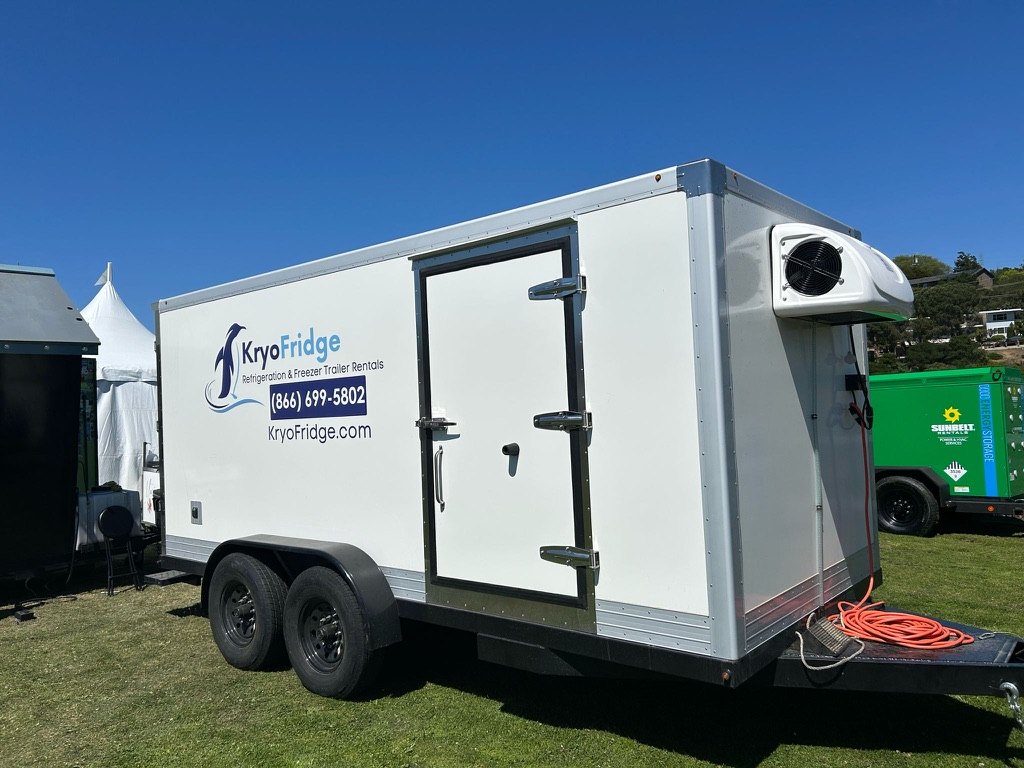
Cold and frozen storage behind the stage for food vendors and beverage teams. Festival crews stage one unit at vendor row and another at the beer garden.See the page →
Cake, florals, catering trays and cases of beverage in one cold spot on site. We deliver the day before so the caterer loads on their own schedule.See the page →
Craft services and catering support on a location with no kitchen. The trailer runs off the same generator as the rest of base camp when there is no power drop.See the page →
Frozen and chilled storage for concession stands across a season or a single event weekend. Venues park units near the dock so runners restock stands between innings.See the page →
4 industry pages
Hotels, hospitals, campuses and regulated storage all share one problem. The kitchen or the cooler is part of a building, and buildings get remodeled, lose power, and run out of room during the busiest week of the year. A trailer adds cold space without anybody touching the building.
These jobs are longer and better planned than a restaurant call. Purchasing wants a written quote, facilities wants a site plan, and someone has to confirm the circuit. We handle all three before the delivery date instead of on it. Facilities teams working through a dining hall project usually start with campus dining cold storage.
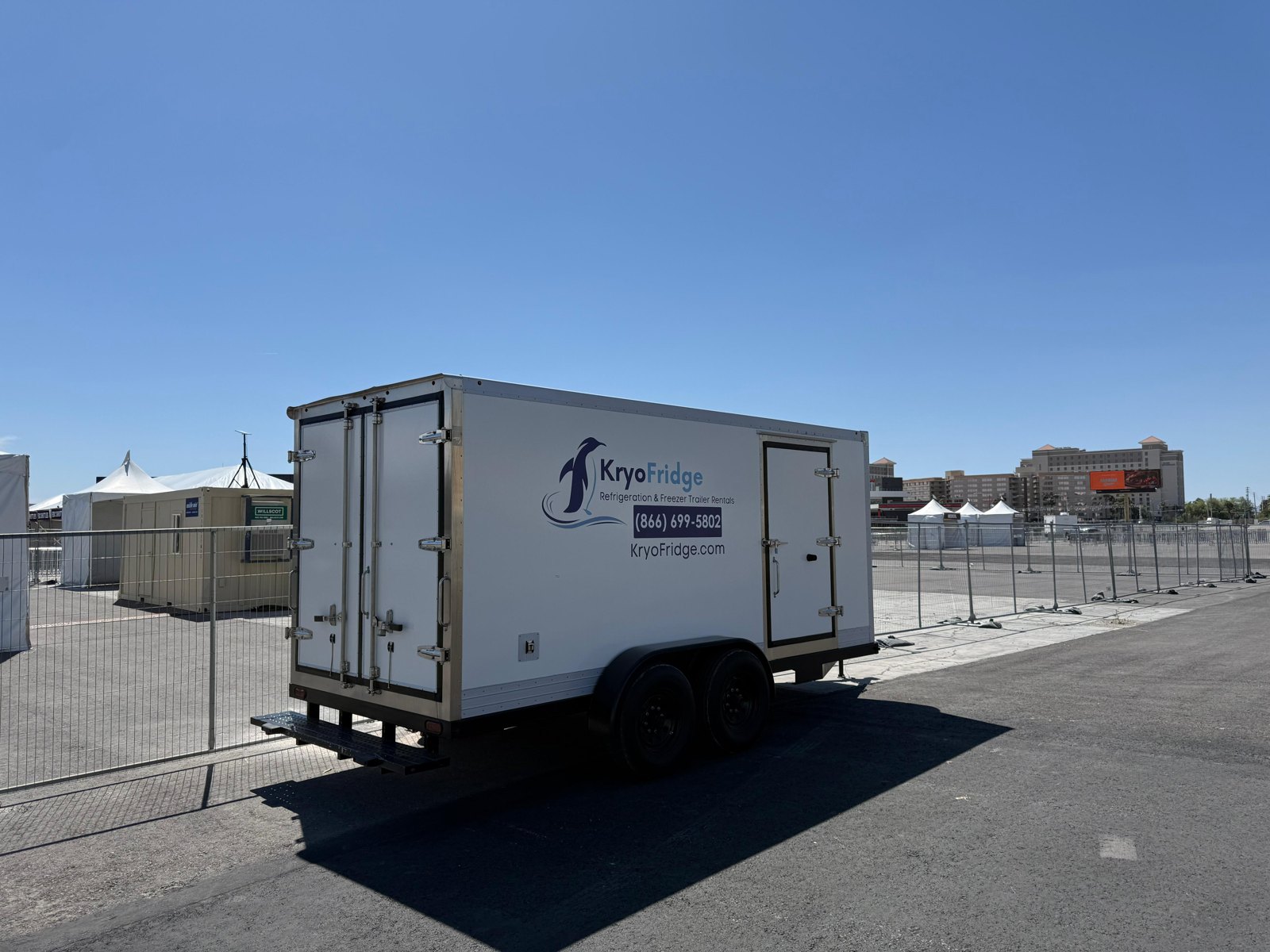
Banquet and restaurant overflow during peak weeks and kitchen work. Resorts keep a unit at the service yard so banquet product stops crowding the main walk-in.See the page →
Held temperature storage for regulated product during a move, a build or an outage. We confirm the set point and the power plan in writing before the trailer leaves the yard.See the page →
Cold storage for dietary departments, kitchen remodels and campus events. Hospitals usually want the unit on a paved pad near the dock with its own circuit.See the page →
Cafeteria and dining hall overflow during a remodel or a heavy campus weekend. Districts tend to book for the school year, and campuses book by the semester.See the page →
2 industry pages
When a walk-in quits, the clock starts on everything inside it. Same story when a storm takes the power out for two days, or a distribution site runs short of frozen space on the worst possible weekend. Our dispatch line answers any hour and we route the closest trailer to you.
Agencies, relief groups and food banks often plan ahead instead of calling in a panic. They hold a unit through a season or a fire window, then add more as the volume climbs. If you are staging for a power shutoff, our emergency cold storage page covers what we need to know to move fast.
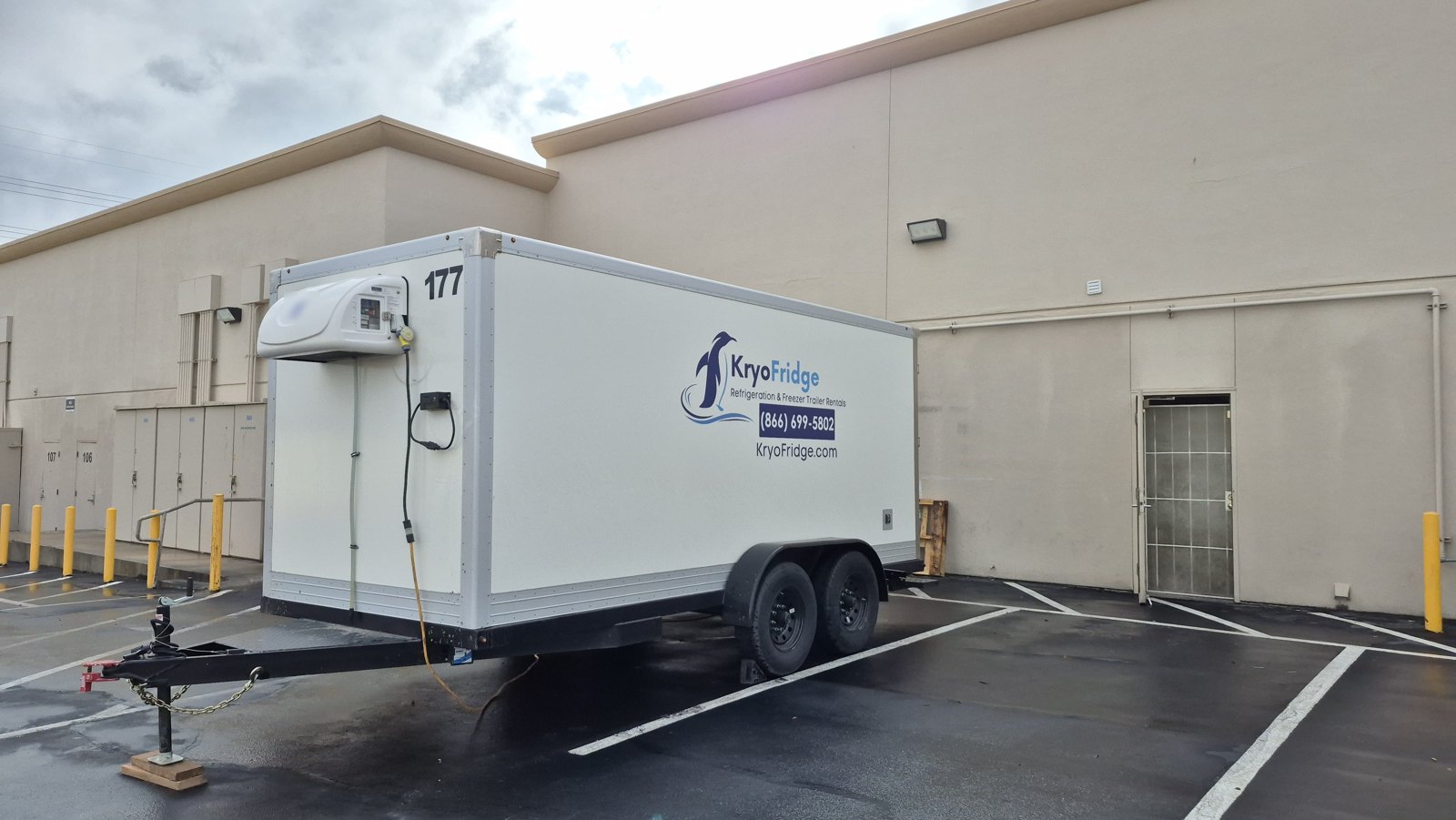
Same day response when a walk-in quits or the power goes out. Call the dispatch line any hour and we start routing a trailer from the closest yard.See the page →
Cold and frozen space for donated product during a drive or a distribution push. Food banks often hold a unit through the holidays and add a second for large drops.See the page →
1 industry page
Warehouses and distribution yards use trailers as overflow that comes and goes with the volume. A cooler under repair ends the same way as a seasonal spike or a load that showed up before the space was ready. You need cold square footage in the yard this week, not next quarter.
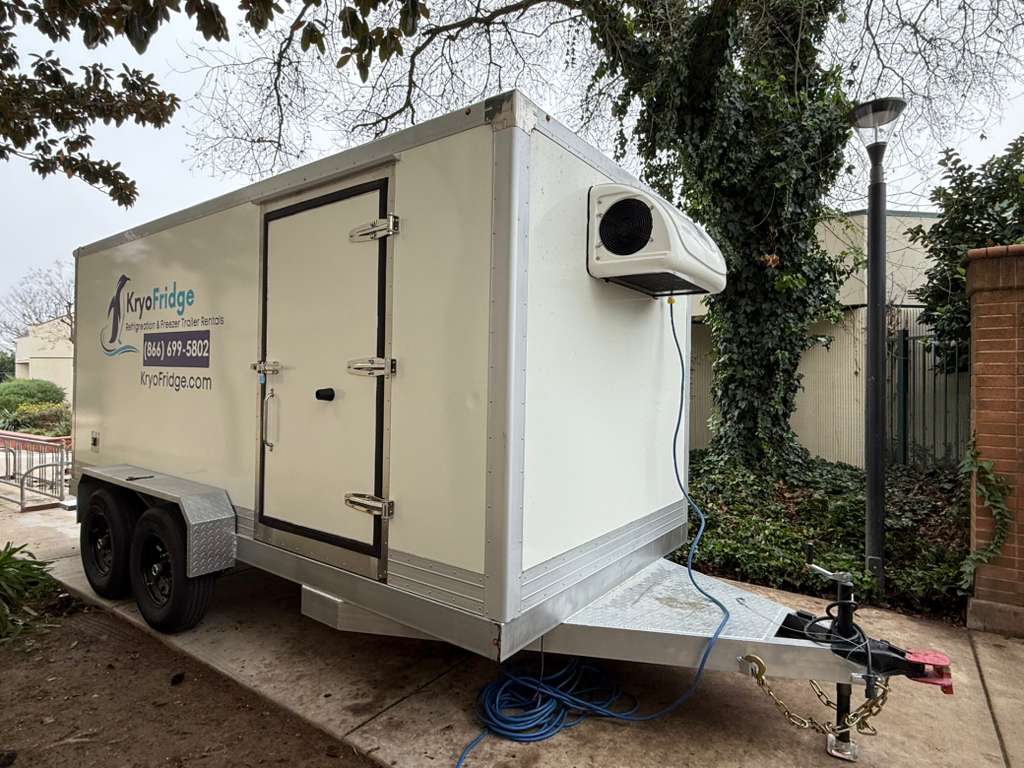
These are the easiest deliveries we do, because there is almost always room to back in and power close by. Ask for a ramp if you plan to load with a pallet jack, or we can set the unit right at the dock face. Most yards start with extra cold space at the dock and add units as the season builds.
1 industry page
Some of the best uses for a cold trailer do not fit a neat category. Florists are the clearest example. Cut flowers hold much longer in steady cold, and the two biggest flower weeks of the year land on the same dates every single year, which makes the rental easy to plan.
If your business needs cold space and you do not see it on this page, call anyway. We have delivered to labs, print shops and a few jobs nobody would guess from the outside. Florists can start at flower cooler trailer rentals and we will size the unit over the phone in about five minutes.
The equipment is the same no matter what you put in it. What changes is how we stage it, power it and service it for your kind of work. These six things come with the trailer on every job, in every industry on this page.
We bring the trailer, back it in, level it and plug it in. Nobody on your crew tows a rig or signs for one. When the rental ends we pull it out the same way it came.
Every unit is washed, sanitized and pulled down to your temperature before it leaves the yard. Food-safe interior, interior light, and a door that locks when the site is empty.
We carry commercial insurance and send a certificate to your venue, your general contractor or your purchasing office before the delivery date, not after somebody asks.
KryoFridge runs the largest freezer and refrigerated trailer fleet in the western United States. When a job grows and you need a second unit, there is usually one to send.
If the unit acts up, we come out and fix it or swap it. That is part of the rental, not a separate ticket and not a separate bill.
We have been in the equipment rental business for more than 30 years. That mostly shows up in small things, like the trailer arriving inside the window we gave you.
We size the unit, confirm the delivery window and send a written quote. Emergencies get a live dispatcher at any hour, including nights and weekends.