
Cold Storage When Hayward Can’t Wait: Freezer Trailer Rentals in Hayward, CA
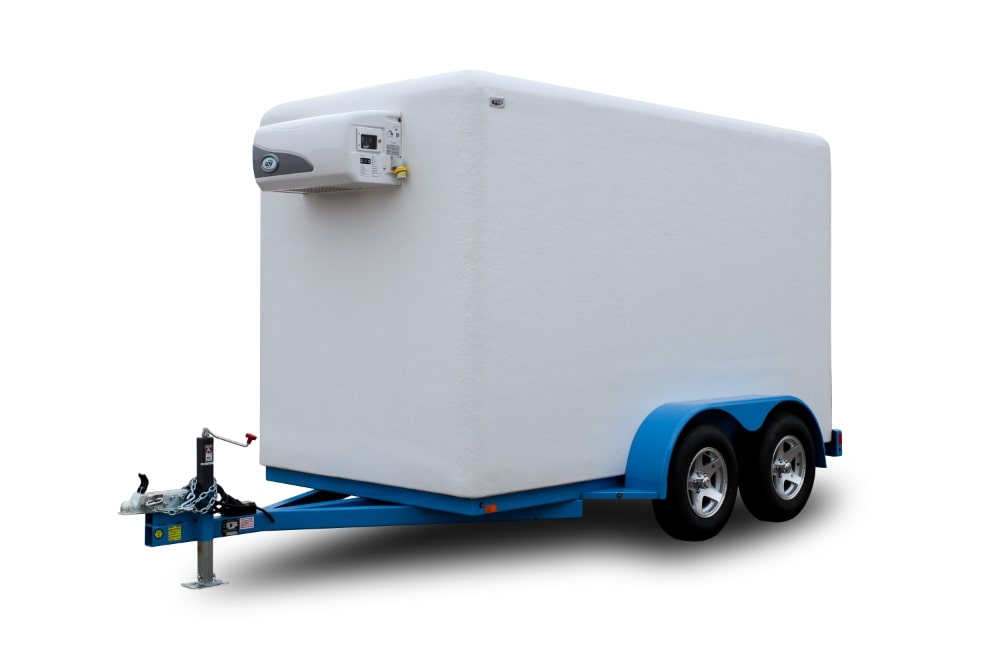
NSF-approved mobile freezer and refrigerated trailers, staged for the East Bay and delivered to Hayward’s food manufacturers, cold-storage warehouses, distribution docks, restaurants, and events. We run one of the largest dual-purpose freezer fleets on the West Coast, we’re licensed and insured, and our 24/7 line is the one that picks up when a production cooler quits at the wrong end of a second shift off the 880.
Hayward’s Go-To Source for Freezer Trailer Rentals. Right Here in the East Bay
Spend any time around the warehouses west of the 880 and you learn the same lesson every Hayward operations manager already knows: cold capacity is fine until the afternoon it isn’t, and then it’s everything. A reefer zone trips, a walk-in compressor gives out mid-run, a co-packer lands a rush order with nowhere to stage the frozen product, and suddenly the question isn’t whether you need a trailer, it’s how fast one can be backed into your yard. That’s the call we’re built to answer.
We keep freezer and refrigerated trailers staged for the East Bay, which means a Hayward business isn’t waiting on a unit to be trucked up from somewhere far off. It’s already nearby and ready to roll. And the person who answers when you call is the one who owns, services, and dispatches the trailer. We’re a direct operator, never a broker: no middle layer marking up someone else’s equipment, no “let me check with my supplier” while your inventory drifts toward the danger zone. You get a straight answer and a trailer that holds its set-point.
The Heart of the Bay Runs on Things That Have to Stay Cold
Hayward calls itself the Heart of the Bay, and it earns the name as a working city (a place where freeways, freight, and food production meet). Roughly 160,000 people live here in central Alameda County, and a striking share of what they build, pack, and ship has to hold a temperature to be worth anything.
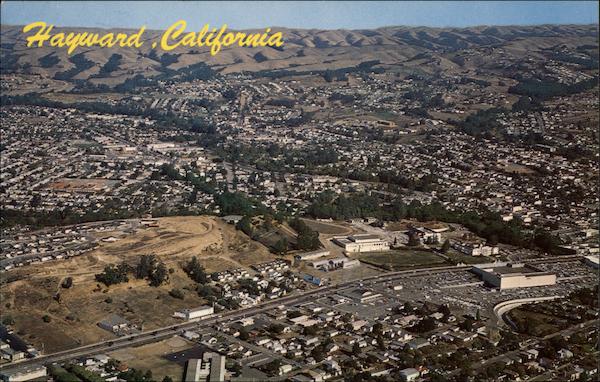
The story here was never really about glamour, it was about making and moving goods. Hayward grew up as an industrial and manufacturing town, and that backbone is still standing: the corridor that runs alongside Interstate 880 is one of the densest concentrations of food and beverage production, third-party logistics, and cold-storage warehousing in the Bay Area. More than a hundred food manufacturers and distributors operate in town. They make candy, cheese, baked goods, seafood, and packaged products by the truckload, and every one of those lines depends on cold to protect what it ships.
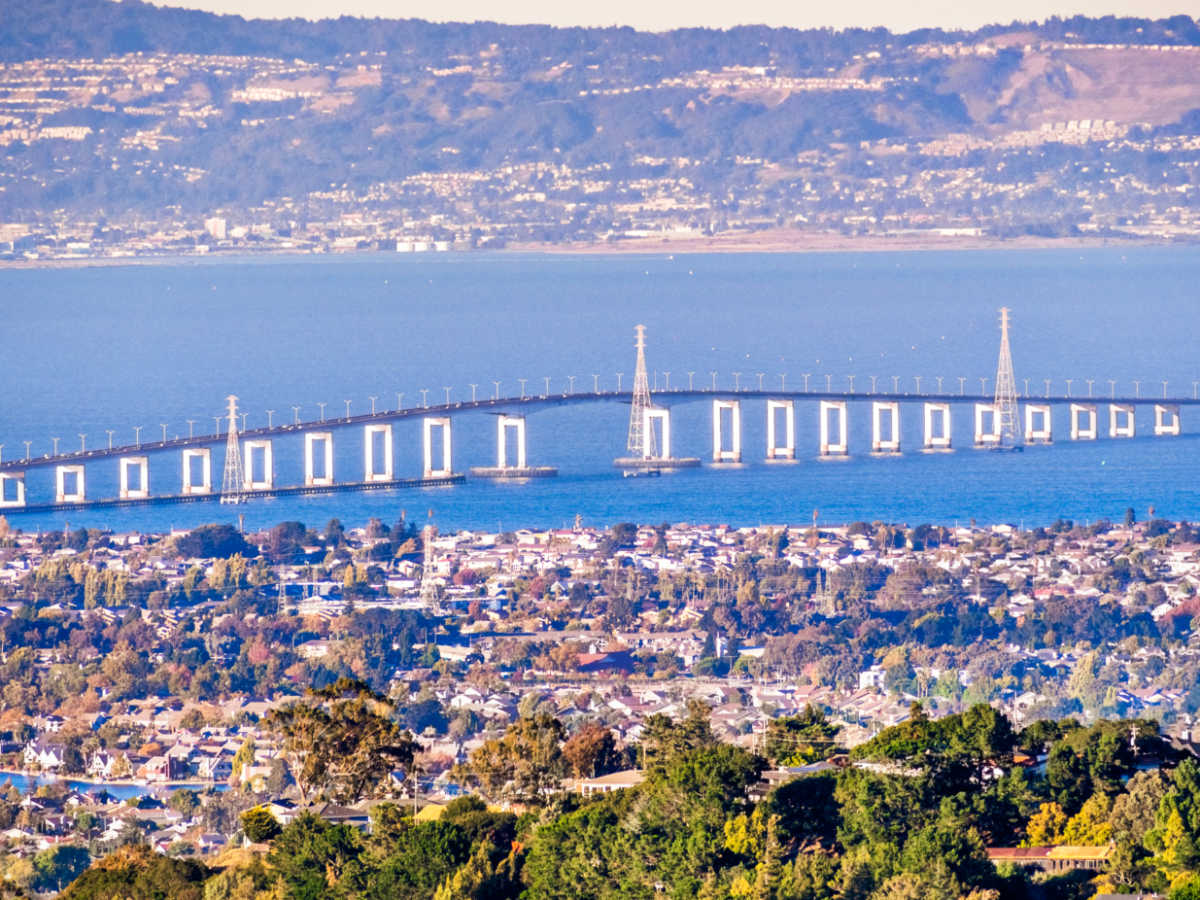
Sitting where it does. At the foot of the San Mateo Bridge, with the 880, 92, 238, and 580 all within reach. Hayward functions as a hinge between the Port of Oakland, San Francisco, and the Silicon Valley markets to the south. For everything that passes through that hinge frozen or chilled, cold storage isn’t a nicety. It’s the difference between a clean shift and writing off a pallet of product.
Hayward between the bay and the hills. The same freeway and freight access that made it a manufacturing town now drives its food-production and distribution economy, and every link in that chain is a potential cold-storage customer.
The Cold-Storage Name the Country’s Biggest Brands Keep on Speed Dial
Holding temperature for national brands is not something you fake your way into. KryoFridge has supplied mobile refrigeration to names like McDonald’s, Chick-fil-A, and Dutch Bros. Operations that choose a cold-storage partner with the same scrutiny they apply to a food supplier, because a unit that drifts out of spec costs them product, inspections, and reputation all at once.
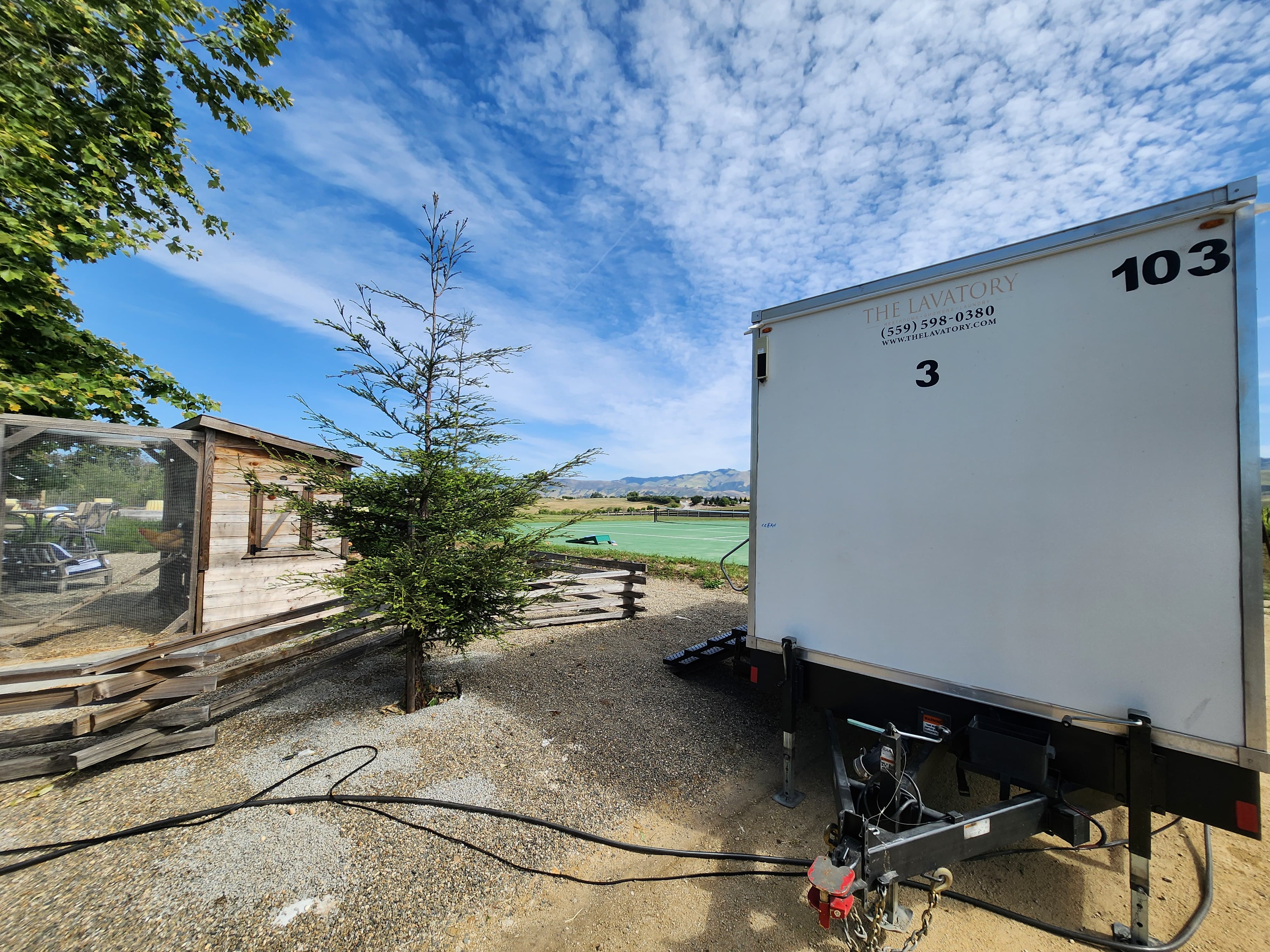
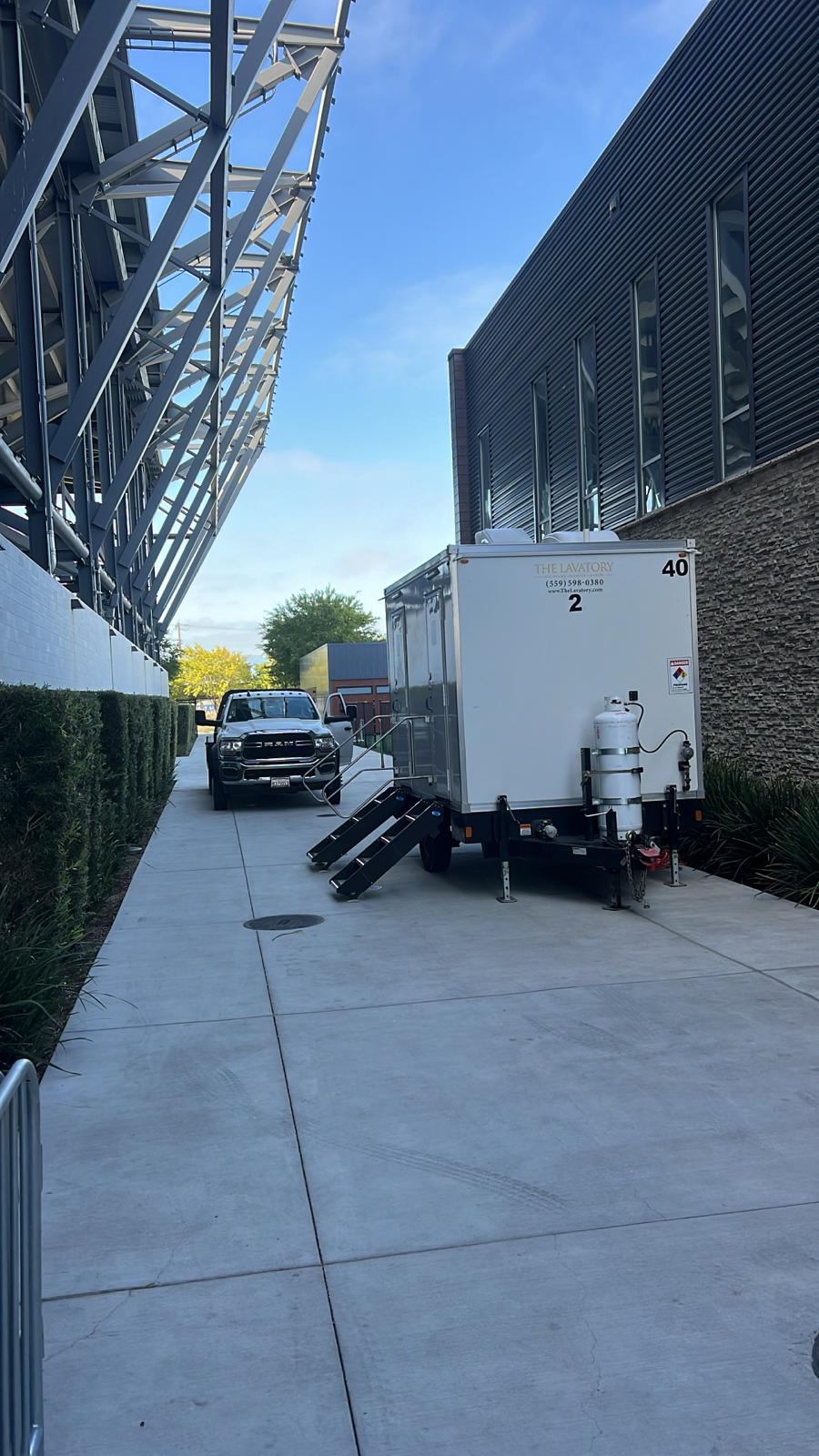
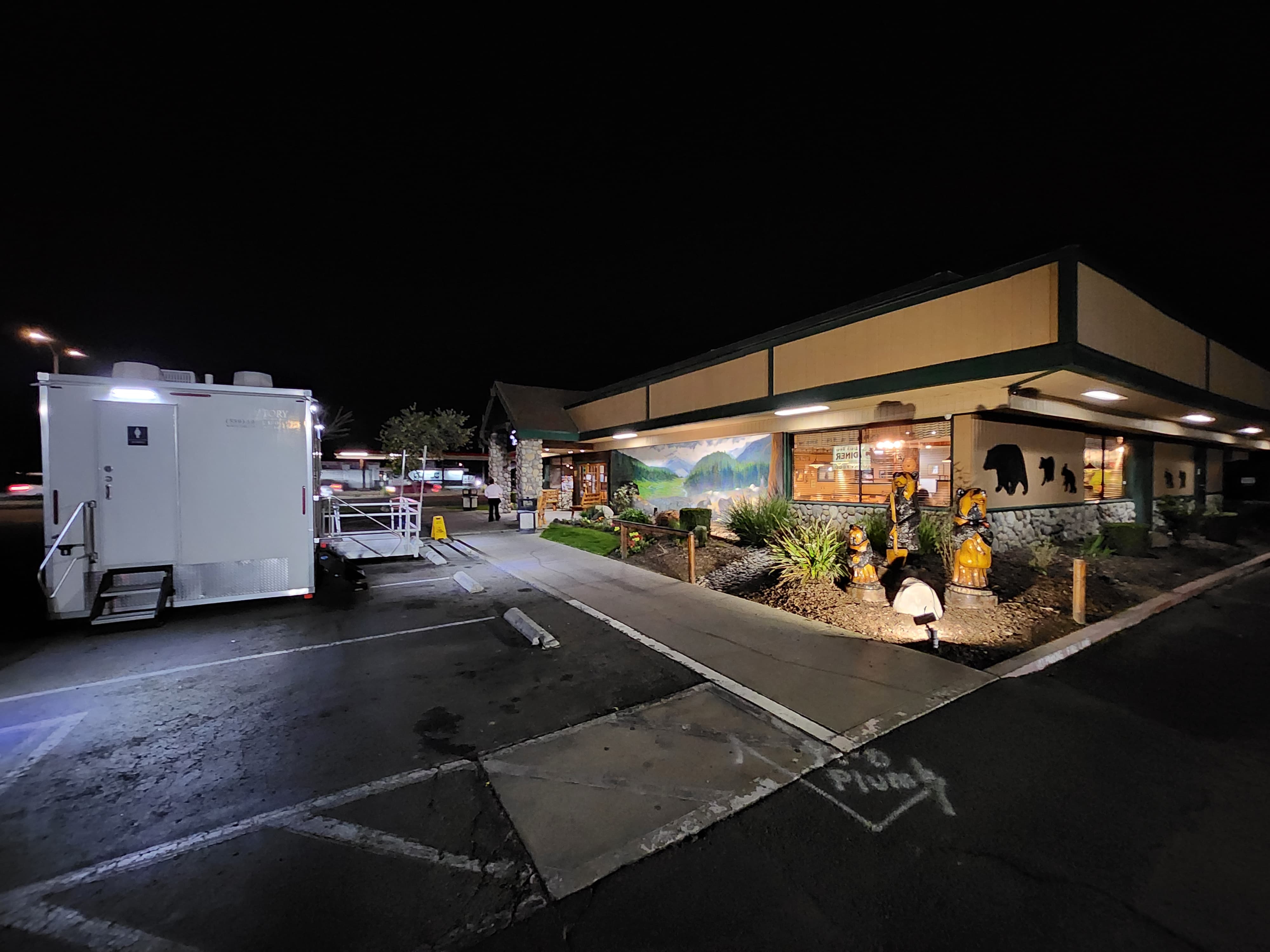
Two of those calls tell you how we work. A Chick-fil-A lost its walk-in at 6:30 on a Friday evening, peak dinner, drive-through wrapped around the building. And we had a freezer trailer on site and pulling temperature 34 minutes after the phone rang. A Denny’s blew the fuse on its walk-in overnight heading into Mother’s Day, one of the busiest mornings of their year. Our dispatch staged three freezer trailers before the first ticket printed and carried them through the rush with the pies, proteins, and prep intact. The same standard travels to Hayward whether you run a single taqueria off Mission Boulevard or a co-packing line near Industrial Parkway (the trailer has to hit its number), hold it through a long shift, and stay clean enough to satisfy an Alameda County inspector.
Why Hayward Operations Reach for a Freezer Trailer
Cold-storage demand here rarely lands on a calendar. It shows up as a failed compressor, a production overflow, a remodel, or a rush order that outgrew the building. These are the calls we field most across Hayward. Each paired with a real photo of the kind of operation behind it.

🏭 Food & Beverage Manufacturing
Production overflow, line changeovers, and rush co-packing runs for the dozens of food makers and beverage plants along the 880.
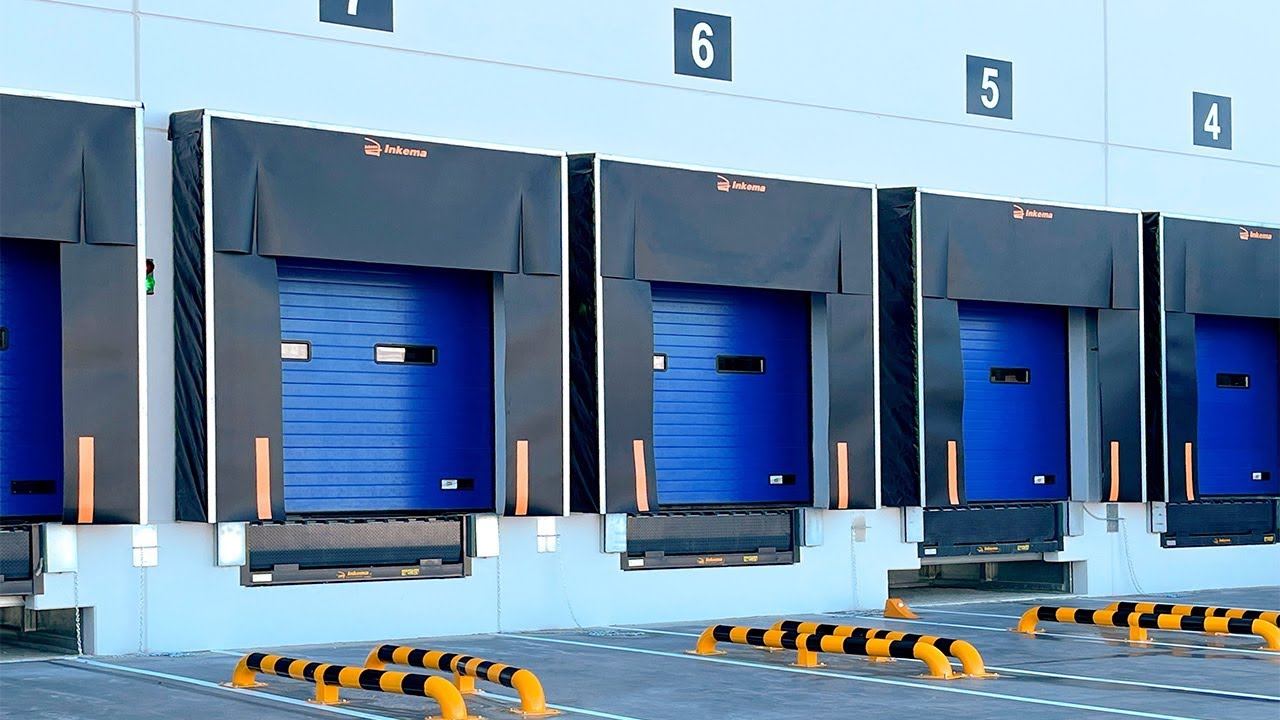
📦 Distribution & 3PL Cold Chain
Temporary reefer capacity for the warehouses and third-party logistics yards when a freezer zone fails or inbound volume spikes.
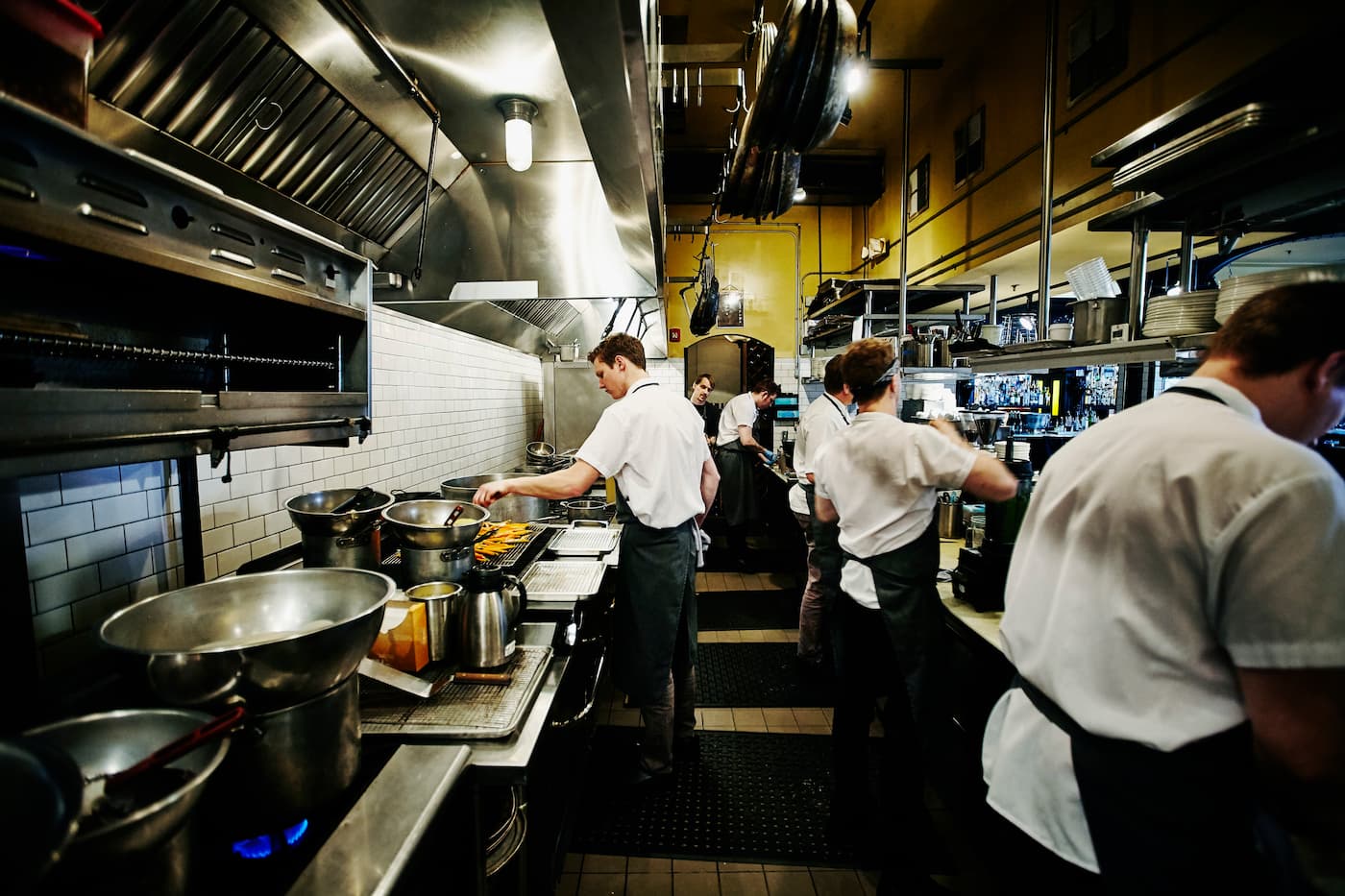
🍽 Restaurants & Kitchens
Walk-in failures, remodels, and seasonal overflow across the downtown B Street corridor and Hayward’s working-class food scene.
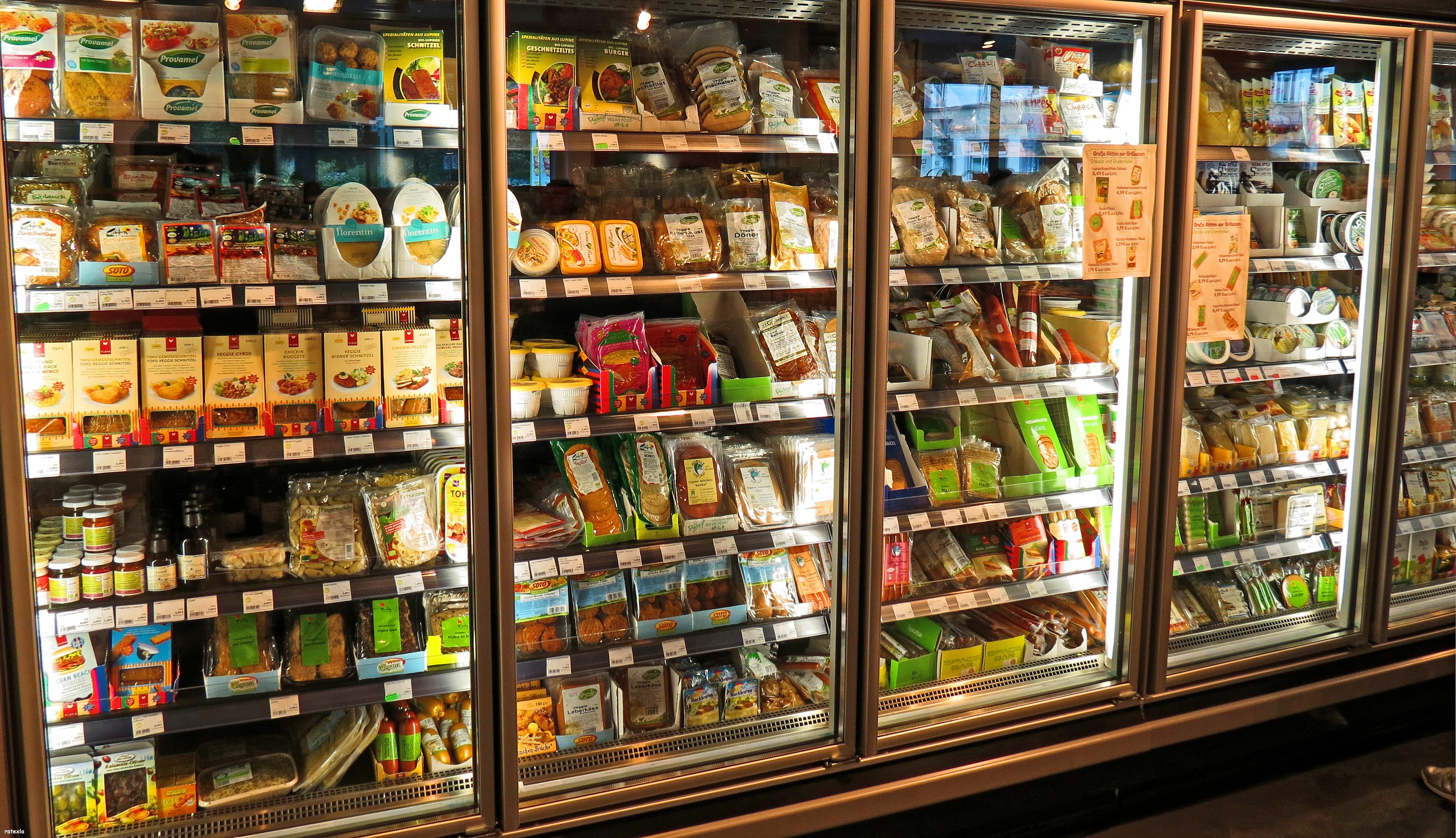
🛒 Grocers & Markets
Backup refrigeration during a case or compressor outage, a store reset, or a holiday inventory surge.
🚨 Emergency & Outage Backup
24/7 deployment for compressor failures, PG&E outages, Public Safety Power Shutoffs, recalls, and disaster-relief cold chain.
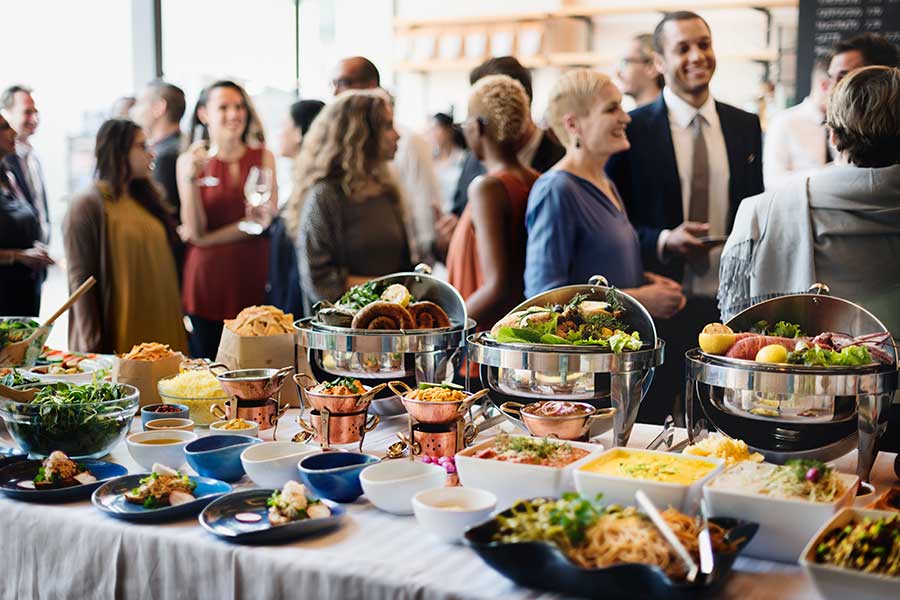
🎪 Events & Catering
On-site cold and freezer space for festivals, weddings, and catered events when ice chests stop being enough.
What links every one of these calls is timing. Almost nobody schedules a freezer trailer in advance. The need lands the hour a compressor quits, the morning a remodel breaks ground, or the night a co-packer says yes to an order with nowhere to put it. Since we hold units close to the East Bay, “could you get one out here today?” is a normal ask in Hayward rather than a stretch.
Our Trailers, Earning Their Keep Across Hayward
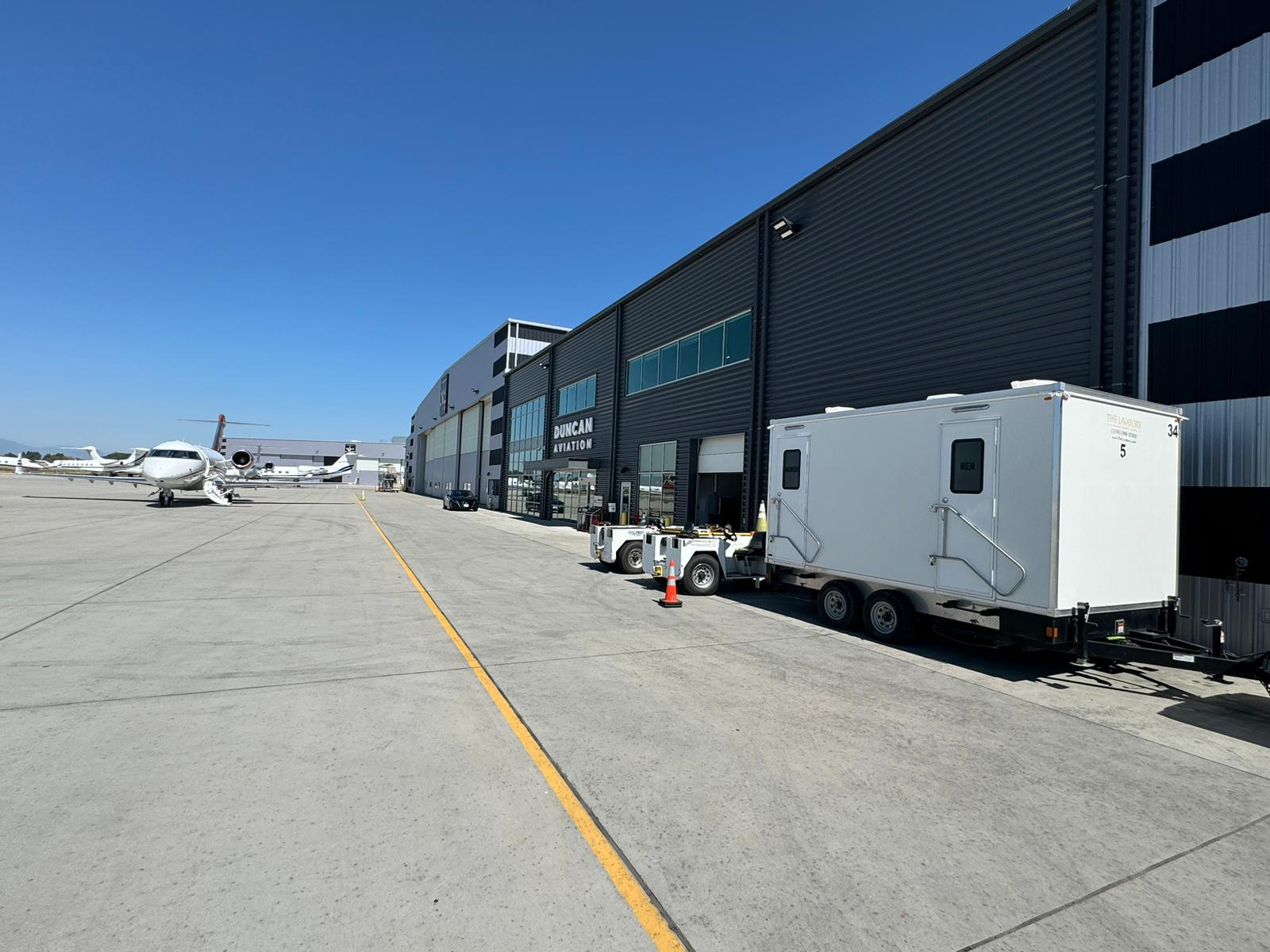
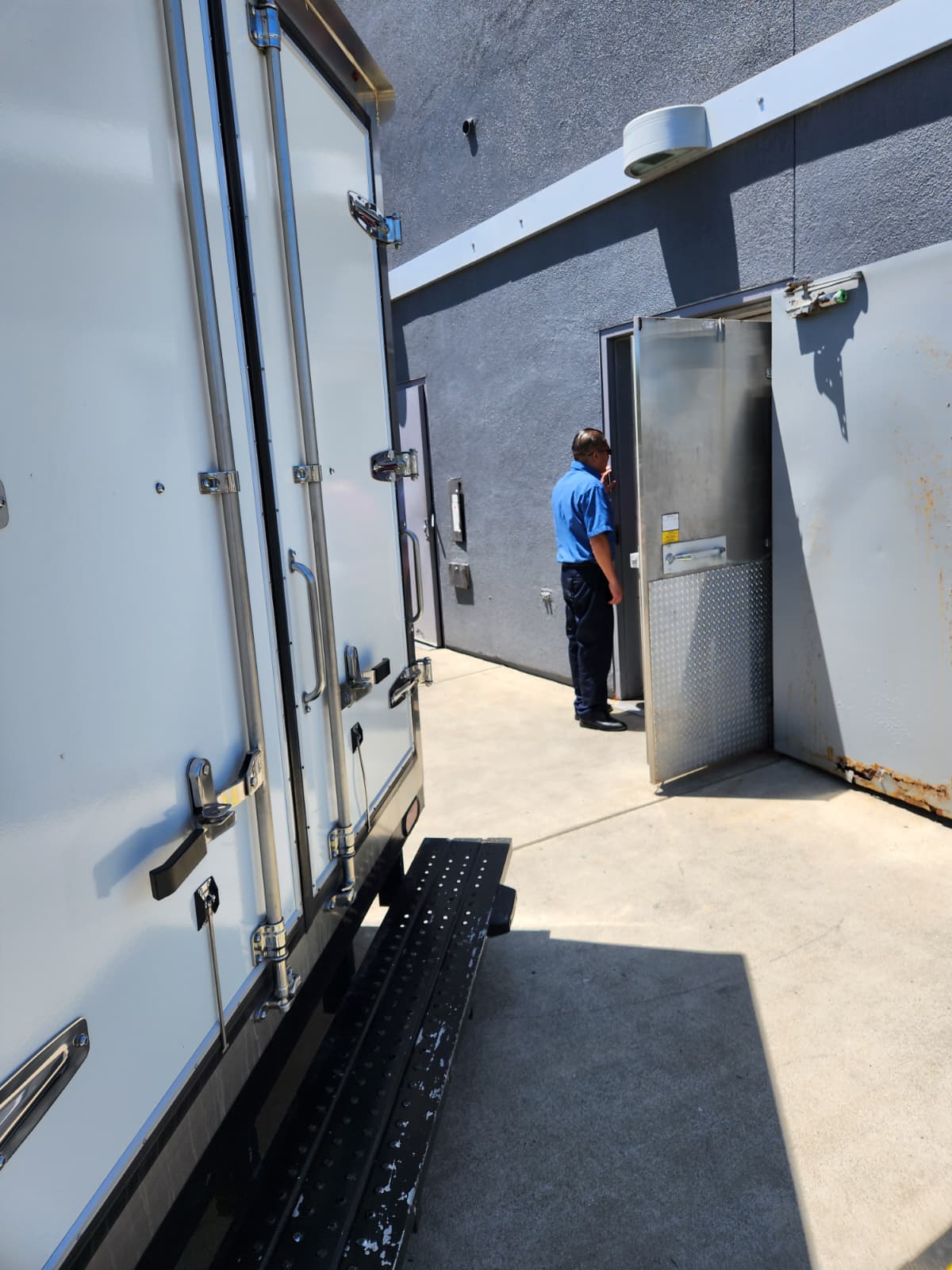
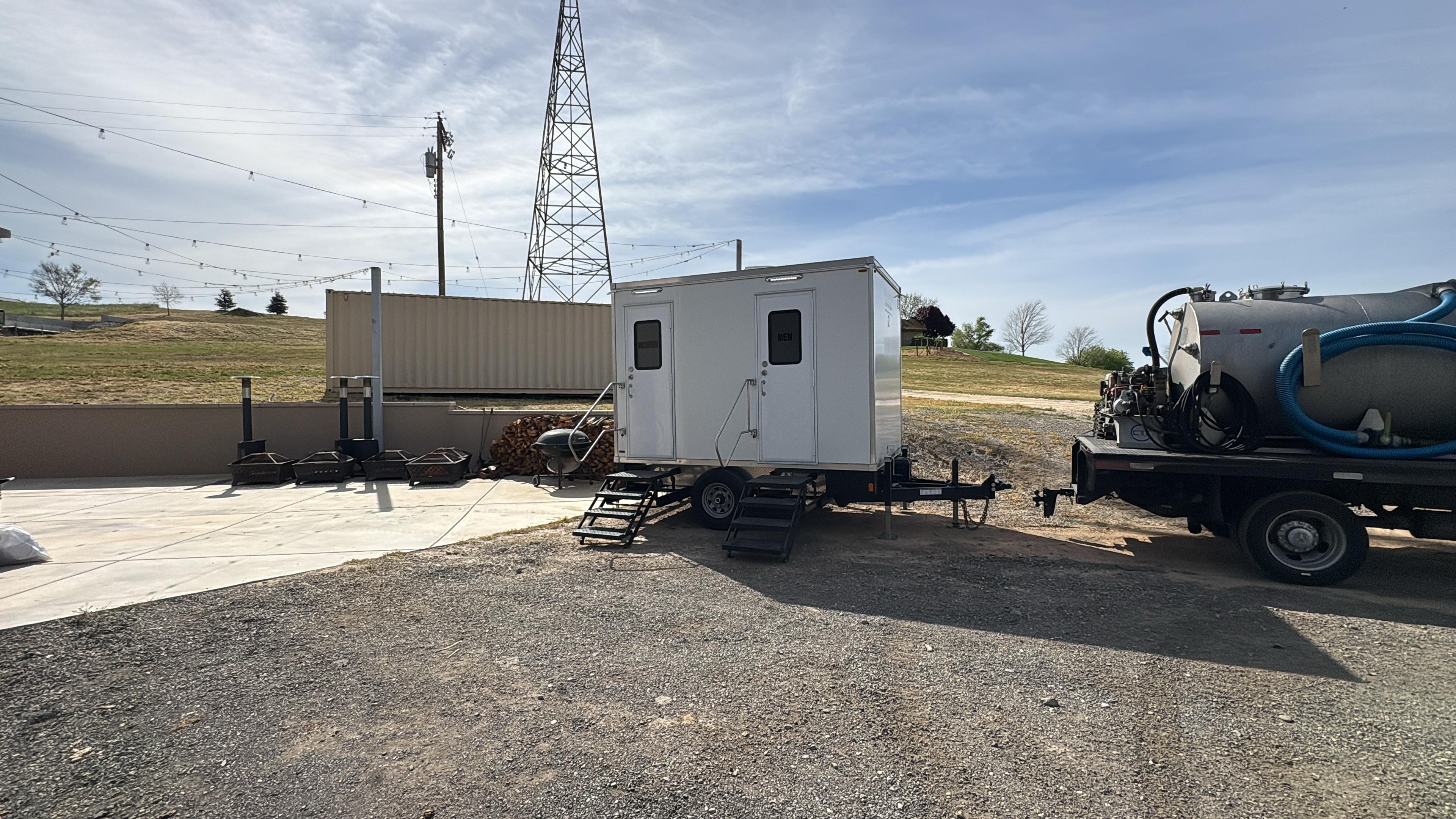
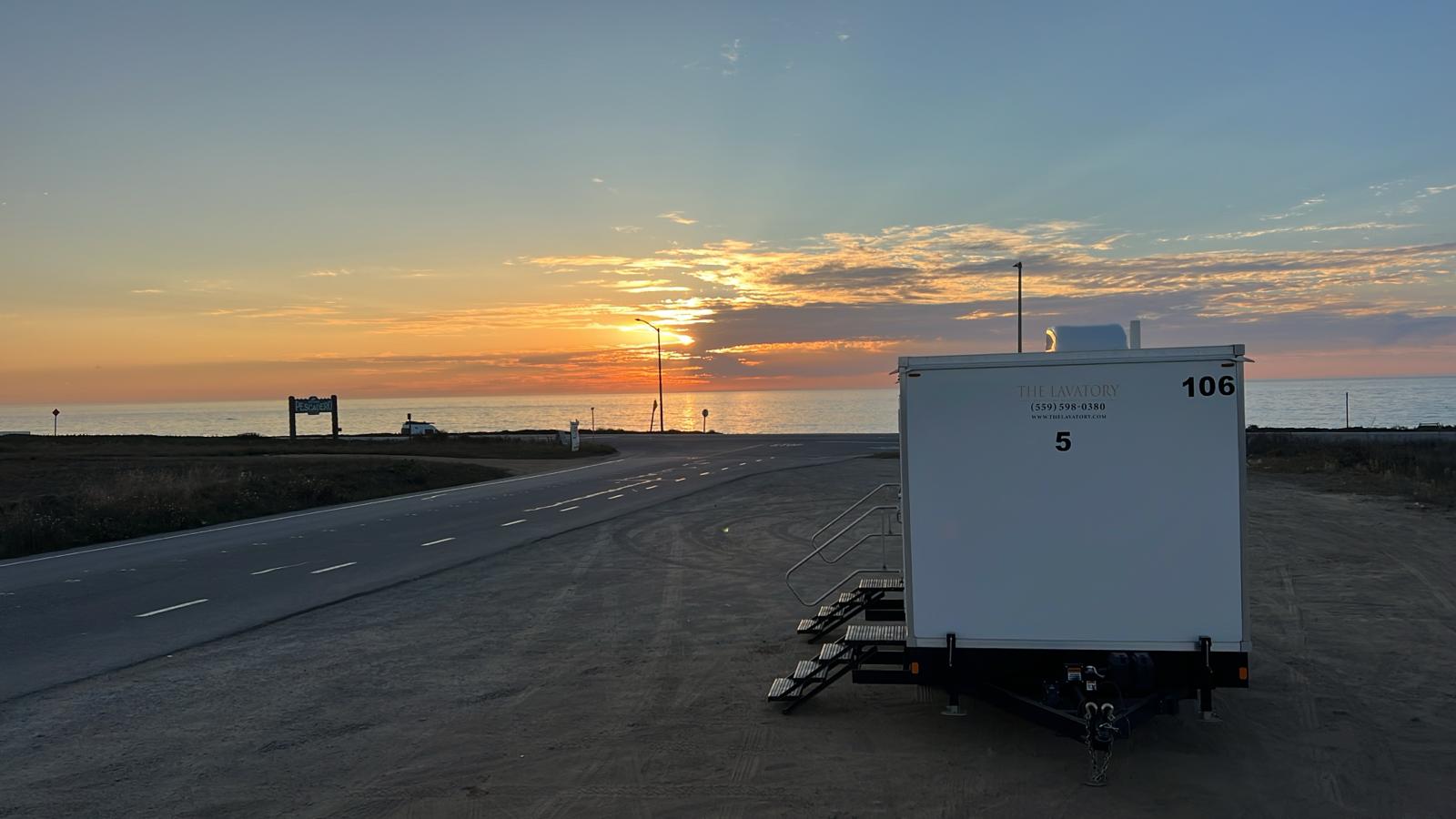
Real KryoFridge units on real jobs, warehouse yards, restaurant lots, loading docks, and late-night outage calls around the East Bay.
Cold Storage for the 880 Food-Manufacturing & Logistics Corridor
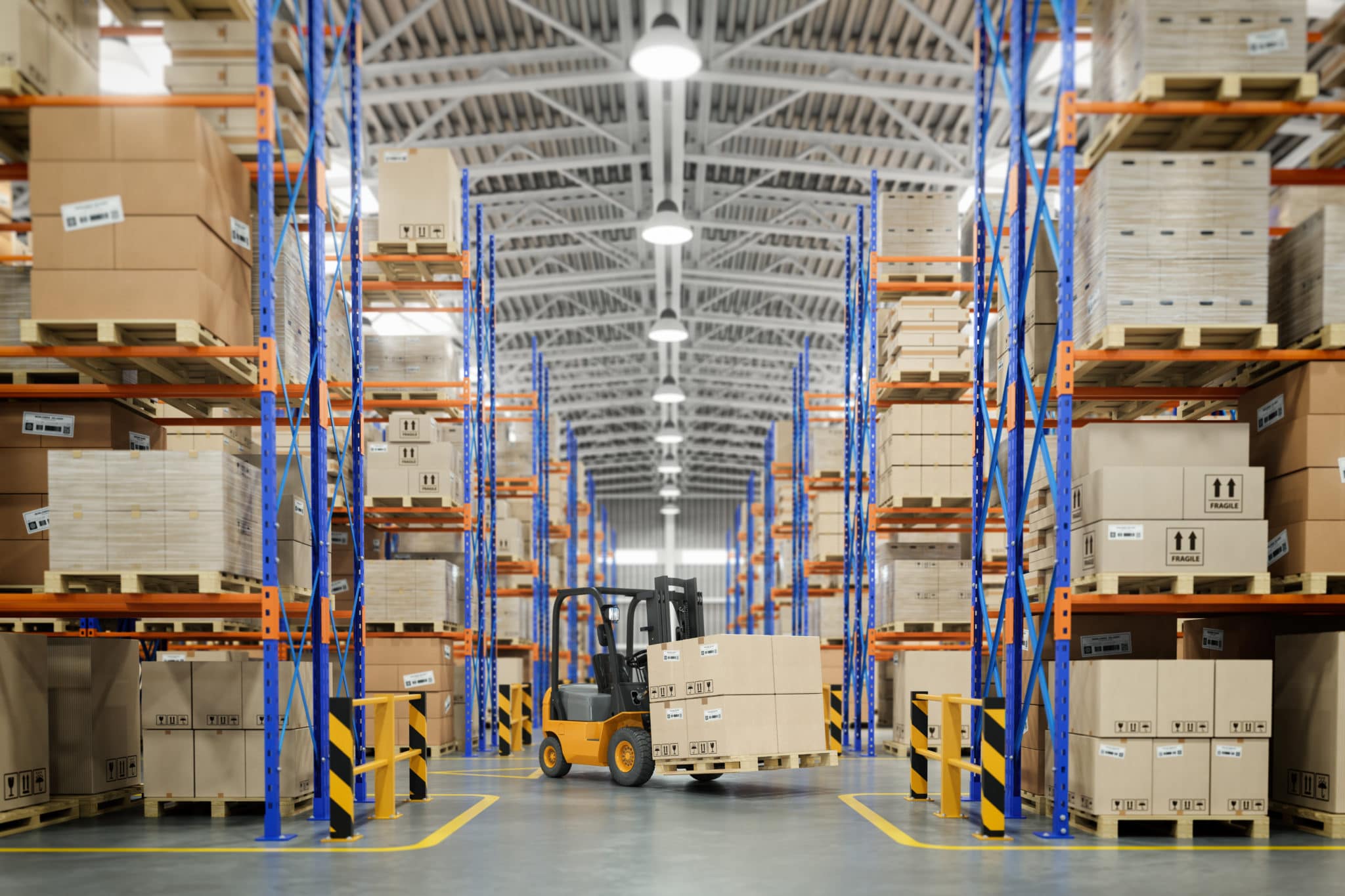
Hayward’s industrial identity is built on production and movement. The roster of makers in town reads like a Bay Area pantry. Annabelle Candy, Pacific Cheese, Sugar Bowl Bakery, Casa Sanchez Foods, Berkeley Farms dairy, Mission Foods, plus seafood houses and beverage plants, and around them sits a deep bench of advanced manufacturing and the warehouses that feed Northern California’s supply chain. Names like Columbus Manufacturing, Heat & Control, and the big third-party logistics operators all sit inside that 880 belt.
For operations like these, a freezer trailer is operational insurance. A co-packer whose freezer zone goes down can stage frozen product in a 6×16 within the hour instead of leasing outside truck space at peak rates. A bakery or dairy running a seasonal overflow adds temporary cold capacity for a few weeks without a permanent buildout. A 3PL that lands an inbound surge. The kind that arrives by rail and the Port of Oakland and gets sorted for the South Bay (can park a row of reefer trailers on the yard and absorb it cleanly.
Retail and food service carry the same exposure on a smaller footprint). The markets and kitchens around downtown Hayward, the Southland Mall trade area, and the Mission Boulevard corridor run on tight margins and tighter cold chains, a single failed walk-in on a Friday can erase a weekend’s product. Because we own the fleet, we size the response to the job: a compact unit for a corner kitchen, a multi-trailer setup for a warehouse, and we do it the same day.
Hayward’s Bay Climate. Mild on Paper, Punishing on a Failed Compressor
Hayward’s weather looks gentle from the outside, bay-moderated, with summer highs that usually settle in the 70s and low 80s rather than the triple digits inland cities fight. That mild average is exactly why a cold-storage failure here catches people off guard. Refrigeration equipment that coasts through a temperate spring doesn’t get tested the way it does in the desert, so an aging compressor can run for years masking a weakness that only surfaces under load.
Then the conditions stack up. A late-summer heat spell pushes inland off the hills, a packed production cooler runs flat-out during a harvest pack or a holiday build, and the unit that always coped suddenly can’t. Add the bay’s humidity and the condensation and drainage demands that come with it, and you get a real-world load that a spec sheet’s mild test environment never sees.
Our trailers are engineered for the worst-case ambient, not the average one. The reefer units carry enough refrigeration headroom to pull and hold deep-freeze in a hot, full warehouse, so a 6×16 dropped in a Hayward yard during a September heat run behaves the same as one sitting in a mild March. When you’re planning around the season, or reacting to it, that margin is the whole point.
When the Grid or the Ground Gives Out: Emergency Cold Storage in Hayward
Hayward lives with two hazards that put cold storage squarely on the critical list, and neither one cares whether your equipment was working fine an hour earlier. The first is the grid: when fire-season winds spike the danger in the hills above town, PG&E can call a Public Safety Power Shutoff that de-energizes whole neighborhoods. The city has staged firefighters and opened a cooling and charging center at City Hall during past events. Every walk-in and reach-in on that circuit goes dark at the same moment.
The second is the ground. The Hayward Fault runs straight through town, directly beneath the old city hall. And seismologists put the odds of a major quake on it in the coming decades uncomfortably high. After a significant shake, restoring fixed refrigeration can take days, and a row of generator-powered trailers becomes mobile cold-chain infrastructure for grocers, food banks, and emergency operations while the building systems are offline.
That’s exactly where a generator-backed trailer earns its keep. For a business, it holds inventory frozen straight through the outage. For emergency management, recall response, and disaster relief, a staged row of reefer trailers keeps food and supplies in-spec for shelters and crews. Because we own the fleet and run 24/7 dispatch, we can move fast on these events and scale the response (one unit for a single storefront, several for a coordinated operation). When the grid or the building itself is what failed, cold storage that runs independent of both is the entire idea.
Sizing the Right Trailer for Your Hayward Job
Three sizes cover everything between a single-unit overflow and a full disaster or event deployment. Every trailer holds a precise digital set-point across the deep-freeze and fresh-cold range, and runs on one dedicated circuit or a generator.
| Trailer | Best for | Temp range |
|---|---|---|
| 6×8 | Tight lots, small kitchens, short overflow | -10°F to 50°F |
| 6×12 | Grocers, caterers, mid-size production | Deep-freeze capable |
| 6×16 | Warehouses, large events, disaster | Heavy-duty reefer |
Every size locks to a digital set-point and draws from one dedicated 120V/20A line or a generator.
6×8, the compact unit for tight East Bay lots
This is the trailer for a single failed walk-in, a small market, or a short overflow where space is the constraint. It tucks into the cramped lots common around downtown Hayward and the older Mission Boulevard storefronts, and it slips into spots a longer trailer simply can’t reach. If you run a corner restaurant or a neighborhood grocer and your cooler quit, this is usually the right-sized call.
6×12. Our most-rented size for grocers, caterers & mid-size runs
Deep-freeze capable with real walk-in-equivalent room, the 6×12 is the workhorse: a grocery backup, a multi-day catered event, a restaurant covering a remodel, or a small co-packing line absorbing a production overflow. It’s big enough that nobody’s rationing shelf space and compact enough to drop in most commercial back lots and warehouse yards.
6×16, the heavy hauler for warehouses, festivals & disaster staging
A heavy-duty reefer built to hold deep-freeze in a hot, full box, the 6×16 is the unit for staging frozen pallets when a warehouse zone fails, anchoring a large festival’s cold chain, or backstopping a disaster-relief operation. The wide docks and yards along Industrial Parkway and the 880 corridor take a 6×16 with room to maneuver, and when you need more than one, we stage them together.
Not sure which fits? Tell us roughly what you’re storing and for how long, and we’ll size it for you, no upselling you into a box bigger than the job.
What You’re Storing. And Where the Set-Point Should Land
Cold storage isn’t a single temperature. The reason a digital set-point matters is that different product holds safely in different bands, and drifting out of the right one is how a load gets lost. Here’s the working reference our Hayward customers size their rentals around.
| Product | Typical holding band | Trailer mode |
|---|---|---|
| Ice cream & frozen desserts | -10°F to 0°F | Deep freeze |
| Frozen proteins, seafood, prepared foods | 0°F or below | Freezer |
| Fresh meat & poultry (short hold) | 28°F to 32°F | Refrigerated |
| Dairy, deli, packaged produce | 34°F to 38°F | Refrigerated |
| Beverages, florals, catering platters | 38°F to 45°F | Refrigerated |
One figure does the most damage, and it isn’t on the chart: 40°F. The moment perishable food drifts up past it, into the 40–140°F band the health code tags as the “danger zone,” the bacteria count starts climbing, and inspectors treat most refrigerated product as a write-off once it logs roughly four hours up there. That four-hour fuse is why a dead cooler on a Hayward line is a stop-everything problem, not a tomorrow problem. It’s also the reason we build our reefers to muscle a set-point down and pin it under a full, working load, not just coast through a gentle test bench.
So when you reach us, lead with whatever sits at the bottom of your temperature range, and we’ll dial the box to defend that floor. A single trailer carries one freezer load cleanly. The wrinkle shows up when a Hayward caterer or an 880 co-packer is juggling deep-freeze proteins, chilled dairy, and 40-degree beverages on the same job, and at that point we’d rather stage a split layout or roll out a second unit than ask one set-point to please three jobs it can’t all satisfy at once.
Powering & Placing a Trailer on a Hayward Site
Power is the one detail worth nailing down before we roll, and it’s a quick conversation. A KryoFridge unit will run off either a dedicated 120-volt, 20-amp circuit sitting within about 100 feet of the parking spot, or a generator that comes with the trailer. What it will not accept is the 208–240V building service a lot of Hayward plants and kitchens are wired for, so we sort out which option you’ve got during the booking call instead of finding out when the driver is already on your dock.
- Dedicated outlet close by? Most Hayward restaurants, markets, and plants have one. We plug in and the unit starts pulling the box down to your set-point.
- Open yard, dock, or event field? A generator keeps the trailer running anywhere, from a warehouse yard off Industrial Parkway to an event lawn with no power at all.
- Worried about an outage? Hayward is served by PG&E, and the hills above town can see Public Safety Power Shutoffs during fire-season winds. A trailer on a generator keeps your cold chain alive while the grid is down.
Placement is mostly about clearance. The trailer wants a fairly level pad, enough room for the delivery rig to swing in and set it down, and either a power tie-in nearby or space to stand the generator. We pin the exact drop spot with you before the truck pulls out, because our drivers already know this stretch of the East Bay. They’ve threaded units into the cramped older lots off B Street and dropped them into the wide warehouse yards along the 880, so the box ends up where your forklift can actually reach it on the first try.
Keeping the Cold Going at Hayward Festivals, Weddings & Catered Events
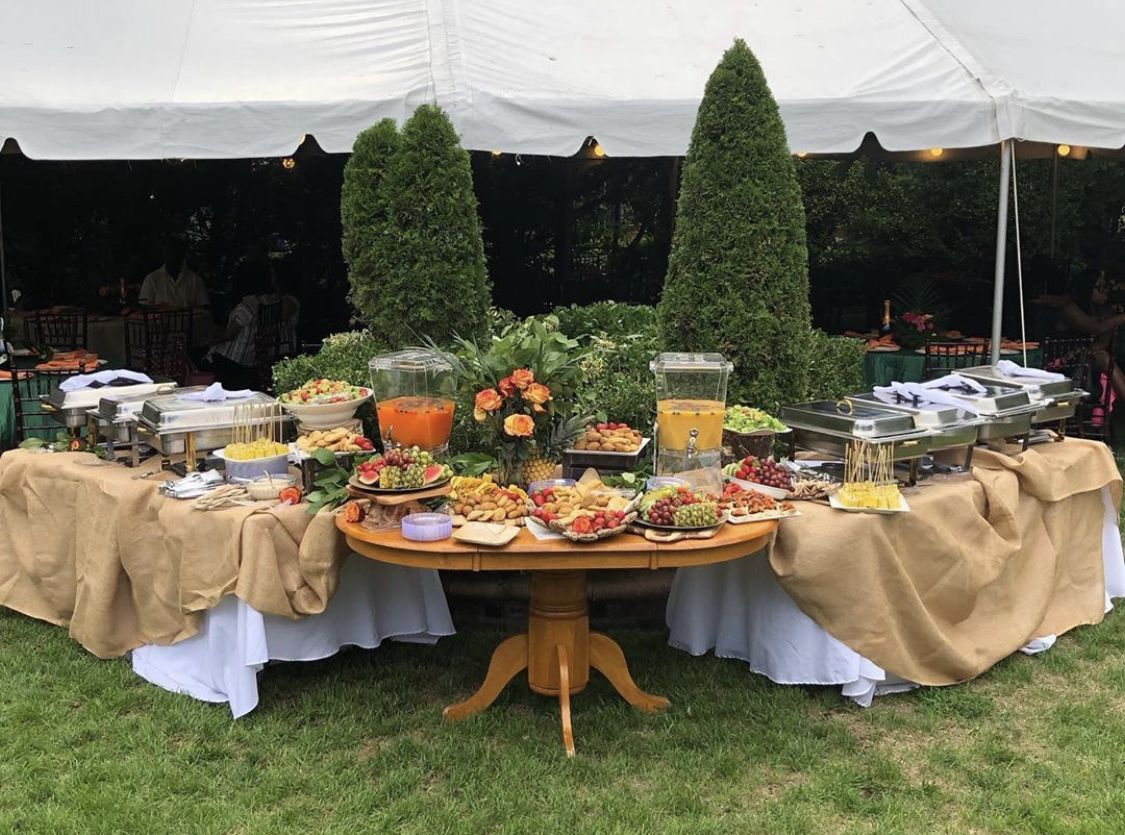
Events are where cold storage gets overlooked until it’s suddenly the problem. A caterer plating for a few hundred at a downtown wedding, a vendor row baking through a summer afternoon at the Hayward Russell City Blues Festival on the City Hall plaza, a corporate gathering tied to a Cal State East Bay event, all of it needs reliable cold and freezer space. A handful of ice chests can’t carry that load once the warmth sets in.
A KryoFridge trailer gives an event team a walk-in’s worth of capacity right on site, holding frozen desserts, fresh produce, and beverages at a steady set-point through the day. It’s quiet enough to sit near a guest area, lockable for an overnight multi-day run, and large enough that the kitchen isn’t rationing space behind the scenes.
Pulling the whole site together? Round it out with water station rentals in Hayward to keep crews and guests hydrated and restroom trailer rentals in Hayward for guest comfort. One call can handle the full setup. (cross-brand links, auto-wired into the wheel on publish)
Permits & Temporary Food Facilities for Hayward Events
If you’re serving food at a public event in Hayward, the cold chain isn’t only an operations question. It’s a permitting one. Knowing the Alameda County rules ahead of time keeps your event from getting flagged on the day.
Under California’s retail food code, anyone selling, giving away, or sampling food or drink to the public at a community event needs a Temporary Food Facility (TFF) permit from the Alameda County Environmental Health Department, and the organizer running a multi-vendor event has to be permitted as a community-event sponsor. The county wants the paperwork well ahead of time, generally about 30 working days before the event, and penalty fees kick in for applications filed inside roughly five days of the date. Hayward layers its own special-event and encroachment rules on top when an event uses city streets or property, so it pays to line up both. Alameda County even runs a free vendor information session on the first Wednesday of each month for operators working through the process.
This is where the trailer earns its place on the permit. An event food booth that wants to pass inspection has to prove it can hold its cold and frozen product at a safe, readable temperature across the whole run, not just at load-in. Park an NSF-approved unit with a digital set-point behind the operation and that box is the piece keeping inventory in-spec while a Hayward summer afternoon bakes the lot, which is exactly the standard an Alameda County inspector looks for behind a serious vendor. We hand you the food-safe, temperature-holding trailer. Filing the actual TFF application stays in your hands with the county, though we’re happy to put the unit’s specs in front of you while you fill it out.
Freezer Trailer Rentals in Hayward. Everything Else Worth Knowing
The questions that surface once the basics are settled. Tap any topic to open it.
Freezer trailer vs. portable walk-in vs. reefer truck, which should you rent?
Portable walk-in cooler: cheap and compact, but the word to notice is cooler. It can’t freeze, and it rides entirely on your building’s electricity and a calm ambient temperature. Push a full one hard, or watch the building go dark in a PG&E shutoff, and an undersized walk-in is the first link to buckle.
Reefer (refrigerated) truck: designed to haul cold cargo, not to park and babysit it. Left idling it drinks fuel, it’s loud next to a storefront or an event lawn, and it pins down a tractor and a driver you may have no other use for. Workable for a quick patch, clumsy and pricey once you’re talking days or weeks of standing storage.
Freezer trailer (our lane): this is the unit engineered to be parked and left to hold its number for a weekend or a quarter. It reaches deep-freeze, carries NSF approval, runs quietly enough to sit beside a downtown storefront, locks up overnight, and feeds off one dedicated circuit or a generator. You get more room than a walk-in and a fraction of the cost and noise of a truck, in a box specifically tuned to keep its set-point under the very conditions that sink the other two.
How long will product stay frozen if the power cuts out?
A sealed, packed freezer trailer holds deep-freeze for a stretch on its own, a full box buys you more time than a half-empty one, because the frozen mass itself acts as thermal ballast. But the honest answer is that you shouldn’t plan to coast through an outage at all. We deliver the trailer on a generator when the grid is in question, so the cold chain runs independent of PG&E rather than racing a thawing clock. In the Hayward hills, where Public Safety Power Shutoffs recur, that generator is the difference between a non-event and a five-figure loss.
What size trailer do I need for X pallets of product?
As a rough field guide: a 6×8 holds in the neighborhood of 8 pallet positions, a 6×12 around 14, and a 6×16 around 20. But real capacity depends on whether you’re floor-stacking, racking, or working off a forklift, and how much aisle you need to actually move product in and out. Rather than make you guess, tell us the SKU count, the pallet quantity, and how often you’ll be loading and pulling. We’ll match the box to it. A box that’s too big just pays to chill empty air, and one that’s too small leaves pallets stranded on the dock, so getting the match right is most of what this call is for.
Food-safe construction & Alameda County health-code compliance
Even a trailer parked for a week still falls under the Alameda County Environmental Health Department, the same office that licenses and walks the food businesses up and down Hayward. Hand an inspector a unit that can’t prove a steady temperature, or a surface that was never meant to touch food, and they can pull the plug on service on the spot.
Ours clear that bar by design. Each unit is NSF-approved, finished with food-contact interior surfaces, drained properly, and run off a digital controller you can read the set-point on without hunting. The one thing to flag plainly: we supply the cold box itself, not a logging service. There’s no remote temperature recording, no alarm-monitoring subscription on our end, so if a compliance program of yours demands continuous logged records, line that up as a separate piece.
The real cost of a cold-storage failure
Price it out the way a plant manager off the 880 already has. One restaurant walk-in might be sitting on thousands of dollars of frozen and chilled stock. A grocer’s case bank, a warehouse freezer bay, or a co-packing run mid-production are each carrying far more than that. Knock out the power or the compressor and the clock on all of it starts ticking inside a couple of hours, and that’s before you count the sales a dark line never rings up and the overtime spent trying to rescue what’s left.
Set a standby trailer against that exposure and it reads like insurance: a fixed, predictable cost standing in front of a loss with no ceiling. The crews who’ve eaten one of these failures already get it. They tape our number up somewhere, and the next time around they’re calling while the product is still hard-frozen, not after.
Condensation, drainage & running a trailer in bay humidity
The bay’s moisture is a real factor a desert operator never thinks about. A refrigerated box pulls condensation out of warm, humid air every time the doors open, and that water has to go somewhere. Our trailers are built with proper drainage so meltwater and condensate clear rather than pooling on a food-contact floor, and we’ll talk through door discipline and placement so you’re not fighting humidity that a few simple habits prevent. It’s the kind of detail that doesn’t show up on a spec sheet but absolutely shows up on an inspection.
Multi-trailer & scalable setups for warehouses and large operations
A lone trailer handles most kitchens and corner markets fine. Where it gets bigger, a distribution yard, a food plant, a weekend festival, a relief operation, you usually need more than one, and since the fleet is ours, we can park several side by side and bring them online in waves as the job expands. That Denny’s Mother’s Day run with three units stacked together is the model: grow the cold capacity to fit the operation instead of squeezing the operation into one box.
Short-term emergency vs. long-term & contract storage
A booking can be as short as a couple of days for an outage or a one-weekend event, stretch into weeks or months while a remodel or a production season plays out, or sit on a standing contract for an operation that wants a unit on call all year. Give us the window and we’ll price it straight. “Honestly, not sure how long yet” costs you nothing, and there’s no broker margin tucked into the rate.
How a refrigerated trailer holds deep-freeze under real load
Three pieces of engineering carry the load. Start with the shell: thick insulated wall panels and gasketed doors that seal the box, so the unit isn’t bleeding cold into a warm 880-corridor yard or letting the bay’s damp air seep in. Next is the condensing system itself, a self-contained reefer plant we spec with real headroom, which means it keeps shedding heat when the trailer is packed wall-to-wall and the afternoon air is working against it, rather than maxing out the way a borderline cooler does on the first hot day. The last piece is the controller. A reefer co-packer near Industrial Parkway doesn’t want a dial that drifts. They want a digital head that locks onto the number you dialed in and runs the compressor on its own schedule to defend it, hour after hour.
Stack those three together and you get a trailer that grinds away in a baking warehouse the same as it would in a shaded yard, because we built it around the hardest day, not the average one. It’s also the reason power is the first thing we ask about. That whole margin only holds if the unit is being fed cleanly off a dedicated circuit or a generator.
How Renting a Freezer Trailer in Hayward Works
On a day that’s already going sideways, the booking shouldn’t add to it. Four steps, pricing with nothing hidden, and one person accountable from the first call to the pickup.
1 · Walk us through the load
Tell us what’s going in the box, whether it needs freezing or just chilling, the rough volume, and how many days you’ll need it. A sentence or two is plenty for us to point you at the right size.
2 · We lock the trailer, power & drop spot
We pick the size to fit, settle whether you’re on a wall circuit or a generator, and pin the exact placement so the delivery is a single clean run.
3 · We deliver & bring it cold
We run it out across Hayward on your clock, about 45 minutes when it’s an emergency, then set it, power it, and let the box pull down to your number before you load.
4 · You run it, we stay on call
The trailer holds its set-point for the length of the rental, and our line stays live the entire time in case anything comes up. Say the word when you’re finished and we haul it back.
Where We Deliver Cold Storage Around Hayward
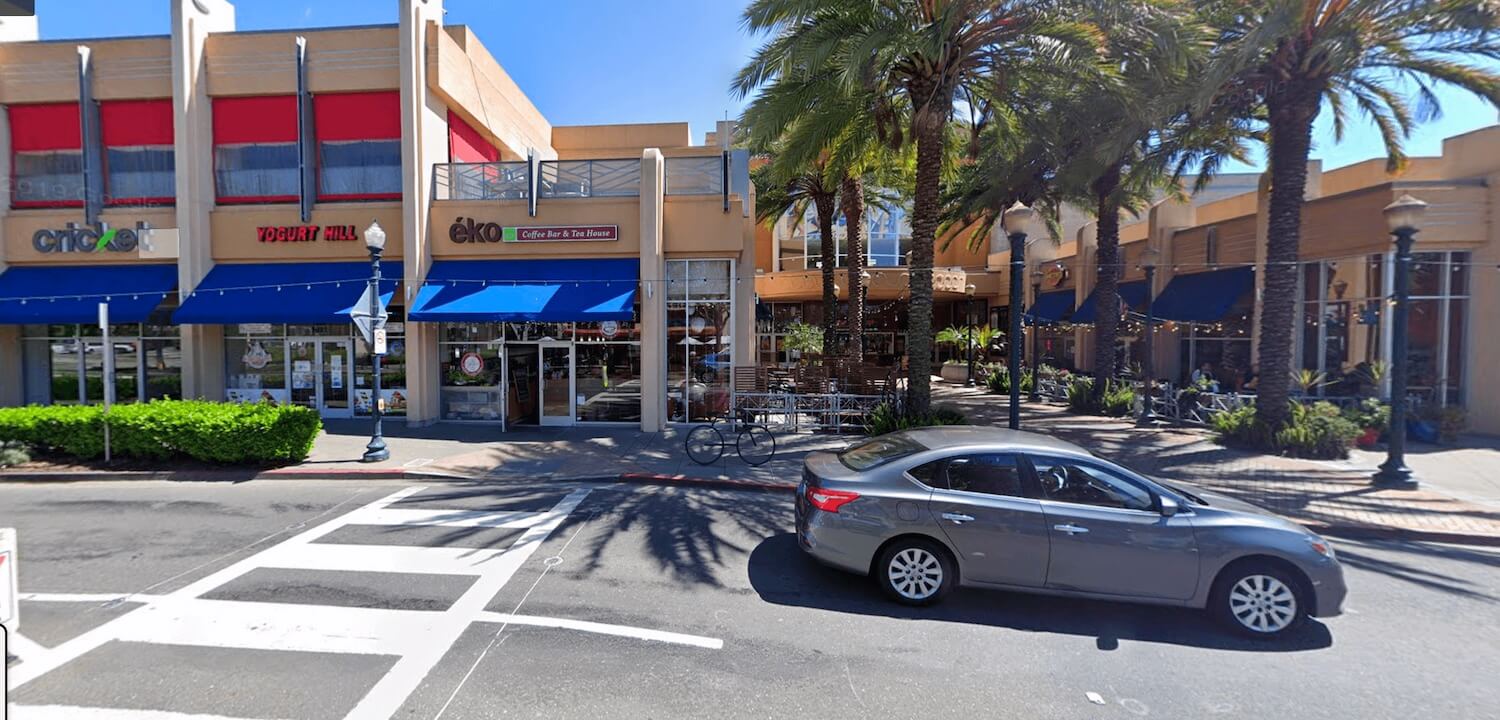
Our East Bay staging means fast response across every part of Hayward, from downtown and the B Street corridor to the Hayward Highlands and hill neighborhoods, Mt. Eden, Tennyson-Alquire, Jackson Triangle, Cherryland, and the industrial flatlands west of the 880, plus the retail and warehouse corridors around Industrial Parkway, the Southland Mall trade area, and the Mission Boulevard spine.
We also deliver to the surrounding communities: San Lorenzo, Castro Valley, San Leandro, Union City, Fremont, and across central Alameda County. If you’re near the 880, the 92, the 238, or the 580, we can get a trailer to you. Usually the same day, and roughly 45 minutes out when it’s an emergency.
What Hayward Kitchens, Plants & Event Teams Tell Us
“Our walk-in quit during a Saturday rush downtown. KryoFridge had a freezer trailer backed into our lot and pulling temp inside the hour, saved the entire weekend’s product.”
Restaurant owner · Hayward, CA“We lost a freezer zone at the plant on a deadline. They staged two reefer trailers same-day off the 880 and kept the run in spec. Exactly the response we needed.”
Operations manager · 880 corridor“Booked a 6×16 for a multi-day event near City Hall. Clean unit, held temperature all weekend, crew on time and easy to work with. We’ll call them again.”
Event coordinator · East Bay“Straightforward pricing, no broker runaround, and they actually answered the phone at night during an outage. That’s rare in this business.”
Grocery manager · Alameda CountySample reviews illustrating real Hayward situations, to be replaced with verified Google reviews ahead of launch.
Hayward Freezer & Refrigeration Trailer Rental FAQ
How quickly can a freezer trailer reach my Hayward business?
Because we keep units staged for the East Bay, a trailer can roll into most Hayward locations in roughly 45 minutes once we confirm the drop spot. For scheduled rentals we set a delivery window that suits you. For emergencies, our 24/7 dispatch treats a 2 a.m. compressor failure off the 880 the same as a planned drop.
How long will product stay frozen if the power goes out?
A sealed, full trailer holds deep-freeze for hours on its own, but you shouldn’t rely on coasting through a PG&E outage. We deliver on a generator so the cold chain never depends on the grid (which matters in the Hayward hills), where Public Safety Power Shutoffs recur during fire-season wind events.
What temperature range do the trailers hold?
From deep-freeze around -10°F up to fresh-cold 50°F with digital set-point control, and they hold that number under real load, not just in a mild test room.
What does the trailer plug into?
Either a dedicated 120V, 20-amp circuit sitting roughly 100 feet from the unit, or a generator we bring along. It won’t run on the 208–240V service many buildings carry, so we nail down your hookup before the truck heads your way.
Will the unit pass an Alameda County health inspection?
That’s what it’s built for. Each trailer carries NSF approval, with food-contact surfaces and drainage that hold up to a real inspection, and every rental comes fully licensed and insured. When an Alameda County Environmental Health officer walks the booth or the kitchen, the trailer is the part of your setup you shouldn’t have to worry about.
Do you serve the areas around Hayward?
Yes. San Lorenzo, Castro Valley, San Leandro, Union City, Fremont, and across central Alameda County. If you’re near the 880, 92, 238, or 580, we can reach you, usually the same day.
Am I dealing with you or a middleman?
You’re dealing with us. The trailers are ours, we service and dispatch them ourselves, and there’s no broker layer marking up someone else’s equipment. One name owns the job from the first call through pickup.
Need a Freezer Trailer in Hayward Today?
Get a fast, transparent quote. Or call our 24/7 line for emergency cold storage anywhere in Hayward and the East Bay.