

Freezer Trailer Rentals in Temecula — Cold Storage Built for Wine Country
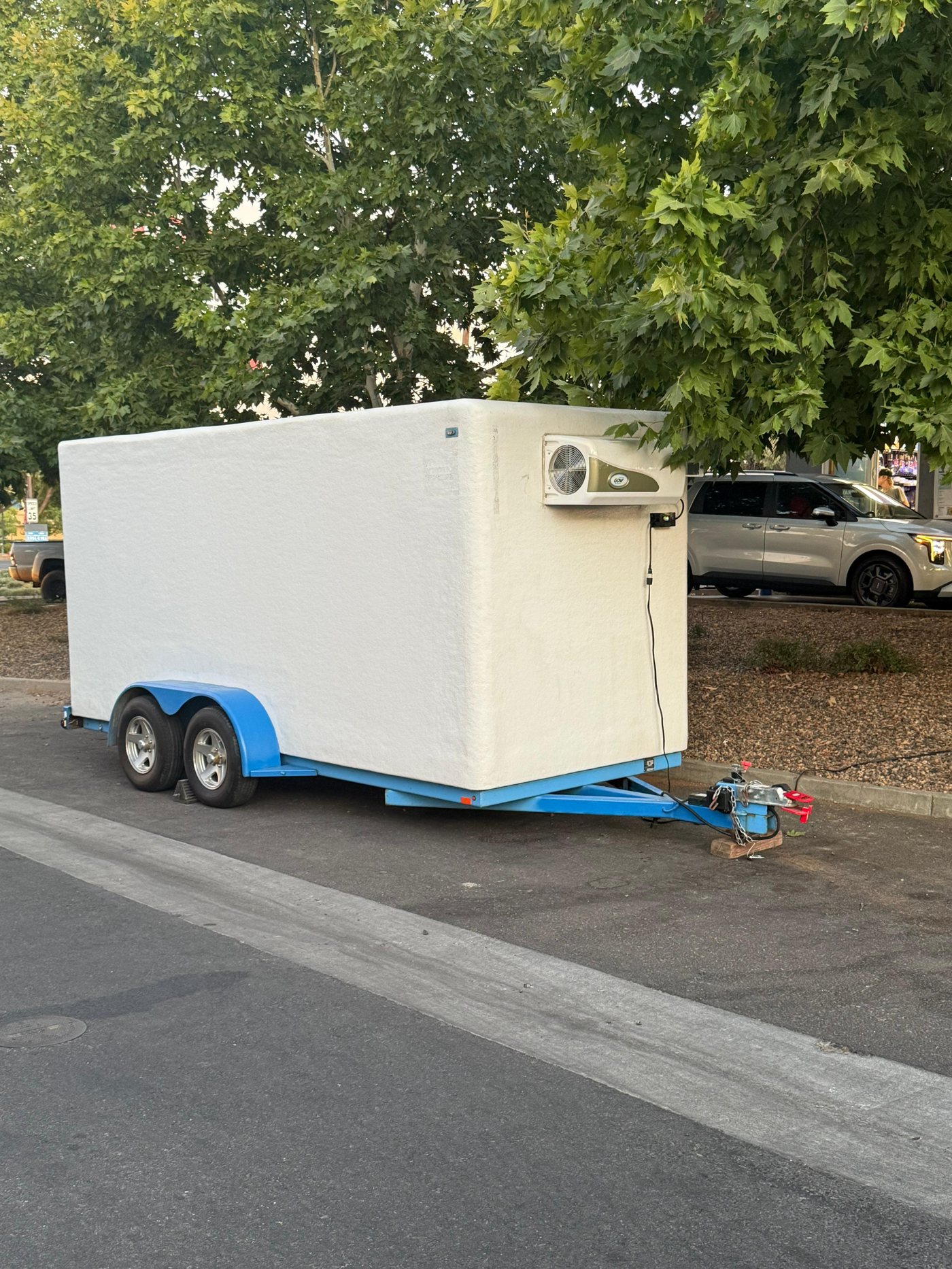
NSF-approved freezer and refrigerated trailers, delivered across Temecula and the Wine Country, for vineyard weddings, caterers plating 300, Old Town kitchens, grocers, and the festivals that pack the valley all summer. We run a local Temecula-Valley yard, we own and maintain one of the largest dual-purpose freezer fleets in the West, and our 24/7 line answers when a walk-in quits at 4 p.m. on a 108° August afternoon.
Temecula’s Go-To Source for Freezer Trailer Rentals
Spend one harvest weekend running cold storage in the Temecula Valley and you learn the rhythm of this place fast. The phone goes quiet Tuesday morning and lights up Friday at noon: a caterer realizing the venue kitchen can’t hold product for 250 guests, a Rancho California Road tasting room whose reach-in died mid-pour, a vendor staging for a weekend festival who just felt the afternoon hit triple digits. Around here, cold-storage demand doesn’t sit on a calendar. It arrives with the heat, the wedding season, and the crush.
That’s the job we built our Temecula operation around. We keep refrigerated and freezer trailers staged for the valley, so when a vineyard, a restaurant, or an event team needs walk-in capacity that wasn’t there an hour ago, we’re not driving in from somewhere else. We’re already close. Just as important, the person who answers your call owns and dispatches the trailer. We’re a direct operator, not a broker reselling someone else’s equipment (no “let me check with my supplier” while your proteins climb toward 40°).
Temecula at a Glance: a Valley That Lives on Holding Temperature
Temecula is a city of roughly 116,000 in southwestern Riverside County, wrapped around Interstate 15 where Southern California’s inland valleys meet San Diego County. It’s known nationally for one thing, wine, and almost everything that thing touches runs on cold storage.
The wine grew up here because of the geography. Pacific air slips through the Rainbow and Santa Margarita gaps each afternoon and cools a valley that would otherwise bake, which is why grapes have thrived since the first vines went in around 1968 and why the Temecula Valley earned its own federal wine appellation back in 1984. Today that 33,000-acre stretch east of town holds close to fifty wineries, and the visitors they pull in feed a food-and-events economy far bigger than the city’s size suggests.
Out along the 15 you’ll find the rest of it: the Promenade Temecula and its surrounding big-box grocers, the medical-device plants on Ynez Road, and Pechanga Resort Casino just south of town (the largest casino in the Western United States and the valley’s single biggest employer). Wineries, restaurants, grocers, a resort kitchen running fourteen-plus food outlets, a wedding industry pushing four thousand events a year. Every one of them is, quietly, a cold-storage customer.
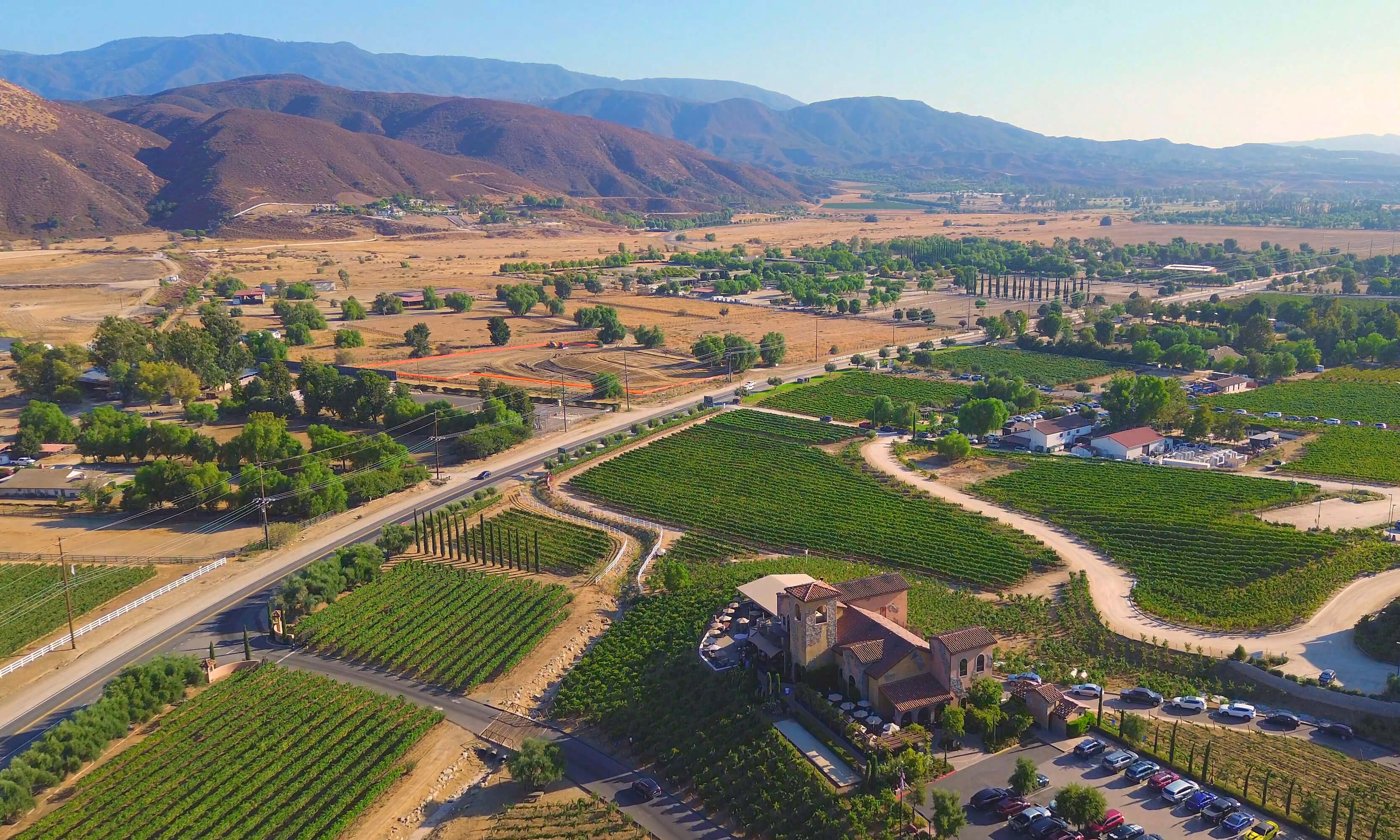
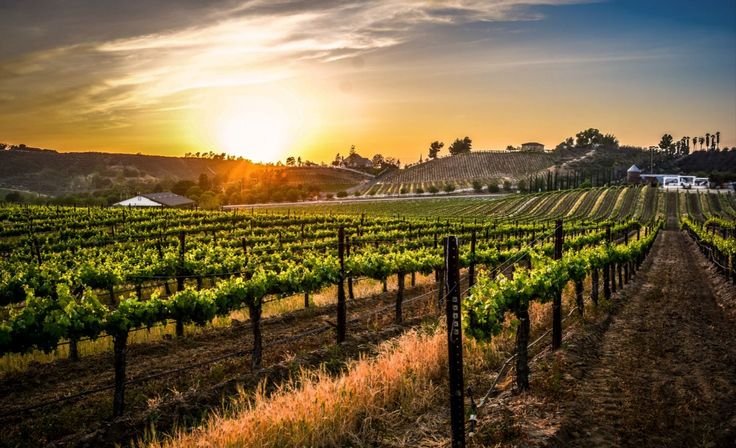
Temecula Valley from above, vineyards, foothills, and the I-15 corridor. The same afternoon breeze that built the wine country can’t keep a failed walk-in cold; that’s where a staged trailer comes in.
The Cold-Storage Name the Country’s Biggest Brands Trust
Holding temperature for national chains isn’t something you fall into. KryoFridge has supplied mobile refrigeration to brands like McDonald’s, Chick-fil-A, and Dutch Bros, operations that choose a cold-storage partner with the same scrutiny they choose a food supplier, because a trailer drifting out of spec is a brand problem, not just a kitchen one. That standard travels with us into Temecula whether the job is a single tasting-room kitchen or a multi-trailer setup for a weekend on the vineyard.
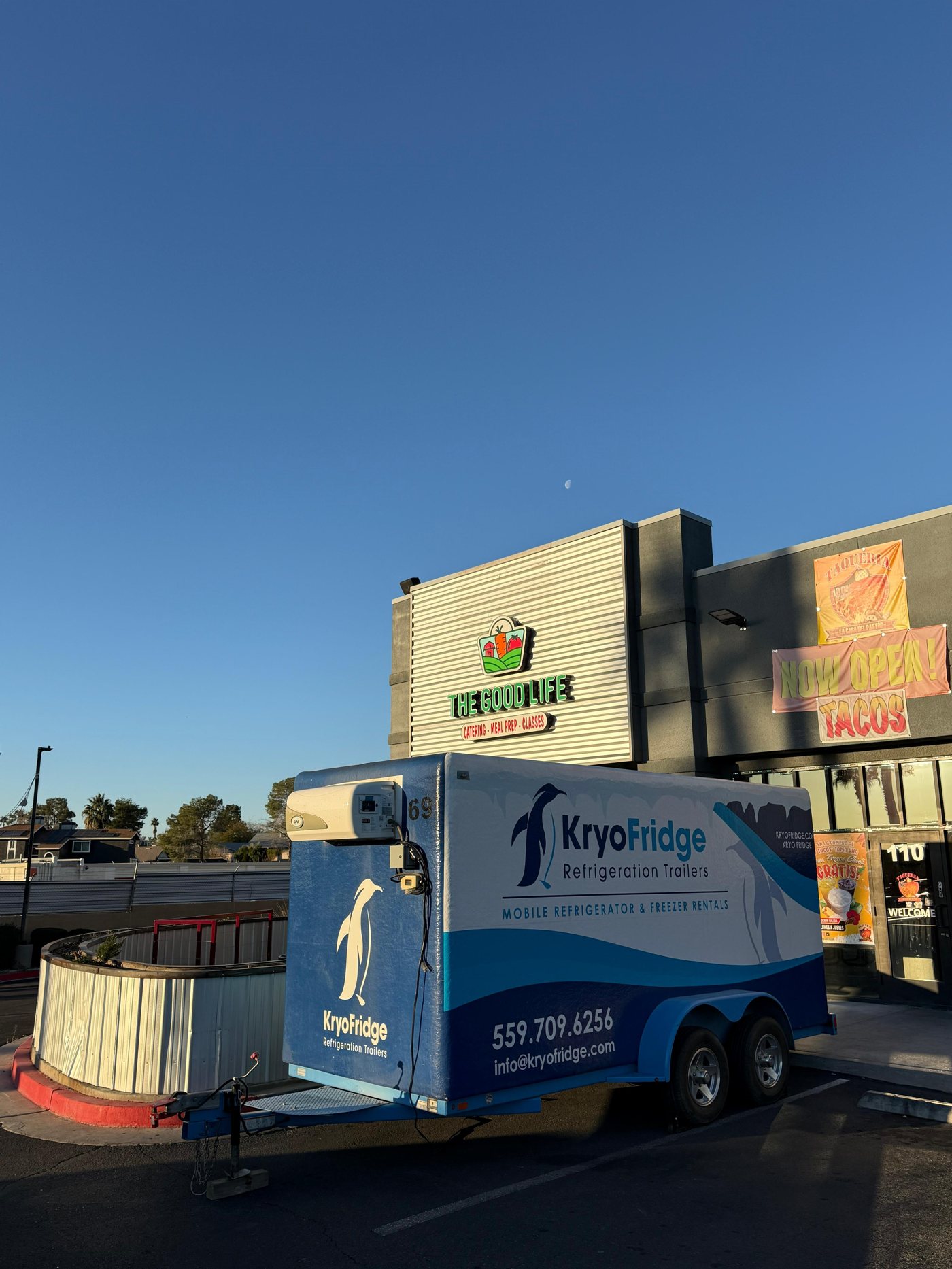
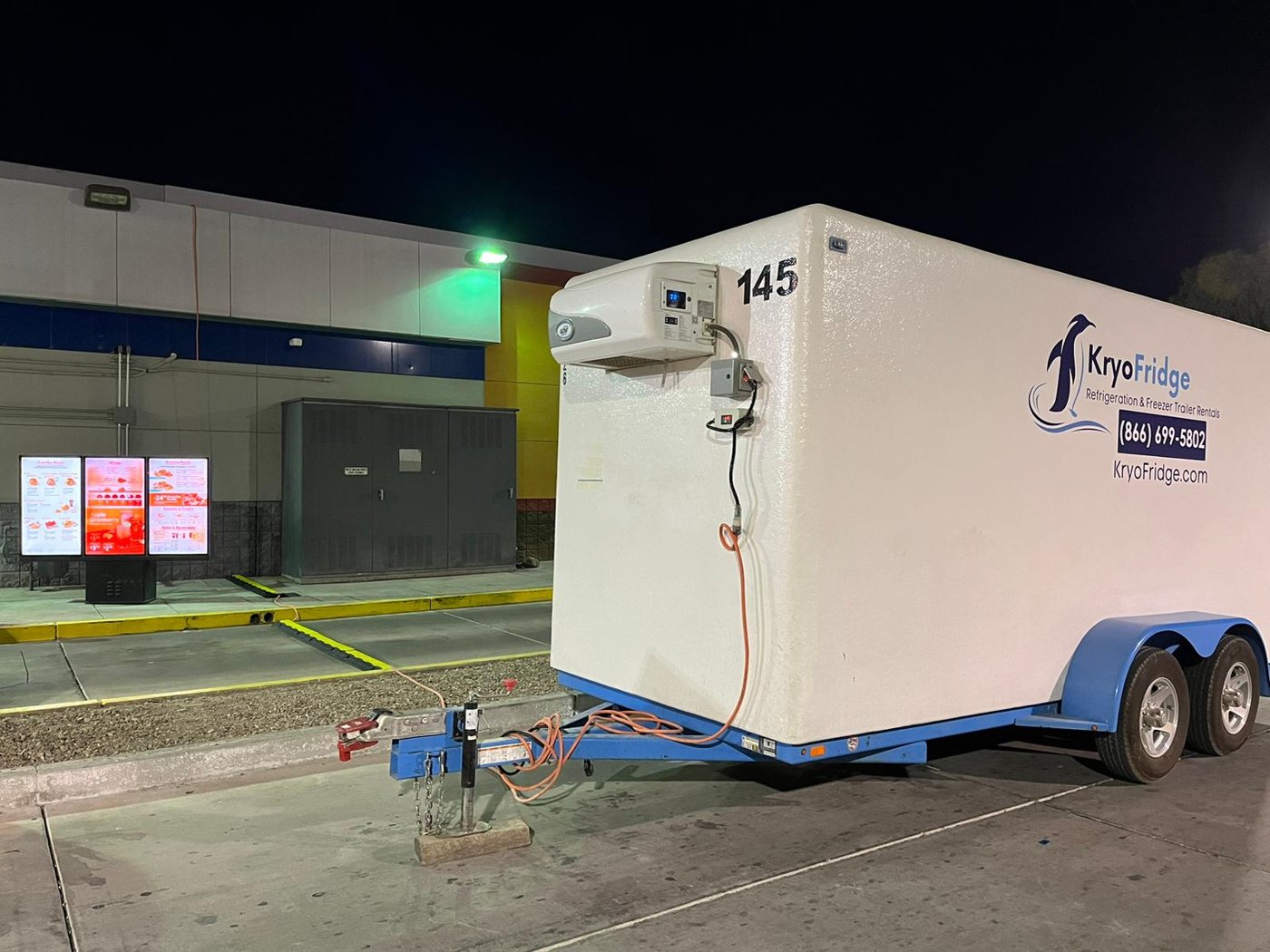
Here’s the kind of call that earns that trust. A Chick-fil-A once reached us at the height of a Friday dinner rush with its walk-in down and a drive-through line wrapped around the building. We had a freezer trailer on site and pulling temperature 34 minutes after the phone rang. When a Denny’s lost its walk-in to a blown fuse the night before Mother’s Day, one of the busiest days on their calendar, we staged three trailers overnight and had the pies, proteins, and prep cold before the first ticket printed. In Temecula that same urgency shows up wearing different clothes (a wedding caterer the morning of a 300-plate reception, a winery prepping for a sold-out concert series night). But the bar never moves: hit the set-point, hold it through the heat, and be clean enough to pass a county inspection.
Why Temecula Businesses Call for a Freezer Trailer
Cold-storage demand in the valley clusters around a handful of very local scenarios, the vineyard event, the festival weekend, the failed walk-in in August. These are the calls we take most often across Temecula, each paired with the kind of operation it serves.
? Vineyard Weddings
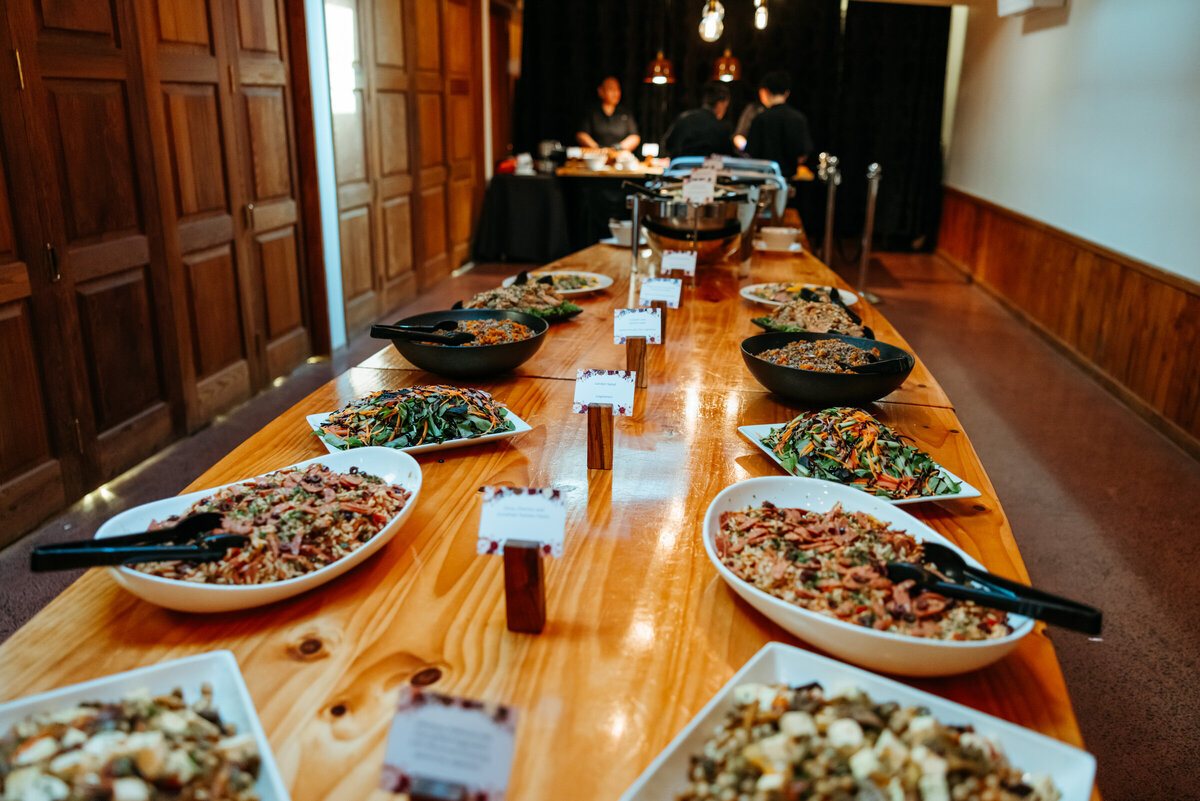
Walk-in-equivalent cold space for the 300-plate receptions at South Coast, Wilson Creek, Ponte, Mount Palomar, Galway Downs and the rest of Wine Country.

? Caterers & Banquets
Off-site caterers trucking food into rural venues with limited kitchens, proteins, dairy, desserts and floral coolers held at a steady set-point.
? Restaurants & Tasting Rooms
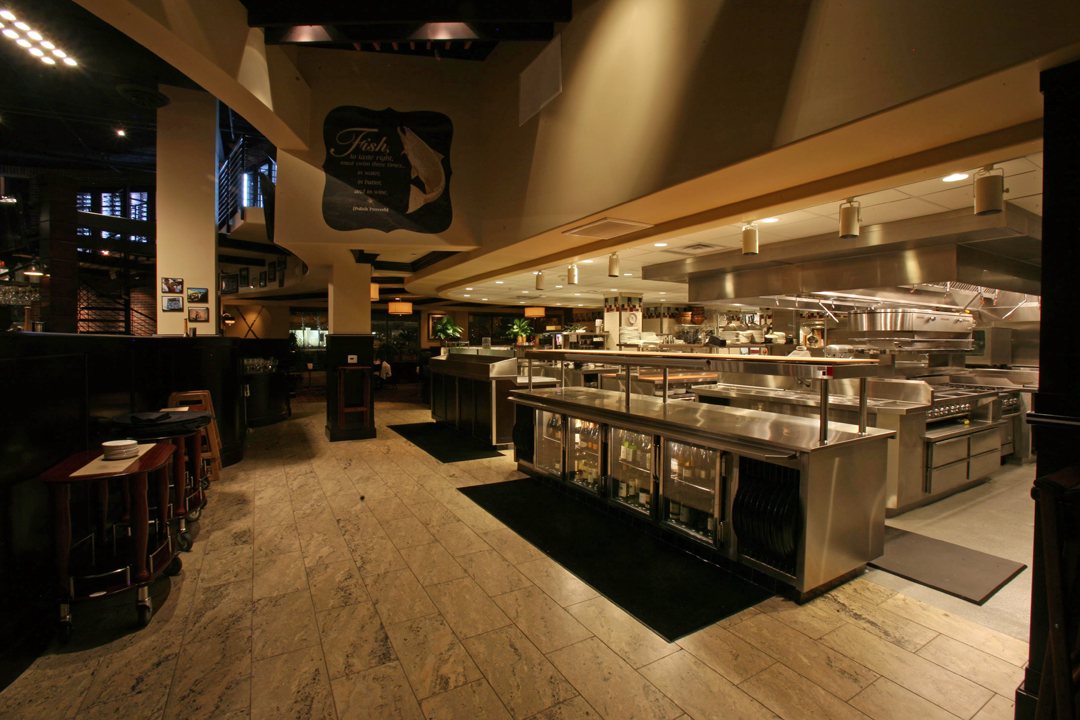
Compressor failures, remodels, and overflow for Old Town’s Front Street kitchens and the winery restaurants along Rancho California Road.
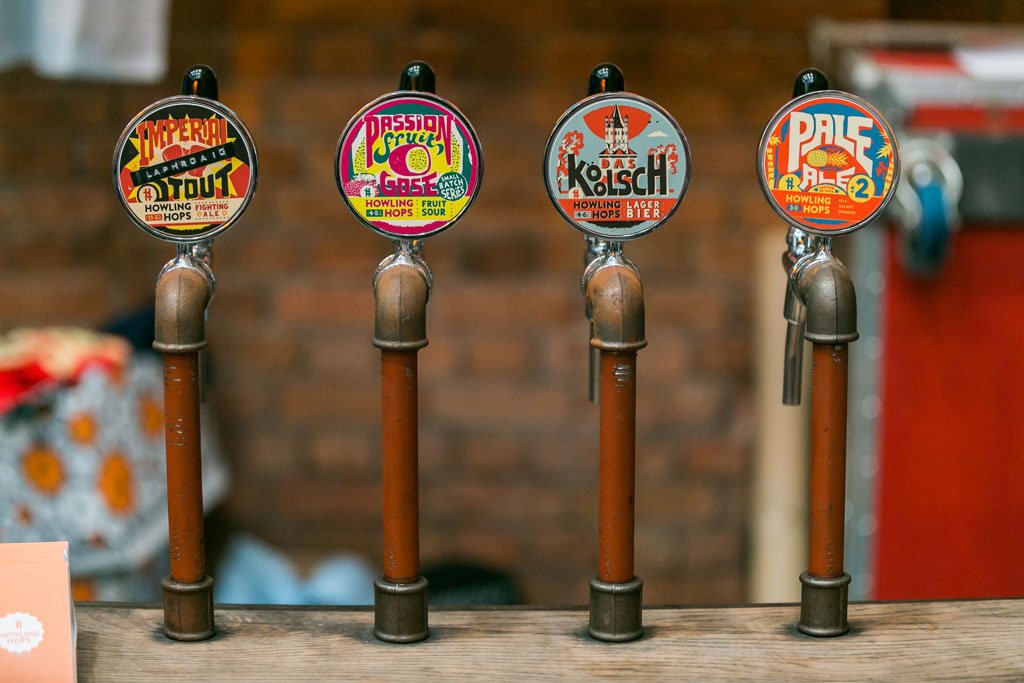
? Festivals & Events
Vendor-row cold and freezer space for the Balloon & Wine Festival, Old Town’s Rod Run, and Pechanga’s food-and-music calendar.
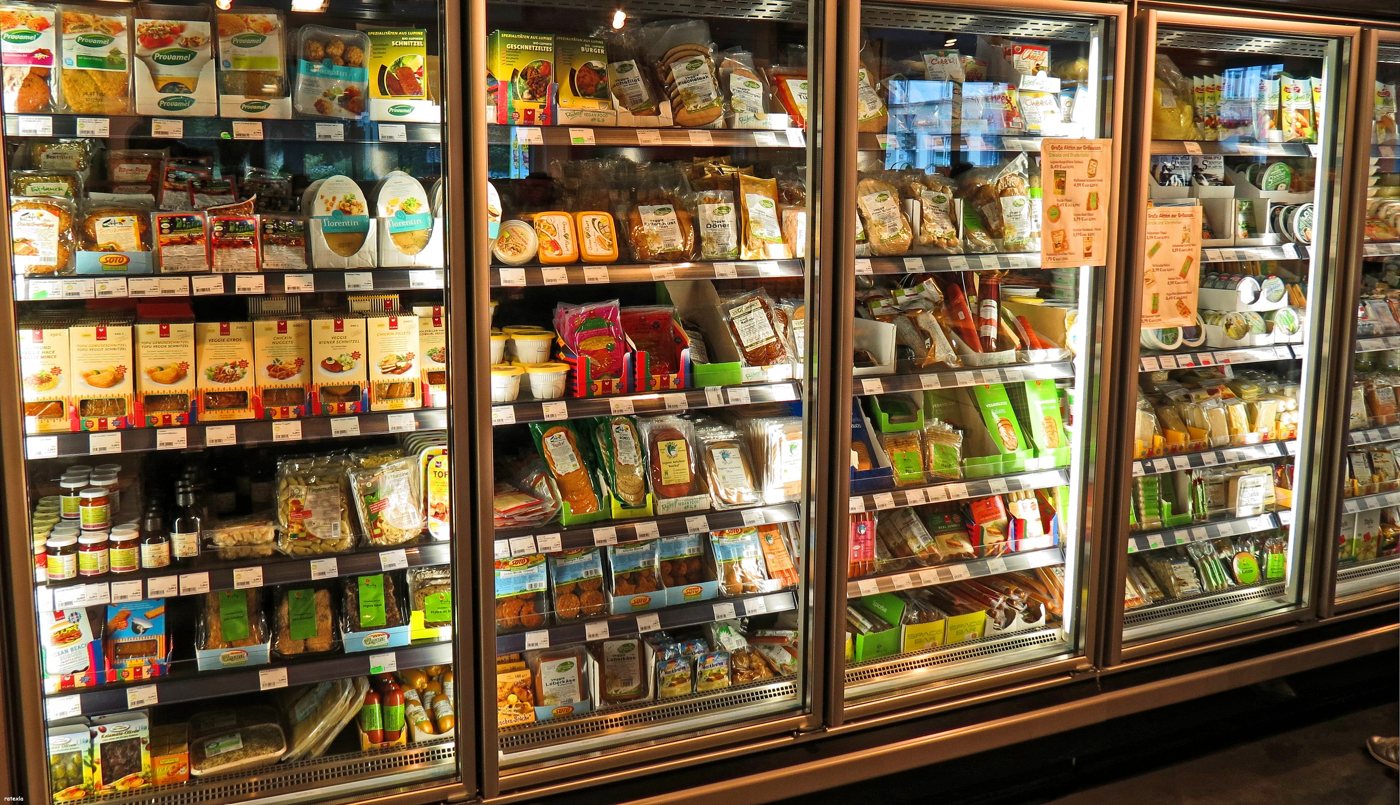
? Grocers & Markets
Backup refrigeration during a case or compressor outage, a store reset, or a holiday inventory surge near the Promenade and Temecula Pkwy.

? Emergency & PSPS
24/7 deployment when SCE calls a Public Safety Power Shutoff, a compressor dies in a heat wave, or a recall puts product on the clock.
The thread tying all of it together is timing. Almost nobody plans to need a freezer trailer, they need it the morning of the wedding, the week the remodel starts, or the afternoon the grid goes dark in a fire-weather shutoff. Because we keep units staged in the valley, “can you be here today?” is a normal request in Temecula, not a long shot.
Cold Storage for Temecula Wine Country Weddings & Events
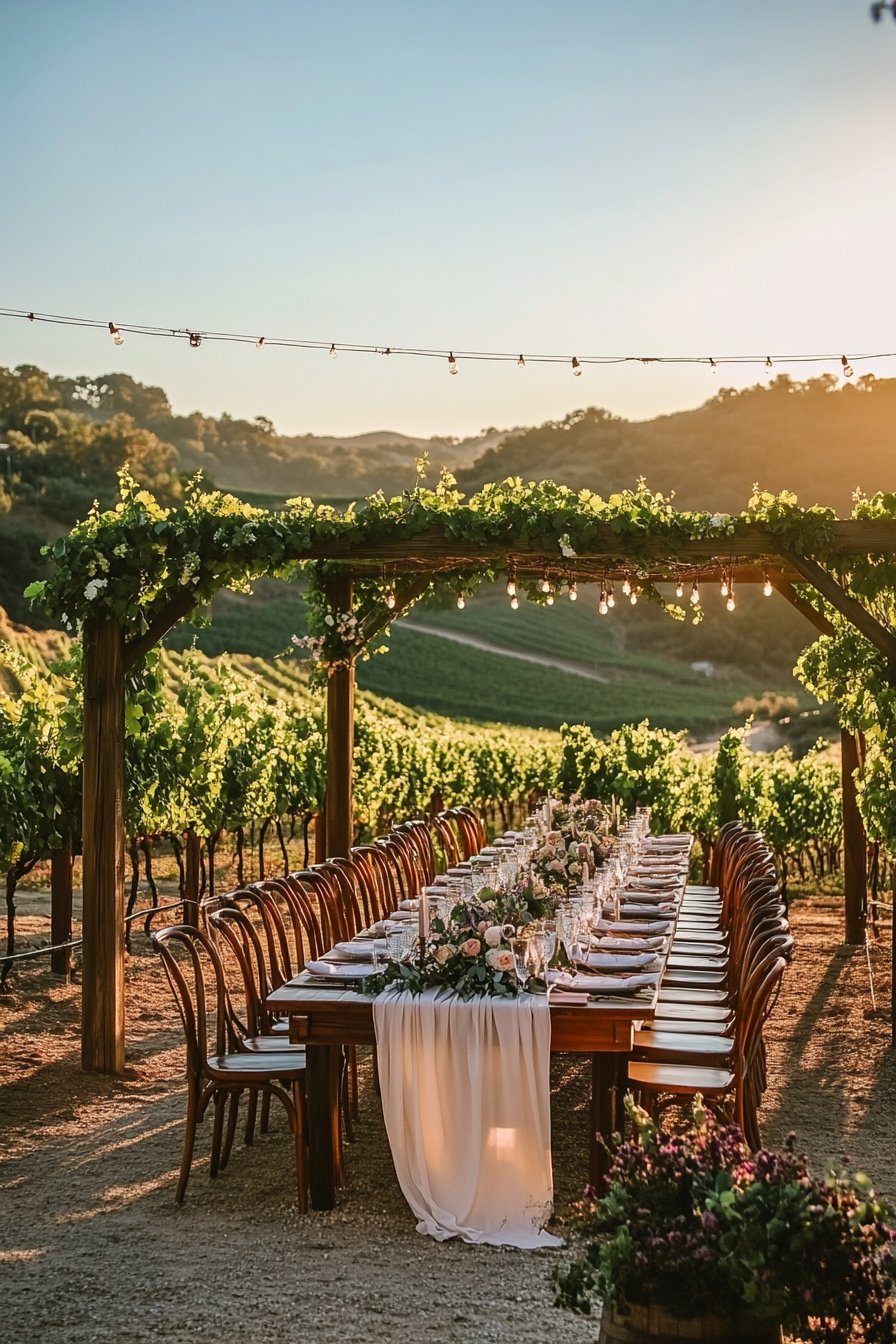
If there’s one thing this valley does at scale, it’s weddings. Somewhere north of four thousand a year across the Wine Country, enough that Temecula bills itself as the affordable answer to Napa. South Coast spreads across 63 acres, Galway Downs runs receptions on a 240-acre equestrian estate, Mount Palomar regularly handles 300-plus-guest events, and a dozen more (Wilson Creek, Ponte, Leoness, Callaway, Falkner, Avensole) book out their lawns weekend after weekend from spring through fall.
Here’s the part couples and even some planners miss until the week of: most of these venues are gorgeous and rural, with kitchens built for a tasting room, not a banquet for 300. So the caterer trucks the food in. And on a Temecula Saturday that can sit at 100°-plus with no shade over the ceremony lawn, a handful of ice chests doesn’t come close to holding proteins, dairy, plated desserts, sheet cake, floral coolers, and a few hundred guests’ worth of chilled beverages safely through cocktail hour, dinner, and the after-party.
A KryoFridge trailer gives the catering team a walk-in’s worth of cold and freezer space dropped right at the venue. It’s quiet enough to park near a guest area, lockable for a multi-day weekend build, and holds its set-point straight through the afternoon so nothing on the menu has to gamble against the heat. We’ve sized everything from a single compact unit for an intimate estate dinner to a multi-trailer plan for a full-property festival wedding, and because we own the fleet, we right-size it to the headcount instead of upselling a box you don’t need.
Planning the whole site? Round it out with water station rentals in Temecula to keep crews and guests hydrated through a hot vineyard afternoon and restroom trailer rentals in Temecula for guest comfort, one call can cover cold storage, water, and restrooms together. (cross-brand links, auto-wired into the wheel on publish)
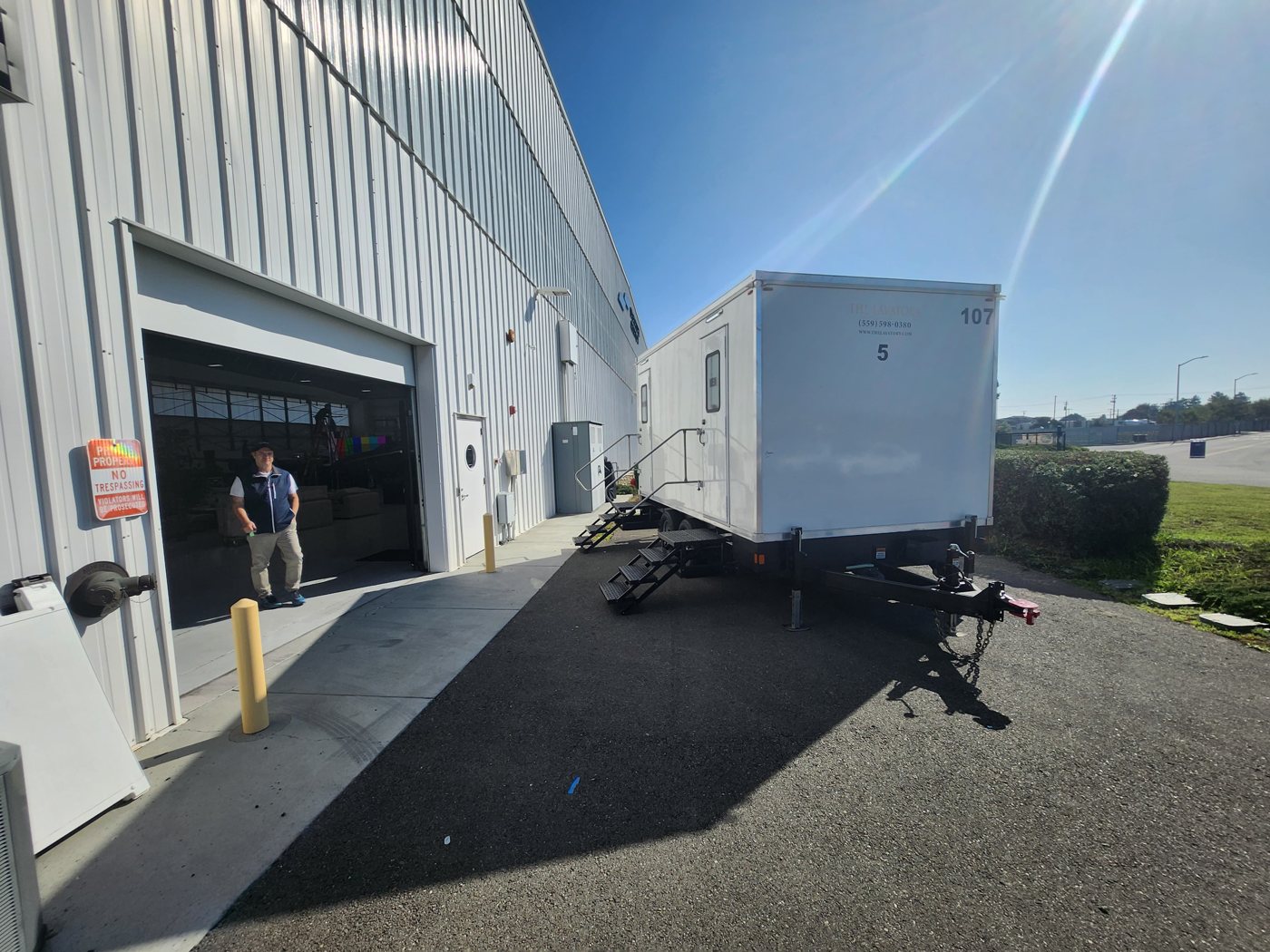
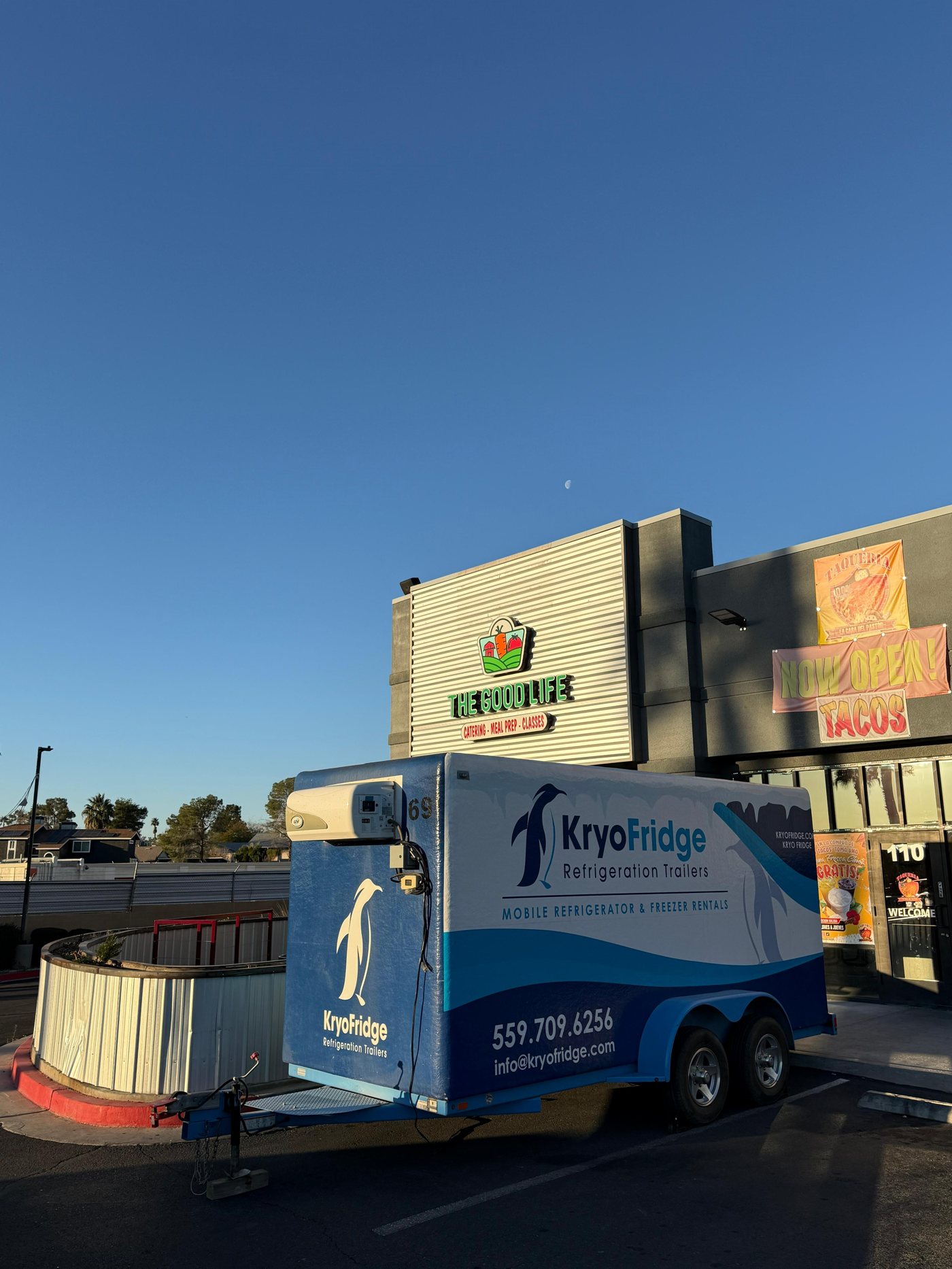
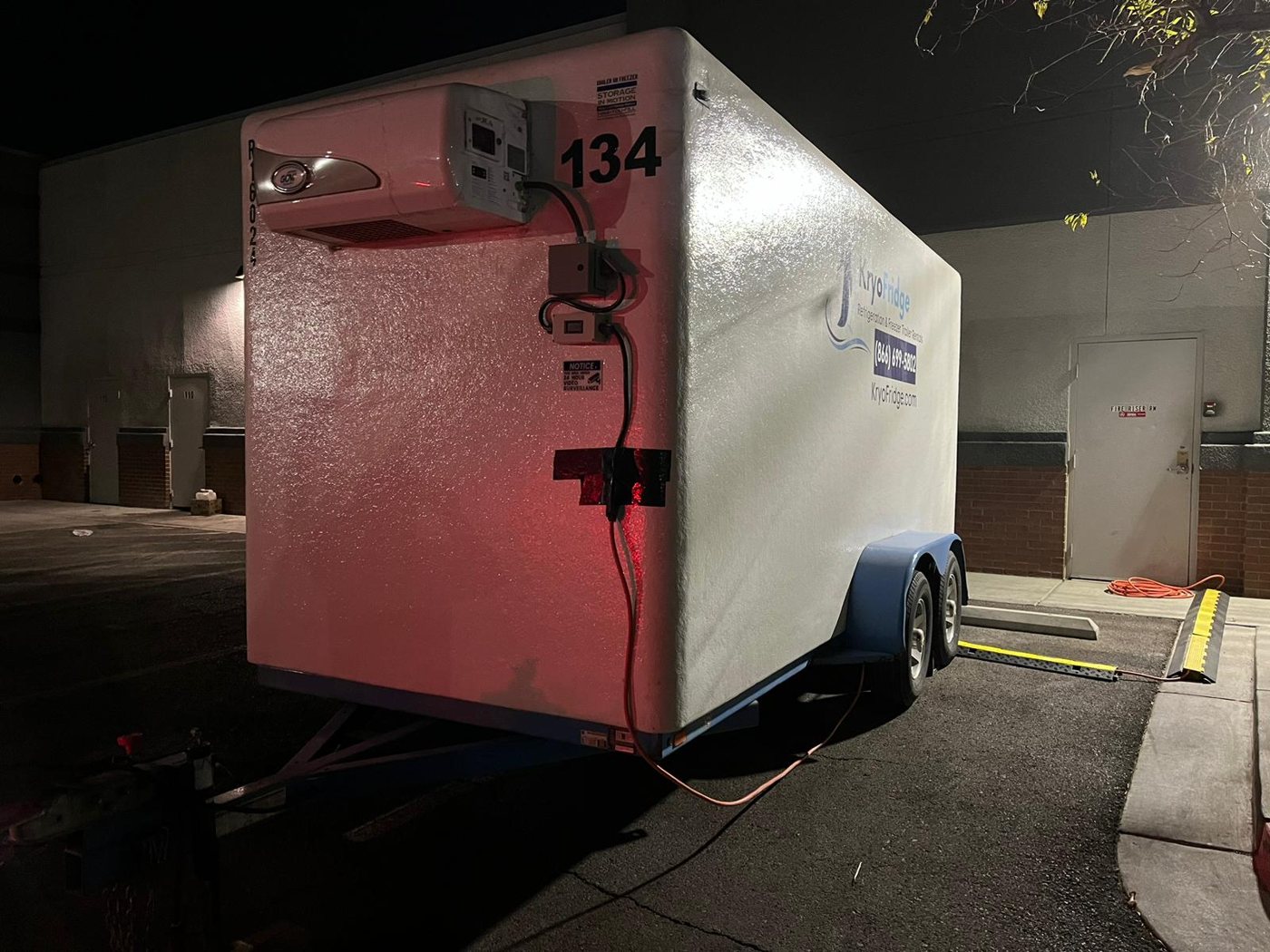
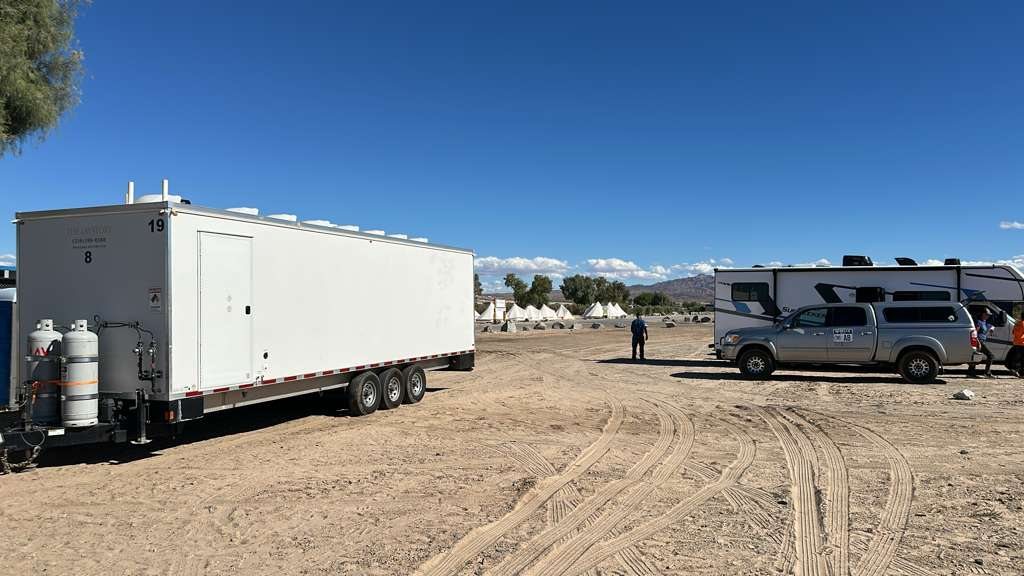
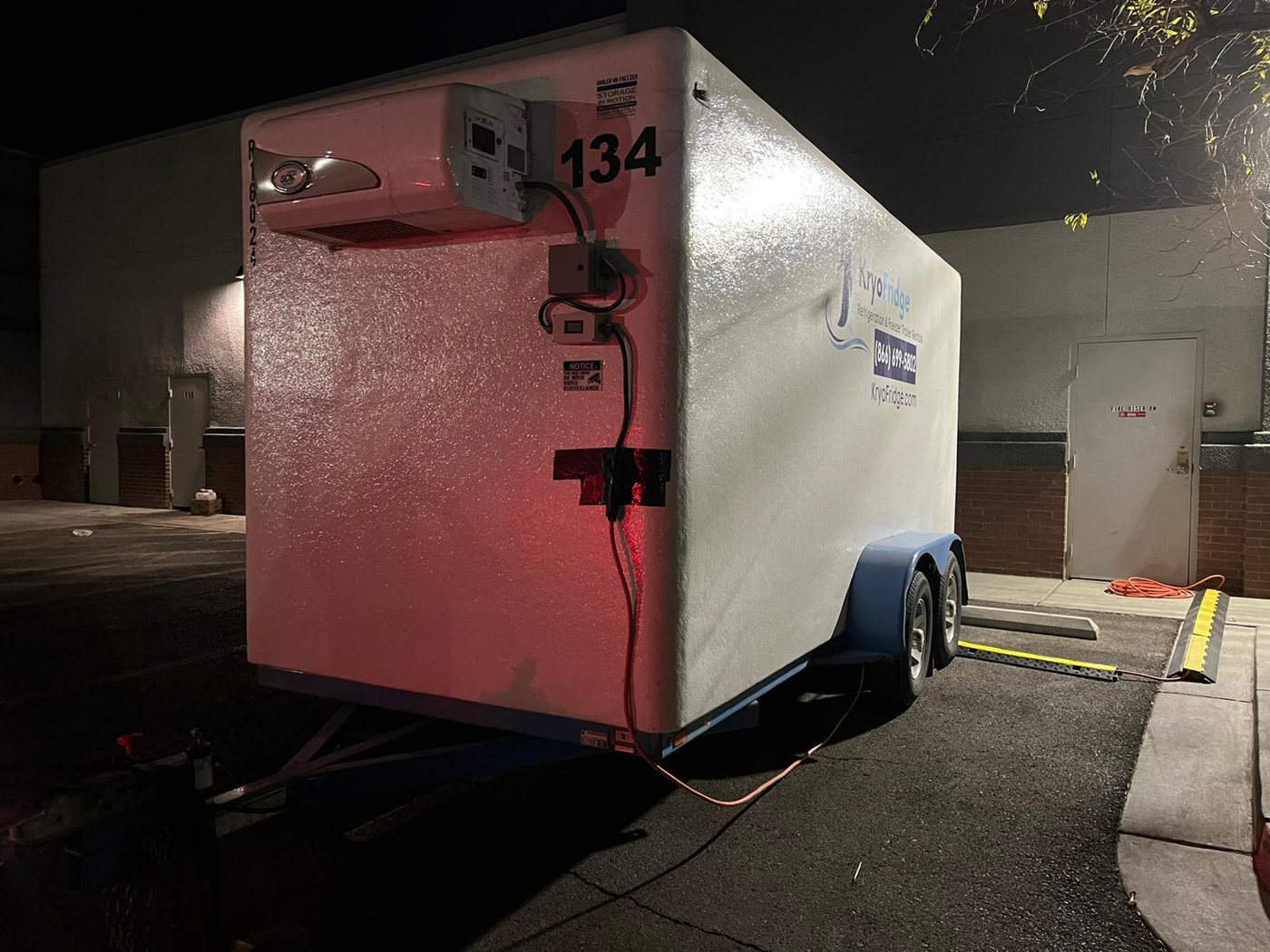
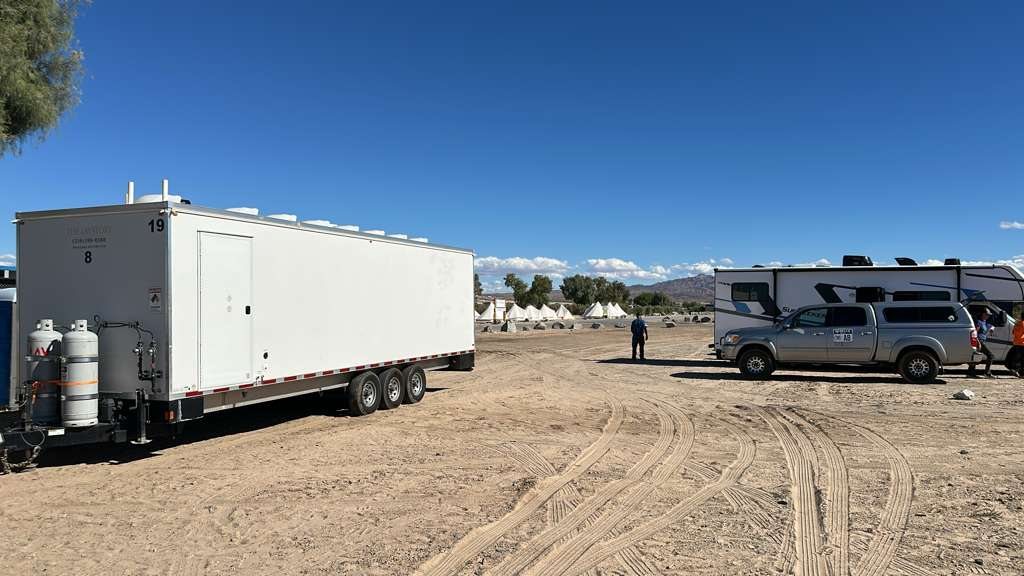
Our Trailers, Hard at Work Across the Temecula Valley
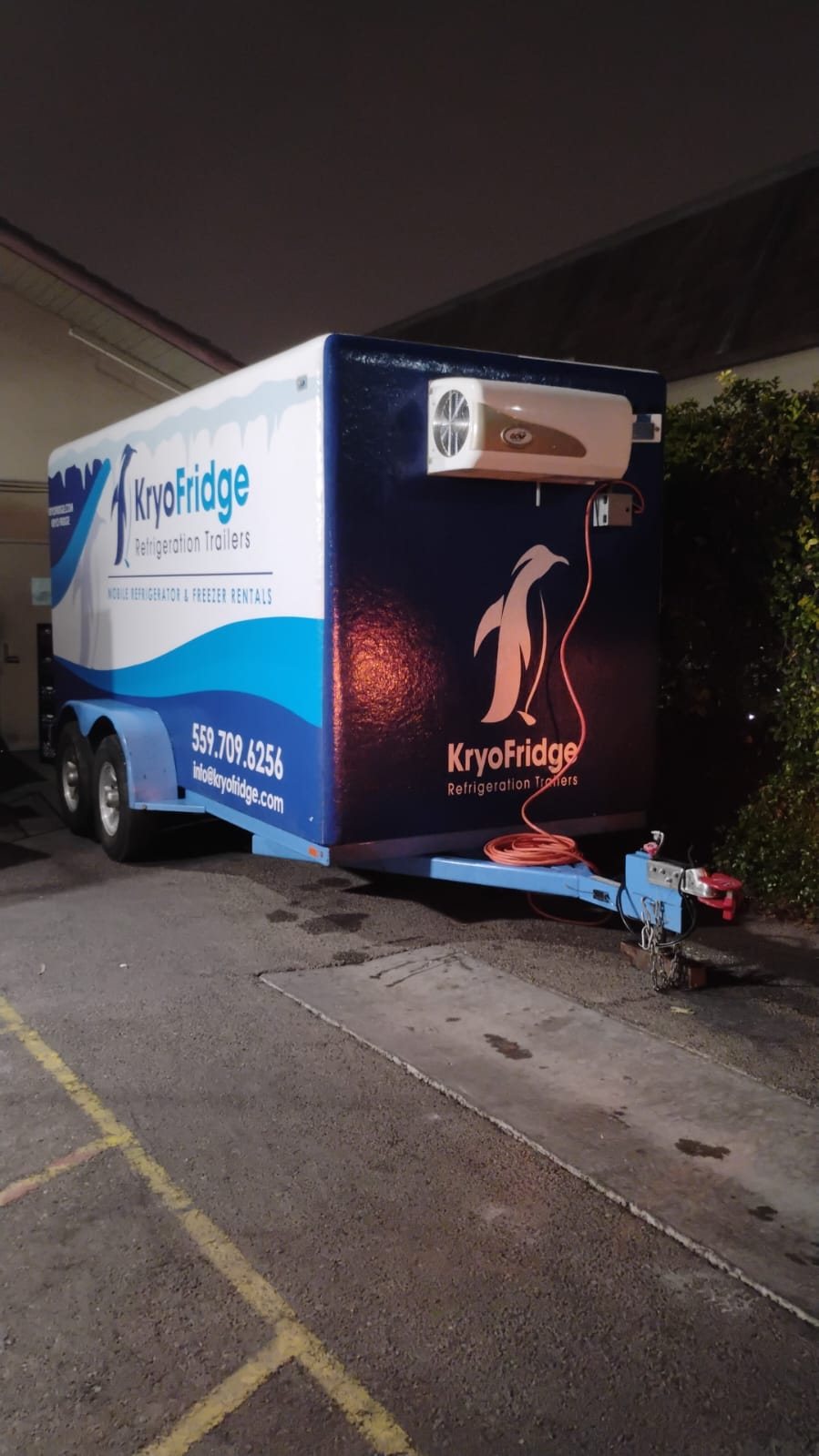
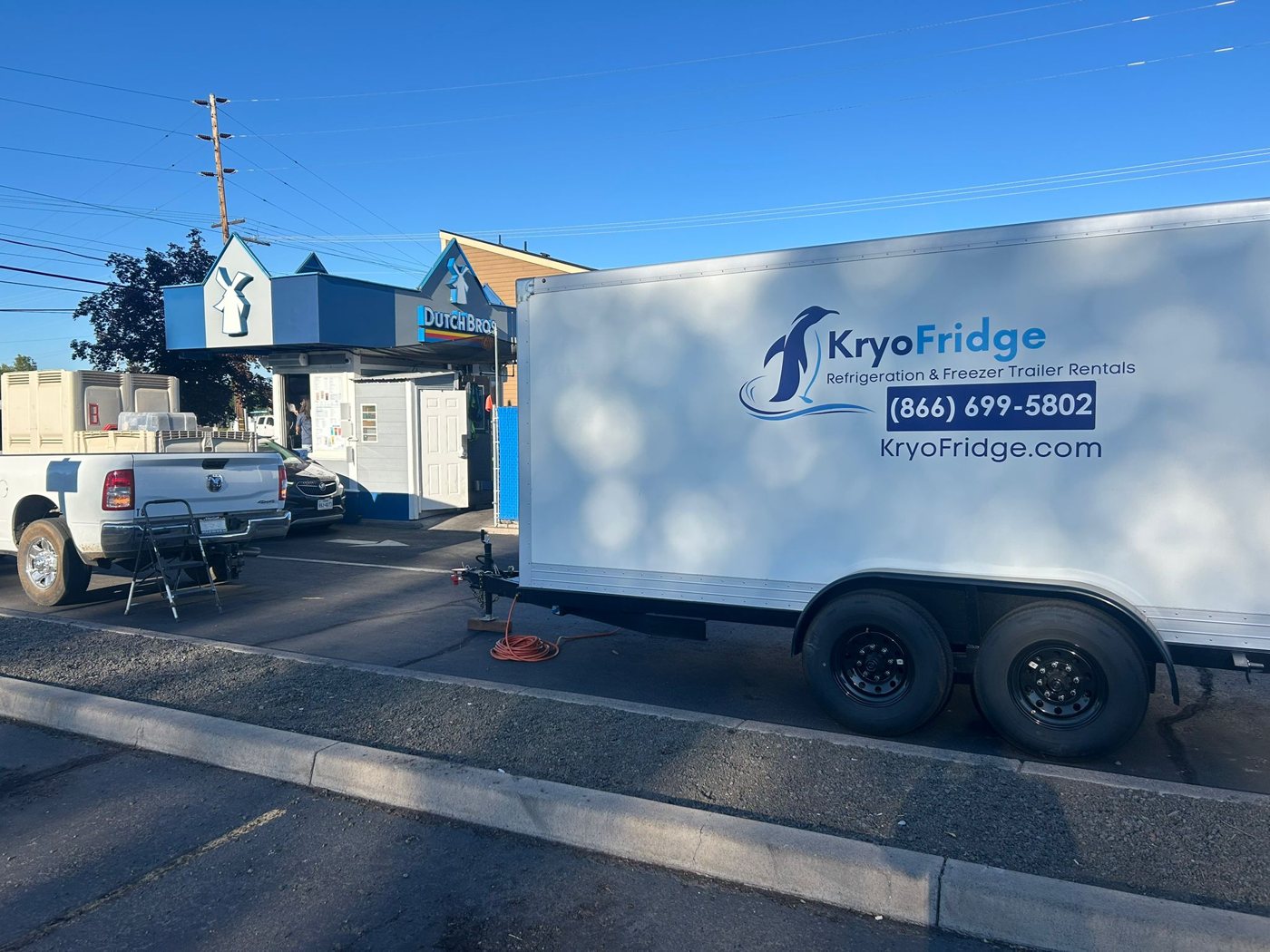
Real KryoFridge units on real jobs, vineyard event lawns, restaurant lots, festival grounds, and late-night emergency calls across Wine Country and the 15 corridor.
Temecula’s Summer Heat: and Why Coolers Quit at the Worst Time
The breeze that made this a wine valley is also the reason people underestimate the heat. Temecula runs cooler than the desert cities to its east, so locals don’t always brace for it, and then August arrives. The warmest month here averages highs near 87°, but the valley regularly pushes into the triple digits, and a WeatherCurrents station in town has clocked nearly 114°. The September 2024 heat wave drove inland readings around 110°, and days over 100° are simply part of the calendar from June through September.
That heat does two things to refrigeration at once. It loads up every existing cooler and freezer (an aging walk-in compressor that coasted through March can give out in July precisely because it never catches a break), and it shrinks your reaction window once a unit goes down. At 105° ambient, frozen product starts climbing toward the danger zone in hours, not days. So a failed walk-in on a Temecula afternoon is an emergency, not an inconvenience.
Our trailers are spec’d for that reality. The reefer units carry enough headroom to keep pulling heat out and hold their set-point in extreme ambient temperatures, so a unit parked on an open vineyard lawn in August behaves the same as one sitting in a mild warehouse. When you’re planning around the season, or reacting to it the hard way, that engineered margin is the entire point of renting a real trailer instead of stacking ice.
Emergency Cold Storage When Fire Weather Shuts the Power Off
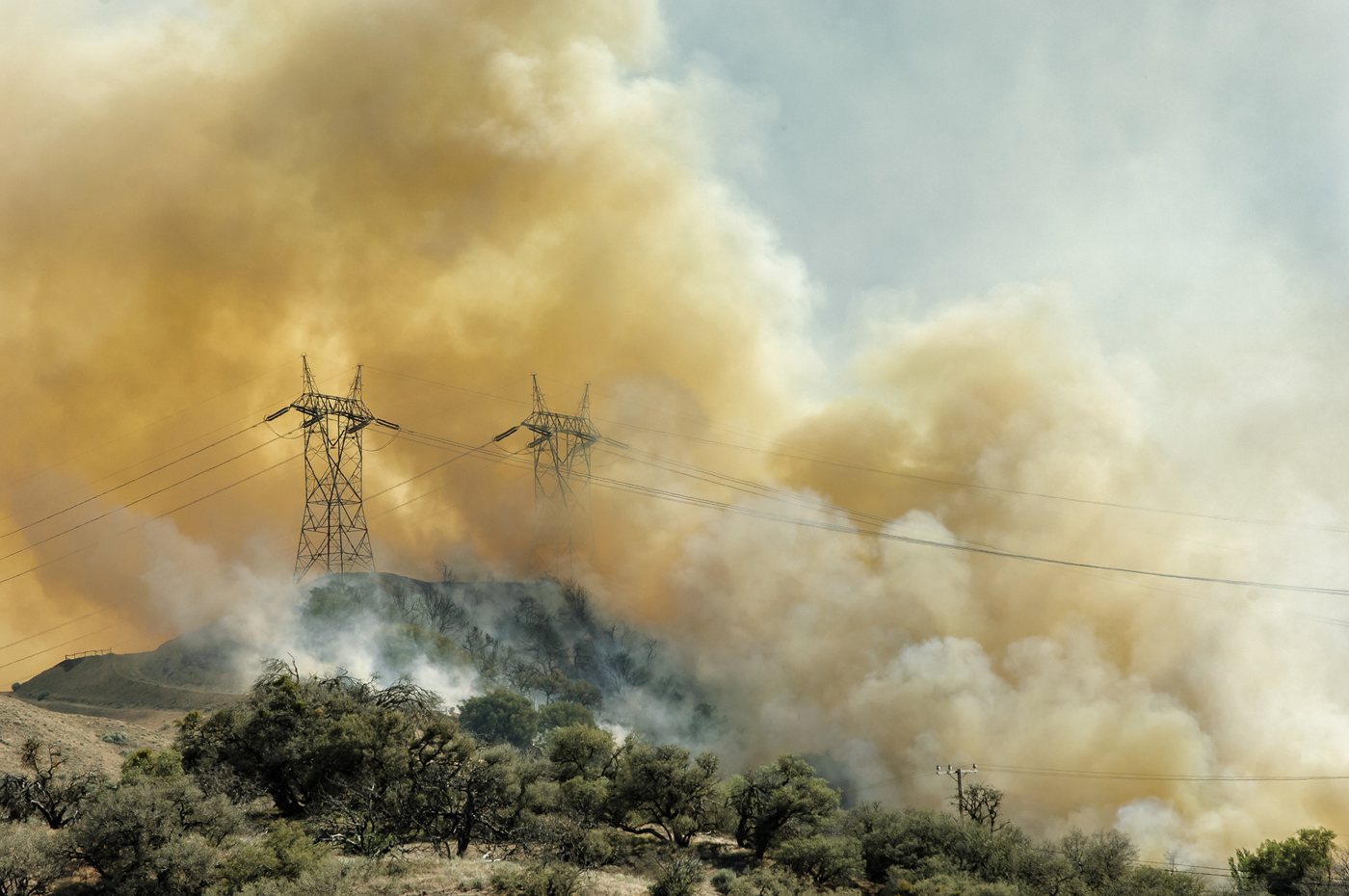
Riverside County carries one of the highest wildfire-risk profiles in California, and the hills flanking the Temecula Valley sit squarely in that exposure. When Santa Ana winds rake the Santa Ana Mountains in fall and winter, the danger spikes, and so does the odds that Southern California Edison calls a Public Safety Power Shutoff to keep its lines from sparking the next blaze. We’ve watched recent events put tens of thousands of Riverside County customers under PSPS consideration at once, with the Temecula Valley repeatedly on the list. Fires like the 2023 Highland Fire and the 2024 Pauba and Nixon fires near Aguanga are the reminder that fire season here is a when, not an if.
When that switch flips, every walk-in and reach-in on the affected grid goes dark at the same moment, restaurants, grocers, tasting rooms, the pharmacy refrigerator, a hospital cafeteria. That’s the hour a generator-powered trailer earns its keep. For a single business it holds inventory frozen straight through the outage; for emergency management, recall response, or a relief operation, a row of staged reefer trailers becomes mobile cold-chain infrastructure that keeps food and supplies in-spec while the fixed grid is down.
Owning the fleet and keeping dispatch staffed around the clock is what lets us move on a De Luz shutoff or an August compressor failure in the same hour you call, then size the answer to the job, a lone unit parked behind a Front Street storefront or a staged row covering an evacuation kitchen. A PSPS event is the one scenario where building-tied refrigeration has nothing left to give, and that’s precisely the gap a generator-fed trailer is built to close.
Which Trailer Size Fits Your Temecula Job?
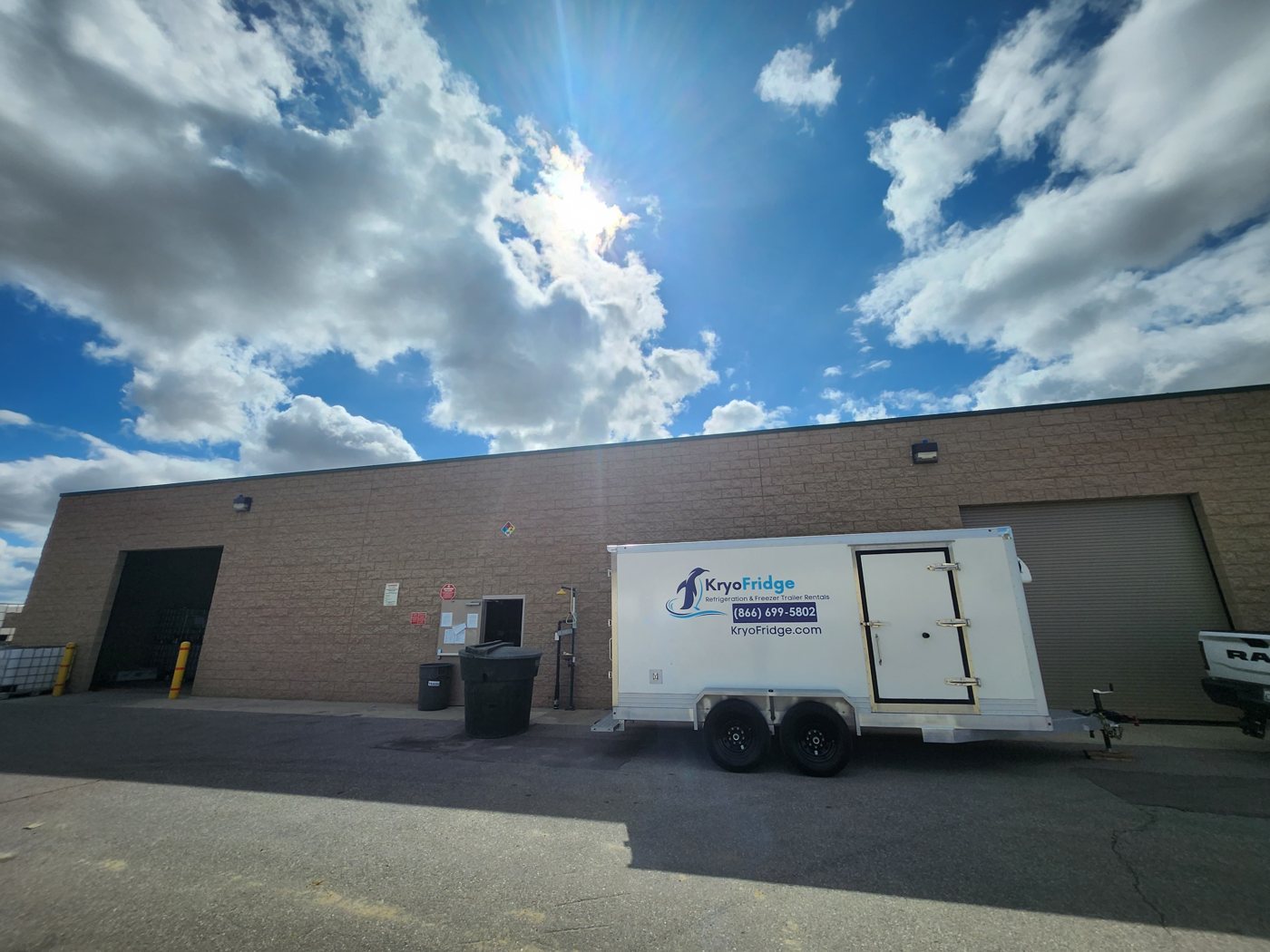
Three footprints stretch from a one-kitchen overflow up to a whole-estate festival build. Each holds a tight set-point anywhere between deep-freeze and fresh-chill and feeds off either a dedicated circuit or a generator, and out in the vineyards it’s usually the generator.
| Trailer | Best for | Temp range |
|---|---|---|
| 6×8 | Old Town kitchens, tasting rooms, short overflow | -10°F to 50°F |
| 6×12 | Caterers, grocers, mid-size vineyard events | Deep-freeze capable |
| 6×16 | Large weddings, festivals, disaster staging | Heavy-duty reefer |
Every size locks a digital set-point and powers from a dedicated 120V/20A line or a generator.
6×8: the compact unit for tight Old Town lots
This is the one that slips into the spots a bigger trailer can’t. Old Town’s Front Street kitchens and the smaller tasting rooms along the wine corridors run on tight footprints, and a 6×8 covers most single-kitchen emergencies and short overflow without eating the whole back lot. If you’ve got a corner restaurant or a boutique winery with a failed reach-in, this is usually the right call — and it maneuvers into place easily even on a crowded event night.
6×12: the workhorse for caterers and mid-size events
Our most-rented size, and the sweet spot for the Temecula Valley specifically. It’s deep-freeze capable with real walk-in-equivalent capacity, which makes it the default for a catered vineyard wedding, a grocery backup during a case outage, or a restaurant working through a remodel. Big enough that the kitchen isn’t rationing shelf space, compact enough to place on most venue lawns and commercial lots with a generator alongside it.
6×16: the big unit for festivals, large weddings & disaster
A heavy-duty reefer built to hold deep-freeze in extreme ambient heat, with the capacity to anchor a full-scale operation. This is the trailer for a 300-plus-guest estate wedding, a vendor-heavy festival weekend at Lake Skinner or in Old Town, or a staged disaster-relief cold chain during a PSPS event. Vineyard properties and wide commercial yards along the 15 take a 6×16 with room to spare, and several of them together cover the biggest jobs in the valley.
Not sure which to book? Tell us roughly what you’re storing, the headcount, and how long, we’ll size it for you rather than pushing you into a unit you don’t need.
What to Store: and Where to Set the Temperature
Cold storage isn’t a single number. A digital set-point matters because different product holds safely in different bands, and in Temecula’s heat, drifting out of the right one is how a load is lost. The chart below is the rough reference a valley caterer or grocer can size a rental against.
| Product | Typical holding band | Trailer mode |
|---|---|---|
| Ice cream & frozen desserts | -10°F to 0°F | Deep freeze |
| Frozen proteins, seafood, prepared foods | 0°F or below | Freezer |
| Fresh meat & poultry (short hold) | 28°F to 32°F | Refrigerated |
| Dairy, deli, plated desserts, wedding cake | 34°F to 38°F | Refrigerated |
| Beverages, florals, catering platters | 38°F to 45°F | Refrigerated |
One threshold outranks everything in that table: 40°F. Once perishables drift above it into the 40-to-140° band that food-safety inspectors call the danger zone, bacteria take off, and after about four cumulative hours up there the product is treated as a write-off. Riverside County codifies the same line, requiring cold-holding at or under 41°. Picture a wedding caterer whose reception proteins are already at room temperature in a 100°-plus parking lot, and you can see why that four-hour countdown is the whole game. Our reefers are sized to win it, dragging temperature down and pinning it there under a brutal real-world heat load.
Name the coldest item you’re holding and that becomes the trailer’s set-point. One box covers a straight freezer load with ease. But the moment a menu mixes ice-cream desserts at deep-freeze with cut produce and chilled wine in the high 30s, we’ll steer you toward a split-zone plan or a second unit so neither end of the range has to give.
Powering & Placing a Trailer on a Vineyard or in Old Town
There are exactly two ways to feed one of our trailers. Option one is a generator, which we can supply. Option two is a dedicated 120-volt, 20-amp circuit reaching to within roughly 100 feet of the parked unit. What the trailer can’t use is ordinary 208–240V building service, so sorting the power out before the truck arrives is the difference between a unit that’s cooling on arrival and one stuck waiting on an electrician.
- A dedicated outlet nearby? Most Old Town restaurants, grocers, and tasting-room kitchens have one, we plug in and the unit starts pulling down to set-point.
- Out on a vineyard event lawn? This is the common case in Wine Country, and a generator keeps the trailer running anywhere a venue’s power can’t reach, from a Galway Downs meadow to a Rancho California Road estate.
- Worried about a shutoff? Temecula sits on Southern California Edison’s lines, so fire-weather wind brings PSPS de-energizations with it. Run the trailer off its own generator and the de-energization simply doesn’t reach it, your set-point holds while the neighborhood around it goes dark.
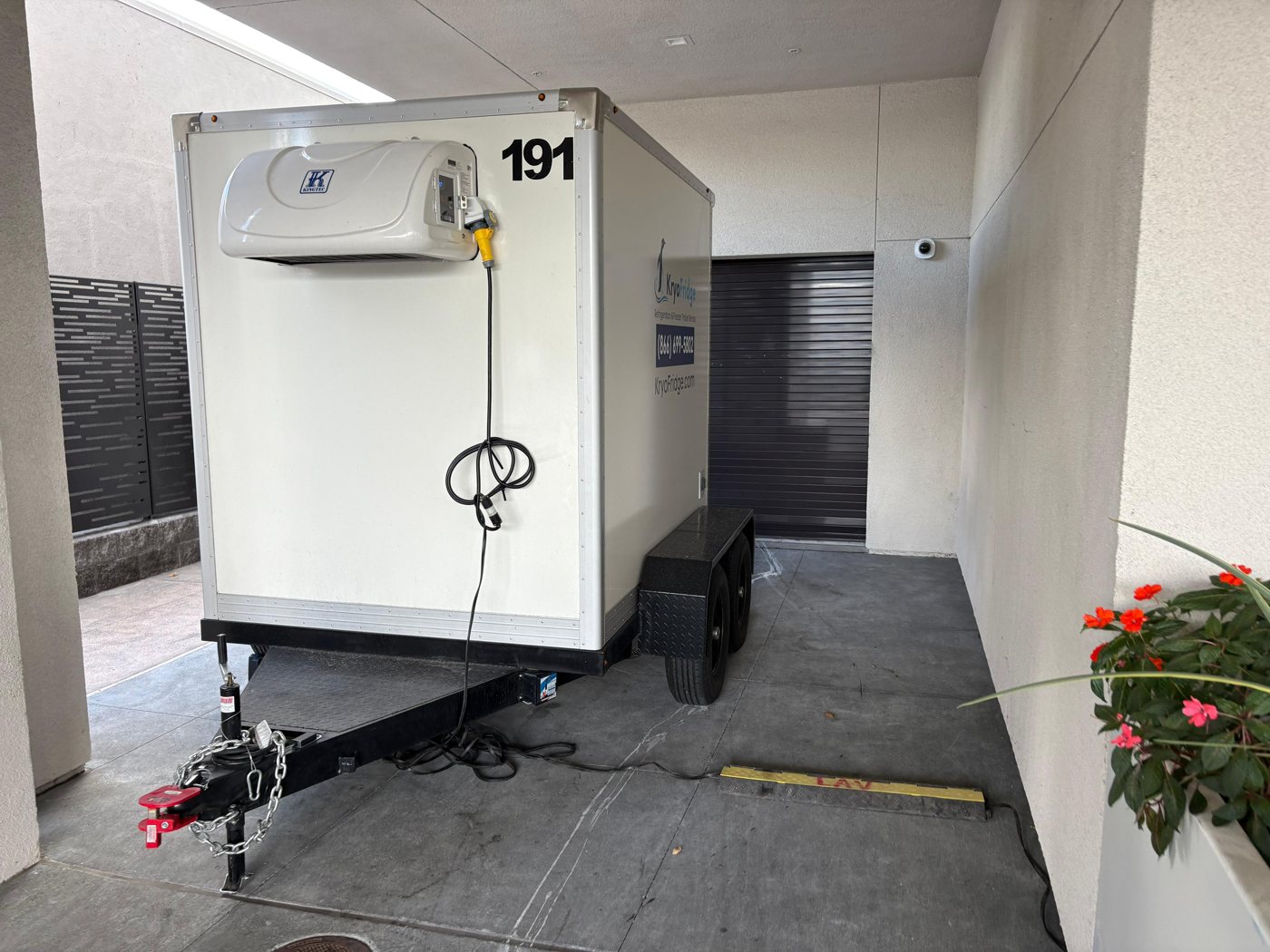
Placement comes down to two things: a spot flat enough and open enough for the delivery truck to back the unit in and set it, and either a power source within reach or the clearance to drop a generator beside it. Because our drivers already run De Portola’s long estate driveways, the Rancho California Road tasting-room lots, and the tighter Old Town corners every week, we lock the exact landing point with you before the truck rolls, which turns the drop into a single trip instead of a guessing game in someone’s parking lot.
Festivals, the Rod Run & Pechanga: the Valley’s Event Calendar
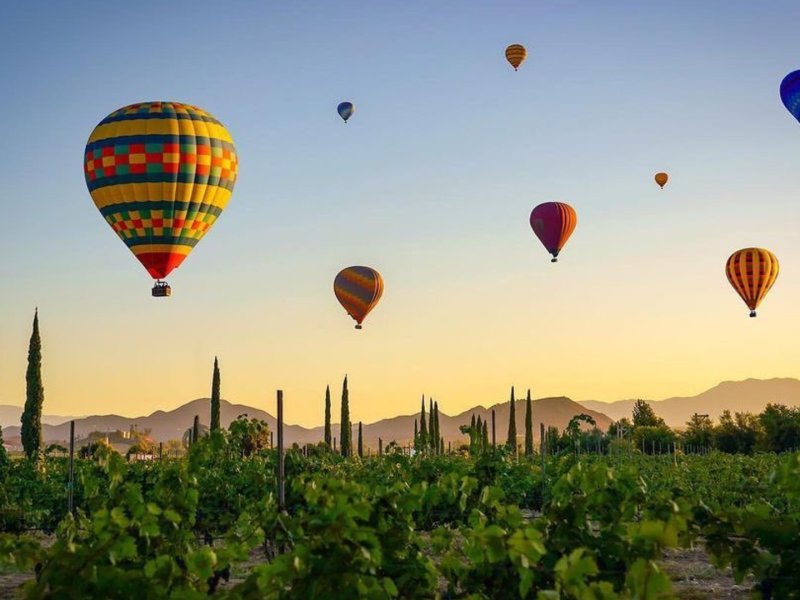
Temecula’s calendar is wall-to-wall with the kind of events that quietly run on cold storage. The Temecula Valley Balloon & Wine Festival is the valley’s signature draw, historically filling Lake Skinner with tens of thousands of visitors and a vendor row that bakes in the open sun. Old Town’s Rod Run packs Front Street with 500-plus classic cars and the food vendors lining Main Street twice a year. And just south of town, Pechanga Resort Casino (the largest casino in the West, with a 3,000-capacity events center and more than a dozen food-and-beverage outlets) runs its own steady stream of food festivals, concerts, and competitions.
Every one of those is a cold-chain problem hiding behind a good time. A vendor working a summer festival, a caterer feeding a Pechanga event lawn, a wine-and-food crawl through Old Town, all of it needs reliable cold and freezer space that ice chests can’t deliver once the afternoon heat sets in. A trailer gives event teams a fixed, lockable cold room on site, big enough that nobody’s rationing space and steady enough to hold through a triple-digit day.
For a multi-day festival build, we can stage units ahead of the gates and keep our line open the whole run, the same approach whether it’s one trailer behind a single vendor or several anchoring an entire event grounds.
Permits & Temporary Food Facilities for Temecula Events
If you’re serving food at a public event in Temecula, the cold chain isn’t only an operations question, it’s a permitting one. Sorting out the Riverside County rules before the gates open is what keeps an inspector from pulling your booth on the day of.
Any booth handing out or selling food and drink at a Temecula community event typically has to pull a Temporary Food Facility (TFF) permit through the Riverside County Department of Environmental Health. The instant two or more such booths sit under one event, whoever organizes it owes a separate Event Organizer permit on top. Environmental Health expects that organizer packet on file no later than two weeks out, and it holds any temporary food setup to 25 operating days inside a rolling 90-day window. A caterer plugged into a host venue runs under its own permit instead, with tight limits on how much prep can happen on site.
Cold storage is exactly where a trailer earns its spot on that application. To clear inspection, a food booth has to prove it can hold refrigerated product at or under 41° and frozen product cold for the entire run of the event. A setup that can’t gets shut down on the spot. An NSF-rated trailer reading a steady digital set-point is the piece that carries your product through a baking Temecula afternoon, and it’s the grade of equipment Environmental Health expects to see behind anything serious. The trailer is on us. Filing the permit itself stays with you, and we’re happy to hand over the unit’s spec sheet to staple to it.
Renting Cold Storage in Temecula: Everything Else Worth Knowing
The questions that come up once the basics are covered. Tap any topic to open it.
Freezer trailer vs. portable walk-in vs. reefer truck: which should you rent?
Portable walk-in cooler: inexpensive and compact, but the word to notice is cooler. It chills, it doesn’t truly freeze, and it lives or dies on your building’s power and a mild day. Drop one into a Temecula July and an undersized walk-in can’t reach deep-freeze, and the second a shutoff kills the building, the cooler goes warm right along with it.
Reefer (refrigerated) truck: engineered to haul a load down the highway, not to park and hold it for a week. Idling burns fuel, the compressor drones next to a tasting room or a wedding lawn, and you’re paying for a tractor and a driver you may not even need. It works as a quick stopgap, but it gets clumsy and pricey across days or weeks of stationary storage.
Freezer trailer (our lane): designed from the start to be parked and to keep a number for days or weeks at a time. It hits deep-freeze, it’s NSF-rated, it stays quiet and locks up tight, and it runs off nothing more than a dedicated circuit or a generator. You get more usable space than a portable walk-in and a fraction of the cost and fuss of a reefer truck, in a box engineered to hold its set-point through the very August heat that sinks the other two.
Food-safe construction & Riverside County health compliance
Temporary cold storage still has to satisfy the Riverside County Department of Environmental Health, which permits and inspects food facilities across Temecula and the valley. An inspector who finds a unit that can’t hold a documented temperature, or that isn’t built for food contact, can stop service fast.
Our trailers carry NSF approval for a reason: food-safe interior surfaces, drainage that meets code, and a digital controller mounted where a line cook or an inspector can read the set-point in a second. Worth being straight about: our lane is the food-safe, temperature-holding hardware. We don’t run third-party temperature-logging or alarm-monitoring as a service, so if a compliance program of yours requires continuous logging, line that piece up on your own.
The real cost of a cold-storage failure in Wine Country
Do the arithmetic a Wine Country operator does in their head. One restaurant walk-in might be sitting on thousands of dollars of frozen and chilled stock. A winery banquet kitchen or a grocery case dwarfs that, and a caterer’s plated reception load simply can’t be re-ordered the morning of the wedding. Knock out the power or a compressor on a 105° day and the clock starts on all of it within hours, on top of the revenue bleeding from a stalled service and the frantic effort to rescue whatever’s left.
Set a staged trailer against that exposure and it reads as cheap insurance: a fixed, predictable cost standing guard over a loss with no ceiling. That’s why the operators who’ve eaten one failure keep our number taped by the phone. Round two, they call us before anything in the box has warmed up.
Seasonal demand in Temecula: book ahead when you can
No single failure is ever on the calendar, yet the valley’s year as a whole runs to a rhythm we can plan around. Spring-through-fall wedding and event season is the steady planned-booking driver; the June-to-September heat is when reach-ins and walk-ins start dropping; fire-season de-energizations stack up the outage calls; and December loads the grocers and restaurants with holiday overflow. So the rule of thumb is simple: anything you already have a date for, a booked wedding, a festival weekend, a kitchen remodel, reserve early and the size you want is locked. Everything that ambushes you instead, that’s what our 24/7 staging line exists to catch.
Multi-trailer & scalable setups for big vineyard events
A single trailer is plenty for the average kitchen, tasting room, or market. The jobs that outgrow one box, a full-estate wedding, a multi-vendor festival, a disaster-relief push, are exactly where owning the fleet pays off: we can reserve several units as a set and roll them in one at a time as the operation grows. That Denny’s three-trailer Mother’s Day stage is the template, matching cold capacity to the actual scale of the job rather than making the job ration one undersized unit. Across a sprawling Wine Country property, having that headroom on tap is what keeps the weekend from turning into a scramble.
Short-term emergency vs. long-term & contract storage
Terms stretch to fit the need: a few days behind an emergency or a one-night reception at the short end, weeks or months through a remodel or a seasonal overflow in the middle, and open-ended contract standby for valley operations that want a unit on permanent call. Hand us a ballpark on duration and the quote comes back honest, even “we genuinely don’t know yet” is a fine answer that costs you nothing. And because we own the trailers outright, no broker markup is buried anywhere in that number.
Rent a trailer or build a walk-in? How the Temecula math shakes out
A permanent walk-in is a capital project before it’s a cold box, a refrigeration contractor, an electrician, a county building permit, and weeks of calendar all have to clear before the first pallet ever chills. That math only pays back when the demand is year-round and there for good. Much of what drives Temecula calls is the opposite: peak-season overflow, a kitchen mid-remodel, a festival weekend, a single big event, a dead unit stranded on a parts backorder. Those are temporary problems, and pouring permanent infrastructure at a temporary problem is the slowest and most expensive route to solving it.
A rental inverts that calculus entirely. You take on precisely the cold capacity the job calls for, for precisely the span you need it, skipping the construction and the permit queue completely. Delivery lands that same week and frequently that same day with the box already holding temperature, and the moment the job wraps, so does what you owe, nothing lingers on the books.
How a trailer holds deep-freeze in 105°-plus heat
Three pieces have to pull together. Start with the shell: thick insulated panels and sealed, gasketed doors that lock the Temecula sun outside and the chilled air in, so the system never has to fight heat bleeding through flimsy walls. Add the refrigeration: a self-contained reefer condensing unit specced with real headroom, so it keeps stripping heat out at 105° ambient rather than maxing out like a too-small cooler. Finish with the controls: a digital thermostat that holds the number you dialed and cycles the compressor to defend it.
Put together, that’s why a trailer on an open vineyard lawn in August behaves like one in a mild warehouse: the box is engineered around the worst afternoon the valley can throw at it, not a comfortable average. It’s the same reason power is the first thing we ask about: that engineered margin only holds if the unit is fed steady current from a dedicated circuit or a generator.
Booking a Cold-Storage Trailer in Temecula, Step by Step
On a day that’s already going sideways, booking should be the simple part. Four steps, transparent quoting, one accountable contact.
1 · Tell us what you’re storing
Is it frozen or just chilled, about how much, what’s the guest count if it’s an event, and over what stretch of days? A line or two is all we need to steer you to the right size.
2 · We confirm size, power & placement
We pair you with a unit, sort out whether you’ve got a dedicated circuit or need us to bring the generator, and pin down exactly where it lands, whether that’s a vineyard lawn or a restaurant back lot, so the truck makes one clean trip.
3 · Delivery & setup
We deliver across the valley on your timeline (within about 45 minutes for an emergency), position the unit, power it, and let it pull down to set-point.
4 · You store; we stay reachable
The trailer keeps its number for the length of the rental, our phone stays on the entire time, and once you’re finished we come haul it back.
Where We Deliver Cold Storage Around Temecula
Our Temecula-Valley staging means fast response across every part of the city, from Old Town and Harveston to Redhawk, Vail Ranch, Paloma del Sol, Temeku Hills, Roripaugh Ranch, and Wolf Creek, plus the full Wine Country stretch along Rancho California Road and the De Portola Wine Trail, the Promenade Temecula retail district, and the commercial corridors off Ynez Road and Temecula Parkway.
We also reach the surrounding communities up and down the freeway: Murrieta, Wildomar, Menifee, Lake Elsinore, Canyon Lake, Winchester, French Valley, and Fallbrook. If you’re near the 15, the 215, or the 79, we can get a trailer to you, usually same-week, and within about 45 minutes when it’s an emergency.
Why Temecula Kitchens, Wineries & Event Teams Call Us
“Our walk-in died the morning of a 240-guest wedding at a winery off Rancho California. KryoFridge had a trailer on the lawn and cold within the hour, the caterer never even broke stride. Lifesavers.”
Wedding planner · Temecula Wine Country“Booked a 6×16 for a two-day festival in Old Town. Clean unit, held temperature through a 100° Saturday, crew on time and easy to deal with. We’ll use them every year.”
Event coordinator · Temecula, CA“We run a tasting-room kitchen and lost a compressor in August. They had a trailer to us fast and set it on a generator since our panel was maxed. Kept every bit of product in spec.”
Winery operations · Temecula Valley“Straightforward quote, no broker runaround, and they actually answered the phone during a power shutoff. That combination is hard to find in this business.”
Grocery manager · Murrieta / TemeculaPlaceholder testimonials matched to real Temecula scenarios, swapped for verified Google reviews before publish.
Temecula Freezer & Refrigeration Trailer Rental FAQ
How fast can a freezer trailer reach a Temecula winery or kitchen?
With units parked and ready in the Temecula Valley, an emergency trailer is usually on the road toward you inside about 45 minutes, while planned rentals get scheduled — weddings, festivals, remodels — to land the day you need them. Old Town, Wine Country, or anywhere off the 15.
What temperature range do the trailers hold in summer heat?
Anywhere on the dial from a -10°F deep-freeze to a 50°F chill, set digitally, and the reefer is built to keep that reading steady through a 105°-plus afternoon in the valley rather than only in a cushy bench test.
What power do I need on a vineyard or event site?
One of two things: either a generator or a dedicated 120-volt, 20-amp outlet sitting within roughly 100 feet of the trailer. They won’t run off 208–240V building service, so on a vineyard lawn the generator is almost always the play, and we map that out with you ahead of the drop.
Is the trailer food-safe, NSF-approved, and covered by insurance?
They are. Each unit is NSF-rated for food, with food-grade surfaces and a digital controller, and every rental is fully licensed and insured, the grade of gear a Riverside County health inspector wants to see behind any serious kitchen or booth.
What’s the shortest and longest I can keep a unit?
Whatever the job demands. That might be a couple of days for one wedding or a sudden failure, weeks or months across a remodel or a busy season, or a standing contract if you want capacity on call. We quote to the actual term, not a fixed package.
Which Temecula-area cities do you serve?
Temecula and the wider Temecula Valley (Murrieta, Wildomar, Menifee, Lake Elsinore, Canyon Lake, Winchester, French Valley, and Fallbrook) plus the De Portola and Rancho California wine corridors. If you’re near the 15, 215, or 79, we can reach you.
Am I dealing with a broker or the company that owns the trailers?
You’re talking to the owner-operator, not a go-between. The fleet is ours to own, service, and deliver, which means no resale markup, nobody in the middle, and a single name on the hook from your first call through pickup.
Cold Storage Down in Temecula? Let’s Get a Trailer Rolling.
Tell us the load and we’ll come back with a straight, no-runaround quote, or hit the 24/7 line right now if a cooler just died anywhere across Temecula and the valley.