
Refrigerated Trailer Rental for Wineries & Vineyards
When crush outruns your cold capacity, a glycol chiller drops mid-harvest, or the cellar fills at release time, KryoFridge stages a refrigerated cold storage trailer right at the winery across California, Nevada, Utah, Arizona, New Mexico, and Hawaii. We run one of the largest refrigerated trailer fleets in the West, owner-operated, backed by 30-plus years in the equipment rental industry.
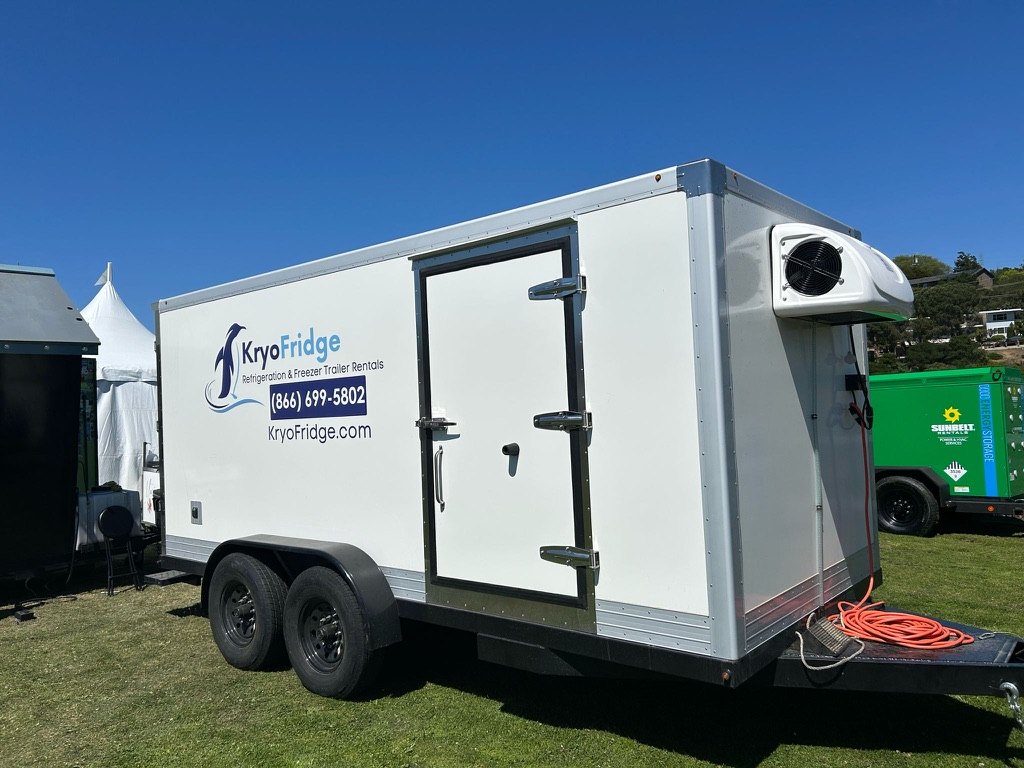
A refrigerated trailer is the fastest way for a winery to add cold room capacity exactly where the fruit comes in, with no permanent build, no permit, and no gamble on a hot September afternoon. Park it beside the crush pad or the cellar door, feed it one outlet or a generator, and you have hundreds of cubic feet of temperature-controlled space to cool picked fruit before crush, cold soak a small lot, hold cased wine out of the heat, or run a near-freezing cold stabilization on finished wine. For a winery pulling tons off the vine at dawn and racing the temperature all day, that difference shows up in the glass: clean fruit, a controlled ferment, and wine that reaches the bottle the way the winemaker built it.
Wineries reach for a rented refrigerated trailer for a handful of recurring reasons, and the questions are always the same: when to book against a pick date, what size fits the tonnage, the temperature and power setup that keeps fruit and wine on target, how delivery and placement work around forklift and gondola traffic, and how a trailer compares to building a cold room or renting a reefer truck. How KryoFridge answers each one comes straight from how we actually dispatch to wineries and vineyards across Napa, Sonoma, the Central Coast, Paso Robles, Lodi, and beyond, not a generic spec sheet. This page is built for cold storage rather than freezing: grapes and wine hold cold, not frozen, so everything here is framed around the refrigerated setpoints winemaking actually runs on. If your need leans hard frozen, our freezer and refrigerated trailer rental hub covers the full range.
The #1 Choice for Winery Cold Storage in the West
KryoFridge is a direct, owner-operated refrigeration company, not a broker or reseller that farms your harvest out to whoever has a trailer free. You deal with the people who own the fleet, and that fleet is built specifically for tight, adjustable cold storage.
Every KryoFridge trailer is a precise cold box. The same unit runs warm as a refrigerator to hold picked fruit and cased wine near cellar temperature, or drops to the near-freezing range to cold stabilize a finished lot, so a winery is never locked into one mode across a season that needs several. That range, paired with one of the largest fleets in our markets, is why we can cover a peak-harvest week when every winery in the valley wants cold capacity in the same stretch and a single-trailer operator is already committed elsewhere. And because we own every trailer, there is no third party standing between your crush and the unit. We come from a long line of rental entrepreneurs, and temperature-controlled storage is what we do every day.
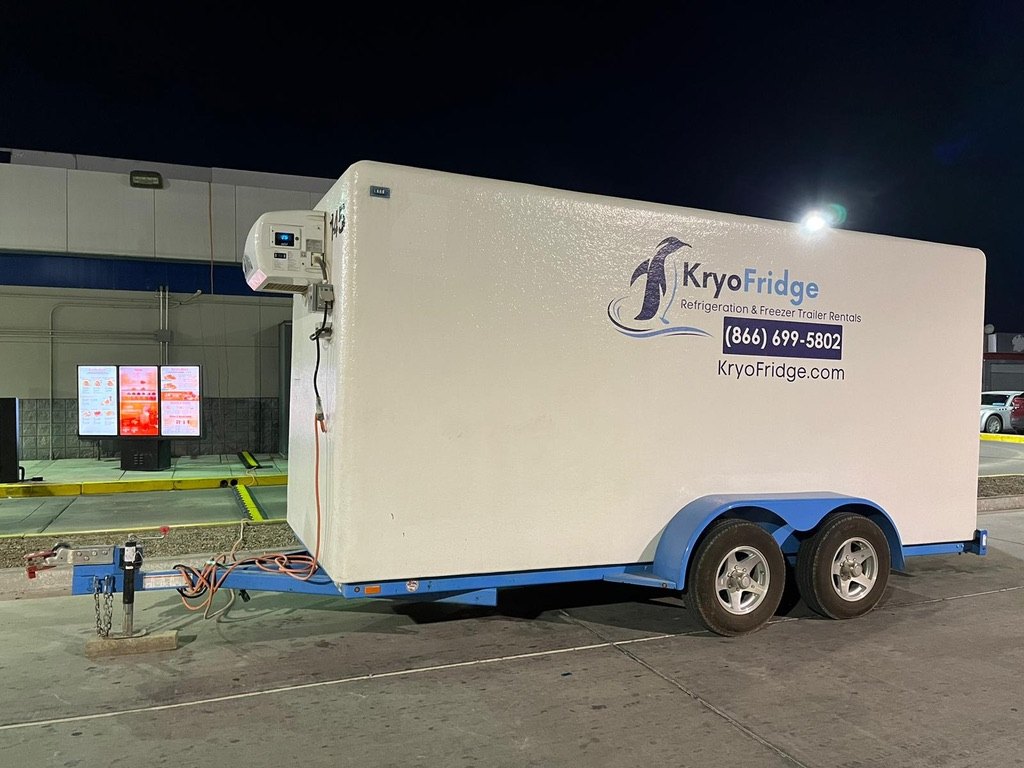
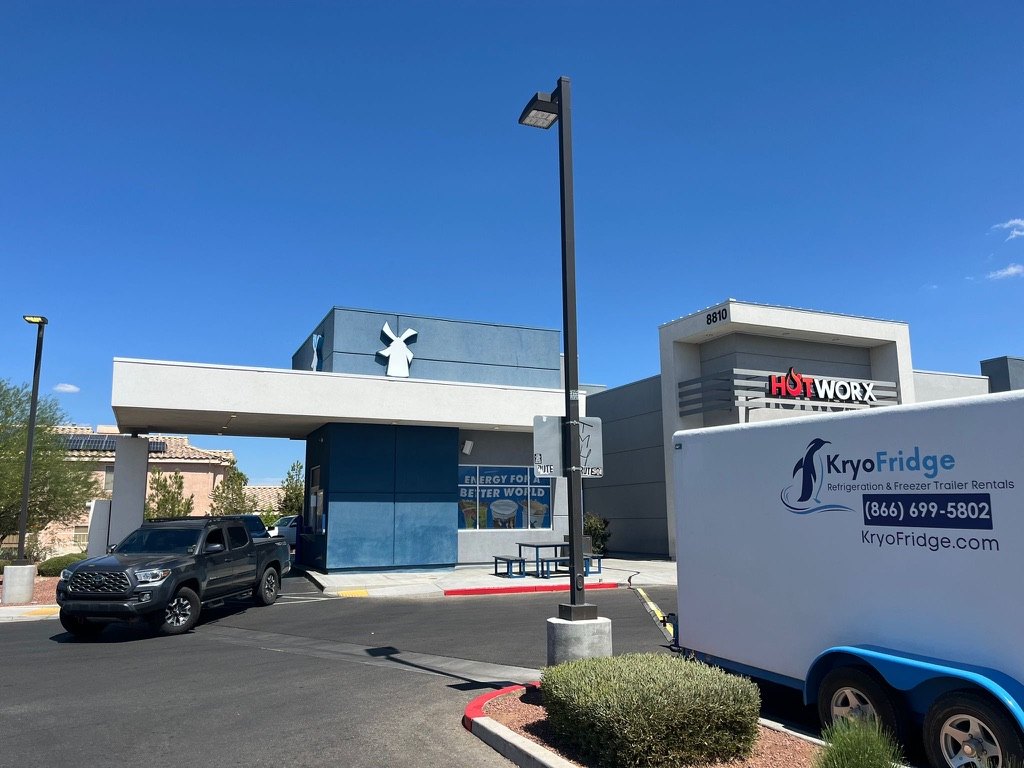
When Wineries and Vineyards Rent a Refrigerated Trailer
Most winery cold-storage needs fall into a handful of patterns, and each one runs on a different timeline and a different setpoint. Here are the six we field most often.
Cooling Picked Fruit at Crush
Fruit picked warm has to drop before it hits the crusher. A refrigerated trailer holds full bins and gondolas in the mid 40s to 50°F so grapes wait cool overnight instead of oxidizing on the pad.
Cold Soak on Red Lots
Pre-fermentation cold soak pulls color and aroma before the yeast wakes up. A trailer holds small bins or fermenters steady in the mid 40s to 50°F for the days a cold soak needs.
Cold Stabilization
Dropping tartrates means chilling finished wine to near freezing, around 25 to 30°F, for a week or two. A trailer runs that hold when your jacketed tanks or cold room are maxed out.
Chiller or Cold Room Downtime
A glycol chiller failing mid-crush is an emergency. A trailer is instant backup cold space so a hot afternoon does not cost you fruit, a lot, or a controlled ferment.
Cased & Bottled Wine Holding
Heat wave, or a full cellar at release time? The trailer holds cased and bottled wine at a steady, protective 45 to 50°F until it ships or moves to the tasting room.
Tasting Room & Event Overflow
Club releases, harvest parties, and estate weddings surge cold demand. A trailer holds chilled whites, sparkling, and catering product the tasting room fridge cannot.
Cold Storage That Comes to the Crush Pad
Harvest does not wait for cold space. When the Brix hits and the pick is called, tons of fruit come off the vine in a compressed window, often at first light to beat the heat, and every bin has to hold below the temperature where wild fermentation and oxidation start creeping in. A vineyard block, an estate crush pad, or a custom-crush yard rarely has spare cold room capacity sitting idle for exactly those three weeks. Stacking fruit in the shade and hoping a 95°F afternoon behaves is how a winery loses aromatics before the grapes ever see the press.
A rented refrigerated trailer ends that gamble. We roll a unit to the winery, pull it down to your setpoint, and you load picked bins straight off the gondola so the fruit holds cool right beside the crusher. Whites and aromatics keep their lift, reds wait clean for their cold soak, and the cellar crew crushes on the winemaker’s schedule instead of the thermometer’s. One North Coast cellar master who ran a trailer through a heat-spike harvest put it plainly: “it is the only reason we could pick at temperature and still crush on our own timeline.”

A crush pad with no spare cold room still needs cold-room-grade storage. The trailer brings it.
One Trailer, Every Cold Setpoint Winemaking Runs On
A single KryoFridge trailer holds any setpoint between +50°F and -10°F, which covers every refrigerated stage of the cellar year. Where a winery’s product sits on that scale:
Our Refrigerated Trailers, Hard at Work for Real Wineries
Every one of these started with a phone call from a winery that suddenly had more fruit or wine than cold space. Different problem each time, same result: the temperature held and the vintage stayed on plan.
Oakstone Cellars: A Heat-Spike Harvest
A Napa estate called their Cabernet pick into a forecast pushing 100°F. We staged a refrigerated trailer at the crush pad so picked bins held in the mid 40s overnight, letting the crew crush cool fruit the next morning instead of racing the sun.
Central Coast Crush Co.: A Glycol Failure at Peak
A Paso Robles custom-crush facility lost a glycol chiller during the busiest week of harvest. A trailer arrived as emergency cold space to hold small lots and picked fruit while the repair ran, so nobody’s vintage sat warm.
Russian River Family Wines: A Tartrate Hold
A Sonoma winery needed to cold stabilize several finished lots but the jacketed tanks were tied up in the next vintage. A trailer ran a steady near-freezing hold for two weeks so tartrates dropped without stalling the cellar.
Ridge & River Vineyards: Small-Lot Cold Soak
A boutique Foothills producer wanted a multi-day cold soak on several Zinfandel bins but had no cold room deep enough. A single trailer held the fruit in the mid 40s for the soak, then flexed to hold cased wine after fermentation.
Rancho Vista Winery: A Club Release Crush
A Temecula winery’s club release weekend outran the tasting-room fridge. A trailer held chilled whites, sparkling, and catering product at temperature so the estate could pour for a packed crowd without a single warm bottle.
Delta Bench Wines: A Full-Cellar Release
A Lodi producer bottled ahead of a shipping crunch and had nowhere cool to stage the pallets. A trailer held cased wine at a protective 48°F for three weeks until the trucks came, keeping finished product out of a warm warehouse.
None of these are lucky exceptions. They are what a large, owner-operated fleet and a dispatch team that actually answers the phone make routine, across every kind of cold gap a winery can hit between first pick and final release. Whatever the stage, the difference between a clean vintage and a scramble comes down to who you call and how far ahead you lock in the trailer.
What Size Refrigerated Trailer Does Your Winery Need?
Match the trailer to the job in front of you, not to your whole operation. A small estate or a single-block harvest usually lands on a 6×12 or 6×16. A larger production winery, a custom-crush facility, or a multi-week stabilization and case-storage run steps up to an 8×20 or multiple trailers.
| Trailer | Approx. capacity | Best for |
|---|---|---|
| 6×12 | ~1 small cold room | Boutique estate, single-block harvest, small-lot cold soak |
| 6×16 | ~1.5 cold rooms | Mid-size winery crush overflow, cold stabilization, case holding |
| 8×20 | ~2 to 3 cold rooms | Large production winery, custom crush, multi-week release storage |
| Multi-trailer | Scaled to demand | Cool fruit and cold stabilize at once, or split fruit and case storage |
A quick way to right-size: estimate your peak-week tonnage and how much of that fruit needs to wait cool before the crusher, then add any cased wine you expect to hold at the same time. A 6×16 comfortably holds the picked fruit of a busy estate harvest with room to keep lots organized by block, while a 6×12 suits a boutique producer or a single cold soak. If you need two temperatures at once, say holding fruit in the mid 40s while a separate lot cold stabilizes at 28°F, tell us. We stage two trailers side by side so neither job compromises the other. When in doubt, size up one step. Running out of cold space in the middle of crush is a far bigger risk than a little extra room.
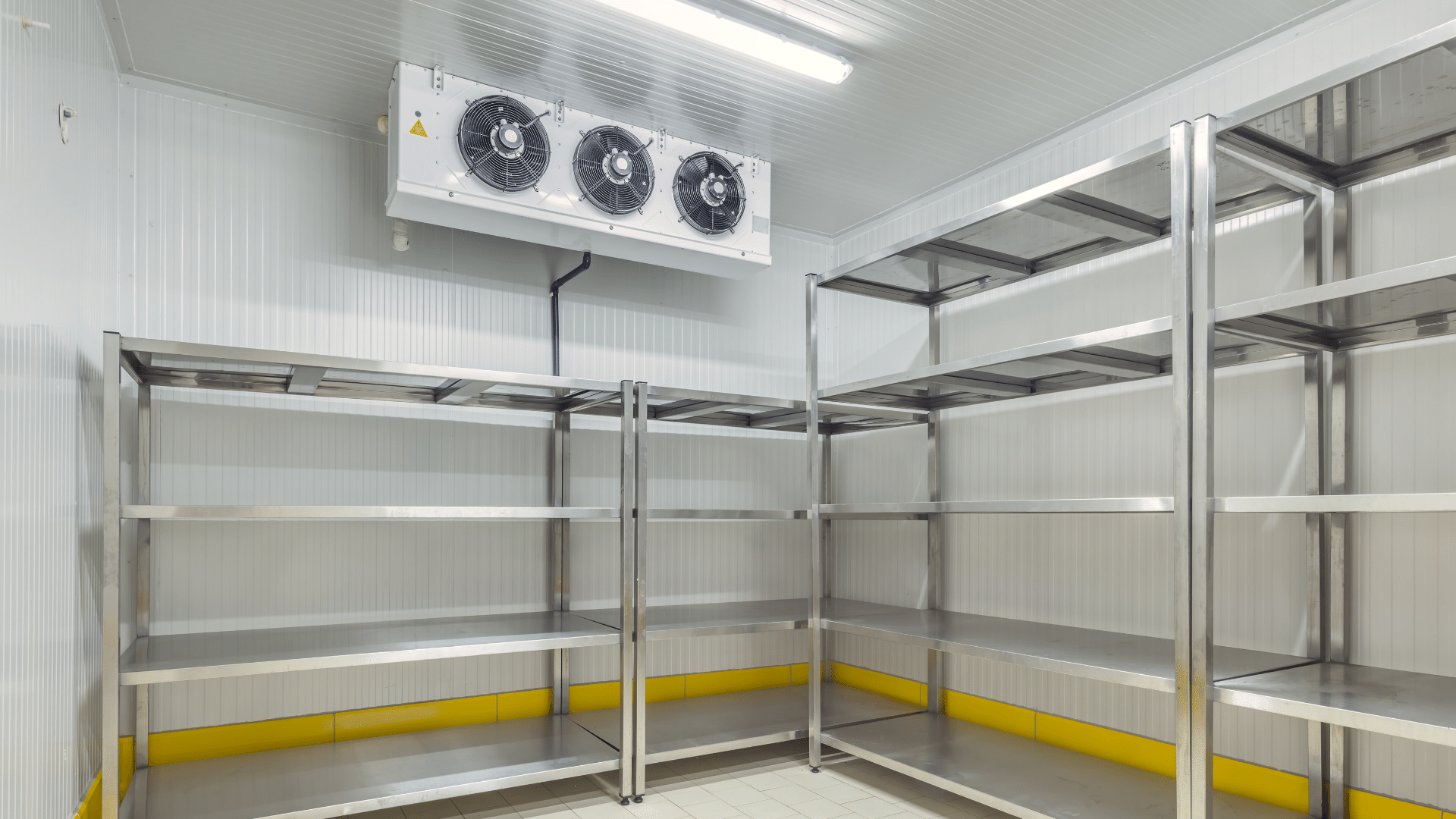
Sealed, washable, food-safe interiors that hold a tight setpoint like a permanent cold room.
Refrigerator and near-freezer in one trailer
Every KryoFridge unit holds a tight, adjustable setpoint as warm as +50°F or as cold as -10°F, so the same trailer can run warm to hold picked fruit and cased wine or drop near freezing to cold stabilize a finished lot. For winemaking that means one piece of equipment covers cooling grapes in the mid 40s to 50°F, cold soaking reds, holding whites and sparkling for service, and running a 25 to 30°F tartrate hold.
Our team sets the exact temperature your stage of the season needs before the trailer ever reaches the winery, and the unit holds that setpoint steadily, hour after hour, whether you are cooling fruit through a hot afternoon or stabilizing wine over two quiet weeks. There is no remote monitoring service to subscribe to. You read the trailer the same way you read your cellar, and you set it where the wine needs it.
Powering the Trailer: One 20-Amp Outlet or a Generator
A refrigerated trailer needs continuous power to hold temperature, and at a winery there are two clean ways to feed it. We confirm which one fits your site during the quote so delivery is one-and-done.
One Dedicated 20-Amp Outlet
A KryoFridge trailer runs on a single dedicated 120V, 20-amp outlet within 100 feet of where it parks. No 208 or 240-volt hookup, ever. If the winery has one free, we confirm it during the quote so the unit powers up the moment it lands.
Standby Generator
Remote vineyard block, estate crush pad, or a yard with no outlet in reach? We add a generator so the trailer holds temperature anywhere, with no electrician and no permit.
Set & Hold
We dial in your exact setpoint before delivery, anywhere from a fruit-cooling 50°F to a near-freezing stabilization hold, and the unit holds it steadily once it is plugged in or running on the generator.
Power is the single most common cause of a delivery hiccup at a winery, which is why we settle it before the trailer leaves the yard. Many crush pads and remote blocks simply do not have a dedicated 120V, 20-amp outlet free within reach of where the trailer needs to sit, and a winery in the middle of harvest already has every panel carrying pumps, presses, and the chiller. The standby generator solves that without pulling an electrician off the cellar and without a permit, and it keeps cold storage running independent of whatever the winery’s own power is already handling. To be clear about the spec: these trailers run on standard 120-volt, 20-amp power or a generator, and never require 208 or 240-volt service, so there is no special hookup to arrange.
Delivery, Setup & Where to Park It at the Winery
Planned harvests land in a scheduled delivery window you pick, usually a day or two before first pick so your crew can pre-chill and be ready. For a chiller failure or a sudden pick call, we move as fast as our fleet allows. Here is the four-step flow.
Refrigerated Trailer vs. Cold Room vs. Reefer Truck for a Winery
Wineries weighing temporary cold storage usually compare three options. For most harvest and cellar needs the trailer wins on flexibility and speed. Here is the honest breakdown.
Refrigerated Trailer
- Cold-room capacity delivered to the crush pad
- Dials from fruit cooling to near-freezing stabilization
- Generator option runs on a remote block
- Daily to monthly, only when you need it
Built Cold Room
- Fixed capacity, empty most of the year
- Capital, permits, and construction time
- Cannot move to a new block or pad
- Overbuilt for a three-week crush spike
Reefer Truck
- Ties up a whole tractor and driver
- Engine idles to make cold, loud all shift
- Awkward tailgate height for loading bins
- Built for transport, not steady on-site holding
A built cold room makes sense if you need that capacity year-round, but most wineries only need the extra space for the weeks of crush and the stretch of cold stabilization that follow, and a permanent room sits empty and paid-for the rest of the year. A reefer truck can hold cold in a pinch, but it sacrifices a whole tractor, runs its engine to keep the box cold, and forces the crew to lift bins at tailgate height all shift. A dedicated refrigerated trailer threads the needle: it arrives ready, sits at a workable height with real floor space, holds a tight setpoint that dials from fruit cooling to tartrate stabilization, runs on a generator on any block, and bills on whatever term the season needs. That is why it is the default choice for wineries that want cold capacity without a capital project. It is the same logic our brewery customers use for lagering and fermentation temperature control, which we cover on our cold storage trailer rental for breweries page.
Scaling Cold Storage for Crush and Release Season
Cold storage is not only a harvest-day tool. It is how a winery scales for its two busiest stretches without overbuilding for the quiet months. Crush hits every cellar with the same wall, more fruit than cold room, in a compressed August-to-October window, and cold stabilization keeps the demand high for weeks after as finished lots need near-freezing holds. Then release season and the holidays load the tasting room and the shipping dock at once. Building permanent cold room capacity for those peaks means paying all year for space that sits empty between vintages.
A trailer rented for the season gives you the capacity exactly when you need it and goes away when you do not. Park it at the crush pad to cool fruit through harvest, flex it to a stabilization hold once the tanks free up, then use it at release time to stage cased wine out of the heat, all on one rental instead of a build. One estate winemaker who ran a trailer from first pick through release told us afterward: “we finally stopped losing aromatics to the pad and stopped renting a warehouse we did not need.” When the season clears, the trailer goes back and no capital is tied up in a room that waits eleven months for the next crush.

Scale cold storage for crush and release, then send the trailer back for the quiet stretch.
Clean, Food-Safe Construction Built for Fruit and Wine
A refrigerated trailer that touches picked fruit, must, and cased wine has to do more than get cold. It has to hold a tight, steady temperature in a clean space that will not taint the vintage.
Our trailers are built with sealed, washable, food-safe interiors made for food contact, not a dusty cargo box pressed into service. Insulated walls hold the setpoint through a hot crush afternoon, and the wide adjustable range covers everything from cooling grapes in the mid 40s to a near-freezing cold stabilization at 25 to 30°F. The core standard is simple: the trailer holds the temperature you set, steadily, so fruit waits clean, cold soaks run controlled, tartrates drop where they should, and finished wine stays out of the heat.
A refrigerated trailer slots into a winery’s existing cellar practice as another cold-holding unit you read and adjust yourself. There is no remote monitoring service and no subscription, which keeps it simple: your cellar crew watches it the way they watch every tank and cold room. For the science behind the setpoints, university extension programs like the UC Davis Department of Viticulture and Enology document the temperature logic behind cold soak, fermentation, and cold stabilization, and your own winemaking protocol is always the final word on where to hold each lot.
Where KryoFridge Delivers Winery Cold Storage
We dispatch refrigerated and cold storage trailers across six states from regional yards, so a winery gets a unit from the nearest base, not a cross-country wait.
In Northern California we cover the heart of American wine country: Napa, Sonoma, and the North Coast, plus Lodi, the Sierra Foothills, and the Sacramento region, with fast reach into Wine Country hubs like Santa Rosa in Sonoma County and Fairfield in the Suisun Valley. Down the Central Coast we serve Paso Robles, Monterey and the Salinas Valley out of Salinas, and the Santa Ynez and Santa Maria valleys. Across Southern California we cover Temecula wine country and the Inland Empire. Beyond California, we reach wine and hospitality regions across Nevada, Utah, Arizona, New Mexico, and Hawaii, routing the nearest available unit. Wherever your winery sits in our footprint, the call starts the same way: tell us the site, the pick window, and the tonnage, and we route the nearest trailer.
Winery Cold Storage Resource Library
A few reference points we hand wineries most often, from the setpoints that matter to the authorities behind them. Use these to plan the rental around your actual cellar calendar.
Cellar Setpoint Cheat Sheet
Cool picked fruit and cold soak in the mid 40s to 50°F. Serve and hold whites and sparkling at 40 to 45°F. Hold cased wine at a protective 45 to 50°F. Cold stabilize finished wine at 25 to 30°F for one to two weeks to drop tartrates. Every one of these sits inside the trailer’s +50°F to -10°F range.
Harvest Booking Calendar
California crush runs roughly August through October, sparkling and early whites first, later-ripening reds through fall. Cold stabilization demand carries into late fall and winter. Book cold capacity as soon as your veraison and Brix numbers point to a pick date, because the whole valley wants trailers in the same weeks.
Viticulture & Enology Science
The UC Davis Department of Viticulture and Enology publishes the research behind cold soak, fermentation temperature control, and cold stabilization. A solid reference when you are dialing in exactly where to hold each lot through the season.
Compliance & Permits
Federal winery operations fall under the TTB wine program, and local health and building rules vary by county. A rented trailer is temporary equipment on your existing bonded premises, but always check your county and state requirements for on-site cold storage.
What Wineries Say
Illustrative testimonials. Verified customer reviews are being collected and will replace these.
“We picked Cabernet into a heat wave and the trailer held every bin cool overnight. Crushed clean fruit the next morning instead of racing the temperature. It saved the lot.”

“Our glycol chiller died in the middle of harvest. KryoFridge had a trailer on our pad fast, and we held small lots and fruit until the repair. Dead-quiet on the generator too.”

“Needed to cold stabilize several lots but the tanks were full. The trailer ran a steady near-freezing hold for two weeks and the tartrates dropped perfectly. Easy team to work with.”

Winery Refrigerated Trailer Rental FAQ
How far ahead should a winery book a refrigerated trailer for harvest?
How cold does a KryoFridge refrigerated trailer get for wine?
Can the trailer run at a vineyard or estate with no power?
Can a refrigerated trailer back up my glycol chiller during crush?
How do I get a quote for a winery cold storage rental?
Where should the trailer sit at the winery?
What rental terms do you offer wineries?
Can one trailer both cold soak grapes and cold stabilize wine?
Is a refrigerated trailer good for holding cased and bottled wine?
Does the trailer include remote temperature monitoring?
What size trailer does a winery need?
Which wine regions do you serve?
Reserve a Refrigerated Trailer for Crush
Scheduled delivery across CA, NV, UT, AZ & NM (advance booking in HI). Tell us your site, pick window, and tonnage and we will size it in minutes.