
Roseville Freezer Trailer Rentals, Refrigerated Cold Storage, Delivered Fast

When a cooler quits behind a Galleria food-court kitchen or a grocer loses a case on Douglas Boulevard, Roseville businesses can have a freezer or refrigerated trailer on the lot and holding temperature in about 45 minutes. We stage NSF-approved cold storage right here in Placer County, we run the largest dual-purpose freezer-and-reefer fleet in the West, and we pick up our own phone, with no broker, no padded middleman, and none of the “let me call around and get back to you” that costs you the afternoon.
Roseville’s Go-To Source for Freezer Trailer Rentals
Few cities run on refrigeration the way Roseville does. This is a retail city first, the Sacramento region’s busiest shopping district, anchored by one of Northern California’s largest malls and a wall-to-wall band of restaurants, grocers, and food courts that all live or die by holding temperature. When one of those coolers drops mid-shift, the clock that matters isn’t measured in days. It’s measured in the minutes before product crosses the line. KryoFridge exists to win that clock.
Winning it comes down to one advantage the bargain listings simply cannot fake: the trailers are already in town. They sit staged around Roseville, fueled, pre-cooled, and maintained in-house, parked and waiting for the call rather than being sourced after it. And the voice on the phone belongs to the same outfit that owns the unit and sends the driver. That’s what being a direct operator instead of a broker actually buys you, no reseller in the middle quietly marking up somebody else’s equipment while your inventory creeps past 40°F on the shelf.

A Snapshot of Roseville, and Why a Retail City Lives on Cold
Roseville is the largest city in Placer County, home to roughly 171,000 people and counting. One of the fastest-growing cities in California, climbing into the nation’s top 25 for population growth. That growth is built on stores, restaurants, and the rail and warehouse muscle that keeps them stocked.

The city’s modern identity took shape around the railroad. Roseville grew up as a Southern Pacific rail town, and the legacy of that is still the single most striking thing about its economy: Union Pacific’s J.R. Davis Yard, the largest rail classification yard west of the Rockies, with the vast majority of regional rail traffic rolling across it. A century of moving freight through one place left Roseville with the warehousing, cold-chain, and distribution backbone that a pure suburb never builds.
Layer the retail economy on top of that backbone and you get a city wired for refrigeration. Roseville posts some of the highest retail sales in the entire state, and a household income well above the California median keeps its restaurants and grocers busy year-round. Every one of those storefronts is, quietly, a cold-storage customer waiting for the day its walk-in lets it down.
A bird’s-eye look at Roseville’s retail-dense sprawl. The rail and warehouse network that built the city now powers a restaurant, grocery, and distribution economy where temperature is the whole ballgame.
The Cold-Storage Name America’s Biggest Brands Keep on Speed Dial
National chains don’t gamble on refrigeration. A drifting set-point during dinner rush can cost a brand a day of sales and a health-code headache, so the chains that scale fast vet a cold-storage partner the same careful way they vet a protein supplier. KryoFridge has held temperature for names like McDonald’s, Chick-fil-A, and Dutch Bros, and earned the repeat call.
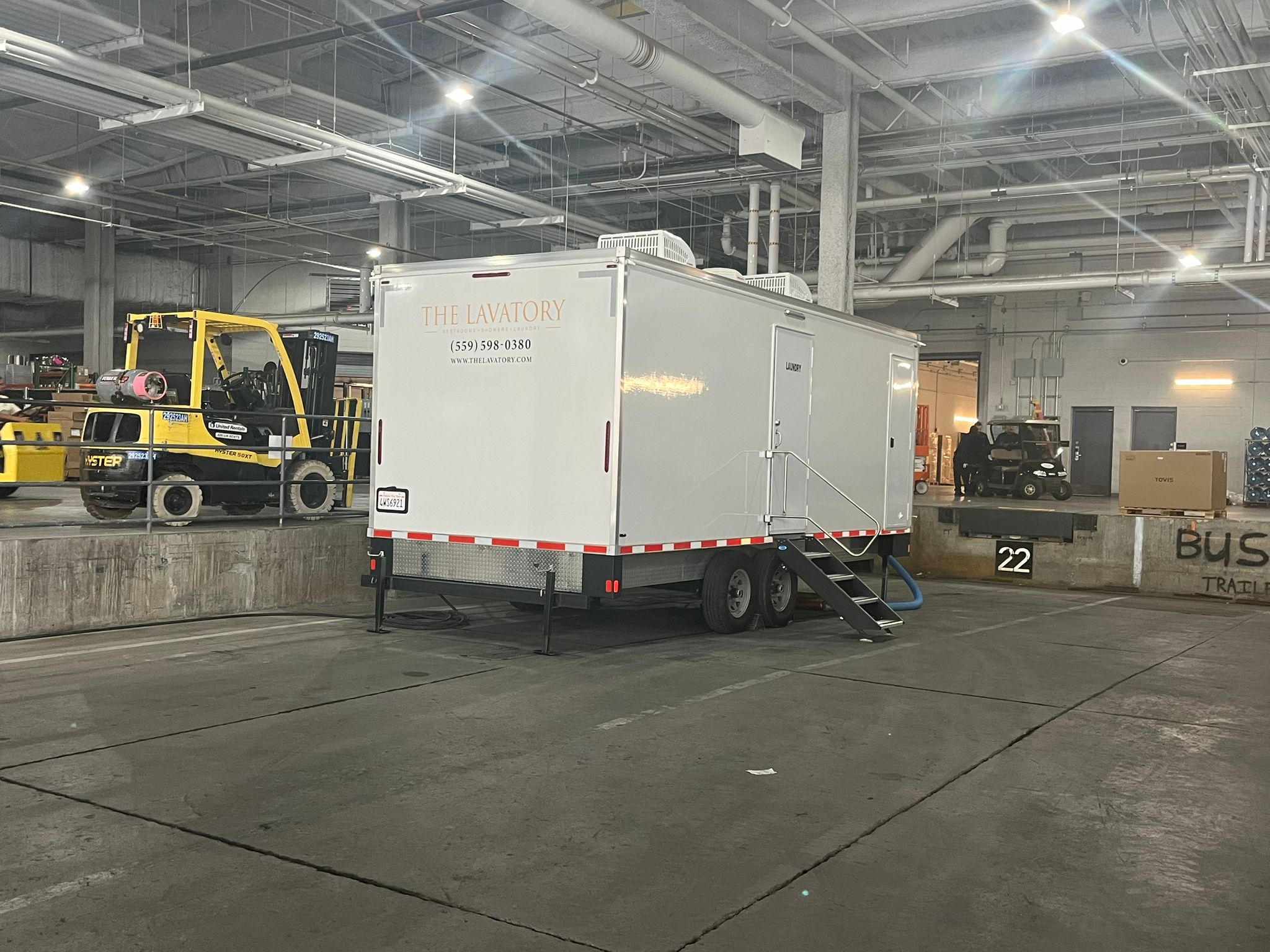
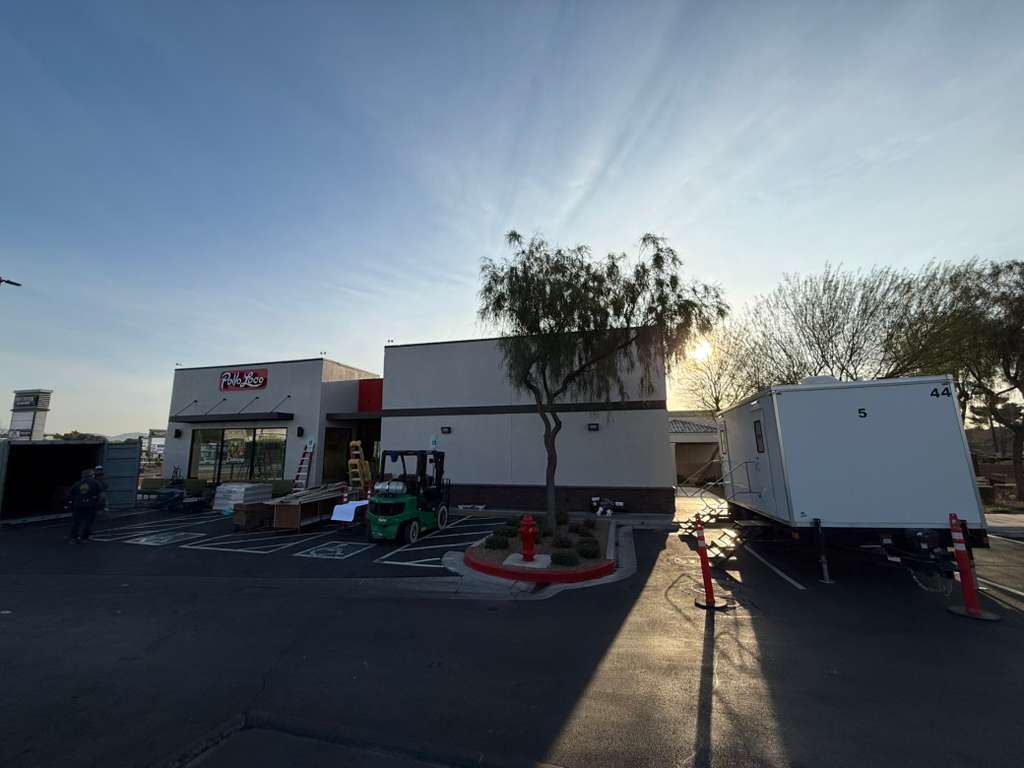
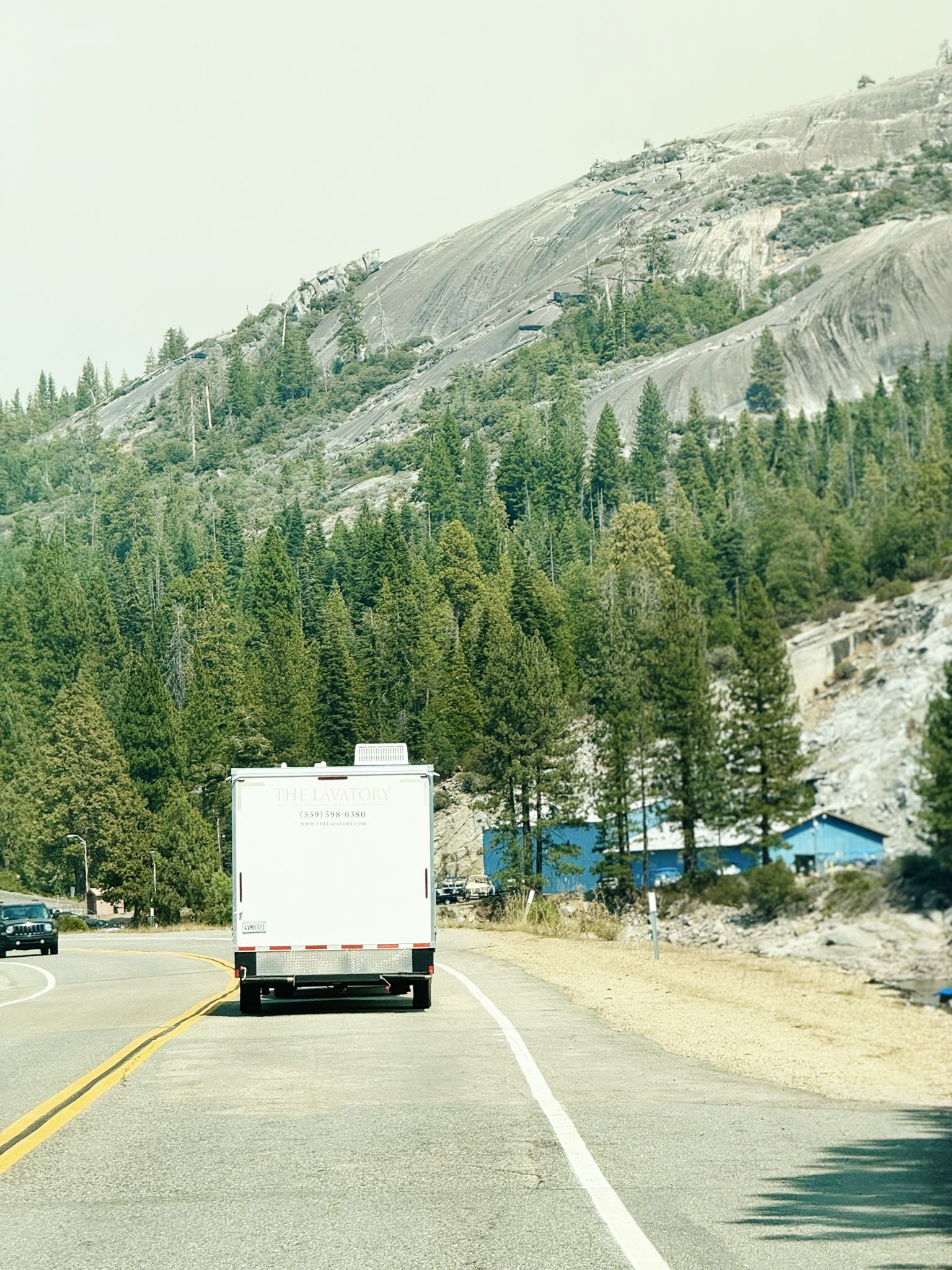
The stories behind that trust are the kind every restaurant owner recognizes. One Friday at 6:30 in the evening, the worst possible hour, a Chick-fil-A called with a dead walk-in and a drive-through line wrapped around the building. We prepped a trailer, dispatched it, and had it on their pad pulling temperature 34 minutes after the phone rang. That is the bar we hold ourselves to. Another year, an overnight outage shorted the cooler at a Denny’s on the morning of Mother’s Day, one of the busiest mornings on their calendar. Our team staged three freezer trailers to hold every pie, every protein, and every prep tray, and got the kitchen through the day. What made both of those calls work: the equipment was already nearby, already cold, and owned by the people who answered the phone. That same standard travels to every Roseville job, from a one-cook taqueria off Vernon Street to a distribution floor beside the rail yard.
Where Roseville Calls Us From, Six Cold-Storage Scenarios
Almost nobody plans for cold storage in advance. It shows up as a compressor that quit overnight, a remodel that just kicked off, or a holiday rush that swamps the walk-in by Friday. Below are the situations we get called for most across Roseville, each matched to the kind of business making the call.
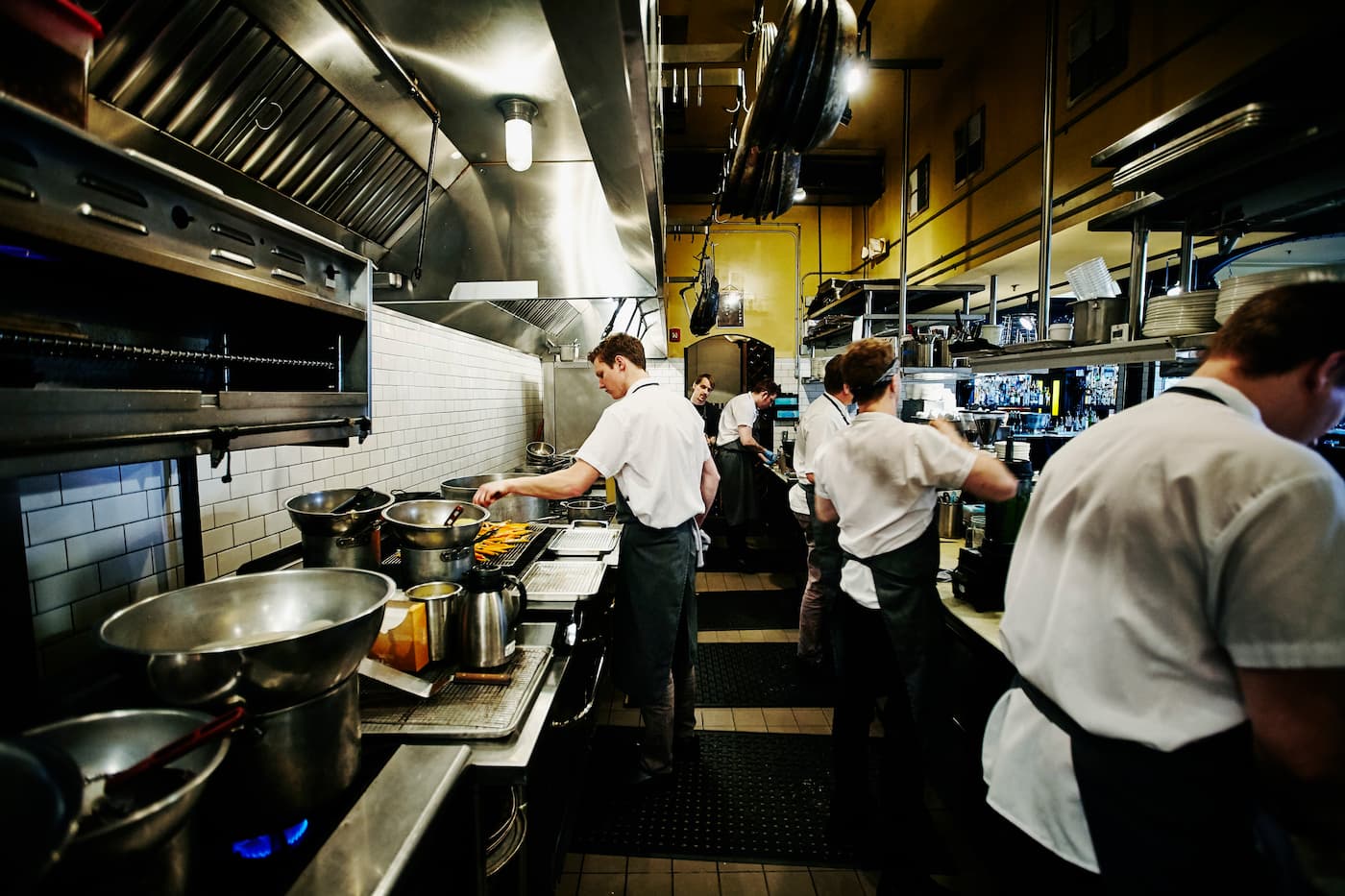
? Restaurants & Food Courts
Compressor failures, remodels, and overflow across the Galleria food court, the Fountains, and the Douglas and Vernon Street dining strips.
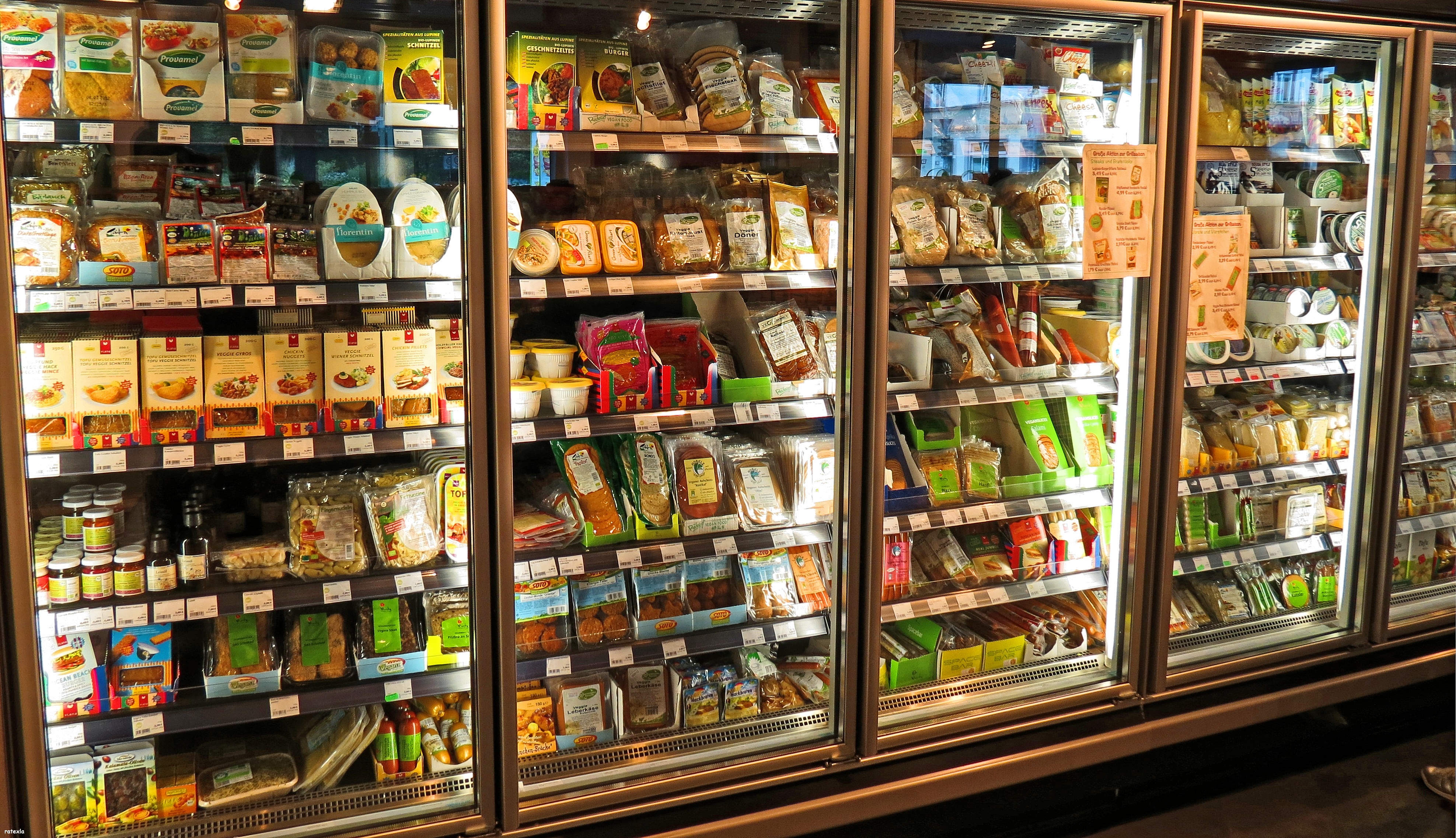
? Grocers & Supermarkets
Stand-in cold for a downed case or rack, a floor reset, or a holiday stock-up across Roseville’s wall-to-wall supermarket scene.
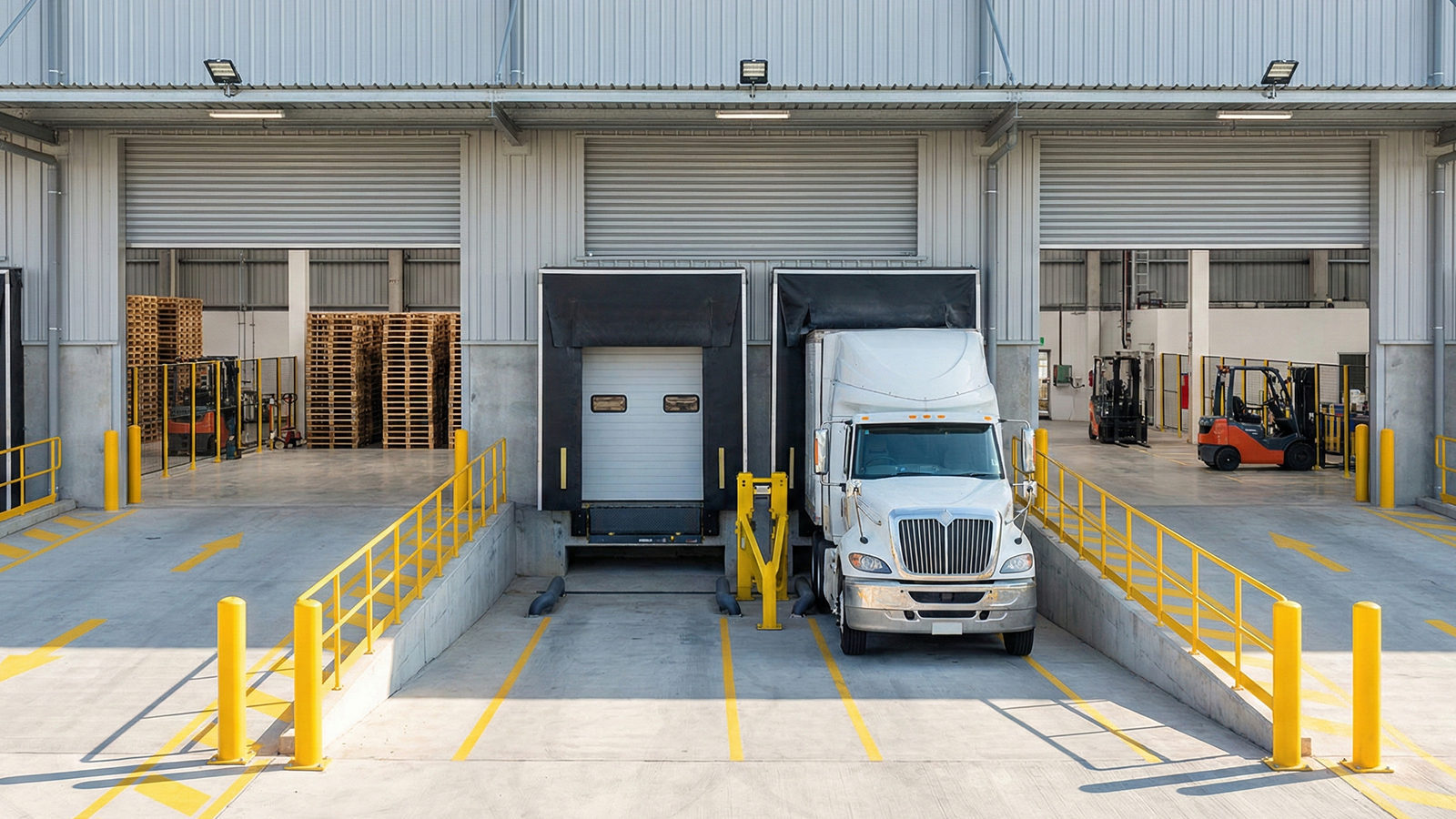
? Distribution & Cold Chain
Drop-in reefer capacity for the warehouses ringing the J.R. Davis rail yard and the I-80 corridor whenever a freezer zone gives out.
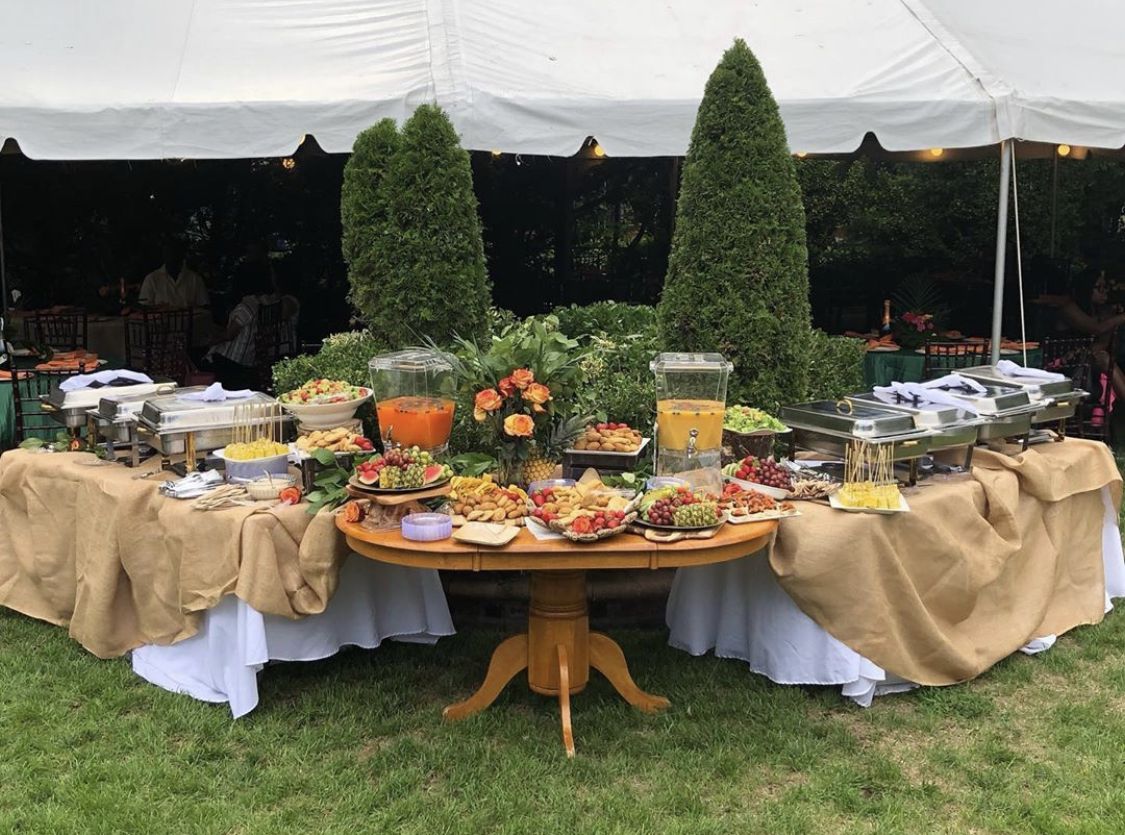
? Events & Catering
On-site cold and freezer space for weddings, fairs, and corporate events at the Fountains, Maidu Park, and venues across Placer County.
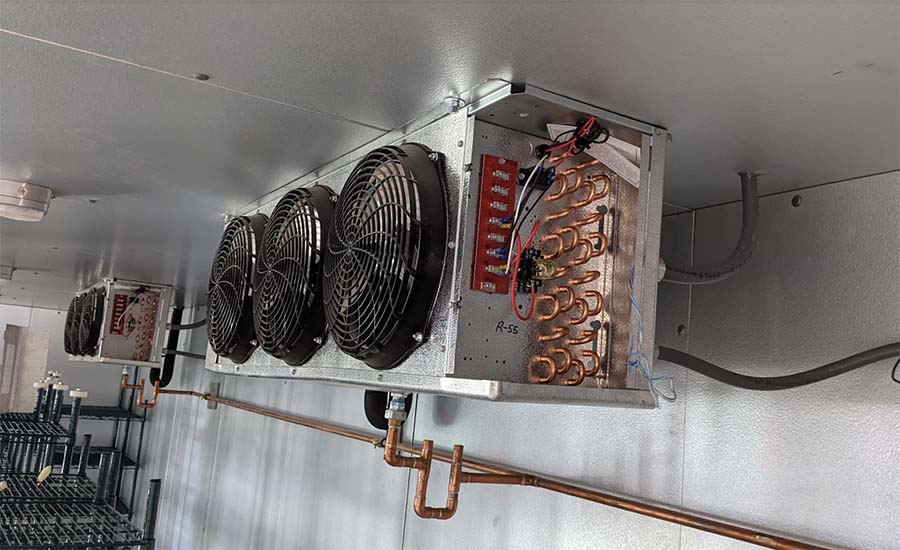
? Emergency & Outage
Round-the-clock response for failed walk-ins, PG&E power events, recalls, and any moment the cold chain breaks unexpectedly.

? Food Prep & Commissary
Seasonal overflow and short-term holding for caterers, commissaries, and the food producers feeding the region’s growing population.
What ties all six together is the clock. Nobody budgets a freezer trailer into next quarter. They reach for one the hour a compressor quits, the morning a remodel begins, or the evening before a party when the stack of rented ice chests suddenly looks laughably undersized. Since our units sit staged around Roseville instead of a couple counties down the freeway, “can I get it today” is an ordinary ask here, not a stretch.
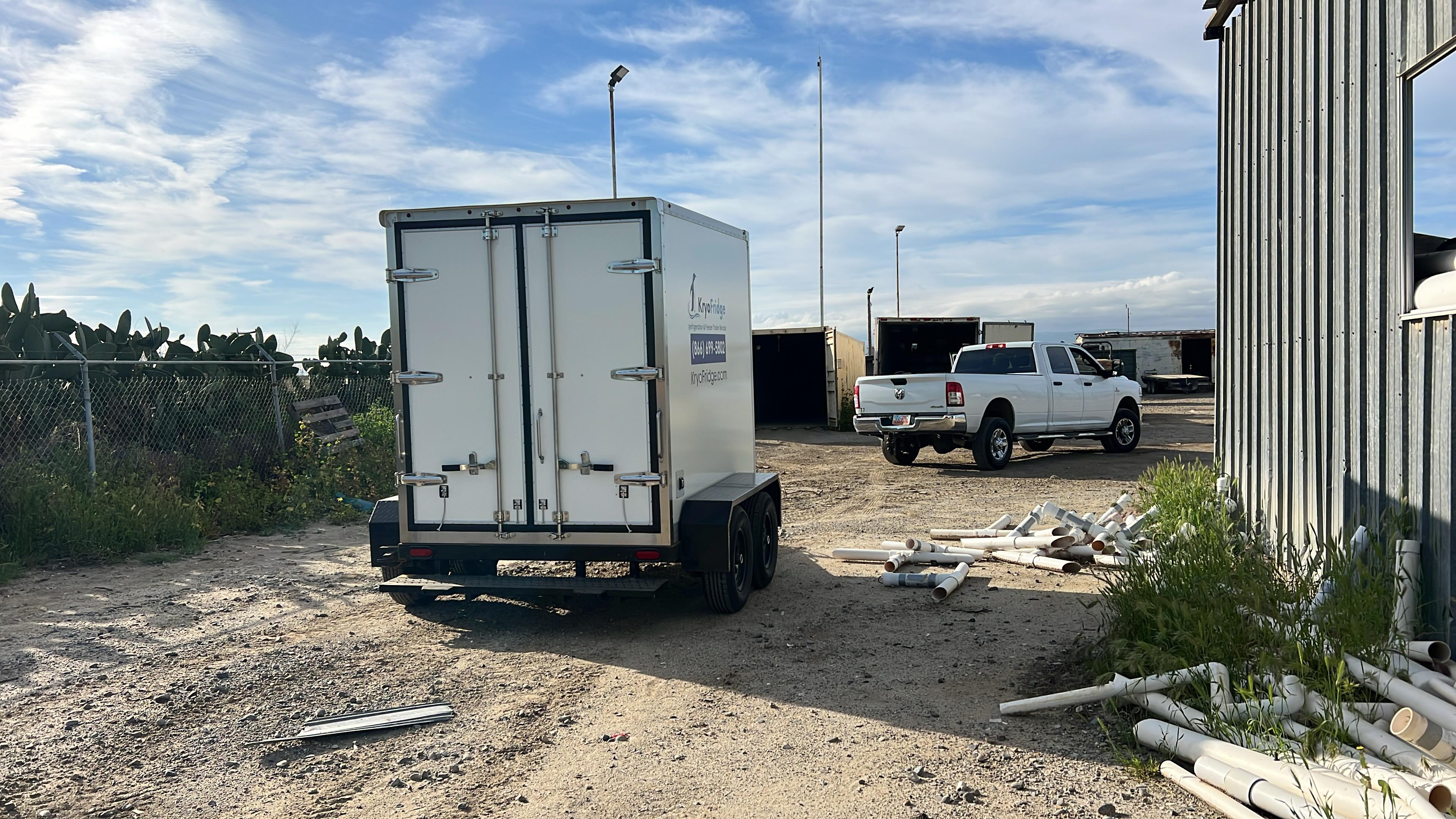
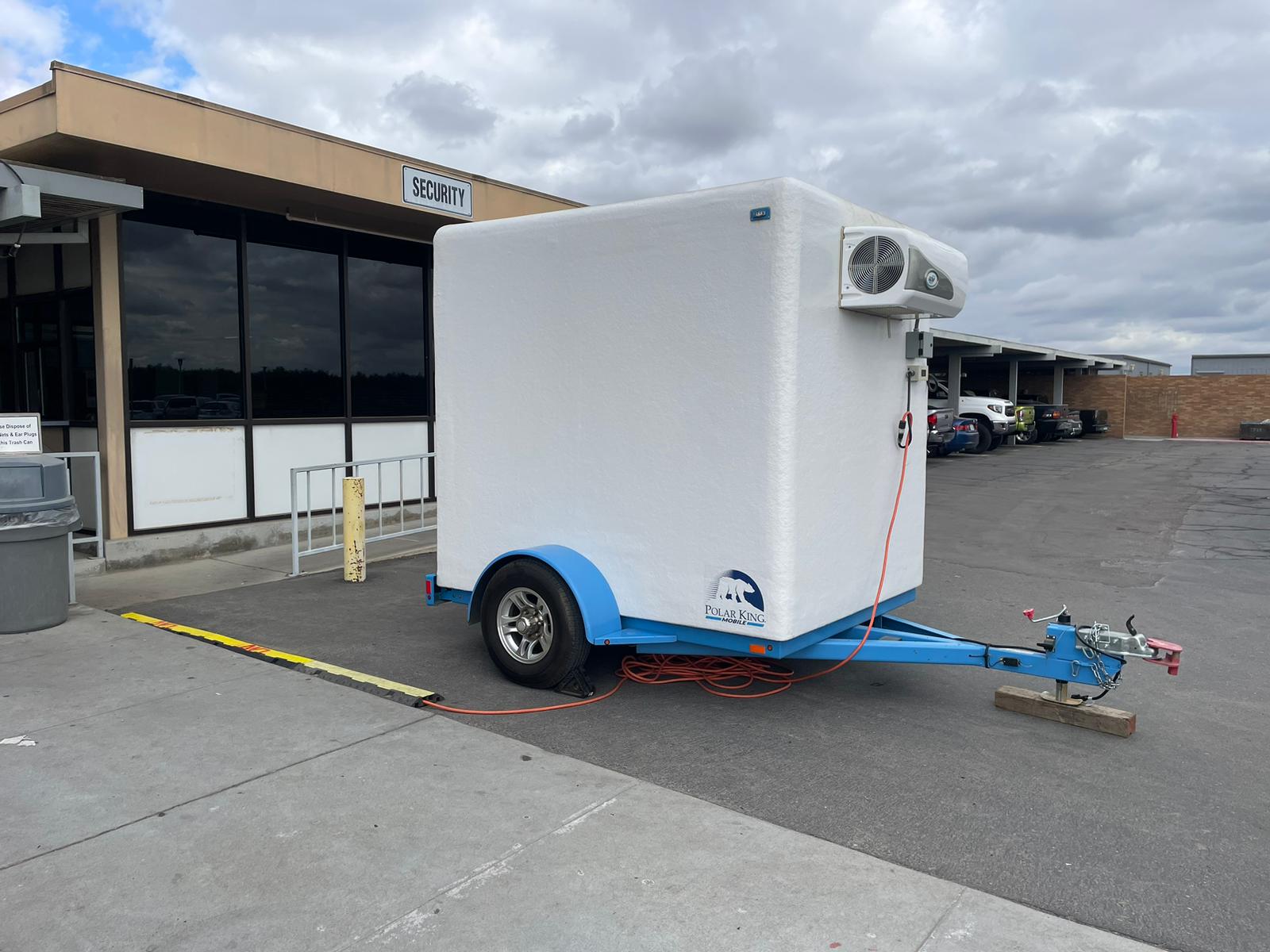
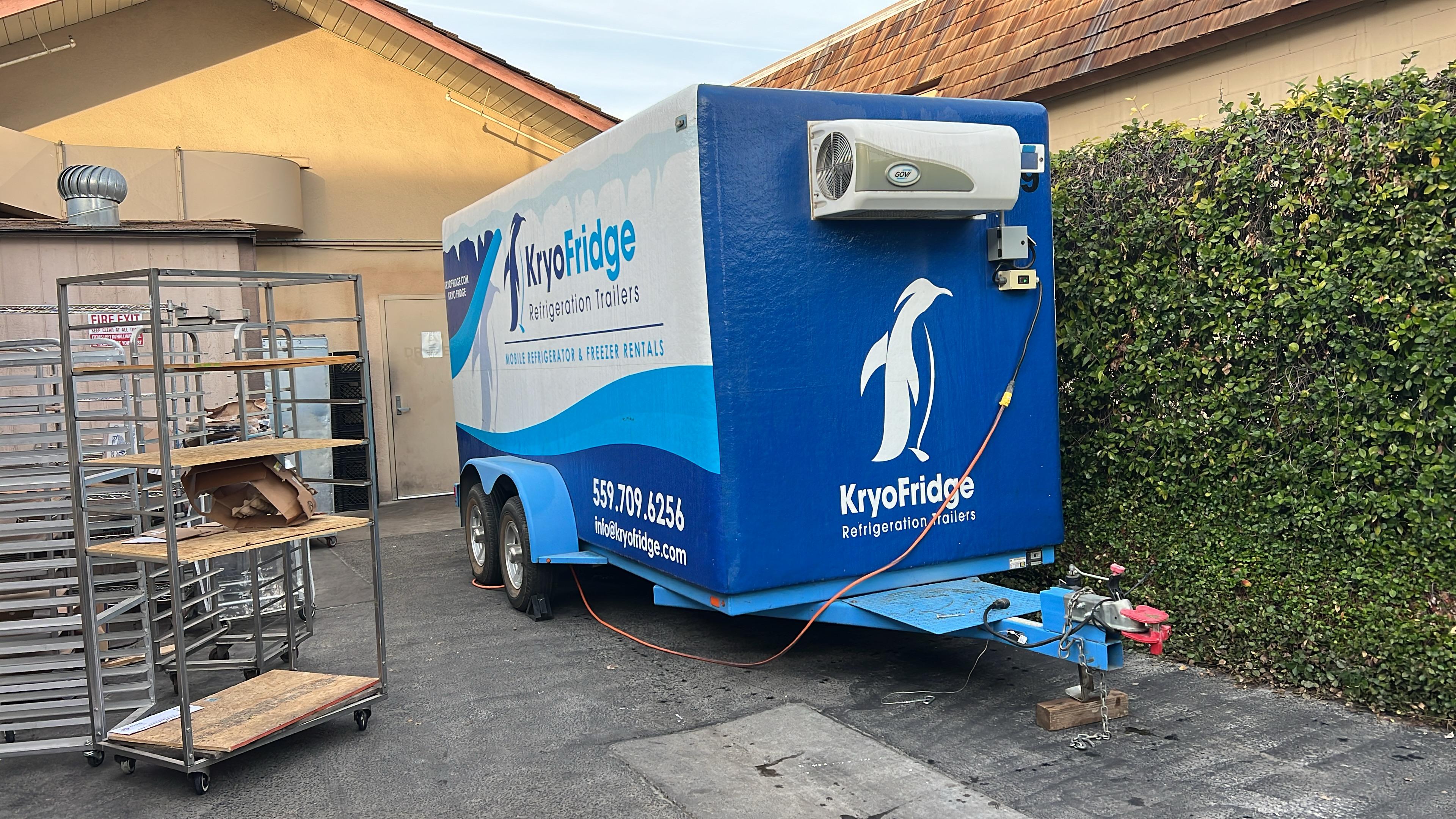
Our Trailers on Real Roseville-Area Jobs
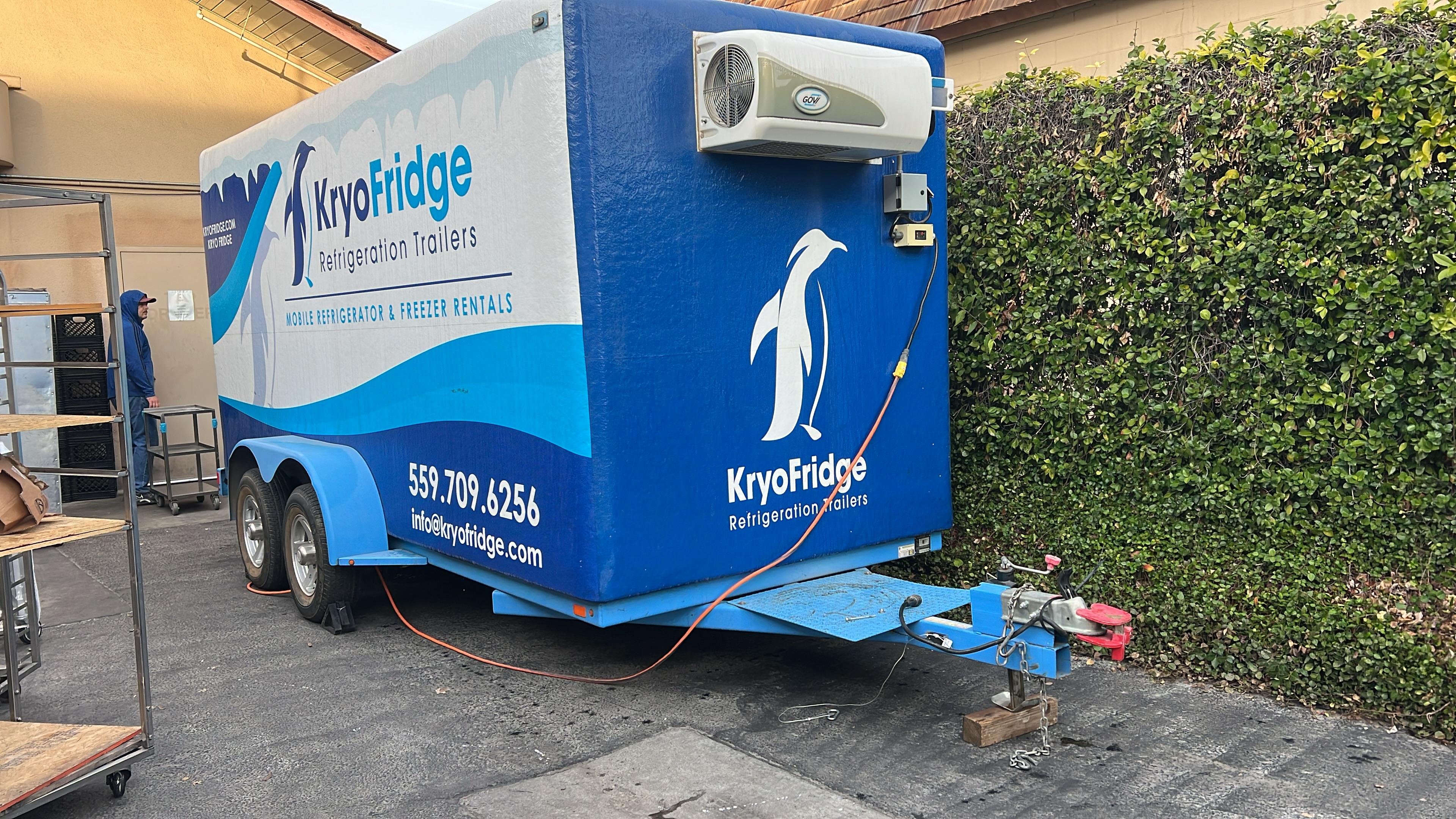
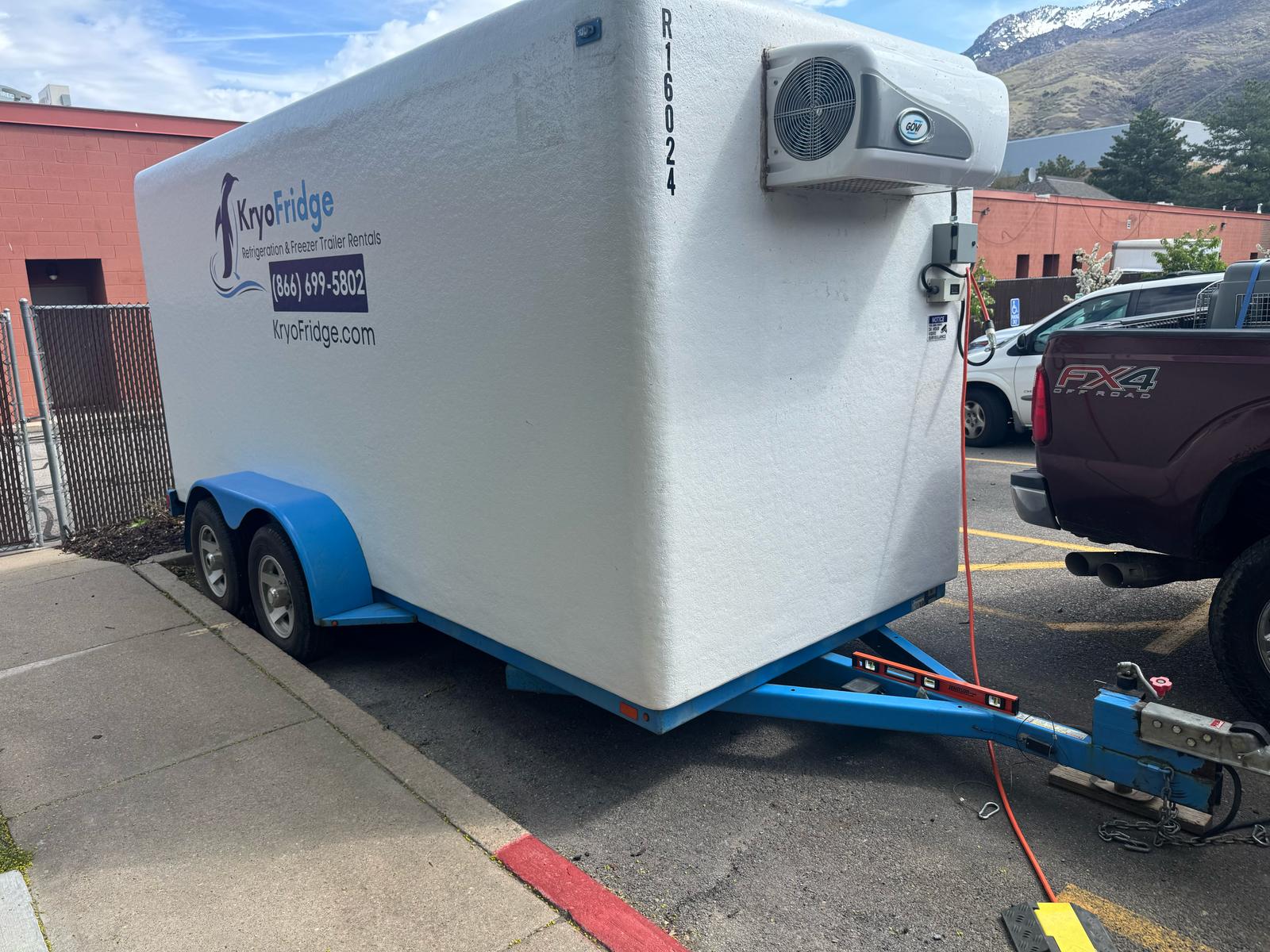
Actual KryoFridge units on actual work. Retail back lots, distribution yards, event grounds, and the late-night emergencies that don’t wait for morning.
Cold Storage Behind Roseville’s Retail, Rail & Distribution Engine

Strip Roseville down to its frame and you find freight. Union Pacific’s J.R. Davis Yard spreads across roughly 780 acres on the city’s edge, sorting nearly all of the region’s rail traffic and feeding a corridor of warehouses, cross-docks, and cold-chain operators that grew up alongside it. That infrastructure is exactly why temporary refrigeration matters here in a way it doesn’t in a sleepier town: when product moves at this volume, a single failed freezer zone can back up a whole shift.
For those businesses, a trailer is less a luxury and more a release valve. Lose a freezer bay at a cross-dock and you can slide frozen pallets into a 6×16 within the hour, rather than burning spot-market money chasing outside truck space. Hit a seasonal peak and a distributor can bolt on extra cold for the crunch without committing to a permanent buildout. And when a recall or an outage strikes, a parked line of reefers holds the product on-spec while the real problem gets worked.
The retail side carries the same exposure, just in smaller, faster bursts. The kitchens and markets around the Westfield Galleria, the Fountains, and the Douglas Boulevard corridor run on thin margins and tight cold chains; one walk-in down on a Friday can erase a weekend’s product. Owning every trailer ourselves means we can scale the answer to fit, a single compact box for a corner café, a clustered setup for a warehouse floor, and turn it around the same day rather than putting you on next week’s list.
Inside the Galleria & The Fountains, Retail Refrigeration That Can’t Blink

The Westfield Galleria at Roseville is the gravitational center of the city’s retail life, well over a million square feet of mall with more than 240 shops and upwards of 40 sit-down and quick-serve restaurants under one roof. A food court and a wing of full-service kitchens at that scale means a constant, invisible refrigeration load: dozens of walk-ins, reach-ins, and prep coolers, any one of which can drop on the busiest Saturday of the season.
Just down Roseville Parkway, the Fountains adds an open-air layer of dining and grocery anchors, and the result is one of the densest concentrations of food retail in the Sacramento region. When a unit fails inside a center like that, the operator usually can’t park a noisy reefer truck at the curb or run cabling across a public concourse. A quiet, lockable freezer trailer dropped in the service yard, pulling its own temperature on a dedicated circuit or a generator. Is the response that actually fits the property.
We’ve learned the quirks of staging at retail centers the hard way: the tight back-of-house lots, the narrow loading windows, the service gates that only open at certain hours. One holiday season we worked a mall kitchen that could only take a delivery before the stores opened, so we staged the trailer at dawn (and the manager met us with coffee). So tell us which center and which kitchen you’re in, and we’ll size the unit and plan the drop around the property’s real constraints rather than a generic one.
Why a Roseville Summer Is When Refrigeration Breaks

Roseville sits on the eastern lip of the Sacramento Valley, and that location is the unspoken culprit behind the wave of breakdowns we see between June and September. A valley heat spell pins afternoon temperatures in the high 90s and routinely shoves them past 105°F, with overnight lows that barely give the equipment a chance to breathe. For weeks at a stretch, every cooler, freezer, and condenser in the city is grinding flat out (and the tired ones are the first to quit).
That heat does two damaging things at once. It piles load onto existing refrigeration, a tired walk-in compressor that coasted through March can finally give out in July precisely because it never catches a break, and it shrinks your reaction window, because at 105°F ambient, frozen product climbs toward the danger zone fast the moment a unit goes dark. The failures aren’t random. They follow the thermometer.
Our reefer units are spec’d for that worst case, not a mild test bench. A 6×16 dropped in an open Roseville parking lot in August holds deep-freeze the same as it would in a shaded warehouse, because the condensing system is sized with the headroom to keep pulling heat out when the air around it is brutal. We once parked a unit on black asphalt during a July heat wave that hit 107°, and it never drifted off its set-point all week. But that margin only shows up when you rent from a company that builds for valley heat instead of a mild test bench. Whether you’re planning for the season or reacting to it, that headroom is the entire point.
When the Grid Goes Down, Emergency & Disaster Cold Chain
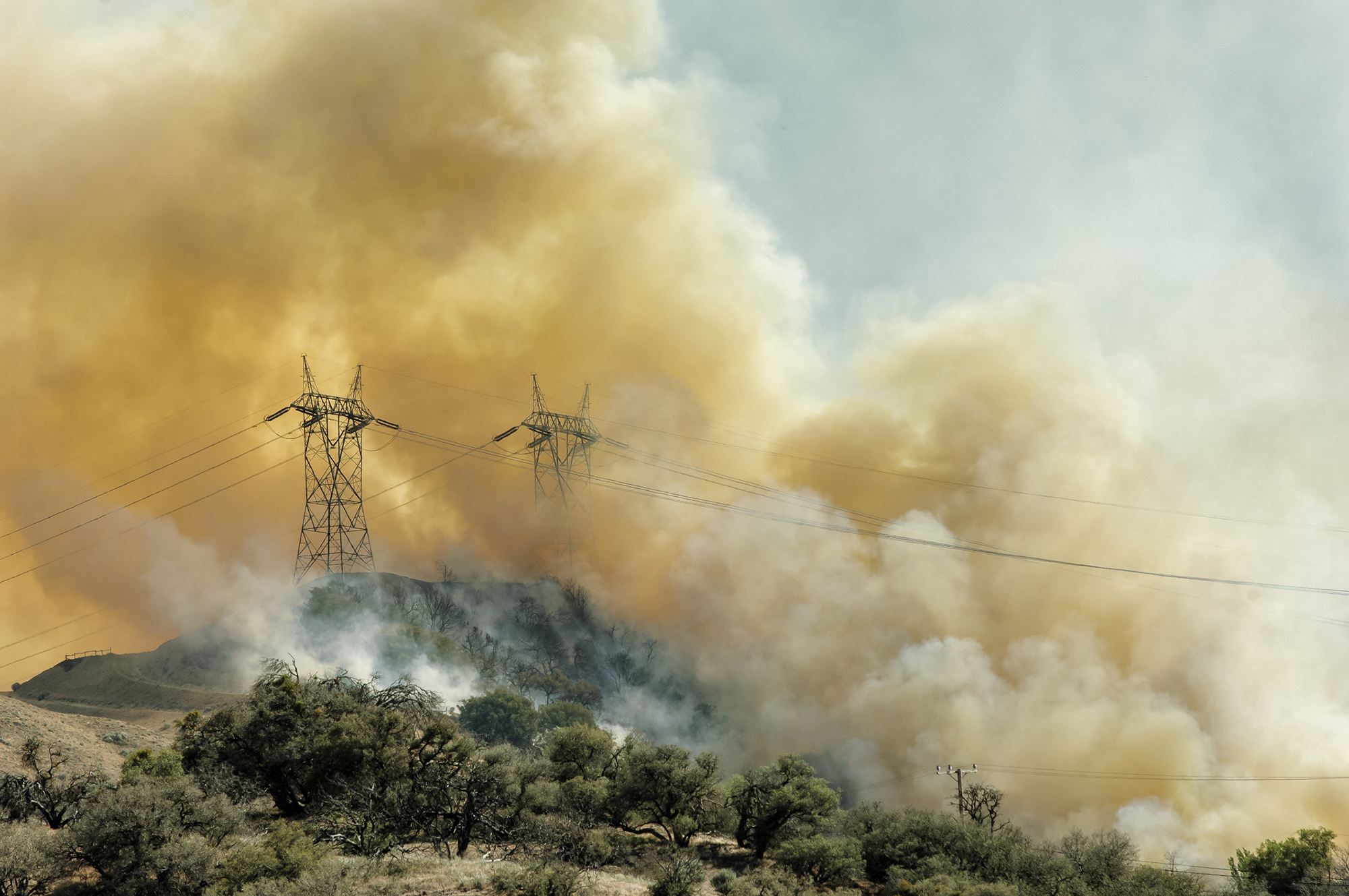
Placer County rises off the valley floor and keeps climbing into the Sierra foothills, and that terrain saddles Roseville with two hazards that move cold storage straight to the top of the list: brutal heat and wildfire. Let dry foothill winds push the fire risk high enough and a Northern California utility can order a Public Safety Power Shutoff, killing electricity across entire districts for hours or even days at a time. The instant that happens, every walk-in and reach-in fed by that line goes dark together. Suddenly a trailer that doesn’t depend on the grid reads like the shrewdest line on the budget.
This is exactly the scenario a generator-fed trailer was built for. A single shop keeps its product frozen solid right through the blackout, no scrambling, no spoilage clock. Step up to emergency management, recall handling, or disaster relief and a parked line of reefers turns into rolling cold-chain infrastructure, holding food and medical supplies on-spec for shelters and field crews for as long as the fixed grid stays dark. Roseville runs a sharp city-owned electric utility, to its credit, but no local grid is sealed off from a fire-season shutoff ordered somewhere upstream.
Owning the trailers outright and running dispatch 24 hours a day is what lets us react quickly and right-size on the fly, a lone unit for one dark storefront, or a coordinated cluster for a county-wide relief push. When the failure is the power, the only cold storage worth having is the kind that never depended on the grid in the first place.
Three Trailer Sizes, and How to Pick Yours
We stock three footprints, and together they stretch from a one-kitchen overflow all the way to distribution- and disaster-scale capacity. Each one is dual-purpose by design, a single adjustable system that swings between freezer and refrigerator on a precise digital set-point, and each one lives on either a dedicated circuit or a generator.

| Trailer | Best for | Temp range |
|---|---|---|
| 6×8 | Tight lots, small kitchens, short overflow | -10°F to 50°F |
| 6×12 | Grocers, caterers, mid-size events | Deep-freeze capable |
| 6×16 | Distribution, large events, disaster | Heavy-duty reefer |
Each unit holds a precise digital set-point and runs on a dedicated 120V/20A circuit or a generator.
6×8, the compact pick for tight retail lots
Think eight or so pallet spots, and the unit to grab when square footage is the whole problem. It slips into the pinched service yards behind older Vernon Street storefronts and the cramped back-of-house corners at busy centers, the kind of spot a larger box can’t even swing into. One café or small-market walk-in goes down, and this is almost always enough cold to cover it, plus the simplest unit to set in a small space.
6×12, the everyday pick for grocers and caterers
Call it fourteen pallet spots, deep-freeze rated, and far and away the size people ask for most. It lands right in the middle for a grocery backstop, a multi-day catering job, or a restaurant that needs true walk-in-equivalent room while the kitchen is torn up. Roomy enough that nobody’s playing Tetris with shelves, yet still small enough to set in most commercial back lots without a site survey.
6×16, the heavy hauler for distribution and disaster
Roughly twenty pallet spots paired with a heavy-duty reefer plant engineered to keep deep-freeze locked in even when the ambient air is merciless. Reach for it when a warehouse bay drops near the rail yard, when a large festival needs an anchor, or when a relief operation is carrying its own cold chain. The wide docks and lots along the I-80 and Highway 65 corridors swallow a 6×16 without blinking (we’ve parked two side by side on some of them).
Not sure which size fits? Tell us roughly what you’re storing and for how long, and we’ll spec it for you rather than nudging you into a bigger unit than the job calls for.
Setting the Right Temperature for What You’re Holding
“Cold” isn’t one number. Different product stays safe inside different temperature windows, which is the entire reason a precise digital set-point matters, and in the middle of a Roseville heat wave, a load that slips out of its window is a load you write off. Use the chart below as the reference our customers lean on when they size a rental.
| Product | Target holding band | Trailer mode |
|---|---|---|
| Ice cream & Frozen desserts | -10°F to 0°F | Deep freeze |
| Frozen proteins, seafood, prepared meals | 0°F or below | Freezer |
| Fresh meat & poultry (short hold) | 28°F to 32°F | Refrigerated |
| Dairy, deli, packaged produce | 34°F to 38°F | Refrigerated |
| Beverages, florals, catering trays | 38°F to 45°F | Refrigerated |
One figure outranks everything in that chart, and it isn’t listed there: 40°F. Food safety guidance treats the band between 40°F and 140°F as the zone where bacteria thrive, and the clock on perishable product starts ticking the moment it crosses 40 on the way up. Roughly four cumulative hours above that line and most refrigerated inventory is no longer safe to serve. Picture that countdown running on a 100-degree July afternoon with the walk-in dark, and the urgency of a quick trailer drop stops being abstract. It’s the reason our reefers are engineered to seize and defend a set-point under genuine Sacramento Valley load, not merely in a climate-controlled showroom.
Tell us the single coldest item you’re holding when you call, and we dial the trailer to that. One unit carries a straight freezer load with no fuss. But when your list mixes deep-freeze desserts with fresh-cold produce for the same remodel or event, we’ll usually point you toward a split setup or a second box so neither side of the load has to settle for the wrong temperature.
Power & Placement on a Roseville Site
Powering one of our trailers is refreshingly simple, and there are precisely two ways to do it. Either you have a dedicated 120-volt, 20-amp circuit reachable within roughly 100 feet of the parking spot, or we bring a generator. What the units will not accept is standard 208–240V building service, so a quick question about your outlet before dispatch heads off any surprise on delivery day.
- Dedicated outlet on hand? Most Roseville kitchens and markets already have the right one, so we plug straight in and the unit begins pulling the temperature down.
- Open lot or event field? A generator keeps the trailer running anywhere, whether that’s a Fountains event lawn or a warehouse yard off the rail corridor.
- Worried about a shutoff? A unit on a generator keeps your cold chain alive when a fire-season Public Safety Power Shutoff takes the surrounding grid down.
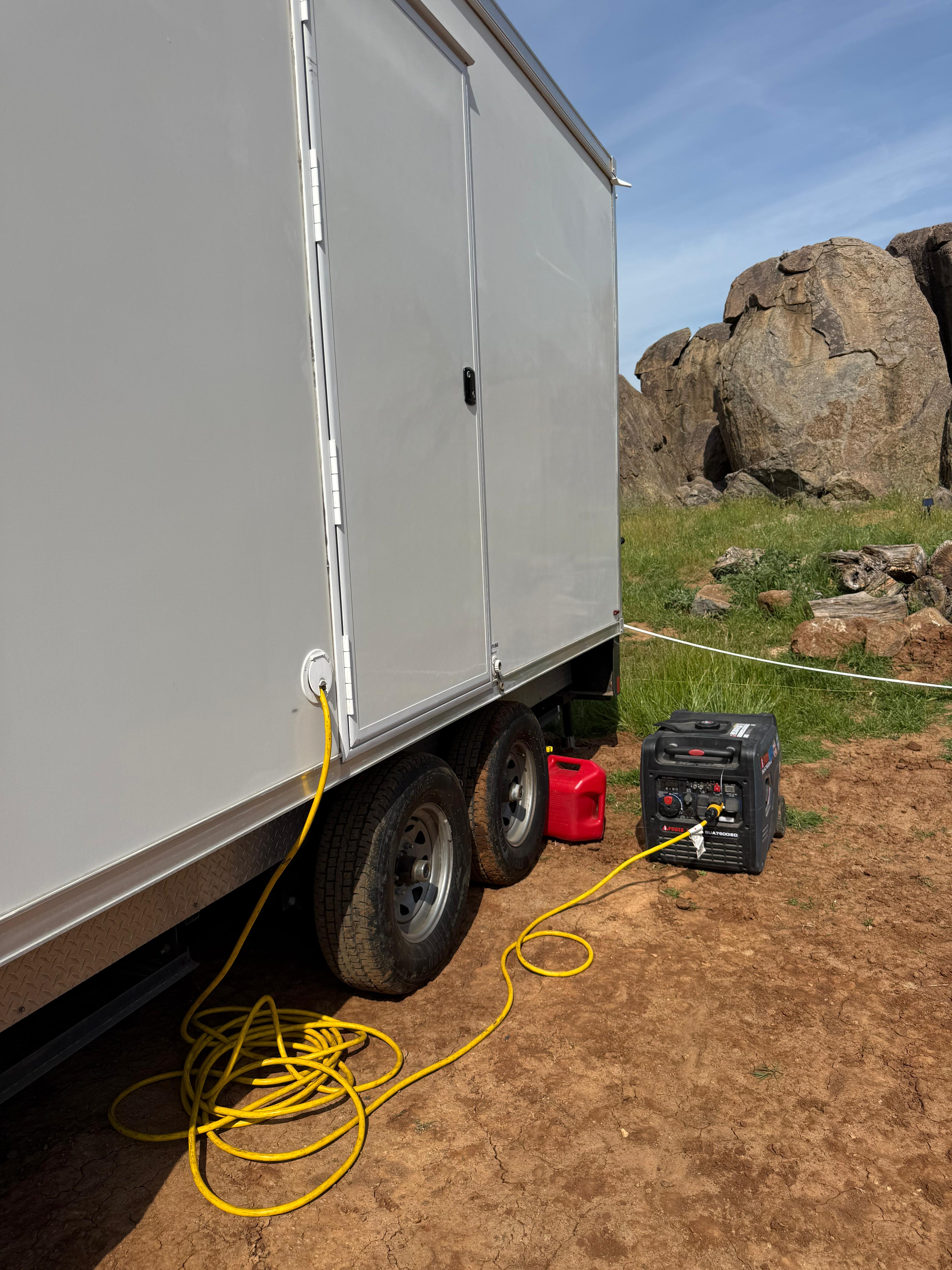
On placement, all the unit really asks for is a fairly flat patch with enough room for the delivery truck to maneuver it in and set it straight, plus either a power source in reach or space for a generator. We lock down the exact drop point before dispatch. And our drivers know Roseville’s layout cold, whether it’s the snug older lots near downtown or the wide industrial yards out along I-80, so the delivery is one clean trip instead of a guessing game on the property. (We’ve backed enough trailers into tight retail service yards to know where the pinch points hide.)
Cold Storage for Roseville Weddings, Fairs & Outdoor Events

Events are where cold storage gets overlooked until the afternoon it can’t be. A caterer plating for 300 at a Granite Bay vineyard wedding, a vendor row baking through a summer fair, a corporate gathering at one of Roseville’s hotels or at the Fountains, every one of them needs reliable cold and freezer space that a handful of ice chests can’t carry once the valley heat sets in. Maidu Park, the Utility Exploration Center grounds, and the open-air centers all host crowds that arrive hungry and stay for hours.
Drop a KryoFridge trailer on the grounds and the catering team suddenly has walk-in-grade cold right where they’re plating, with frozen desserts, fresh produce, and drinks all parked together on one steady set-point while the mercury climbs outside. The unit runs quiet enough to sit a few yards from the guest tables, locks down tight for an overnight or a multi-day run, and gives the crew enough room that nobody’s shuffling pans to make space mid-service.
Mapping the entire site? Pair the trailer with water station rentals in Roseville so crews and guests stay hydrated through the heat, and restroom trailer rentals in Roseville to keep everyone comfortable, all three lined up on a single phone call. (cross-brand links, auto-wired into the wheel on publish)
Placer County Permits & Temporary Food Facilities
Serve food at a public event in Roseville and your cold chain stops being purely logistical, it becomes a paperwork question too. Learning the Placer County rules ahead of time is what keeps an inspector from flagging your booth the morning of.
Vendors who sell or hand out food and drink at a community event in Roseville generally need a Temporary Food Facility (TFF) authorization from Placer County Environmental Health, and the organization running a multi-vendor event needs its own Community Event Coordinator permit on top of that. The county wants the coordinator’s vendor list and site plan filed at least two weeks ahead, submit inside five business days of the event and a 25% late charge applies. The organizer also has to map adequate spacing between booths, supply sanitation within 200 feet of each food facility, and arrange refuse, potable water, and safe electrical hookups as the event requires.
So where does a trailer come in? Any booth that wants to pass inspection has to prove it can park cold and frozen product at a safe temperature, and hold it there, for every hour the gates are open. That’s precisely the job an NSF-approved unit on a locked digital set-point does, and it’s the level of gear a Placer inspector expects to see standing behind a serious food vendor. Our part is the food-safe box and the power plan that keeps it humming through a scorching afternoon. The paperwork stays in your hands, you file the application with the county yourself, and we’re happy to hand over the unit’s specs so the form practically fills itself.
Everything Else Roseville Operators Ask Us
The questions that surface once the basics are settled. Tap any topic to open it.
Freezer trailer vs. portable walk-in vs. reefer truck. Which should you rent?
The pop-up walk-in cooler. Cheap to rent and easy to set up, but read the spec sheet: it chills, it doesn’t freeze, and it draws every watt it needs from your building while depending on a calm ambient temperature around it. Put one in a Roseville August and an undersized cooler already struggles to stay at refrigeration, let alone deep-freeze. Worse, the second your building loses power, your cooler loses it too.
The refrigerated (reefer) box truck. This machine was designed to haul product on the interstate, not to sit in a lot and babysit it. Parked, it idles fuel all day, broadcasts compressor noise across a storefront or an event lawn, and pins down a tractor plus a driver you probably don’t need. As a one-night patch it works. As stationary storage for a week or a month, it’s loud, thirsty, and overpriced.
The freezer trailer we deliver. Built from the ground up to be dropped on a pad and to defend a temperature for as long as the job runs. It freezes deep, carries NSF approval, locks, stays quiet near guests, and lives on nothing more than one dedicated circuit or a generator. You get more usable space than a cooler, none of the hassle or bill of a truck, and a system tuned for exactly the valley heat that breaks the other two options.
NSF build quality & Placer County health-code compliance
Even a rented box has to satisfy Placer County Environmental Health, the office that licenses and inspects every food facility in Roseville. Show an inspector a unit that can’t document its temperature or wasn’t built for food contact, and they have the authority to halt service immediately.
That’s a bar each of our trailers clears: NSF-approved throughout, food-safe interior surfaces, proper drainage, and a digital controller that puts the set-point in plain view. Here’s the one caveat we always state plainly. We supply the food-safe, temperature-holding hardware itself, but we are not a temperature-logging or alarm-monitoring service. If your program requires continuous written records, line that vendor up on your own.
What a cold-storage failure actually costs
Add it up the way a Roseville owner has to. One restaurant walk-in routinely sits on several thousand dollars of proteins, dairy, and prepped product. Scale that to a grocery rack or a warehouse freezer bay and the number balloons. Now knock the power or the compressor out on a 105-degree day, and that whole inventory is in jeopardy inside a few hours. Then stack on the sales you lose while the line sits dark and the wages you burn paying staff to triage what can still be saved.
Hold a pre-staged trailer up against that risk and it reads like cheap insurance, a fixed, predictable expense parked in front of a loss with no ceiling. That’s exactly why the businesses that got stung once tape our number by the phone. There’s never a second scramble, because the next time they dial before the product has a chance to warm.
Seasonal demand in Roseville, book ahead when you can
Step back and the calendar here is surprisingly readable, even though no single breakdown announces itself. The June-through-September valley heat is what kills tired compressors. The winter holidays are what overflow grocery coolers and restaurant prep. And the fire-season shutoffs fill the gap between with outage calls. So for anything you can see coming, a remodel, a booked event, a seasonal stock-up, reserving early locks in the size you actually want. For everything you can’t see coming, our 24-hour staging is the safety net.
Multi-trailer setups for distribution & large operations
For a typical kitchen or market, one box does the job. Distribution floors by the rail yard, big fairs, and full-scale disaster response routinely need more than that, and because the fleet is ours, we can cluster several units and bring them online in waves as the work expands. The three-trailer Mother’s Day rescue is that idea in miniature: match the cold capacity to the operation rather than make the operation squeeze itself into one box.
Short-term emergency vs. long-term & contract storage
The clock is yours to set. Some jobs are a handful of days for an emergency or a single event. Others stretch across weeks or months for a remodel or a seasonal swell, and a few become standing contracts for businesses that want capacity parked on standby. Name your window and you’ll get a clean quote, no penalty for an honest “not sure yet,” and never a broker’s cut buried somewhere in the figure.
Renting vs. building permanent cold storage
Building permanent cold storage is a capital project in every sense: you hire a refrigeration contractor, schedule the electrical, pull a building permit, and wait weeks before a single pallet goes inside. That investment only earns its keep when the demand is steady and never goes away. Most of what we see in Roseville is the opposite kind of need. A summer overflow, a remodel gap, a seasonal inventory build, a single event, a unit sidelined waiting on parts, these are all temporary problems, and answering a temporary problem with poured concrete is the slowest, most expensive path you can pick.
A rental turns that equation on its head. You bring in precisely the cold you need, for precisely the stretch you need it, skipping the construction crew and the permit calendar entirely. The trailer shows up and is holding temperature that same week, frequently that same day, and the moment your need is over the commitment ends right along with it.
How a trailer holds deep-freeze in 105° valley heat
Three engineered elements carry the load. Start with the shell: thick insulated panels and tightly gasketed doors that lock the valley sun outside and the cold inside, so the unit never bleeds chill through a thin wall. Add the heart of it, a self-contained reefer condensing system specified with surplus capacity, so it keeps stripping heat out of the box even when the air outside reads 105 and a smaller cooler would already be maxed out. Finish with the controller, a digital thermostat that locks onto your chosen number and cycles the compressor on and off to hold the line. Run those three together and a trailer baking on open asphalt behaves like one tucked in a cool warehouse.
That’s also why power is the first thing we ask about. The whole design is built around the worst-case ambient instead of the average one, but it can only deliver that safety margin when it’s fed steady, uninterrupted power from a dedicated circuit or a generator. Starve it of clean power and even the best-engineered box gives ground.
Renting a Freezer Trailer in Roseville, Step by Step
On a bad day, booking should be the part that doesn’t add stress. Four steps, an upfront number, and a single person who owns the whole thing.
1 · Describe the load
Tell us whether it’s freezer or fridge product, a ballpark volume, and your rough window. That’s enough for us to call the right size.
2 · We finalize size, power & spot
We pair you with a unit, confirm whether you’ve got a dedicated circuit or need a generator, and pin the exact drop point so the truck makes one trip.
3 · Delivery and cold-down
We arrive on your schedule, about 45 minutes for a true emergency, set the trailer, energize it, and let it drive down to your number.
4 · Run it, reach us anytime
It holds the set-point for your entire term while our line stays live the whole way through. Wrap up, and we swing back for the pickup.
The Roseville Neighborhoods & Towns We Cover
Staging in the Roseville area means a genuinely fast response across every part of the city, from Downtown and Old Town to Sun City, Westpark, Fiddyment Farm, Highland Reserve, Stoneridge, and the retail spine around the Galleria, the Fountains, and Douglas Boulevard, plus the warehouse and rail corridor out along Interstate 80.
We deliver to the surrounding communities just as quickly: Rocklin, Lincoln, Granite Bay, Loomis, Citrus Heights, Antelope, and across Placer County into the wider Sacramento region. If you’re near I-80, Highway 65, or Douglas Boulevard, we can get a trailer to you. Usually same-week for a planned rental, and inside about 45 minutes when it’s an emergency.

What Roseville Kitchens, Grocers & Event Teams Tell Us
“Lost the cooler mid-lunch on a packed Saturday by the Galleria. Their trailer was on our pad and pulling temp before my crew had finished clearing the racks. The whole weekend’s product made it. Genuinely did not think that was possible.”
Restaurant owner · Roseville, CA“We put a big unit on the grounds for a two-day Granite Bay event. It stayed dead-on temperature through a punishing afternoon, the drop crew showed up exactly when they said, and setup was painless. Already planning to use them next season.”
Event coordinator · Placer County“A freezer bay went down overnight at our spot off I-80. By that afternoon they had two reefers staged and every pallet was back on-spec. Fast, no drama, exactly what a distribution floor needs when the clock is running.”
Operations manager · Roseville, CA“Honest number up front, nobody passing me to a middleman, and a real human picked up the phone at night. In this trade, that combination is rarer than it ought to be.”
Grocery manager · Sacramento regionSample reviews written to mirror genuine Roseville situations, to be replaced with verified Google reviews ahead of launch.
Roseville Freezer & Refrigerated Trailer Rental FAQ
How quickly can a freezer trailer reach my Roseville business?
Because we keep units staged right here in the Roseville area, an emergency call usually puts a trailer on your lot and pulling temperature within about 45 minutes. Planned rentals are scheduled on the day that works for you, often same-week.
What temperatures can the trailers hold?
Every unit is dual-purpose, dialing from roughly -10°F deep-freeze up to about 50°F fresh-cold on a digital set-point, and it defends that number even through a 105° Roseville July afternoon.
What power does the trailer need on site?
Just one of two hookups. Either a dedicated 120V, 20-amp circuit reachable inside about 100 feet, or a generator that comes with the unit. Standard 208–240V building service won’t run these trailers, which is why we double-check your outlet before a truck ever leaves. We learned long ago that one quick question on the phone saves an hour of standing around on delivery day.
Are the trailers NSF-approved and insured?
On both counts, yes. The interior carries NSF approval for direct food contact, and every unit we roll out is covered under full company licensing and insurance.
How long can I keep the trailer?
Whatever the job demands. Count on a few days for an emergency or one-off event, weeks or months through a remodel or a busy season, or a standing contract for ongoing standby. Give us the timeframe and we’ll price it to match.
Which areas around Roseville do you serve?
Roseville itself, plus Rocklin, Lincoln, Granite Bay, Loomis, Citrus Heights, Antelope, and the rest of Placer County out into the greater Sacramento area. Anywhere with quick access to I-80, Highway 65, or Douglas Boulevard is well within reach.
Are you a broker or the actual operator?
The actual operator, full stop. The fleet is ours to own, service, and deliver, so there’s no markup stacked on top, no go-between to chase, and a single name accountable to you from the opening quote through the final pickup.
Cold Storage Going Sideways in Roseville? Let’s Fix It Today.
Grab a quick, no-runaround quote, or ring our round-the-clock line for emergency cold storage anywhere across Roseville, Placer County, and the greater Sacramento area.