
KryoFridge is the go to freezer trailer team on the Central Coast, and Santa Maria businesses call us when cold space has to show up today. We deliver a dual purpose unit, set it, and hand it over cold and ready on day one, whether it lands at a packing shed off Betteravia Road, behind a Broadway restaurant, or on a crush pad out toward Sisquoc. Growers, wineries, kitchens and markets across the valley use us the same way, for a bad afternoon or a full season. Call us or request a quote and we will confirm your delivery window before you hang up.
We have spent 30 plus years in the equipment rental business as a family run company, and KryoFridge operates one of the largest freezer trailer fleets in the West. We own the fleet and we answer our own phones, so you are talking to the company that holds the keys instead of a broker who still has to find a unit. Every trailer is licensed, insured and NSF ready, and every trailer is dual purpose, holding anywhere from minus 10 degrees up to 50 degrees on a digital set point. Our California freezer trailers run out of the same network that has completed over 12,000 successful trailer deliveries, and we serve all 50 states. Call us or request a quote and a real dispatcher will tell you exactly when a unit can be sitting on your lot.
Our trailers sit staged around Santa Maria, fueled, pre-cooled, and maintained in-house, parked and waiting for the call rather than being sourced after it. That is why an emergency call usually puts a unit on your lot and pulling temperature in about 45 minutes.
The voice on the phone belongs to the same outfit that owns the trailer and sends the driver. No reseller in the middle quietly marking up somebody else's equipment while your inventory creeps past 40°F on the shelf.
Every unit is ours to own, service, and deliver, and each one swings between deep-freeze and fresh-cold on a precise digital set-point. So we can size the answer to your Santa Maria job and turn it around the same day rather than putting you on next week's list.
National chains do not gamble on refrigeration. A drifting set-point during dinner rush can cost a brand a day of sales and a health-code headache, so the chains that scale fast vet a cold-storage partner the same careful way they vet a protein supplier. KryoFridge has held temperature for names like McDonald's, Chick-fil-A, and Dutch Bros, and earned the repeat call.
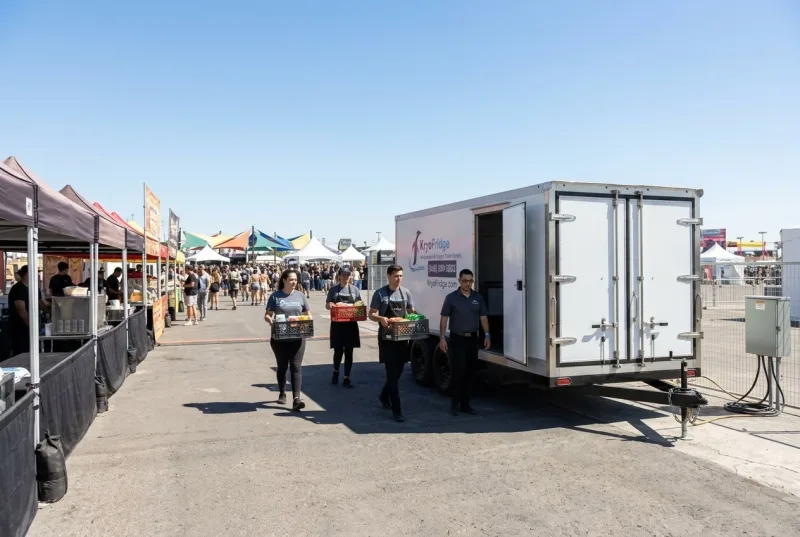
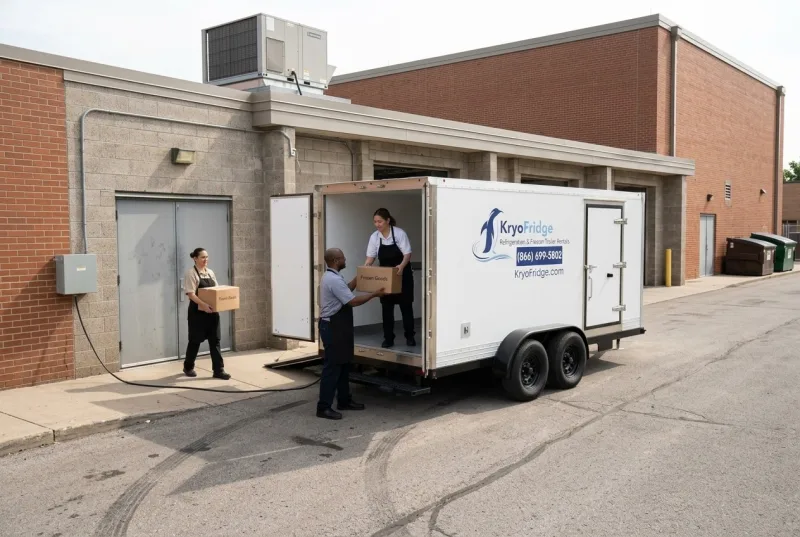
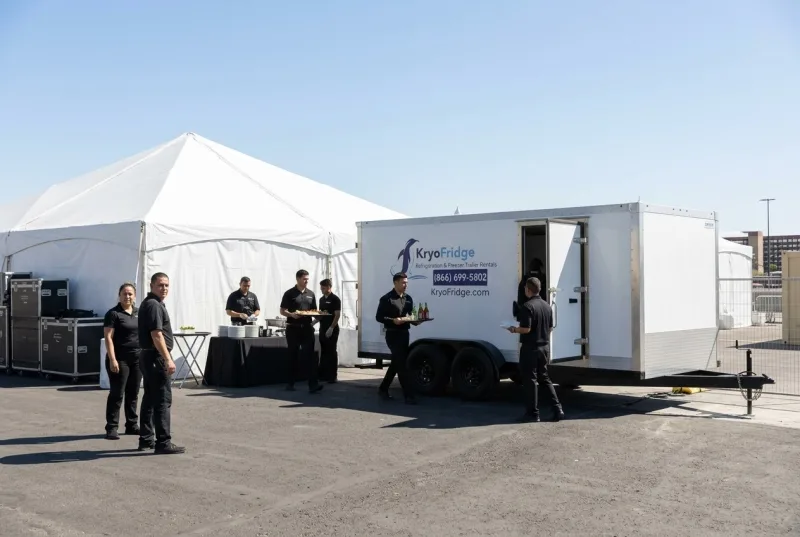
The stories behind that trust are the kind every restaurant owner recognizes. One Friday at 6:30 in the evening, a Chick-fil-A called in with a dead walk-in and a drive-through line already wrapped around the building. We prepped a trailer, dispatched it, and had it on their pad pulling temperature 34 minutes after the phone rang. The manager's first words when the driver pulled in were, "I cannot believe you are already here." That is the bar we hold ourselves to. Another year, an overnight outage shorted a cooler on the morning of a holiday rush, and our team staged three freezer trailers to hold every pie, every protein, and every prep tray so the kitchen served the rush without missing a ticket. The reason we hear some version of that line so often is the same every time: the equipment was already nearby, already cold, and owned by the people who answered the phone. That same standard travels to every Santa Maria job, from a one-cook taqueria to a distribution floor.
"Our rack went down in the middle of a heavy pick and we had flats stacked on the dock. KryoFridge had two units alongside our aprons the same afternoon and the crew loaded them like regular bays. Nothing warmed up and nothing shipped late."
 Melisa V. · Cooler supervisor, Betteravia
"Walk-in quit on a Saturday night with a full house. I called and they were straight with me about the arrival time instead of guessing. Trailer showed up cold, we moved everything over, and I did not lose a case of protein."
 Jensen B. · Kitchen manager, Broadway corridor
"We rented from late August through October and it took all the pressure off our crush pad. Holding night picked fruit cold before the press changed how we scheduled the whole harvest. We are booking the same window again."
 Raquel E. · Winery operations, Santa Maria Valley
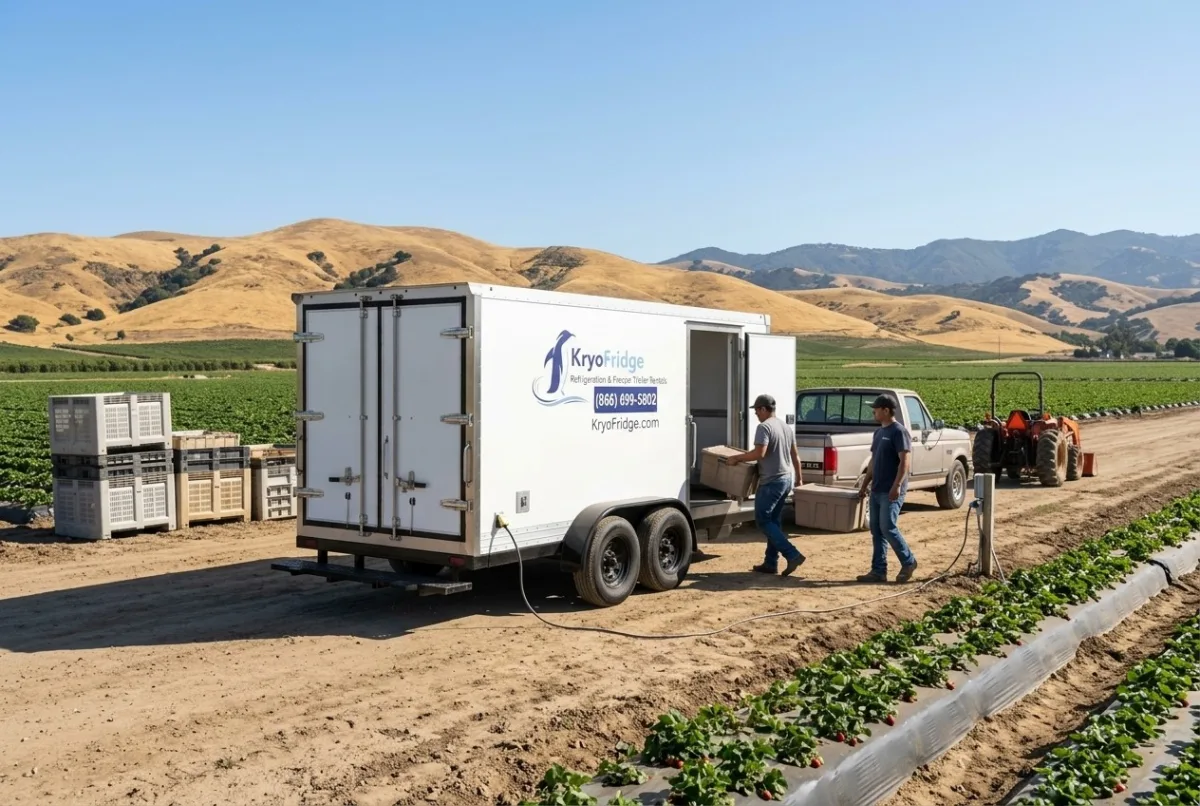
In Santa Maria our featured unit spends one month as extra cooler bays at a packing house during a heavy strawberry week, then goes to freezer duty the next month behind a restaurant that pulled its walk-in for a remodel. The set point moves with a dial rather than a service call, and you can compare our cold storage trailer sizes before you pick one.
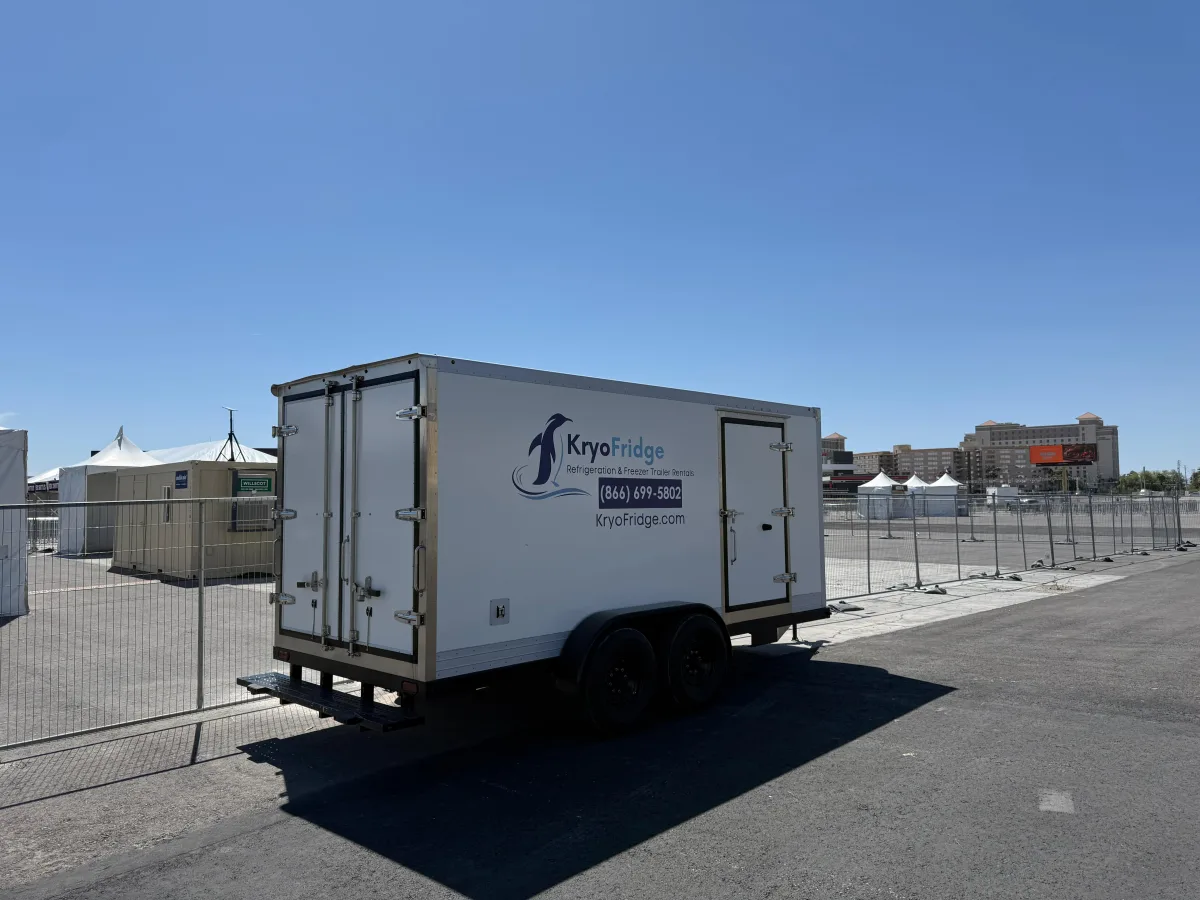
When the stakes are real, the 16' Utility is what we send. Sixteen feet of insulated, NSF-approved box on a tandem axle, running one precise digital set-point that covers deep freeze at -10°F all the way up to a 50°F cooler. The rear double doors handle pallet work off a dock, and the side utility door means a cook can pull one tray without letting the heat in.
The trailer that shows up is one of ours, prepped in our own shop, fueled and pre-cooled before it leaves the yard. It takes a dedicated 120V, 20-amp circuit or the generator we provide, and it will hold that set-point through a triple-digit stretch without drama.
| Spec | What you get |
|---|---|
| Temperature range | Roughly -10°F deep-freeze up to about 50°F fresh-cold |
| Mode | Dual-purpose: freezer or refrigerator on one precise digital set-point |
| Power | A dedicated 120V, 20-amp circuit within about 100 feet, or a generator we supply |
| Food safety | NSF-approved for direct food contact, food-safe surfaces, proper drainage |
| Footprints | 6x8, 6x12, and 6x16, from a tight retail lot to distribution scale |
| Backing | Owned in-house, fully licensed and insured, with 24/7 emergency dispatch |
Each unit holds a precise digital set-point and runs on a dedicated 120V/20A circuit or a generator. The trailers are not wired for 208 to 240V building service, so we confirm your hookup before the truck rolls.
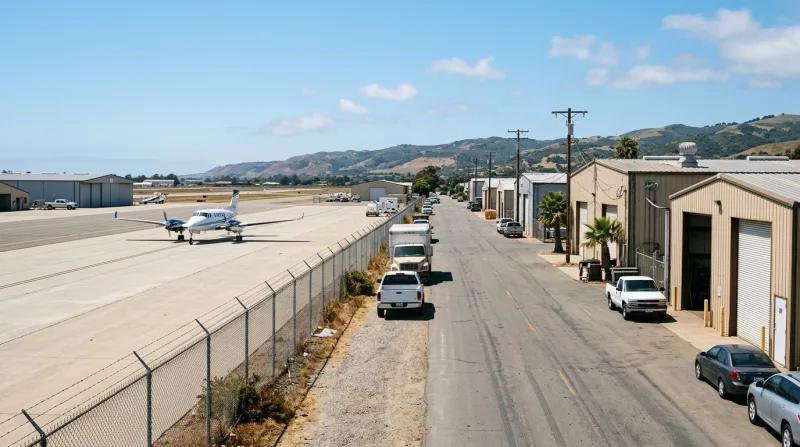
We deliver across Santa Maria and out through North Santa Barbara County and the southern edge of San Luis Obispo County, from the packing yards on Betteravia Road to the vineyard benches out past Sisquoc and down the Highway 1 side toward Lompoc. Tell us the address and the power situation and we will tell you the delivery window. Power is either a generator we supply or a dedicated 120 volt 20 amp circuit within 100 feet. You can call the dispatch line directly or ask for a freezer trailer rental quote and we will come back with dates the same day. We serve all 50 states, so if your work moves, the trailer can move with it. Neighboring stops include Simi Valley freezer trailer rentals and Thousand Oaks refrigerated trailer rentals.
Neighborhoods and towns we cover include Orcutt, Old Orcutt, Guadalupe, Nipomo, Lompoc, Los Alamos, Sisquoc, Garey, Casmalia, Tanglewood, Betteravia, Tepusquet Canyon, Foxen Canyon, Arroyo Grande, Grover Beach, Pismo Beach, Oceano, Buellton, Solvang, Santa Ynez, Los Olivos, Vandenberg Village, Mission Hills, Cuyama.
From the busiest commercial corridors to the quietest side streets, these are the Santa Maria area communities we serve every week.
One call sizes the trailer, sets the delivery window, and locks your quote for Santa Maria. Call now, or send the quick quote request and we will call you.
This valley moves more cold product in a normal week than most California markets move in a month. Santa Barbara County agriculture crossed the two billion mark in 2024, and strawberries alone made up better than 40 percent of that, the top crop for the 22nd year running. Almost all of it passes through a cooler before it leaves town, and so does the wine, the restaurant supply and the grocery freight behind it.
The Santa Maria Elks Rodeo and Parade and the Santa Barbara County Fair both pull vendor rows that need real cold, not coolers and bagged ice. We stage units at the Santa Maria Fairpark and the Elks Event Center for beverage chilling, prepped food and barbecue proteins. Both grounds are used to vendor equipment, so the set goes quickly.
Districts do their kitchen construction between June and August while summer meal service keeps running. A trailer takes the frozen and chilled commodity load off a central kitchen that has lost its box. We schedule those months ahead so the unit lands the day the contractor starts.
Santa Maria style barbecue is cooked away from a kitchen by definition, on portable pits at ranches, vineyards and parks. Caterers working those venues carry their cold with them or go without. A trailer parked at the venue holds proteins, produce and dairy from load in through breakdown.
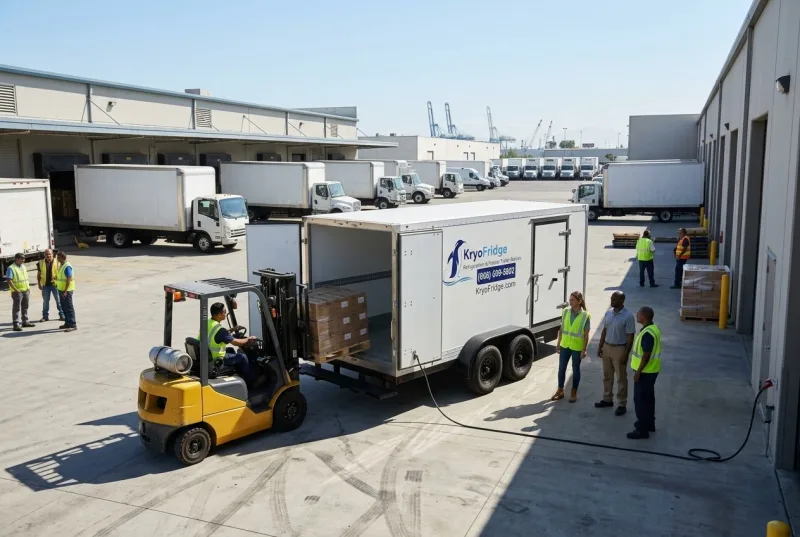
The Foodbank of Santa Barbara County works out of 490 West Foster Road here in Santa Maria, and church pantries and mobile distributions move perishables on short notice all over North County. Donated product often arrives faster than shelf space opens. Short term cold space keeps it usable instead of wasted.
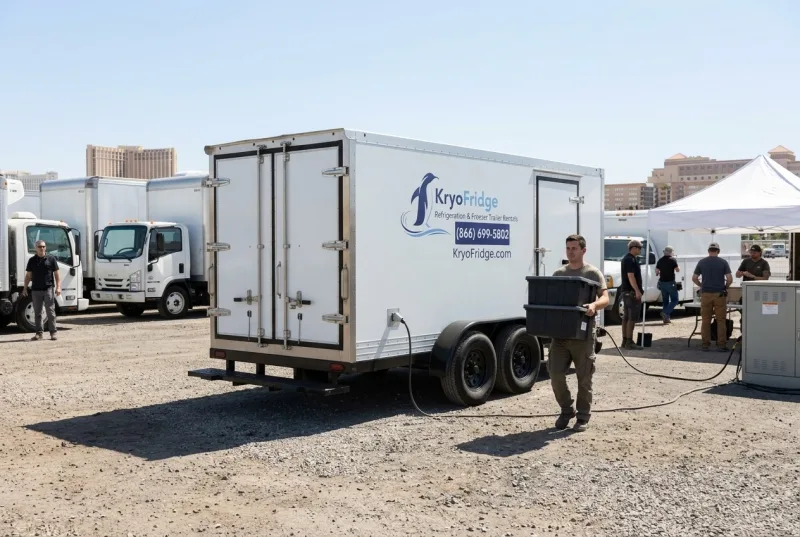
Ranch, dune and vineyard locations around the valley draw production crews and long site jobs with no cold anywhere nearby. Crews that book with us in Santa Maria often run the same setup through our mobile cold storage rentals in Los Angeles when the job moves south. Generator power comes with the unit, so a remote site is no obstacle.
What ties these together is the clock. Nobody budgets a freezer trailer into next quarter. They reach for one the hour a compressor quits, or the evening before a party when the stack of rented ice chests suddenly looks laughably undersized. Since our units sit staged around Santa Maria instead of a couple counties down the freeway, "can I get it today" is an ordinary ask here, not a stretch.
Add it up the way an owner in Santa Maria has to. One restaurant walk-in routinely sits on a small fortune in proteins, dairy, and prepped product. Scale that to a grocery rack or a warehouse freezer bay and the exposure balloons. Now knock the power or the compressor out on a triple-digit afternoon, and that whole inventory is in jeopardy inside a few hours. Then stack on the sales you lose while the line sits dark and the wages you burn paying staff to triage what can still be saved.
Hold a pre-staged trailer up against that risk and it reads like cheap insurance, a fixed, predictable expense parked in front of a loss with no ceiling. That is exactly why the businesses that got stung once tape our number by the phone. There is never a second scramble, because the next time they dial before the product has a chance to warm. Owning every trailer ourselves means we can scale the answer to fit. A single compact box suits a corner cafe. A clustered setup covers a warehouse floor. Either turns around the same day.
Santa Maria sits in a cool Mediterranean climate with about 13.32 inches of rain a year, nearly all of it between November and March. Average highs sit near 64.3 degrees in December and 75.0 degrees in September, and the record high of 110 degrees came on June 20, 2008. Those are mild numbers by California standards, and mild numbers are why this valley ships produce twelve months a year instead of four.
The surprise for anyone who moved here from the Central Valley is that the hottest stretch is not July. September averages 75.0 degrees and October averages 74.6, because the marine layer that caps summer heat pulls back in early fall. That matters commercially, because early fall is also crush season and a heavy strawberry and vegetable shipping window. Peak heat and peak cold chain load land on the same weeks.
So the pattern here is steady pressure rather than one summer spike. Coolers stay busy through winter, then the September and October squeeze arrives with wine fruit and produce competing for the same bay space. We plan our Santa Maria fleet around that shape, holding units for the fall window and keeping emergency capacity open the rest of the year. Call us or request a quote and we will book against your season, not a guess.
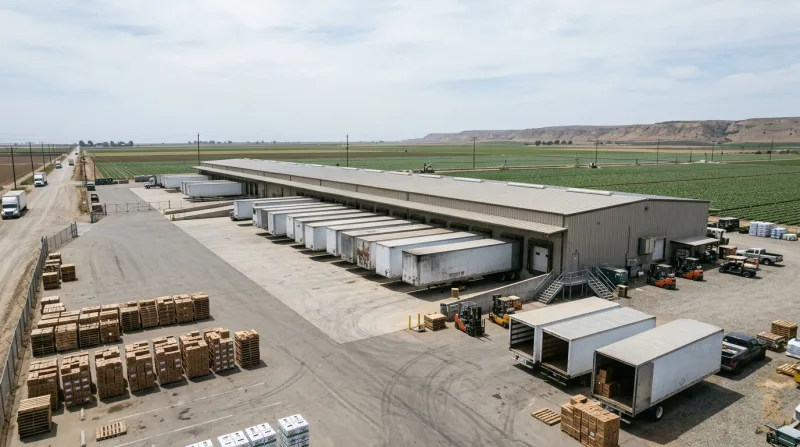
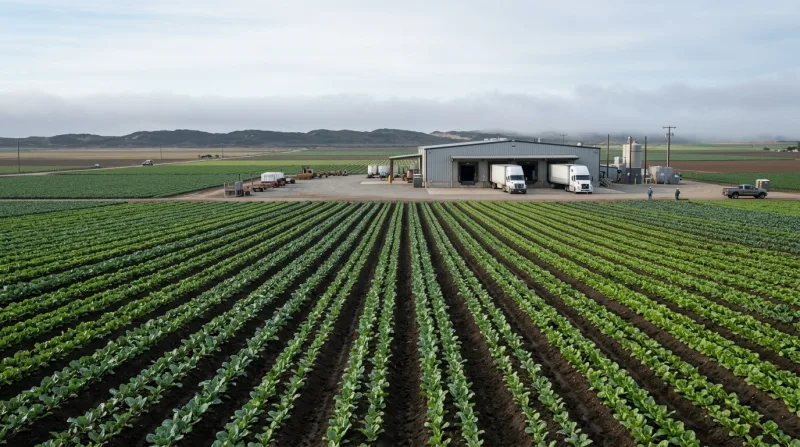
Field heat is the clock every grower in this valley works against. Berries and leafy greens leave the ground warm and start losing shelf life by the hour until they are pulled down to holding temperature, which is why forced air cooling, hydrocooling and vacuum cooling all live inside the sheds along Betteravia Road and West Stowell Road. The problem is never the technique. The problem is bay space on the exact day the trucks stack up.
Bonipak Produce has been packing here since 1932 and moves more than 100,000 cartons of fresh vegetables through its Santa Maria cooler on a normal day, better than 20 million cartons a year. Operations at that scale, along with Betteravia Farms, Bonita Packing Company and the Apio and Obispo Cooling houses out in Guadalupe, run their coolers close to full through peak weeks. When a compressor drops or a customer pushes a pickup by two days, the shortfall is measured in pallets on a hot dock.
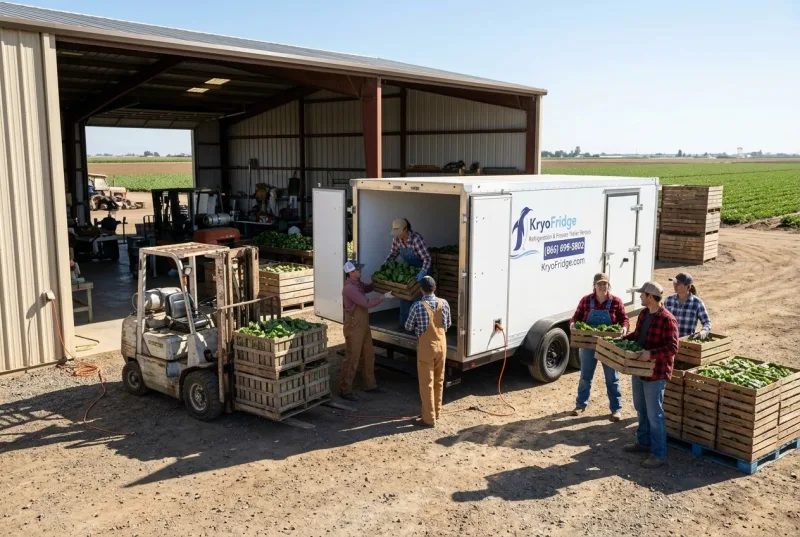
A KryoFridge trailer parked next to an existing dock apron works like another bay. Crews load it the same way, at the same height, with the same pallet jacks, and the set point sits wherever the product needs it, from minus 10 degrees for frozen holds up to 50 degrees for a cooler hold. Yards at the valley packing houses are built for truck traffic, so spotting a trailer is usually a five minute conversation rather than a site plan.
Growers use us three ways here. Overflow during peak strawberry and vegetable weeks, so nothing sits warm while a truck runs late. Backup during scheduled cooler maintenance, so the shed can pull a rack without stopping intake. And segregated holding space when a lot needs to be set aside for a customer hold, which keeps a production cooler free instead of tying up a room for a week. Call us or request a quote and we will hold a unit for your peak dates.
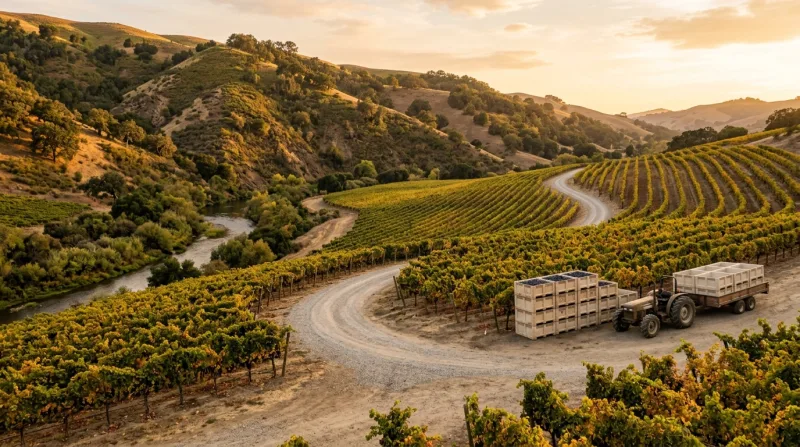
The Santa Maria Valley AVA was the third American Viticultural Area ever approved in the country, established on August 5, 1981, and it now covers 116,273 acres with roughly 7,500 of them planted. Morning fog off the Pacific hangs for hours before the afternoon wind pushes up the east west valley, which is why this is Winkler Region I ground and why Pinot Noir and Chardonnay do so well from Bien Nacido and Riverbench out to Presqu'ile and the old Tepusquet plantings at Cambria.
That same fog is why fruit here gets picked at night. Bien Nacido, with close to 900 acres planted since 1970, harvests in the dark so the fruit reaches the winery cold. Cold fruit is a head start, and losing it on a warm crush pad while the press works through the load ahead of you is how a careful pick turns into a compromise.
Our trailers hold whole cluster fruit before the press, run cold soaks, settle juice, and take the edge off tanks and barrels during a warm October stretch. Small and mid sized wineries here often have no permanent refrigerated warehouse at all, so a unit on site from late August through October covers the entire annual peak without anyone pouring a slab or pulling a permit for new equipment.
Tasting rooms use us on a different schedule. A club release weekend or a big pour at the winery fills a back room fast, and a trailer at the edge of the lot gives you somewhere to stage cases, kegs and catering product. Sites up Tepusquet Canyon and the Foxen Canyon side need a firm pad and turnaround room, and generator power is normal out there, which we supply. Call us early in August and we will reserve a unit for your crush window.
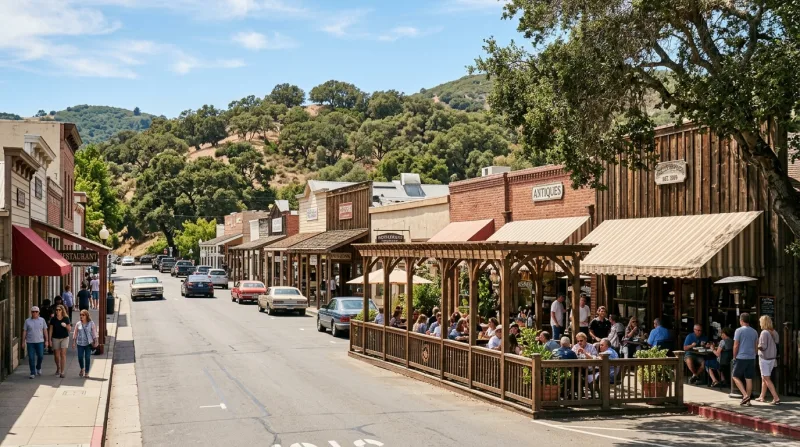
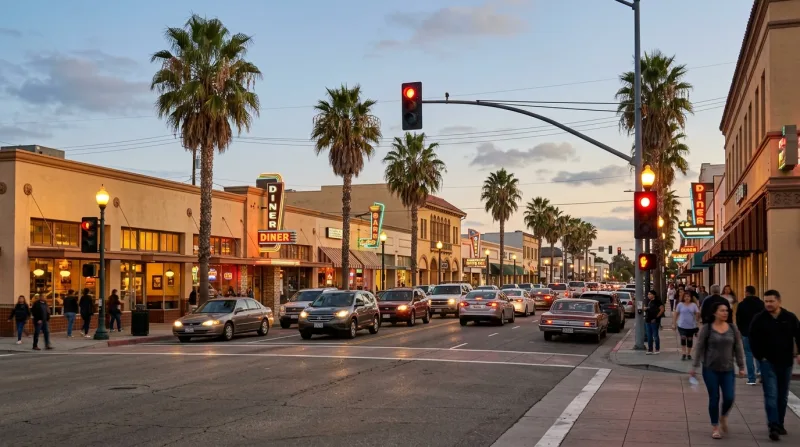
Santa Maria is known as the barbecue capital of California and backs it up with tri-tip over red oak, which means this is a protein heavy restaurant town. Independent kitchens downtown and along Broadway, the Clark Avenue spots in Old Orcutt, the caterers who work ranch and winery venues, and the meat cutting operations behind all of them share one weak point. The walk-in cooler holds everything the kitchen touches, and when it quits, service stops.
We take those calls at every hour, and the fix is the same each time. A dispatcher confirms your address and power. A trailer gets prepped cold and a driver rolls. US 101 runs straight up the middle of the valley with interchanges at Betteravia, Main, Broadway and Stowell, so most commercial addresses in town are a short pull off the freeway rather than a crawl through neighborhoods.
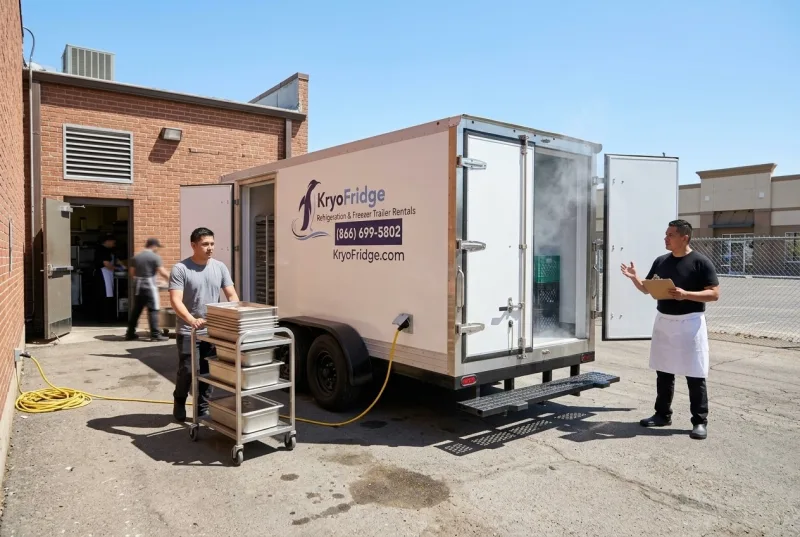
Grocery work looks different but pays the same rent. Freezer aisle remodels, refrigeration retrofits, a downed rack, a holiday display build, or a truck that shows up before shelf space clears. A unit at the back of the lot lets the store keep receiving on schedule while the box is out, and receiving on schedule is what keeps a store from eating a whole delivery.
The rest of the food service map here works the same way. School central kitchens in the Santa Maria-Bonita and Santa Maria Joint Union districts do their remodels over summer break while summer meal programs keep running. Hospital and campus dining at Marian Regional and Allan Hancock cannot go dark for a refrigeration swap. Call us or request a quote and we will scope the job around your build schedule instead of around ours.
"Cold" is not one number. Different product stays safe inside different temperature windows, which is the entire reason a precise digital set-point matters, and in the middle of a heat wave in Santa Maria, a load that slips out of its window is a load you write off. Use the chart below as the reference our customers lean on when they size a rental.
| Product | Target holding band | Trailer mode |
|---|---|---|
| Ice cream and frozen desserts | -10°F to 0°F | Deep freeze |
| Frozen proteins, seafood, prepared meals | 0°F or below | Freezer |
| Fresh meat and poultry (short hold) | 28°F to 32°F | Refrigerated |
| Dairy, deli, packaged produce | 34°F to 38°F | Refrigerated |
| Beverages, florals, catering trays | 38°F to 45°F | Refrigerated |
One figure outranks everything in that chart, and it is not listed there: 40°F. Food-safety guidance treats the band between 40°F and 140°F as the zone where bacteria thrive, and the clock on perishable product starts ticking the moment it crosses 40 on the way up. Roughly four cumulative hours above that line and most refrigerated inventory is no longer safe to serve. Picture that countdown running on a 100-degree afternoon in Santa Maria with the walk-in dark, and the urgency of a quick trailer drop stops being abstract.
Tell us the single coldest item you are holding when you call, and we dial the trailer to that. One unit carries a straight freezer load with no fuss. But when your list mixes deep-freeze desserts with fresh-cold produce for the same remodel or event, we will usually point you toward a split setup or a second box so neither side of the load has to settle for the wrong temperature.
Powering one of our trailers is refreshingly simple, and there are precisely two ways to do it. Either you have a dedicated 120-volt, 20-amp circuit reachable within roughly 100 feet of the parking spot, or we bring a generator. What the units will not accept is standard 208 to 240V building service, so a quick question about your outlet before dispatch heads off any surprise on delivery day.
On placement, all the unit really asks for is a fairly flat patch with enough room for the delivery truck to maneuver it in and set it straight, plus either a power source in reach or space for a generator. We lock down the exact drop point before dispatch, and our drivers know the Santa Maria layout cold, so the delivery is one clean trip instead of a guessing game on the property.
A Chick-fil-A called us at 6:30 on a Friday evening with the walk-in cooler dead and the drive through line wrapped around the building. That is a red alert for a store at that volume, because every protein, every produce case and every prepped item lives in that box. We took the call, prepped a trailer and dispatched immediately, and the unit was on site 34 minutes after the phone rang. The store finished dinner service without dumping a single case.
An overnight power outage shorted the fuse on the walk-in cooler at a Denny's the night before Mother's Day, one of the busiest days on their whole calendar. Losing the cooler that morning would have taken the day out entirely. Our dispatch team put three freezer trailers on site, which gave them room for pies, meats and everything the line needed. They served the full day, and the repair happened on their schedule instead of during the rush.
A valley packing operation had a cooler rack go down in the middle of a heavy pick, with flats already staged on the dock and trucks scheduled through the night. We set two units alongside the existing dock aprons that afternoon so crews could load them like extra bays without changing a thing about the workflow. The fruit went out on schedule and the shed kept receiving. The rack got repaired on a weekday morning instead of at 2 a.m.
We book around the harvest calendar, not around a generic season. Most rental companies treat July as the busy month and get caught flat when Santa Maria peaks in September and October. We hold fleet for the valley's fall squeeze, when crush fruit and produce shipping fight for the same bay space, and we keep emergency units flexible through the rest of the year for the walk-in calls that never schedule themselves. That planning comes off the same dispatch board that runs our Fresno walk in freezer rentals and the rest of the California network, so a busy week here does not leave a Santa Maria customer waiting on a unit from three states away.
On a bad day, booking should be the part that does not add stress. Four steps, an upfront number, and a single person who owns the whole thing.
Tell us whether it is freezer or fridge product, a ballpark volume, and your rough window. That is enough for us to call the right size.
We pair you with a unit, confirm whether you have a dedicated circuit or need a generator, and pin the exact drop point so the truck makes one trip.
We arrive on your schedule, about 45 minutes for a true emergency, set the trailer, energize it, and let it drive down to your number.
It holds the set-point for your entire term while our line stays live the whole way through. Wrap up, and we swing back for the pickup.
The California Retail Food Code sets the floor for every retail food facility in the state, and Santa Barbara County Environmental Health Services enforces it here. The working number most kitchens and markets plan around is 41 degrees or below for potentially hazardous food. When a walk-in drifts, that number is what an inspector, an insurer and a customer all measure against, which is why swapping in real refrigerated space beats stacking ice in a prep cooler and hoping.
Events inside Santa Maria answer to two permit desks, and this catches out of town organizers every year. Santa Barbara County Environmental Health Services permits temporary food facilities in connection with a community event, defined as civic, political, public or educational in nature, and a county health permit is required for each booth. Booths need hand and utensil washing unless they serve only individually prepackaged food with no utensils, and potable water has to be available the entire time. Inside city limits the City of Santa Maria requires its own temporary food facility permit on top of that, and approvals may be needed to run generators or cooking equipment.
On the worker safety side, California runs both an outdoor heat illness prevention standard, which calls for drinking water, shade access at 80 degrees, cool down rests and high heat procedures at 95 degrees, and an indoor heat illness prevention standard that generally applies at 82 degrees indoors. Packing house floors, warehouses and commercial kitchens all sit squarely inside that indoor rule. The federal heat rule from OSHA is still a proposed rule, so plan against the California standards that are already on the books and treat the federal proposal as what it is.
One caveat we always state plainly: we supply the food-safe, temperature-holding hardware itself, but we are not a temperature-logging or alarm-monitoring service. If your program requires continuous written records, line that vendor up on your own.
Our signature 16 foot Utility series leads the fleet. It is the trailer we send on most jobs, and crews like it for the side utility access door. We build three footprints in all, so a single kitchen holding overflow stock has a fit and so does a distribution floor in a disaster. Every unit is dual purpose by design: one adjustable system swings between freezer and refrigerator on a digital set point. Each trailer runs on a dedicated circuit or on a generator.
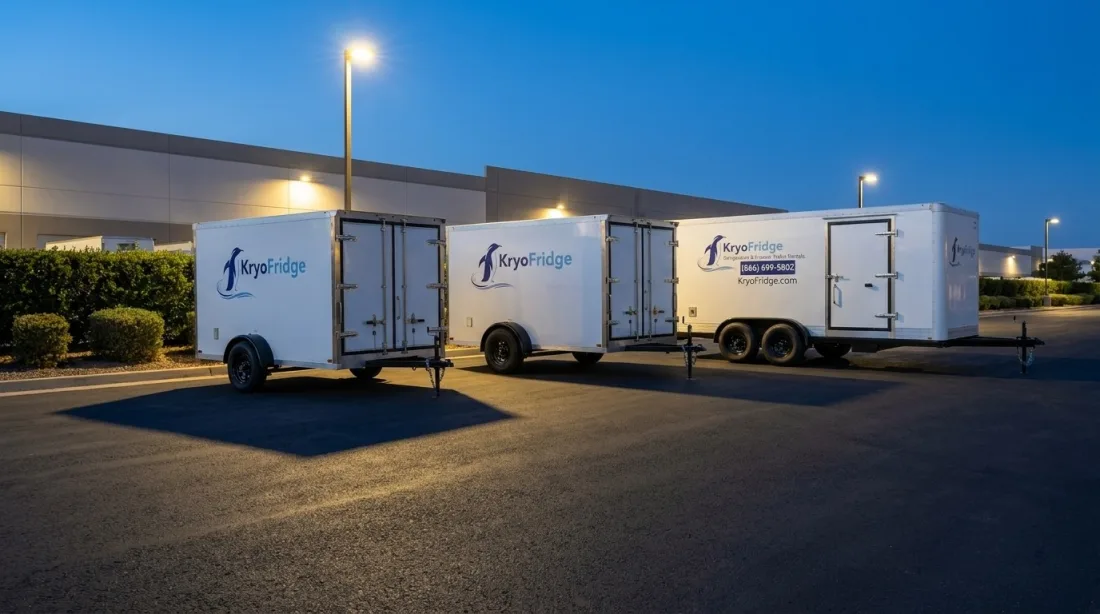
| Trailer | Best for | Temp range |
|---|---|---|
| 6x16 Utility ⭐ | Our signature series: distribution, large events, disaster response, side utility door | Heavy-duty reefer |
| 6x12 | Grocers, caterers, mid-size events | Deep-freeze capable |
| 6x8 | Tight lots, small kitchens, short overflow | -10°F to 50°F |
Each unit holds a precise digital set-point and runs on a dedicated 120V/20A circuit or a generator.
Think eight or so pallet spots, and the unit to grab when square footage is the whole problem. It slips into the pinched service yards and cramped back-of-house corners that a larger box cannot even swing into. One cafe or small-market walk-in goes down, and this is almost always enough cold to cover it, plus the simplest unit to set in a small space.
Call it fourteen pallet spots, deep-freeze rated, and far and away the size people ask for most. It lands right in the middle: roomy enough for a multi-day catering job or a restaurant that needs true walk-in-equivalent room while the kitchen is torn up. Roomy enough that nobody is playing Tetris with shelves, yet still small enough to set in most commercial back lots without a site survey.
Roughly twenty pallet spots paired with a heavy-duty reefer plant engineered to keep deep-freeze locked in even when the ambient air is merciless. Reach for it when a warehouse bay drops, when a large festival needs an anchor, or when a relief operation is carrying its own cold chain.
Not sure which size fits? Most customers land on the 16 foot Utility, and we will tell you honestly if a smaller footprint covers your job. Tell us roughly what you are storing and for how long, and we will spec it for you.
The questions that surface once the basics are settled. Tap any topic to open it.
The pop-up walk-in cooler. Cheap to rent and easy to set up, but it chills, it does not freeze, and it draws every watt it needs from your building while depending on a calm ambient temperature around it. The second your building loses power, your cooler loses it too.
The refrigerated box truck. Designed to haul product on the interstate, not to sit in a lot and babysit it. Parked, it idles fuel all day, broadcasts compressor noise across a storefront or an event lawn, and pins down a tractor plus a driver you probably do not need.
The freezer trailer we deliver. Built from the ground up to be dropped on a pad and to defend a temperature for as long as the job runs. It freezes deep, carries NSF approval, locks, stays quiet near guests, and lives on nothing more than one dedicated circuit or a generator.
Even a rented box has to satisfy the county environmental health office that licenses and inspects every food facility. Show an inspector a unit that cannot document its temperature or was not built for food contact, and they have the authority to halt service immediately.
That is a bar each of our trailers clears: NSF-approved throughout, food-safe interior surfaces, proper drainage, and a digital controller that puts the set-point in plain view. We supply the food-safe, temperature-holding hardware itself, but we are not a temperature-logging or alarm-monitoring service.
For a typical kitchen or market, one box does the job. Distribution floors, big fairs, and full-scale disaster response routinely need more, and because the fleet is ours, we can cluster several units and bring them online in waves as the work expands. Match the cold capacity to the operation rather than make the operation squeeze itself into one box.
The clock is yours to set. Some jobs are a handful of days for an emergency or a single event. Others stretch across weeks or months for a remodel or a seasonal swell, and a few become standing contracts for businesses that want capacity parked on standby. Name your window and you will get a clean quote, no penalty for an honest "not sure yet."
Building permanent cold storage is a capital project in every sense: you hire a refrigeration contractor, schedule the electrical, pull a building permit, and wait weeks before a single pallet goes inside. A rental turns that equation on its head. You bring in precisely the cold you need, for precisely the stretch you need it, and the trailer is holding temperature that same week, frequently that same day, with the commitment ending the moment your need is over.
Three engineered elements carry the load. Thick insulated panels and tightly gasketed doors lock the sun outside and the cold inside. A self-contained reefer condensing system specified with surplus capacity keeps stripping heat out of the box even when the air outside is brutal. And a digital thermostat locks onto your chosen number and cycles the compressor to hold the line. Run those three together and a trailer baking on open asphalt behaves like one tucked in a cool warehouse. That is also why power is the first thing we ask about: the design delivers its safety margin only on steady, uninterrupted power.
"Freezer aisle remodel meant our cases were out for nine days. The trailer at the back of the lot let us keep taking deliveries on the normal schedule. Drivers had no trouble getting in and out."
 Elena M. · Grocery store manager, Orcutt
"We work ranch and vineyard venues where there is no cold anywhere. They set the unit where I asked, ran it on their generator, and picked it up the morning after the event. Easiest part of the whole job."
 Virginia M. · Catering owner, Old Orcutt
"Our cafeteria refrigeration replacement could not shut the kitchen down. They scheduled around the contractor and the unit was in place the day work started. Communication was clear the whole way through."
 Sarah Y. · Facilities director, Santa Maria
"Summer kitchen construction and we still had meal service running. The freezer trailer took the whole commodity load and gave us room to work. They handled the paperwork side without any back and forth."
 Bernadette L. · Nutrition services, Santa Maria-Bonita area
"We needed segregated space to hold a lot for a customer while it got sorted out. Rather than tie up a room, we used a trailer for the week. Set point held right where we asked it to sit."
 Cody A. · Produce shipper, Guadalupe
"Vendor row needed real cold storage, not ice chests. They delivered early, set it where the fire lane allowed, and came back for it after breakdown. I will call them for every fair week from now on."
 Irene F. · Event coordinator, Santa Maria Fairpark
"Remodel took our walk-in out for three weeks. The trailer sat in the back lot, ran off a dedicated circuit, and never gave us a problem. Not one day of lost service."
 Amy F. · Restaurant owner, Clark Avenue
"We had a donation come in far faster than our shelf space cleared. They got a unit to us on short notice and it kept everything usable. That is food that would have gone in the trash otherwise."
 Lisanne M. · Distribution coordinator, North County
"Site is well off the pavement and I expected an argument about access. They looked at the pad, brought the generator, and set it without any drama. Pickup went the same way."
 Kasey L. · Ranch manager, Sisquoc
Sample reviews written to mirror genuine Santa Maria situations, to be replaced with verified Google reviews ahead of launch.
Fast, and we will tell you a real number on the phone instead of a hopeful one. Our dispatch runs 24 hours a day, and our fastest documented emergency response was a Chick-fil-A with the walk-in down during a Friday dinner rush, on site 34 minutes after the call. Santa Maria helps here, because US 101 runs straight through the valley with interchanges at Betteravia, Main, Broadway and Stowell, so most commercial addresses are a short pull off the freeway. Have your address and your power situation ready and we can usually confirm the window while you are still on the line.
Both, in the same unit. Every KryoFridge trailer is dual purpose with a digital set point that runs from minus 10 degrees up to 50 degrees, so one trailer covers frozen protein and chilled produce depending on where you set the dial. That matters in a market like this, where the same customer might need a deep freeze hold in February and a cooler hold during a September strawberry push. You do not have to decide the job type before you call, and you can change the set point after the unit is on your site.
There are exactly two ways to power one. Either we supply a generator, or you provide a dedicated 120 volt, 20 amp circuit within 100 feet of where the trailer sits. On a restaurant or market lot that usually means an exterior receptacle on its own breaker, and on a ranch, vineyard or event field it usually means our generator. Settling that on the first call is the single biggest thing that turns a next day promise into a same day delivery, so check your panel before you dial.
Yes, and it is one of the most common ways we get used in this valley. Packing yards here are built around truck traffic with wide aprons and dock height loading, so a trailer spots next to an existing dock and gets worked like another bay with the same pallet jacks and the same crew. Growers use us for overflow during peak strawberry and vegetable weeks, for backup during scheduled cooler maintenance, and for segregated holding when a lot needs to sit apart from production. Book early for September and October and we will hold a unit for your dates.
Anywhere from a couple of days to a full season. Emergency walk-in replacements often run under a week while a repair gets scheduled, and kitchen or grocery remodels typically run two to six weeks. Winery crush rentals here usually run late August into October, which covers the entire annual peak for a small or mid sized producer. Tell us the real schedule when you call and we will set the term around your project.
Yes, all of them, and the wider Central Coast with them. Orcutt is on our doorstep, Guadalupe is about eight miles west where Highway 1 meets 166, Nipomo sits just over the county line, and Lompoc and the Vandenberg area are roughly 20 miles south. We also run the Santa Ynez Valley loop and north into Arroyo Grande and the Five Cities. KryoFridge serves all 50 states, so a job that moves is not a problem.
Plan on two desks. Santa Barbara County Environmental Health Services permits temporary food facilities in connection with a community event, which the county defines as civic, political, public or educational, and a county health permit is required for each booth. Booths need hand and utensil washing unless they serve only individually prepackaged food with no utensils, and potable water has to be available the whole time you operate. Inside city limits the City of Santa Maria requires its own temporary food facility permit, and approvals may be needed for generators or cooking equipment. Start both applications earlier than you think you need to.
No, and we would rather say that plainly than let you find out later. Our trailers have digital set point control on the unit itself, so you can set and read the temperature, but KryoFridge does not sell remote monitoring, logged temperature records or high temperature alarm services. If your program requires documented cold chain records, plan to run your own data loggers inside the unit the same way you would in a permanent box. What we provide is reliable, adjustable cold space delivered when we say it will arrive.
Northern Santa Barbara County, including Santa Maria, Orcutt, Lompoc and most of the Santa Ynez Valley, is PG&E territory, and the City of Santa Maria keeps a Public Safety Power Shutoff page through its Fire Services department. The useful thing about a shutoff is that it is announced ahead of time, which means you can stage product into a generator powered trailer before the power drops instead of scrambling after. Call us as soon as you get a notice rather than when the lights go out, because everyone else in the valley is reading the same alert. Our generator keeps the unit running for the length of the event.
Yes, and we do it every crush. Those sites need a firm pad and room for a truck to turn around, and generator power is standard out there, which we bring. Ranch roads soften after the winter rain months, so a summer or fall set is usually straightforward. Tell us roughly where the pad sits when you call and we will flag anything that needs sorting before the driver rolls.
Deeper reading for local businesses, from the failure-hour playbook to compliance and seasonal planning. Tap any guide to open it.
Santa Barbara County agriculture crossed the two billion mark in 2024, up 7.1 percent over the year before, and strawberries carried better than 40 percent of that total on their own. It was the top crop for the 22nd consecutive year, and it grew again by 11 percent on a mix of added acreage and better yield. Most of that fruit comes out of the Santa Maria Valley, which makes this one of the highest value cold chain districts in the state whether or not anyone outside it thinks of it that way.
The physics behind all that value are simple and unforgiving. Berries and leafy greens leave the field carrying field heat, and shelf life starts burning off immediately. Every hour a flat sits warm on a dock is an hour taken off the far end of the trip, and the far end is where the retailer decides whether the load was worth the freight. That is why forced air cooling for berries, hydrocooling for some vegetables and vacuum cooling for lettuce are all standard tools in the sheds here.
Santa Maria runs a full civic event calendar, and the two biggest draws are easy to name. The Santa Maria Elks Rodeo and Parade held its 82nd annual edition from Thursday, May 29 through Sunday, June 1, 2025 at the Elks Event Center, with a parade through town ahead of a multi day rodeo. The Santa Barbara County Fair runs at the Santa Maria Fairpark, and the Santa Maria Valley Strawberry Festival puts the valley's signature crop front and center. Add winery release weekends, Old Orcutt street events and the September 16 parade in Guadalupe, and there is vendor food being served in this valley most months of the year.
Every one of those events runs on cold that has to arrive from somewhere. Beverages, ice, dairy, produce, prepped food and barbecue proteins all need holding space that does not depend on a chest cooler and a bag of ice. In a barbecue town where tri-tip over red oak is the local signature, the protein volume alone is enough to justify real refrigerated space at a vendor row.
Santa Barbara County is split between two utilities, and the line matters more than most business owners realize until the day it does. Northern Santa Barbara County, including Santa Maria, Orcutt, Lompoc and most of the Santa Ynez Valley, is served by PG&E. The south county is served by Southern California Edison. If you are reading outage guidance for Santa Barbara and you operate in Santa Maria, you may be reading the wrong utility's page.
PG&E may shut off power deliberately during critical fire weather through a Public Safety Power Shutoff. The City of Santa Maria maintains its own Public Safety Power Shutoff page through its Fire Services department, telling residents and businesses to prepare for outages that can run multiple days during hot, dry and windy conditions. Santa Barbara County publishes a Power Outages page, the county fire department publishes shutoff guidance, and readySBC.org is the county preparedness portal.
The Santa Maria Valley AVA was established on August 5, 1981, making it the third American Viticultural Area approved in the United States. It covered 97,483 acres originally, expanded by another 18,790 acres in 2010 for a total of 116,273 acres, with roughly 7,500 of those acres actually planted. Twenty three grape varieties grow here, but Pinot Noir and Chardonnay are the reason the region has the reputation it does.
The climate explains everything about how harvest works here. Dense banks of morning fog roll in off the Pacific and take hours to burn off, then give way to strong afternoon breezes funneling up the east west valley. Summer temperatures average around 75 degrees, which puts the valley in Winkler Region I, and the maritime influence stretches the growing season and helps the sugar and acid balance land where winemakers want it. Elevations run from about 200 feet at Highway 101 up to 3,200 feet at Tepusquet Peak, with most vineyard blocks between 300 and 800 feet.
Grab a quick, no-runaround quote, or ring our round-the-clock line for emergency cold storage anywhere across Santa Maria and the surrounding area.