
Freezer Trailer Rentals Built for the Dallas–Fort Worth Metroplex
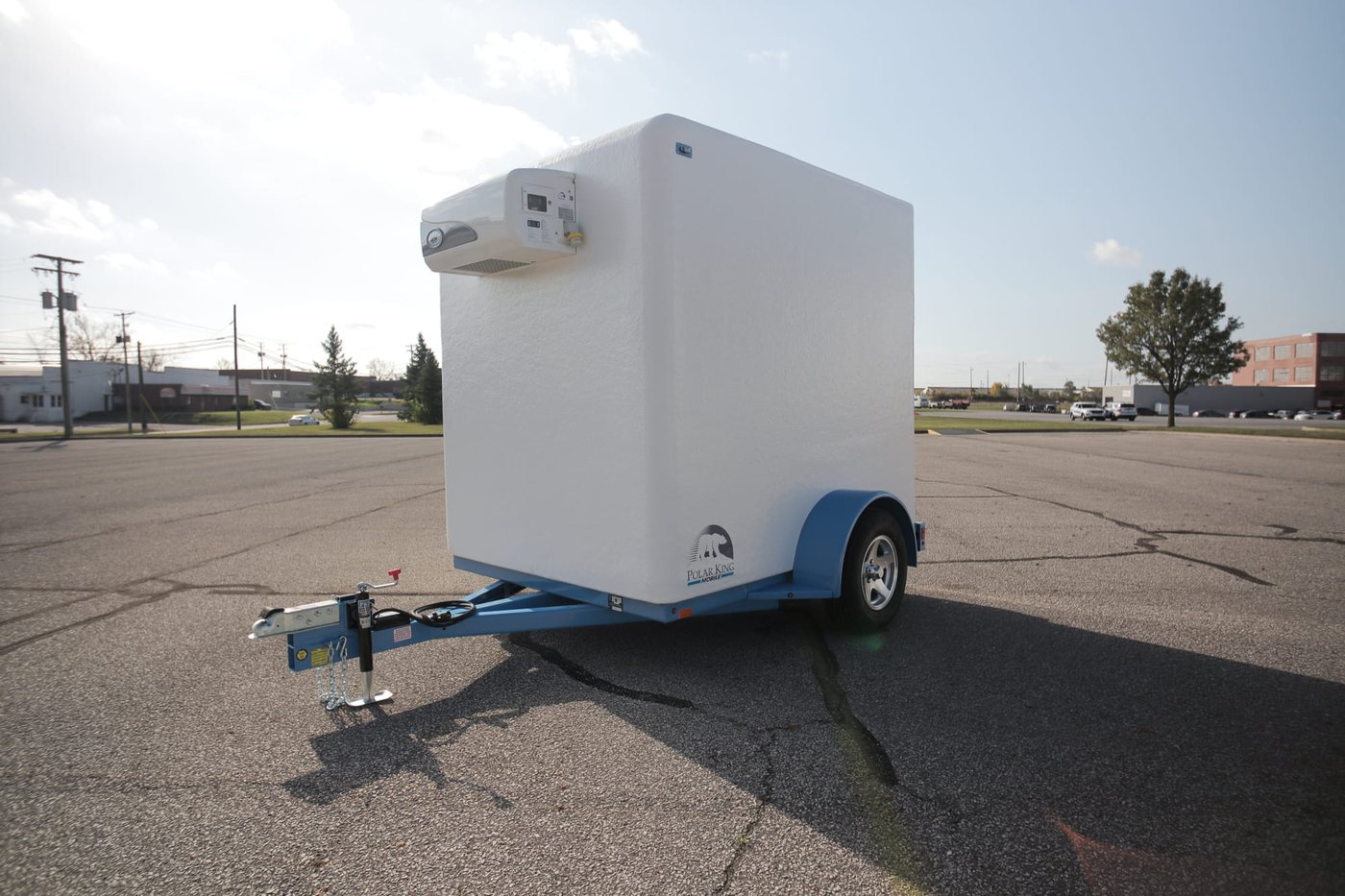
Mobile cold storage that shows up when a Metroplex walk-in quits at 6 p.m. on a 100-degree August evening — and holds its set-point right through it. We run a yard inside DFW, keep the largest dual-purpose freezer and reefer fleet on the road, and we’re the company that owns the trailer, not a broker reading you a quote off someone else’s equipment. NSF-approved. Licensed and insured. One number, answered around the clock.
DFW’s Go-To Source When the Cold Chain Can’t Wait
A failed compressor in this market doesn’t politely schedule itself. It hits during the Friday dinner rush off Greenville Avenue, the morning a grocery reset starts in Plano, or the overnight before a 5,000-plate corporate event in Las Colinas. Our whole model is built so that the gap between “the cold went down” and “the cold is back” is measured in minutes, not the rest of your week.
What lets us do that is simple and it’s the part the cheaper listings can’t match: the trailers are already here, in a North Texas yard, and we own every one of them. Call us and you reach the people who service and dispatch the equipment — there’s no “let me phone my supplier” while your brisket inventory warms toward the danger zone. Direct operator, no middle layer, no markup buried where you can’t see it.
The Metroplex at a Glance — a Region That Lives on Holding Temperature
Dallas–Fort Worth is the fourth-largest metro in the country, home to roughly 8.5 million people and growing by about 339 residents a day. It’s a place built on three things that all run on refrigeration: feeding people, moving freight, and putting on the biggest events in Texas.
Two anchor cities (about 30 miles apart), one sprawling economy. Dallas built its fortune on commerce, banking, and corporate headquarters. Fort Worth grew up around the cattle trade and never let go of the “Cowtown” identity. Between and around them sit Arlington’s stadium district, Irving’s Fortune 500 cluster at Las Colinas, and the relentless growth corridor running up through Plano, Frisco, and McKinney. The region produces close to 30 percent of all economic output in Texas.
And every layer of that economy is a cold-storage customer. Two dozen Fortune 500 headquarters feed thousands of employees a day. A logistics machine anchored by AllianceTexas and DFW International moves frozen and refrigerated freight at a scale few metros touch. And the calendar is wall-to-wall with the kind of events — fairs, rodeos, World Cup matches — that need walk-in capacity wheeled in on short notice. A trailer that holds temperature isn’t a nice-to-have here. It’s infrastructure.
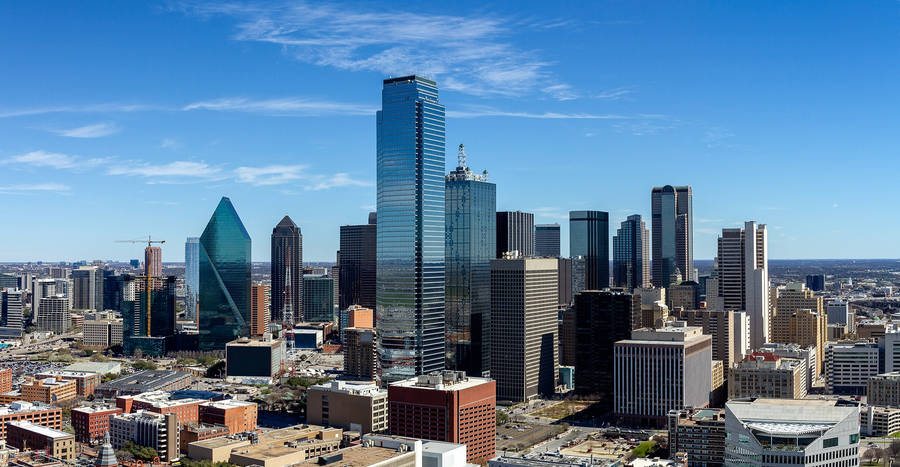
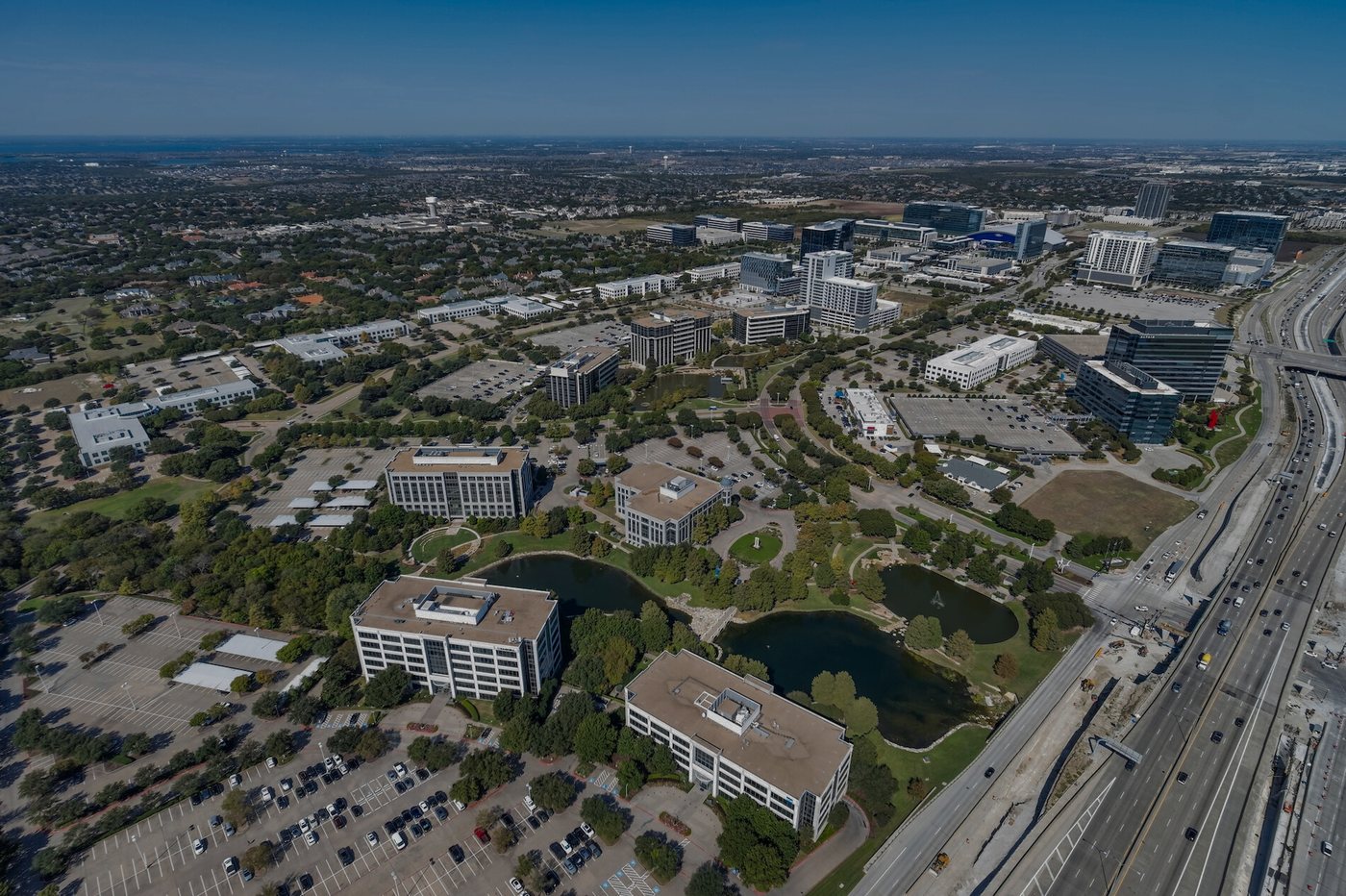
The Dallas skyline anchors a metro of 8.5 million people. The same corporate, logistics, and event economy that built it generates a near-constant demand for temporary and emergency cold storage.
The Cold-Storage Name the Country’s Biggest Brands Trust
National chains don’t gamble on a trailer drifting two degrees out of spec. They vet a cold-storage partner with the same scrutiny they apply to a food supplier — and the brands that did chose KryoFridge. We’ve supplied mobile refrigeration to operations the caliber of McDonald’s, Chick-fil-A, and Dutch Bros Coffee, plus grocers, quick-serve restaurants, and entertainment venues whose names you’d recognize on sight.
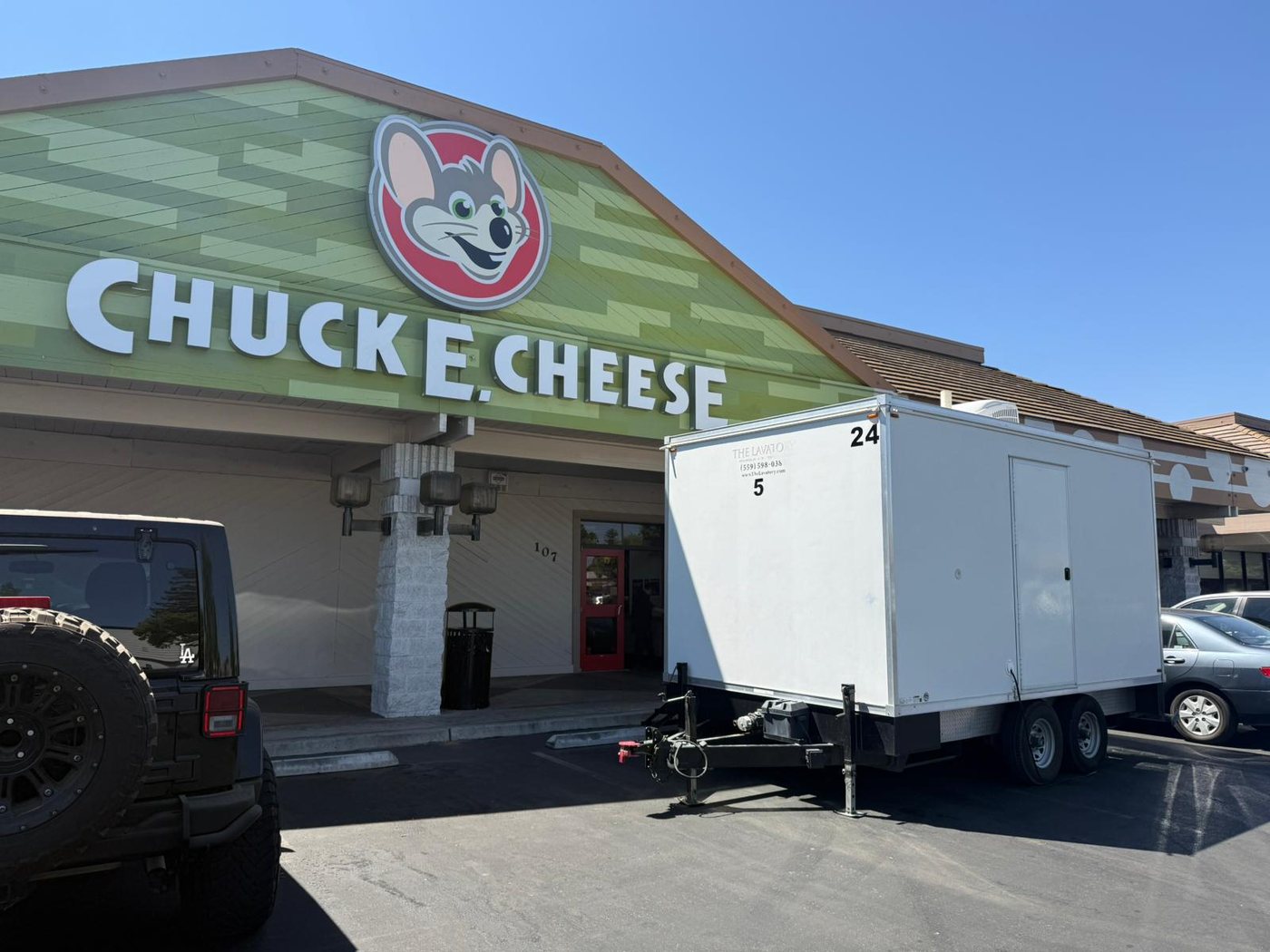
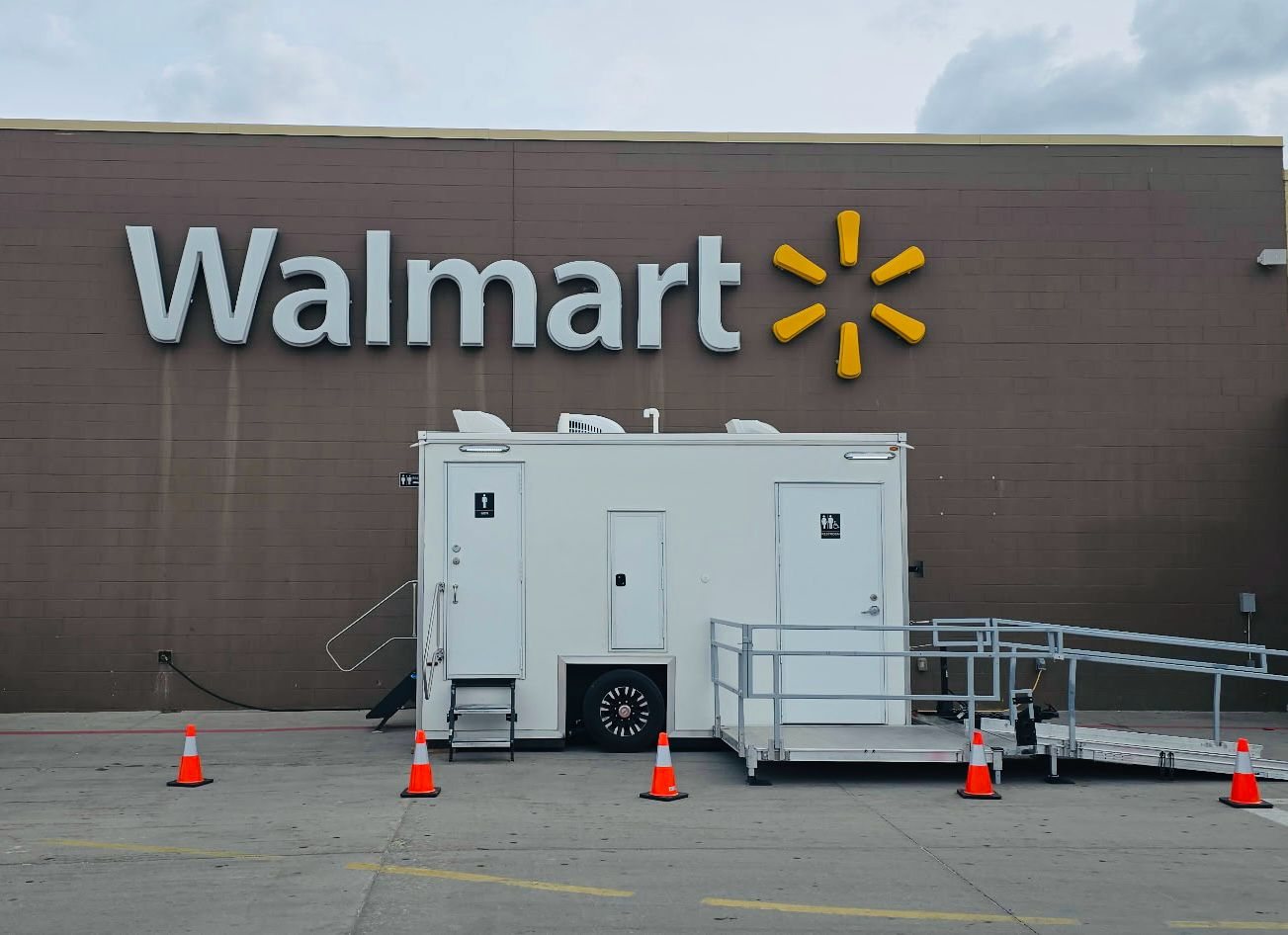
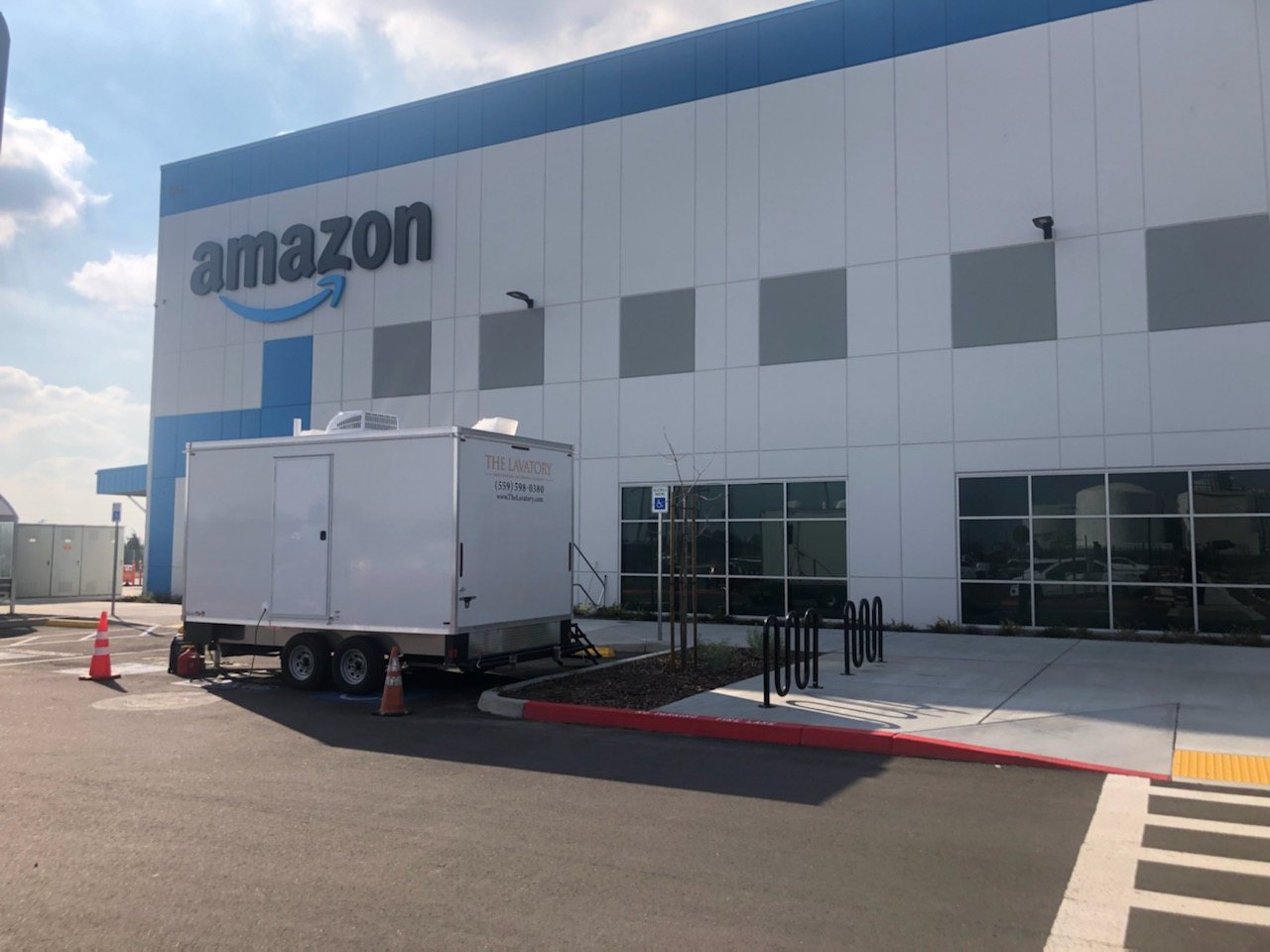
The proof is in how we react under pressure. A Chick-fil-A once called us at 6:30 on a Friday evening with their walk-in dead in the thick of the dinner rush — drive-through wrapped around the building, and nowhere to put the product. We prepped a trailer, rolled it, and had it on their pad pulling temperature 34 minutes after the phone rang. Another time a Denny’s lost its walk-in to a shorted fuse overnight, hours before a Mother’s Day service — one of the busiest days on their calendar. We staged three freezer trailers before doors opened and got every pie, protein, and prep tray through the rush. In a market like DFW, that same standard has to hold whether you run a single Tex-Mex kitchen in Oak Cliff or a distribution dock off I-35W: the trailer hits its number, holds it through the heat, and is clean enough to pass a county inspector.
Why Dallas–Fort Worth Operations Call for a Freezer Trailer
Almost no one in this market plans the day they’ll need cold storage on wheels. It arrives as a failure, a remodel, a permit deadline, or a sold-out event — and these are the calls that come in most across the Metroplex, each tied to the kind of operation it serves.
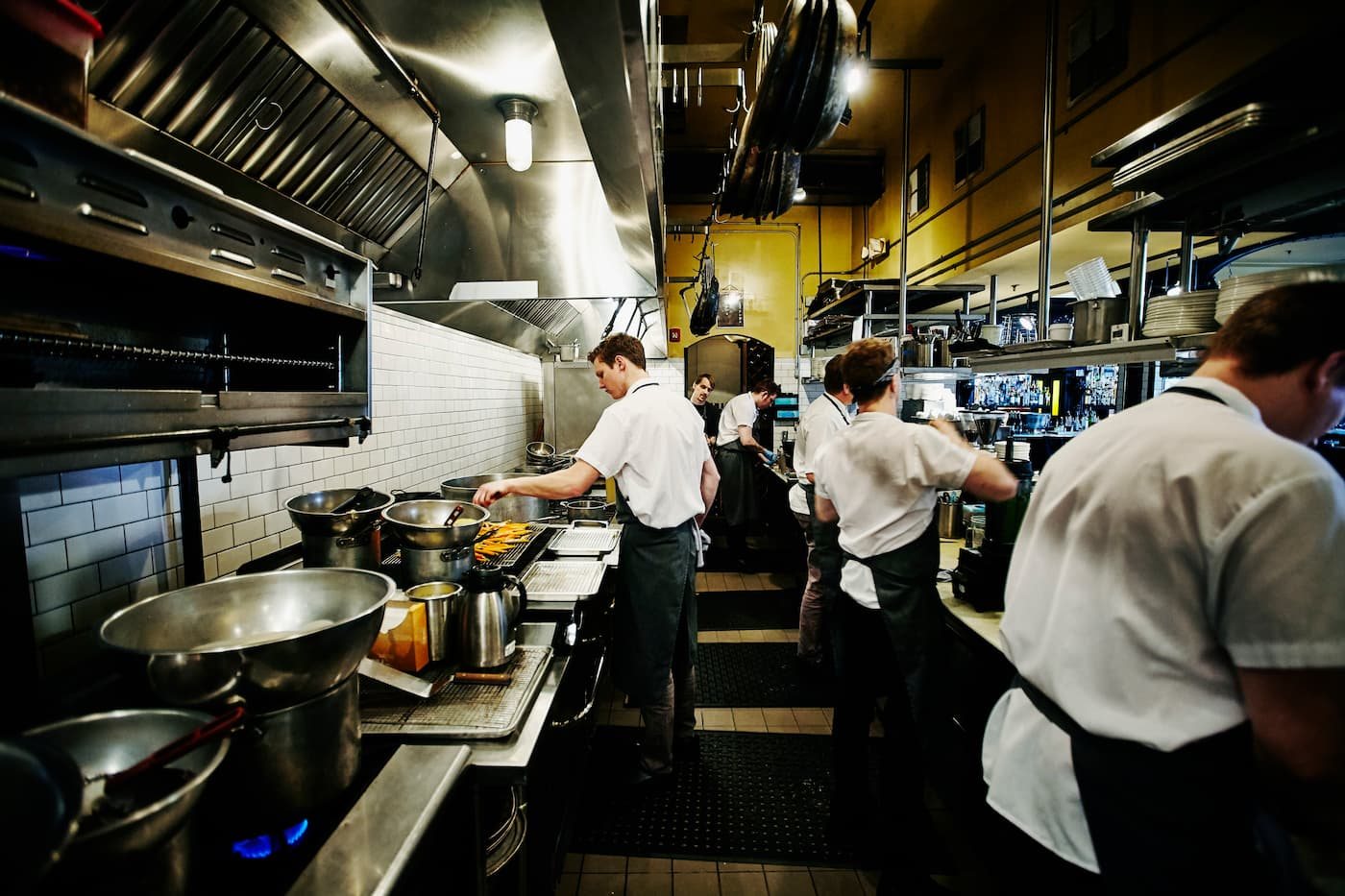
? Kitchens & BBQ Joints
Walk-in failures, hood-and-line remodels, and the brisket-and-protein inventory that DFW’s Texas Monthly-ranked BBQ scene lives or dies on.
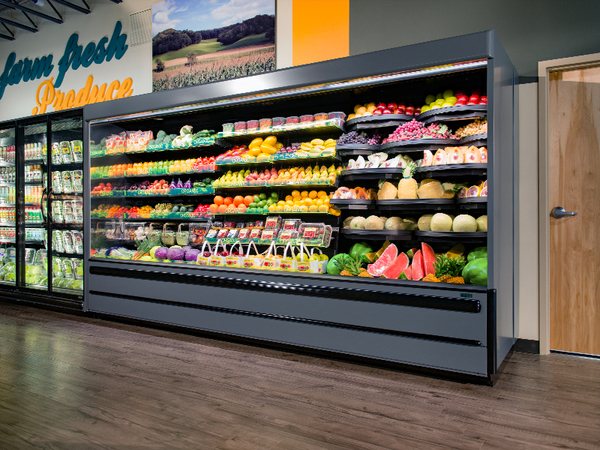
? Grocers & Markets
Case outages and store resets — including the wave of new H-E-B, Central Market, Kroger and Tom Thumb builds reshaping North Texas grocery.
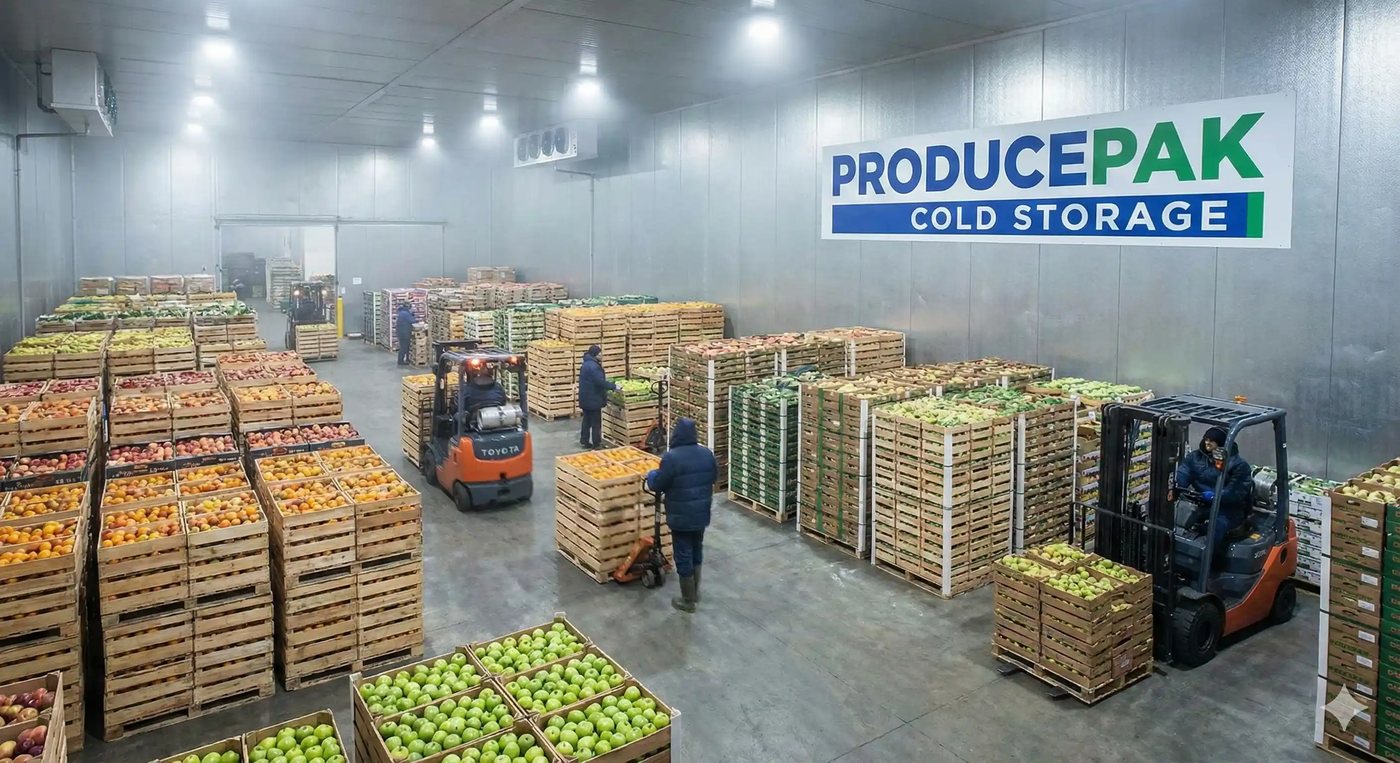
? Distribution & 3PL
Overflow reefer space for the AllianceTexas and DFW Airport cold-chain — dock-door staging when a freezer zone drops or volume spikes.
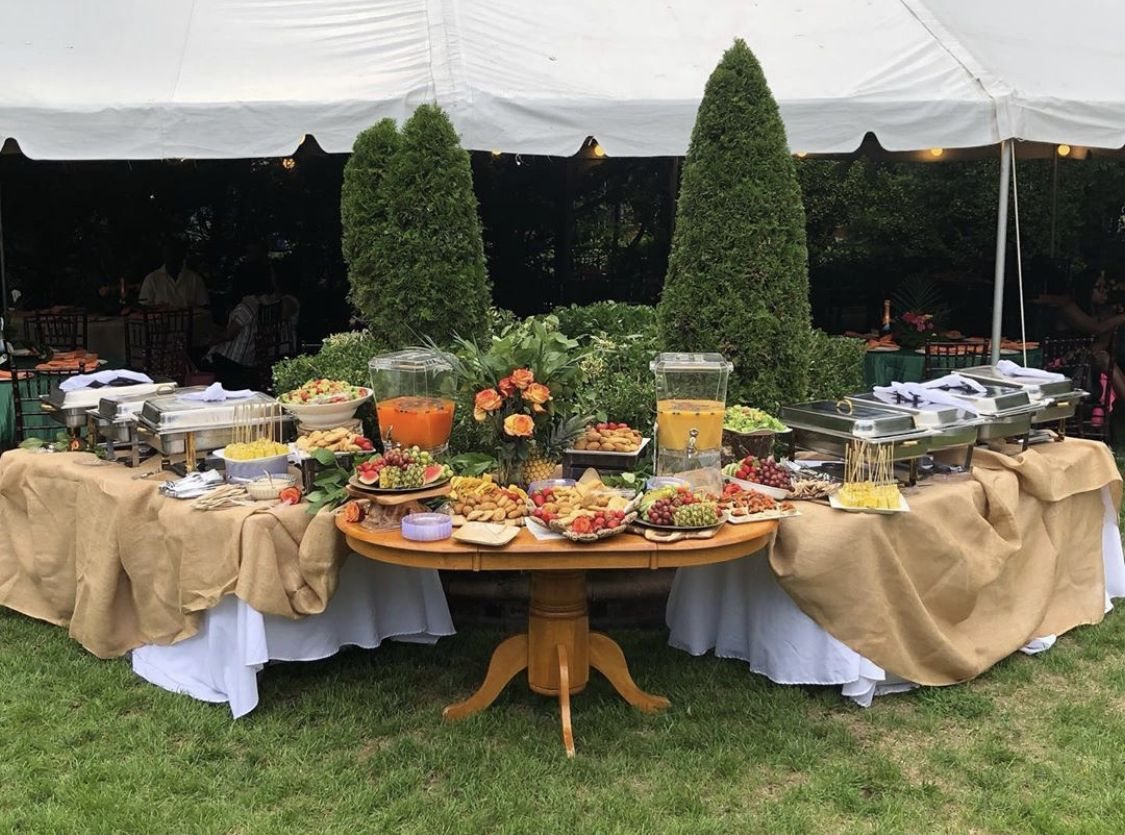
? Events & Catering
Walk-in-grade capacity for stadium concessions, Legacy West corporate functions, weddings, and the State Fair’s vendor row.
? Emergency & Disaster
24/7 response for compressor failures, grid events like Winter Storm Uri, recalls, and disaster-relief cold chain.
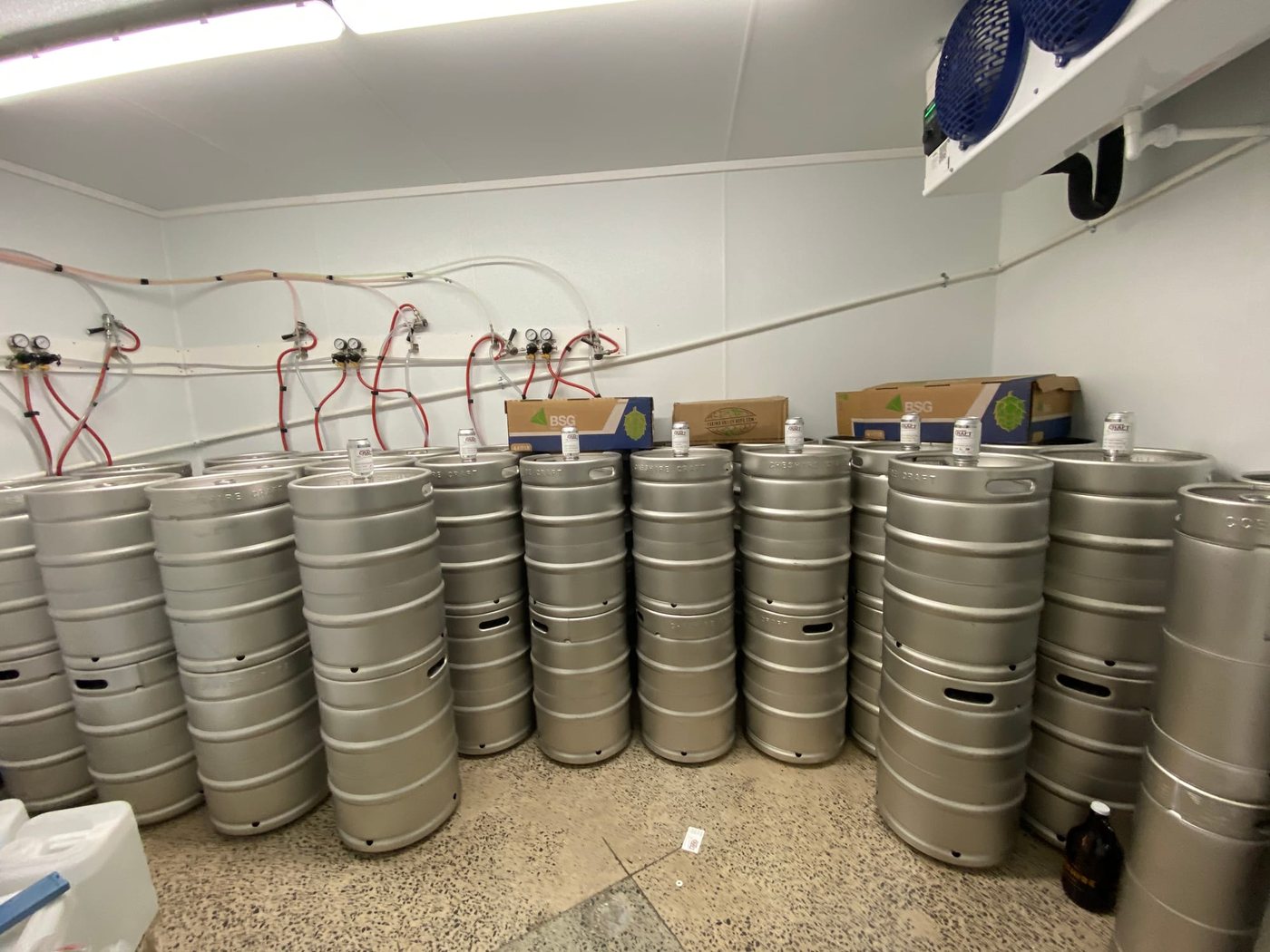
? Breweries & Beverage
Cold keg and ingredient storage for North Texas independent brewers like Rahr & Sons and Lakewood, plus beverage distributors and bottlers.
What ties all of these together is the clock. Demand shows up the hour a compressor seizes, the Monday a build-out begins, or the evening before a function when the catering crew realizes a wall of ice chests won’t come close. Since we hold units inside the Metroplex rather than routing them in from somewhere else, “can I get one today” is something we answer in the affirmative routinely around here — not a gamble on whether a far-off yard happens to have stock.
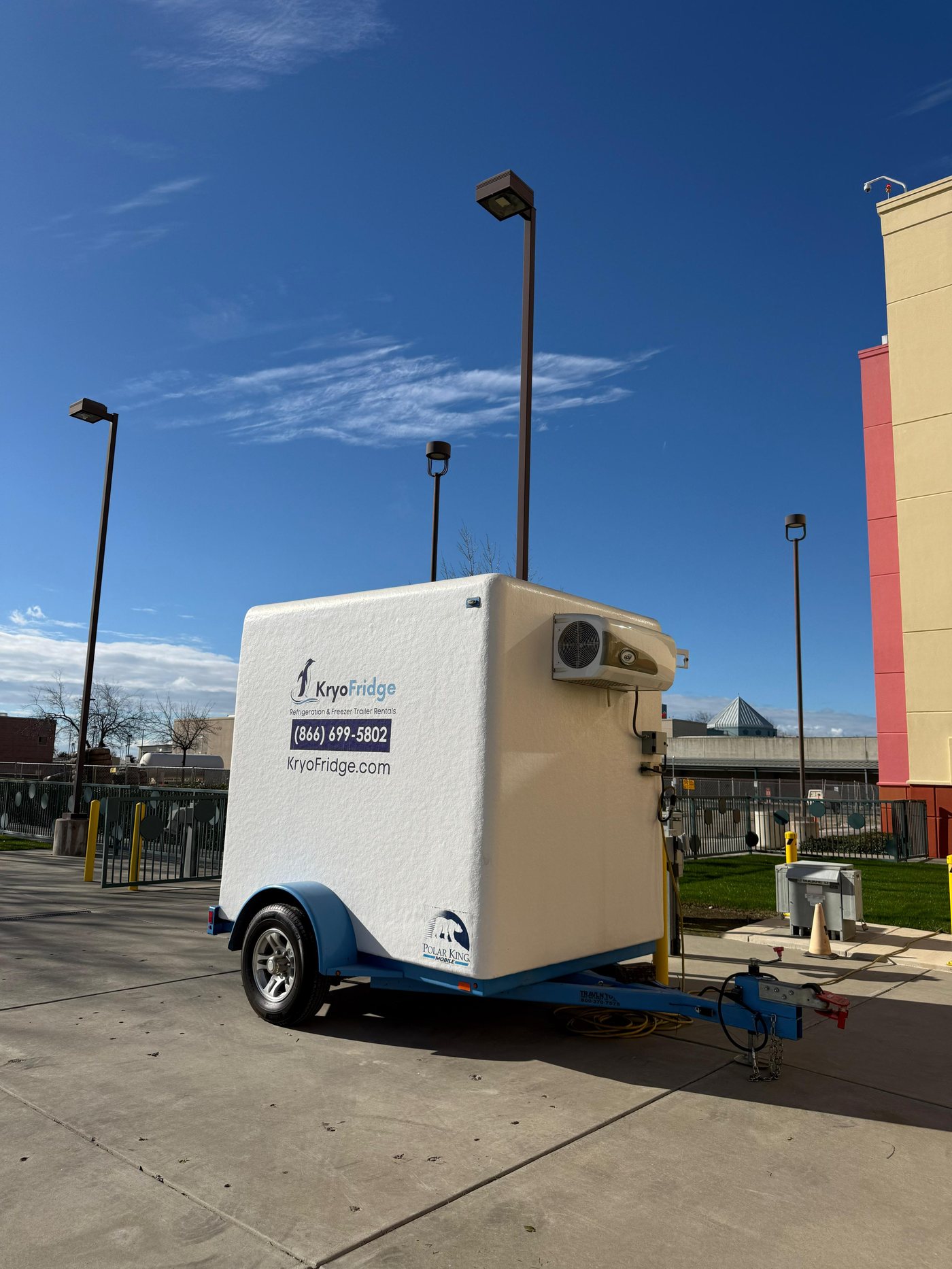
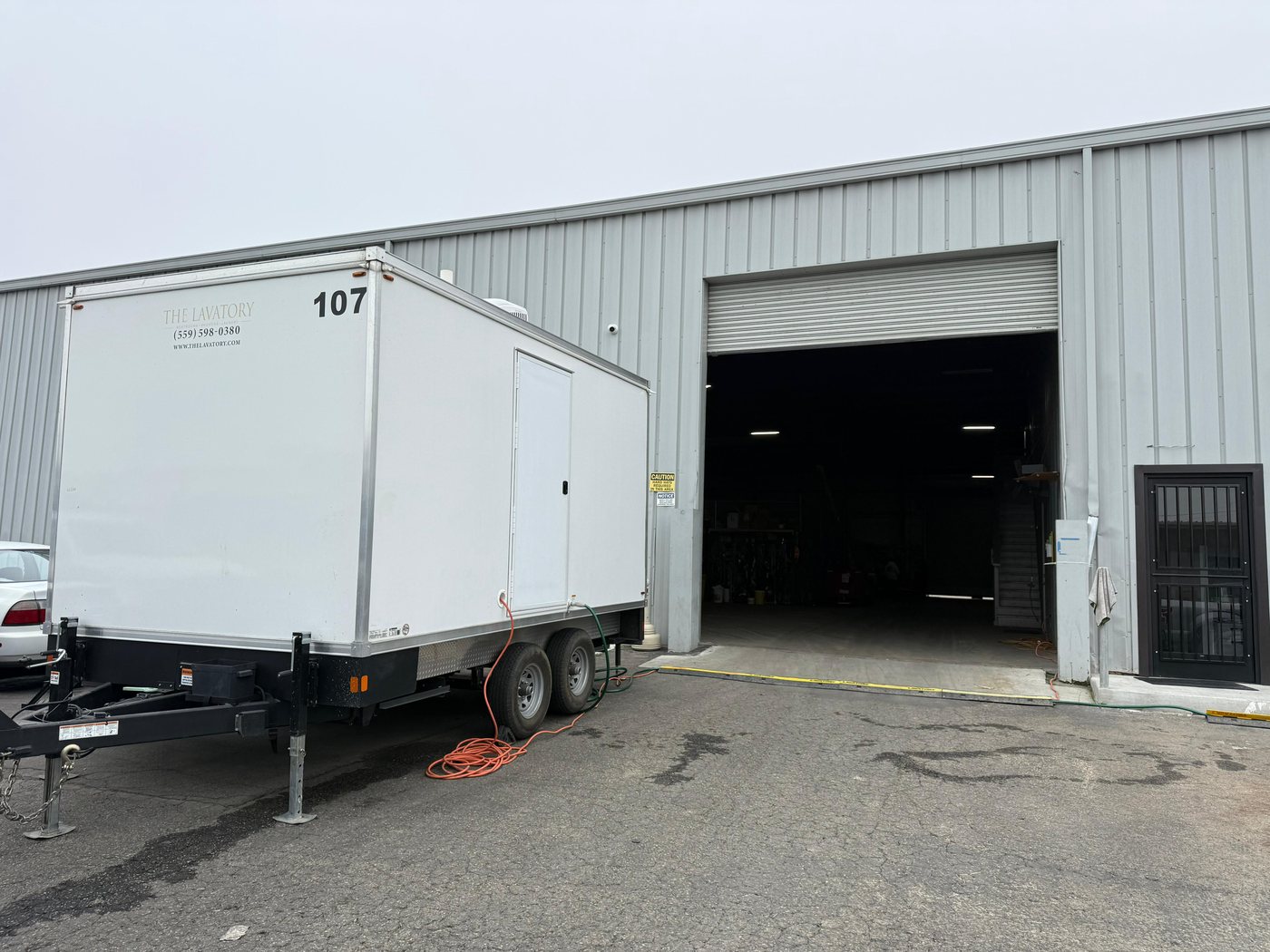
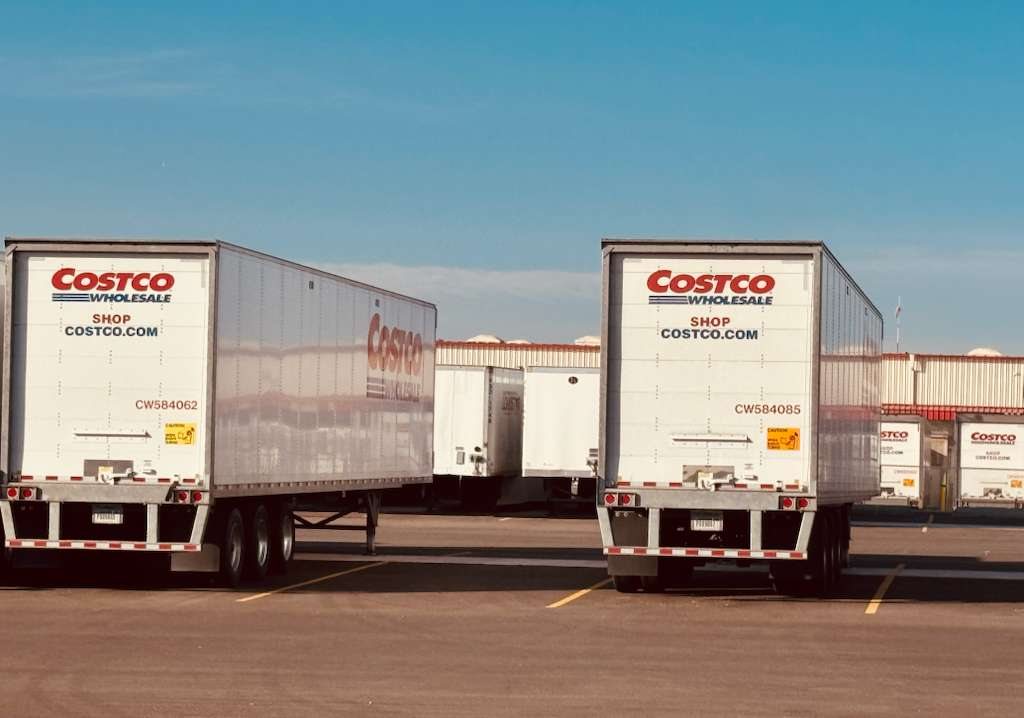
KryoFridge Trailers, Earning Their Keep Across North Texas
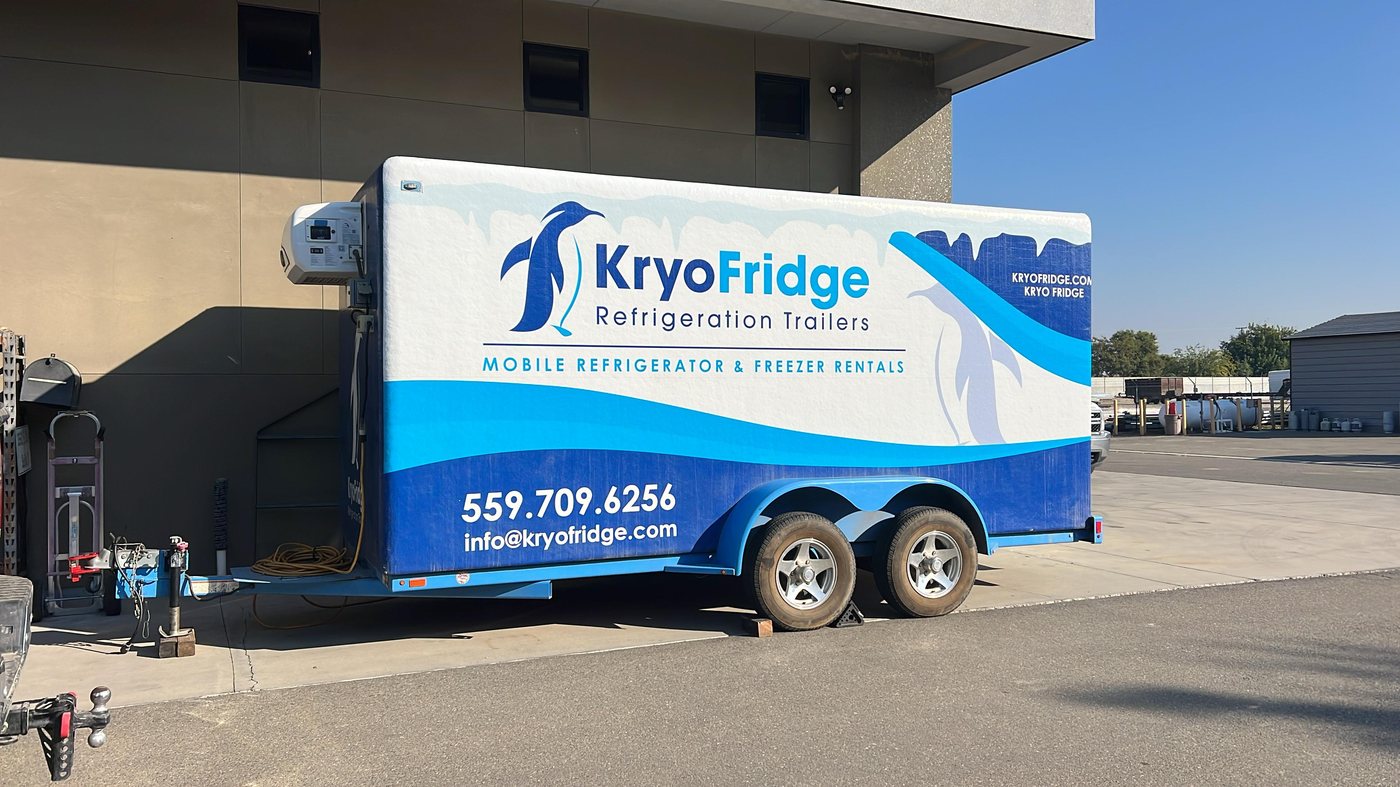
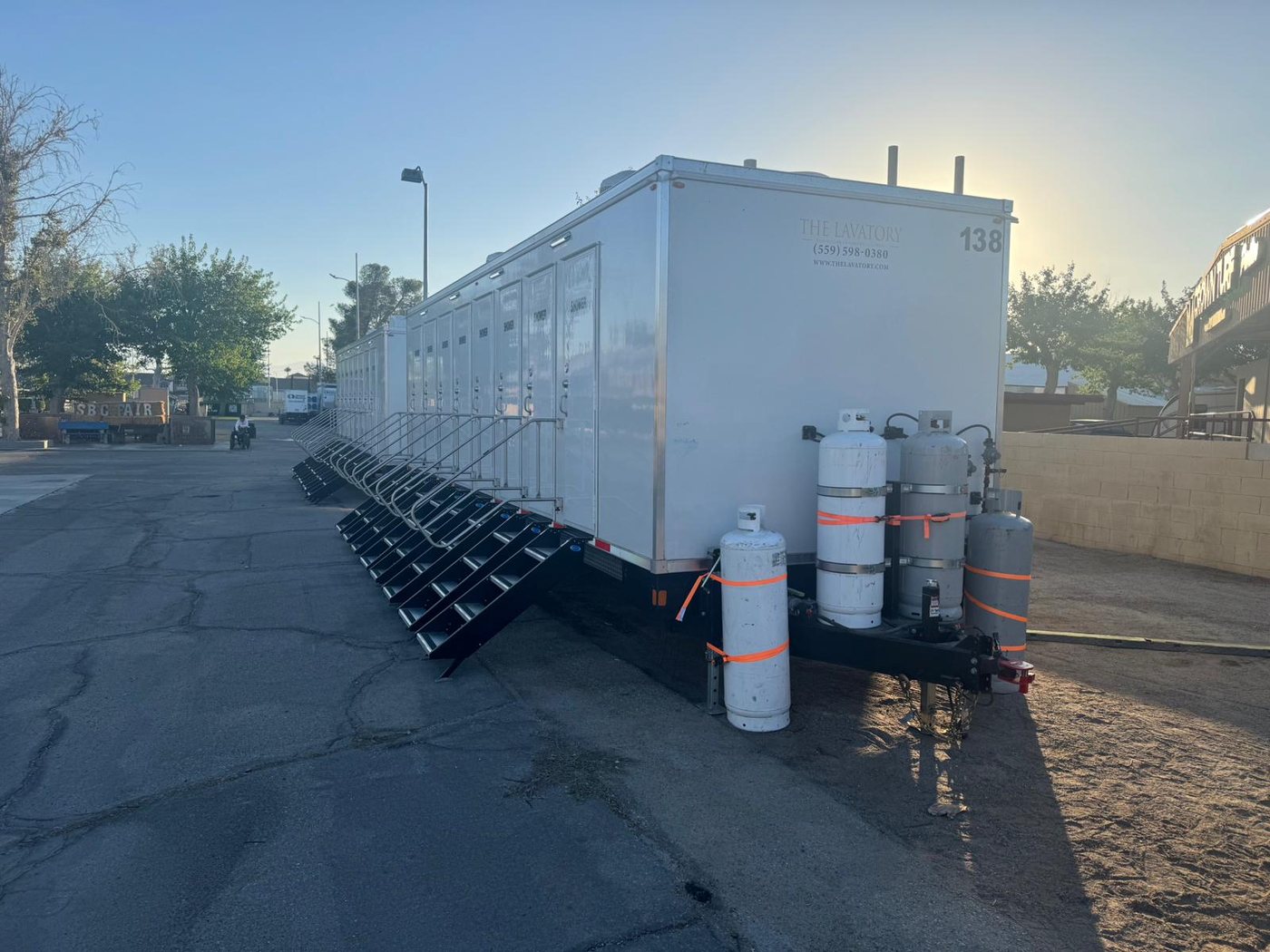
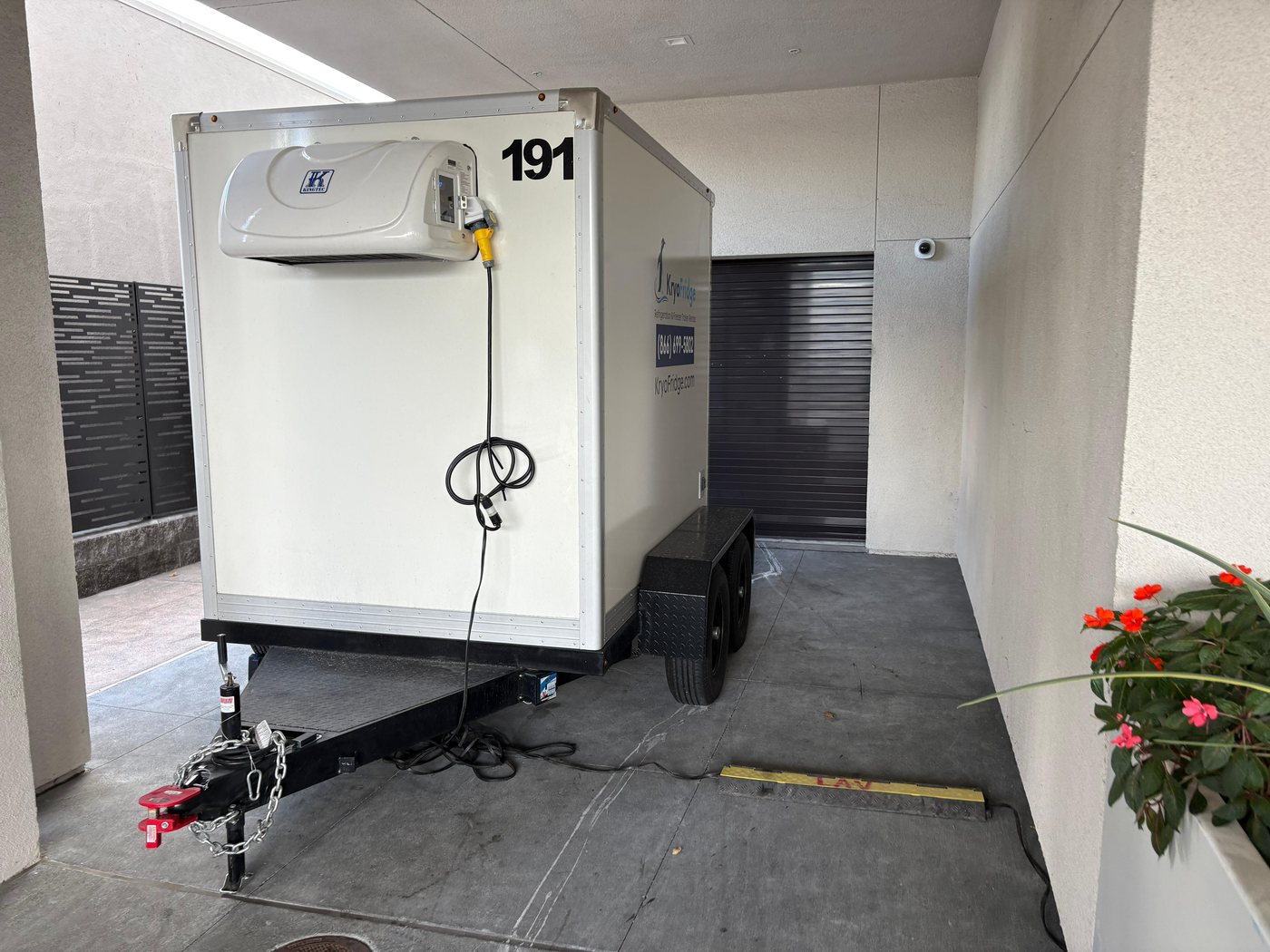
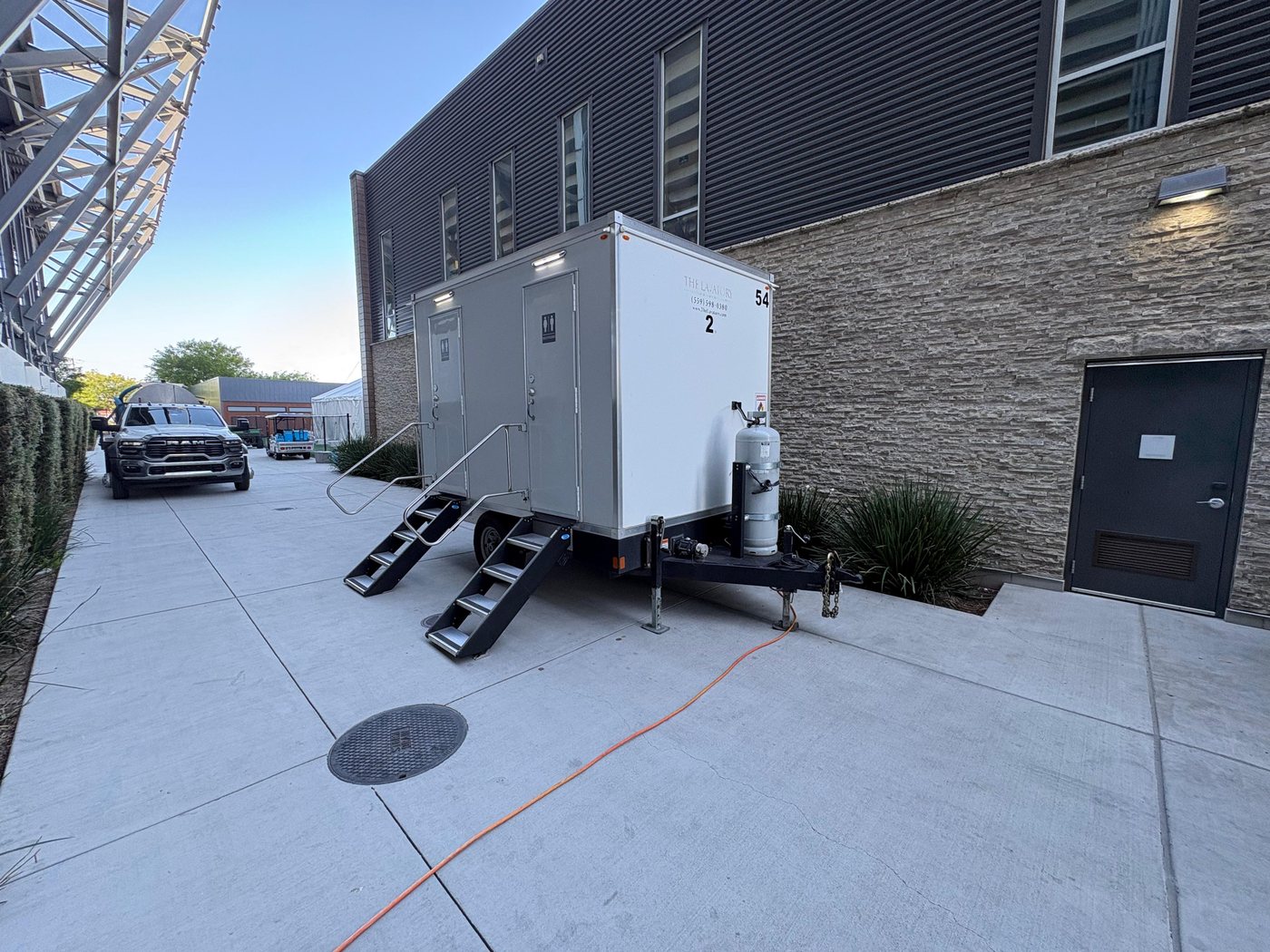
Real units on real jobs — restaurant lots, distribution docks, retail back-of-house, multi-trailer stagings, and the after-hours emergencies that don’t make the schedule.
Powering the Logistics Capital of the Southwest
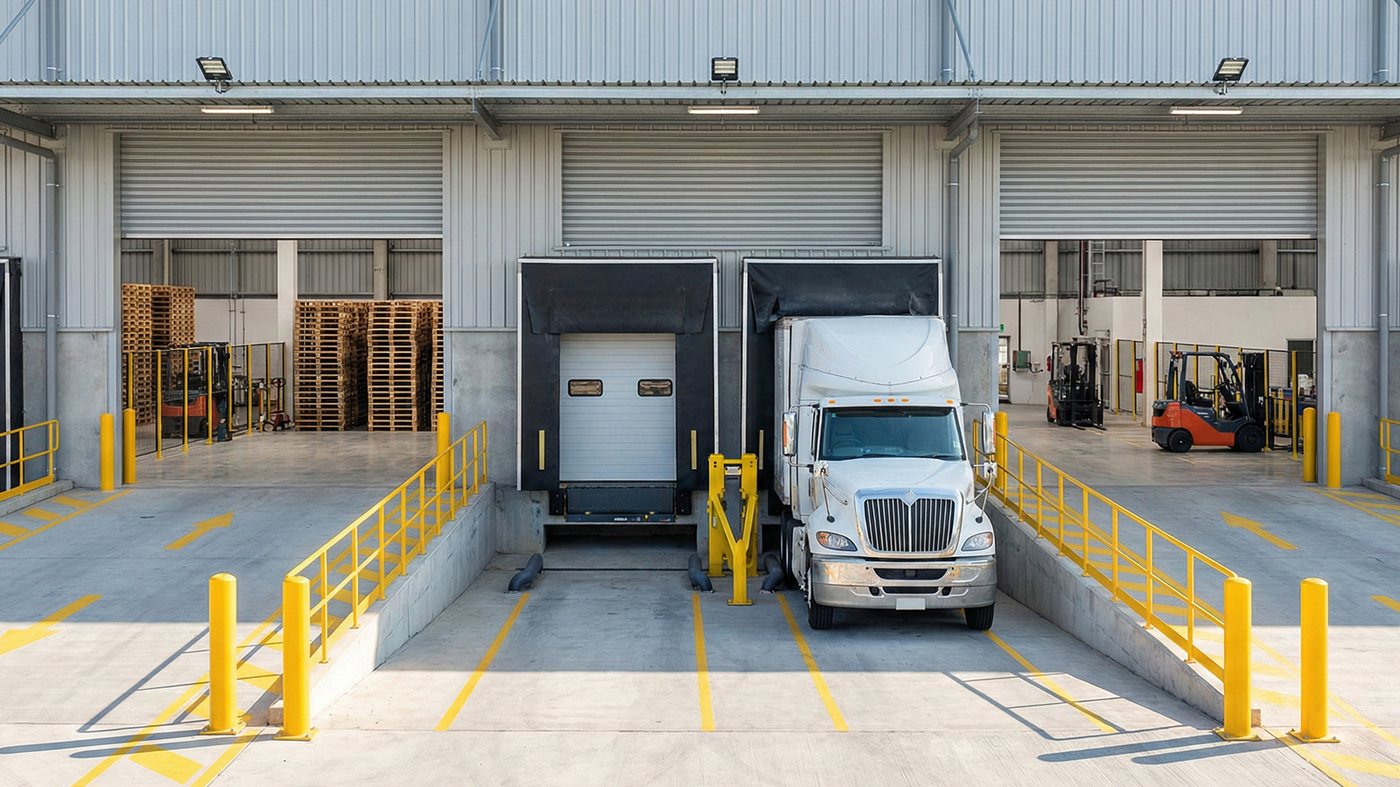
If freight has to stay cold and keep moving, DFW is where a huge share of it passes through. AllianceTexas — Ross Perot Jr.’s 27,000-acre inland-port development north of Fort Worth — is home to more than 600 companies and over 73,000 jobs, with FedEx Ground, two UPS sort hubs, FedEx Express, and an Amazon Air regional hub stacked along its rail, road, and runway connections. Perot Field Fort Worth Alliance Airport grew into one of the country’s twenty largest cargo airports by landed weight, and DFW International handles north of 60 percent of all air cargo in Texas.
For a 3PL or distribution house, parking a freezer trailer at the dock is cheap insurance against an expensive afternoon. When a freezer bay quits, you slide the frozen pallets into a 6×16 right away instead of bleeding cash on last-minute over-the-road reefer space. When volume spikes for a season, you tack on temporary cold capacity without committing to a permanent buildout. And when a recall or an outage lands, a row of pre-staged trailers keeps the product on-temperature while the underlying fix gets sorted.
The same exposure runs through corporate dining and grocery on a different scale. Legacy West in Plano alone packs more than 20,000 employees and a 55,000-square-foot food hall into one walkable node, with Toyota, JPMorgan Chase, and Liberty Mutual campuses feeding crowds daily. Meanwhile, H-E-B’s aggressive North Texas expansion keeps adding stores, each one a cold chain that can’t blink. Owning the fleet outright means we match the unit to the actual job — a tidy single box for one kitchen, a coordinated multi-trailer setup for a distribution building — and we do it on the schedule you’re working against, not ours.
North Texas Heat and the Quiet Math of a Failed Walk-In
Summer is when cold-storage calls cluster (June through October, like clockwork), and the reason is sitting right outside. DFW afternoons routinely push into the mid-90s, the index climbs past 100, and triple-digit days stack up fast — the summer of 2023 logged 47 of them, with the thermometer topping out at 110°F. The all-time mark, 113°F, still stands from the brutal heat wave of 1980. Add Gulf humidity that keeps some overnight lows from ever dipping below 80, and every cooler and freezer in the Metroplex spends months working overtime.
So the heat hits refrigeration from two directions at the same time. It piles extra load onto gear that was coping fine back in March — a tired walk-in compressor finally gives out in July for the simple reason that it hasn’t caught a break in weeks — and it compresses the time you have to respond, because at 105° ambient, product starts marching toward unsafe territory within a couple of hours of a unit quitting.
We build our trailers around that hardest-day scenario instead of a comfortable average. Each reefer carries enough surplus capacity to keep dumping heat even when the lot reads 105°, so a 6×16 set down in Mesquite in August holds its deep-freeze just as it would on a January morning. Whether you’re planning ahead of the season or reacting in the middle of it, that engineered cushion is the whole reason the unit holds.
When the Texas Grid Goes Dark — Disaster-Ready Cold Storage
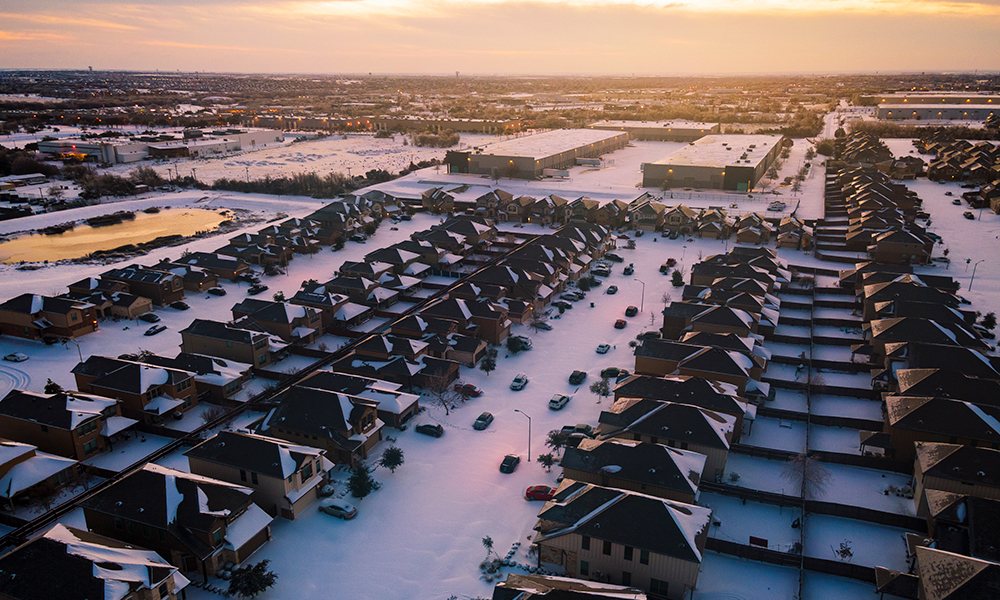
Texans learned the hard lesson in February 2021, and it’s the reason resilience now sits at the top of the conversation. Winter Storm Uri knocked out power to more than 4.5 million Texans — some for as long as four days — as ERCOT ordered the largest manually controlled blackout in U.S. history and the grid came within four minutes and 37 seconds of an uncontrolled, weeks-long collapse. DFW endured single-digit lows, water systems failed, and refrigeration across homes and businesses went dark all at once. Damage estimates ran from 80 to 130 billion dollars.
Uri isn’t the metro’s only act of weather. North Texas sits in serious tornado and hail country — the October 2019 EF-3 that tore through North Dallas and Richardson did roughly 1.55 billion dollars in damage on its own — and ice storms still glaze the region most winters. Any of it can pull the plug on the cold chain without notice.
This is exactly the scenario a generator-fed trailer was made for. A single restaurant or market uses it to ride out the blackout with its freezer load untouched. A county emergency office, a recall team, or a relief operation lines several of them up and suddenly has a rolling cold-chain that doesn’t care whether ERCOT is up — keeping vaccines, food, and supplies on-temperature for shelters and field crews while the wired infrastructure sits dead. Owning our fleet and running an around-the-clock board lets us react in a hurry and right-size the deployment, whether that’s one box for a corner store or a staged convoy for a coordinated North Texas response. When the failure is the grid itself, the only cold storage that helps is the kind that doesn’t depend on it.
Sizing the Right Trailer for Your DFW Operation
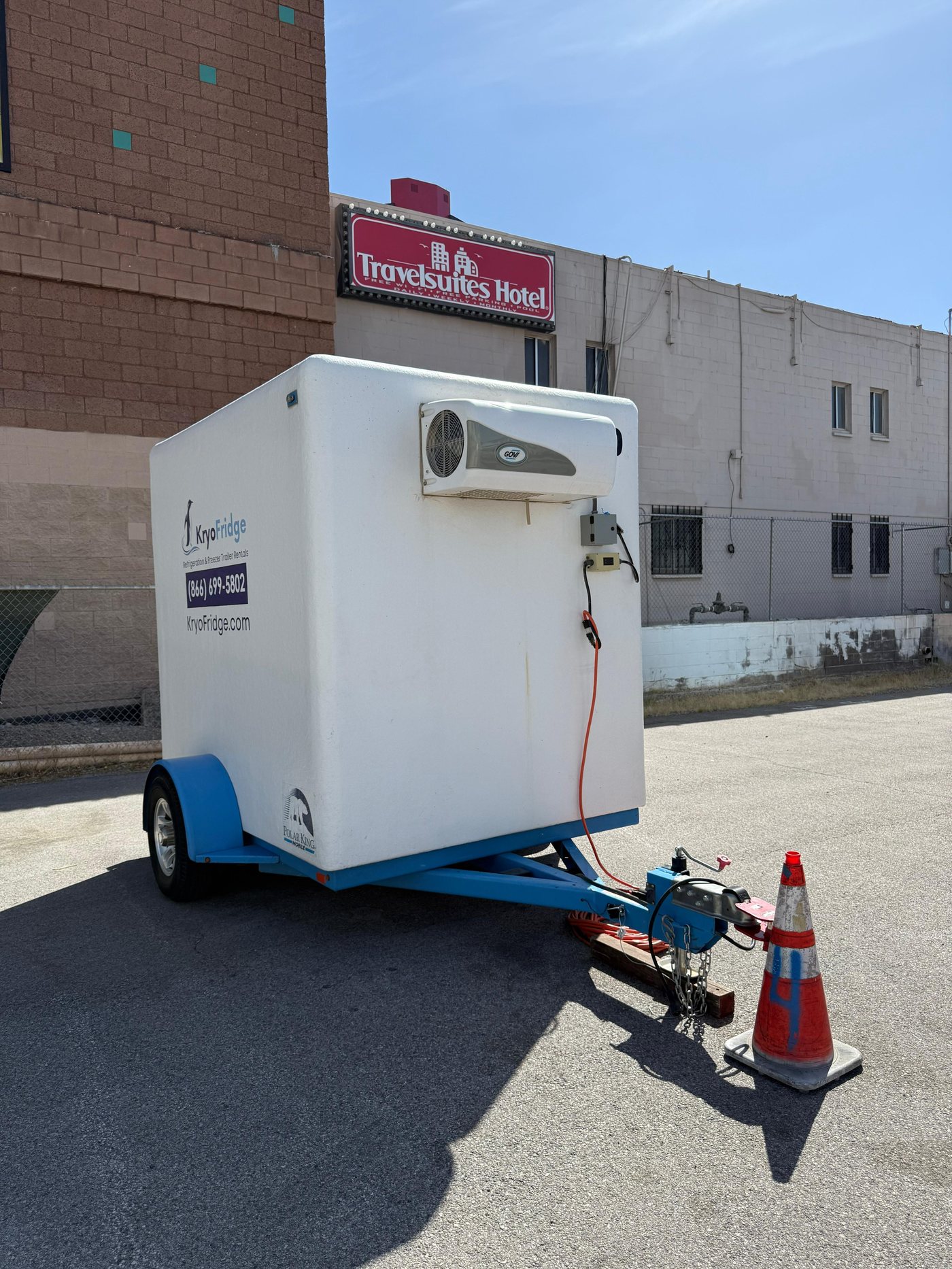
Three footprints cover the full range, from a single-kitchen overflow to a stadium-scale or disaster-relief staging. Every unit is one adjustable box — flip it from deep-freeze to fresh-cold on a digital set-point — running off a dedicated circuit or a generator.
| Trailer | Best suited for | Temp range |
|---|---|---|
| 6×8 | Cramped downtown pads, one-kitchen fixes, brief overflow | -10°F to 50°F |
| 6×12 | Markets, catering teams, mid-scale functions | Deep-freeze capable |
| 6×16 | Warehouses, stadium-scale crowds, outage relief lines | Heavy-duty reefer |
Every footprint dials to a digital target temperature and draws from either a 120V/20A dedicated line or a supplied generator.
6×8 — the compact unit that fits where space is tight
This is the box for a single kitchen, a corner market, or any spot where a bigger trailer simply won’t maneuver — think the older storefronts in Deep Ellum, Bishop Arts, or the Fort Worth Cultural District where the back lot is measured in feet. It takes on the order of eight pallets, handles the bulk of single-cooler emergencies and brief overflow, and squeezes into corners the bigger boxes can’t (a genuine edge on those cramped older lots). If you’ve got one failed cooler and limited room, this is usually the call.
6×12 — the mid-size workhorse most DFW customers book
Holding roughly 14 pallets and fully rated for deep-freeze, the 6×12 is the unit we dispatch most often. It’s the sweet spot for a grocery backup during a reset, a multi-day catered function in Plano or Frisco, or a restaurant that needs genuine walk-in-equivalent capacity while it remodels. Roomy enough that the kitchen isn’t rationing shelf space, compact enough to drop into most commercial back lots without a fuss.
6×16 — the heavy hitter for distribution, events, and disaster
Good for about 20 pallets and matched to a heavy-duty reefer system engineered to hold deep-freeze through punishing ambient heat. This is the trailer for staging frozen pallets when a warehouse zone drops along I-35W or I-20, anchoring concessions at a stadium or the State Fair, or forming the backbone of a relief operation. The wide docks and yards at AllianceTexas and the metro’s industrial parks swallow a 6×16 with room left over.
Caught between two sizes? Give us a rough idea of the product and the timeline, and we’ll spec the fit — talking a Fort Worth caterer into more trailer than the gig calls for earns us nothing but a callback we don’t want.
Set-Point Guide — What Goes In, and How Cold to Run It
Cold storage isn’t a single temperature, and that’s exactly why a digital set-point matters. Each category of product keeps safely inside its own range, and under North Texas heat, drifting out of that range is precisely how a load ends up in the dumpster. The table below is the reference Dallas and Fort Worth kitchens and event teams lean on when they spec a unit with us.
| What you’re storing | Safe holding band | Trailer mode |
|---|---|---|
| Ice cream & frozen desserts | -10°F to 0°F | Deep freeze |
| Frozen proteins, brisket, seafood | 0°F or below | Freezer |
| Fresh meat & poultry (short hold) | 28°F to 32°F | Refrigerated |
| Dairy, deli, cut produce | 34°F to 38°F | Refrigerated |
| Beverages, kegs, catering platters | 38°F to 45°F | Refrigerated |
The number that rules the whole table isn’t printed on it — it’s 41°F. The Texas Food Establishment Rules draw the cold-hold line right there, and the 41-to-135°F band above it is what regulators label unsafe: bacteria on perishables ramp up quickly inside it, and most refrigerated food is written off once it has logged about four total hours in that range. That is the arithmetic that turns a dead walk-in on a 100-degree Dallas afternoon into a genuine emergency, and it’s why our reefers are built to reach and hold a target in real Texas conditions rather than coast through a gentle test bay.
When you call, tell us the coldest thing on the manifest and we’ll set the trailer for it. One unit handles a straight freezer load on its own. But if you’re mixing deep-freeze and fresh-cold for an event or a remodel, we’ll usually steer you toward a split plan or a second box so nothing has to compromise on temperature.
Power and Placement on a DFW Site
A KryoFridge unit will take its power from exactly one of two sources, and sorting out which applies to your site is a thirty-second conversation we’d rather have early. Option one is a dedicated 120-volt, 20-amp circuit reachable within about 100 feet of the parking spot. Option two is a generator, which we provide. The one thing these trailers will not accept is standard 208–240V building service — so we lock the answer down before delivery day instead of stumbling onto it when the truck pulls up.
- Dedicated outlet on hand? Most DFW restaurants, markets, and warehouses already have one — we plug in and the unit starts pulling down to set-point.
- Open field or raw jobsite? A generator runs the trailer anywhere — a Fair Park vendor row, a graded pad at an AllianceTexas industrial yard, a parking lot with no outlet in sight.
- Worried about another grid event? After Uri, a lot of operators want a unit that doesn’t depend on the wall at all. A generator-backed trailer keeps the cold chain alive when ERCOT can’t.
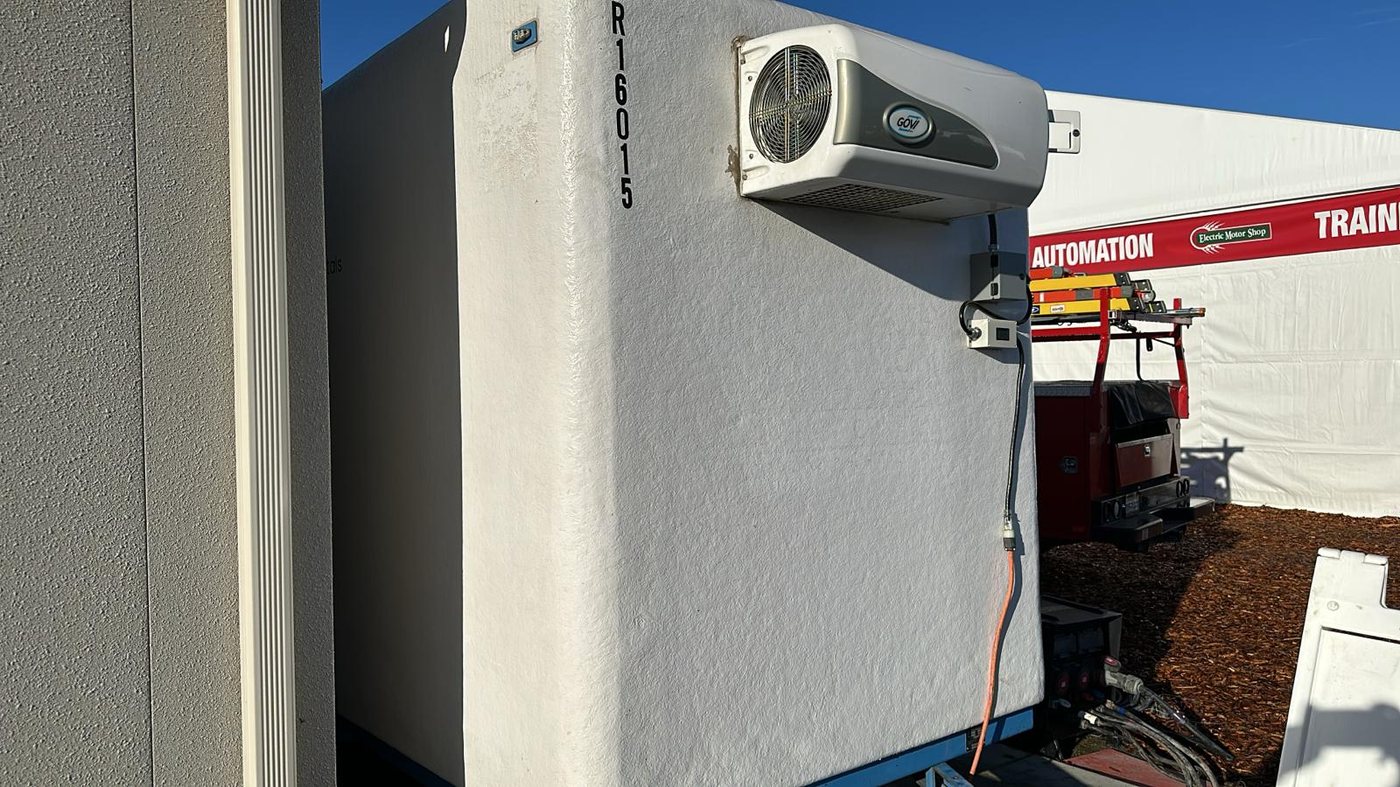
As for where it sits: the spot needs to be fairly level with room for the hauler to back in, set the unit down, and line it up, plus either a power source nearby or space to stage the generator. We nail the precise drop location down before the truck rolls out — and our drivers have run this metro long enough to know it cold, from the pinched downtown pads off Main Street to the sprawling yards past the LBJ loop.
Cold Storage for the Biggest Stage in Texas — Events, Stadiums & Fairs
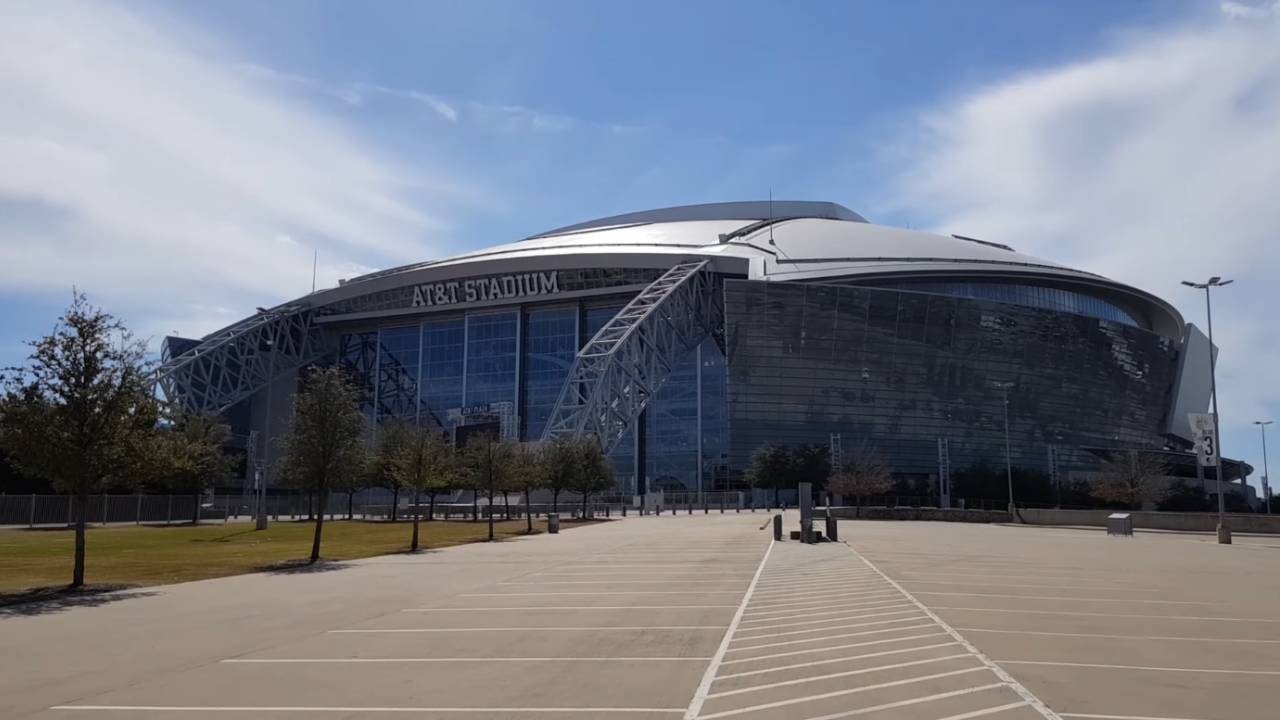
No metro in the country throws events at DFW’s scale, and cold storage is the piece everyone forgets until the afternoon heat sets in. AT&T Stadium in Arlington — the Cowboys’ house, and host to nine matches of the 2026 FIFA World Cup, including a semifinal — feeds crowds near 94,000. A few miles away, Globe Life Field packs in the Rangers under the largest single-panel operable roof on earth, and the American Airlines Center in Victory Park runs back-to-back Mavericks and Stars dates downtown.
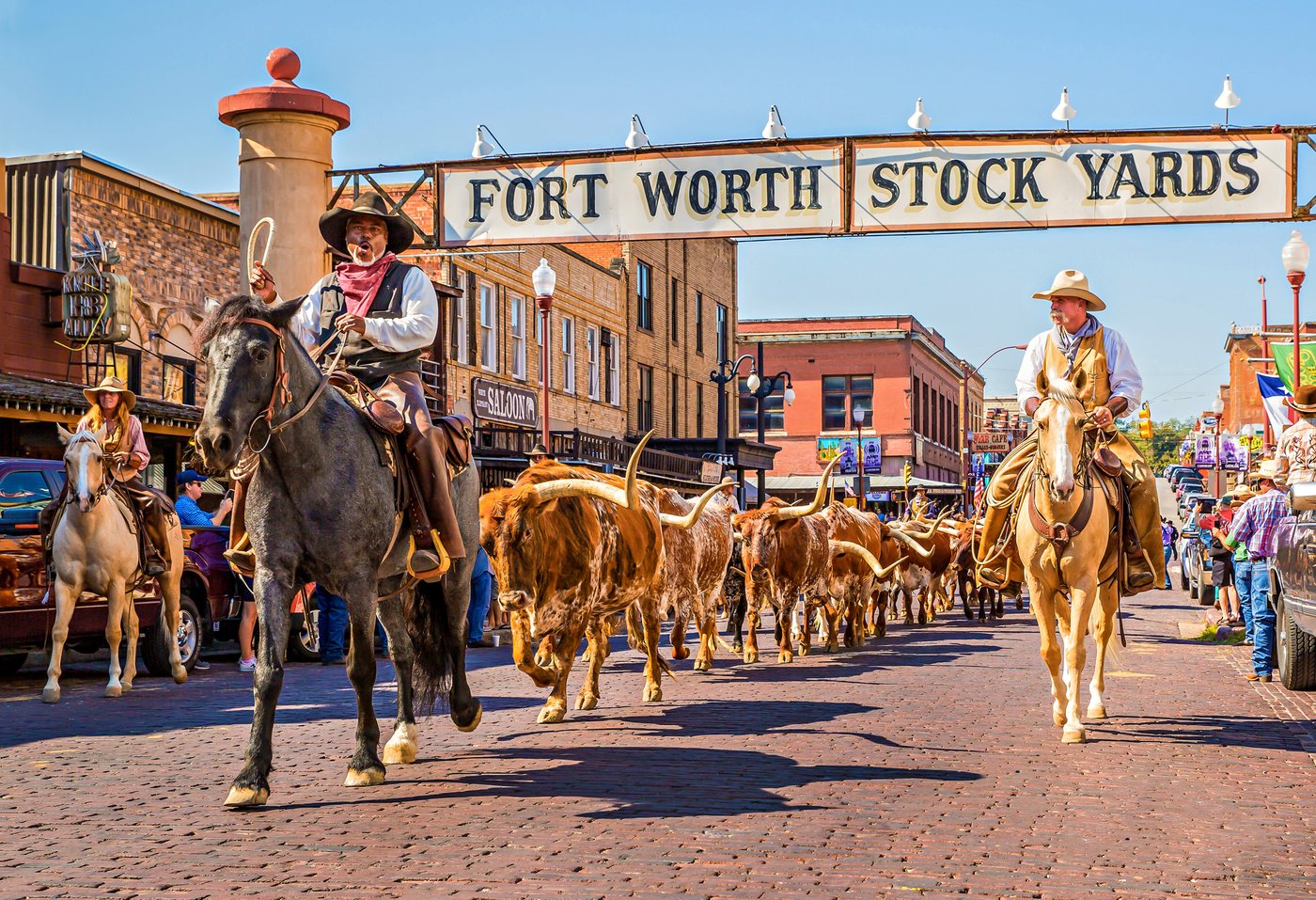
Then there’s the fair-and-rodeo calendar that defines the region. The State Fair of Texas draws more than two million visitors across a 24-day run at Fair Park each fall, where Fletcher’s alone moves over half a million corny dogs — hundreds of food vendors holding perishables through early-fall heat. Fort Worth answers with the Stock Show & Rodeo, a 23-day, 1.26-million-attendee institution running since 1896, plus Billy Bob’s, Dickies Arena, and the world’s only twice-daily cattle drive through the Stockyards.
Roll a KryoFridge trailer onto the grounds and a planning team gains the cold capacity of a full walk-in on site, juggling frozen novelties, cut produce, and chilled drinks at one held temperature through the worst of a triple-digit afternoon. The unit runs quiet enough to park near a guest zone, locks up tight for the overnight stretch of a multi-day booking (picture the State Fair’s 24-day marathon), and carries enough room that the catering line never has to play Tetris with shelf space. Want the rest of the site handled in the same call? Add water station rentals in DFW to keep crews and guests hydrated and restroom trailer rentals in DFW for guest comfort. (cross-brand links — auto-wired into the wheel on publish)
Permits & Temporary Food Facilities for Dallas and Tarrant County Events
Once you’re serving food at a public event around the Metroplex, the cold chain stops being purely an operations matter and becomes a permitting one too. Sorting out the Dallas County and Tarrant County requirements in advance is what keeps an inspector from red-tagging your booth mid-event.
A vendor selling or handing out food at a short-term public event in Dallas generally needs a Temporary Food Service Permit from Dallas County Health and Human Services, and if you’re rolling on a self-contained rig, that’s a Mobile Food Unit permit — neither of which excuses you from the host city’s zoning and parking rules. Over in Tarrant County, a Temporary Food Establishment Permit covers operation under reduced requirements for no more than 14 consecutive days, and a county permit there still isn’t a green light to operate inside any specific city without checking that jurisdiction too. Across both, the Texas Food Establishment Rules draw the bright line: cold food held at 41°F or below, hot food at 135°F or above, with proper handwashing and no bare-hand contact with ready-to-eat items.
One change worth flagging now: under Texas House Bill 2844, beginning July 1, 2026, mobile food operators may need a permit issued through the state’s Department of State Health Services, and local permits granted before that date stop being valid for operation on or after it. Worth confirming with your jurisdiction as you plan.
This is the slot the trailer fills. To clear a permit, a food operation has to prove it can keep chilled and frozen stock at a safe, on-the-record temperature for as long as the event runs — and the Texas Food Establishment Rules put that cold-hold line at 41°F. An NSF-approved unit on a digital target is the piece that carries product through a baking North Texas afternoon at that standard, the same caliber of gear an inspector wants standing behind a real operation. We hand you the food-safe box that holds the temperature. The permit paperwork itself runs between you and the county, and we’ll gladly have the unit’s specs in hand whenever you file.
Everything Else Worth Knowing About Renting Cold Storage in DFW
The questions that surface once the basics are settled. Tap any topic to open it.
Freezer trailer vs. portable walk-in vs. reefer truck — which fits?
Different problems call for different gear, so weigh all three honestly. The portable walk-in cooler wins on footprint and budget, but a cooler is not a freezer, and it relies on your building staying powered and the room staying mild. Hand one an undersized rating against a Mesquite August and it struggles to reach deep-freeze at all — and the day a transformer pops on your block, it goes down right alongside everything else on that meter.
The reefer truck exists to keep product cold while it rolls down I-20, not to park and babysit a load for a week. Leave it idling and it drinks fuel, drones loud beside a storefront or a Legacy West function, and pins down a tractor plus a driver you’d rather deploy elsewhere. As a 48-hour bridge it works; as stationary storage for a remodel it gets clumsy and expensive fast.
The freezer trailer we rent is the tool actually designed for the job in front of most DFW operators: drop it, plug it in, and let it hold a precise temperature for days or weeks running. It’s deep-freeze rated, NSF-approved, quiet, lockable, and content with a single dedicated circuit or a generator. You get more usable capacity than a walk-in, none of the truck’s idling and labor drag, and a system built to keep its number in the exact summer heat that defeats the other two options.
Food-safe construction & Texas health-code compliance
Temporary cold storage still has to satisfy the county — Dallas County Health and Human Services or Tarrant County Public Health, depending on where you set up — and an inspector who finds a unit that can’t document a holding temperature, or that isn’t built for food contact, can stop your service cold.
Each trailer in our fleet carries NSF approval, with wipe-clean food-grade interior surfaces, drainage that’s built in rather than bolted on, and a digital readout that shows the current set-point at a glance. Here’s the candid part most rental outfits skip: we hand you the food-safe box that holds temperature, but we don’t resell third-party temperature-logging or high-temp alarm monitoring. If your compliance program demands a continuous logged record, line that service up separately.
What a cold-storage failure actually costs
Run the numbers the way a DFW operator does. A single restaurant walk-in can hold thousands of dollars of frozen and refrigerated inventory, and a grocery case bank or a warehouse freezer zone holds far more. Lose power or a compressor on a 105° afternoon and that stock is at risk within hours — on top of the revenue from a shuttered line and the labor scramble to rescue whatever you can.
Set a staged freezer trailer against that exposure and it reads as cheap insurance: a fixed, predictable line item guarding a loss with no ceiling. That’s the reason the DFW operators who’ve eaten one of these hits tape our number by the prep line — the next time around, they’re dialing before the brisket ever crosses room temperature.
Seasonal demand across the Metroplex — book ahead when you can
Demand here is seasonal even when each individual emergency isn’t. Summer heat drives equipment failures from June clear into October. The holidays drive grocery and restaurant overflow. The fall fair-and-football stretch and the winter rodeo each pull vendor cold storage, and any grid or ice event spikes outage calls. For planned needs — a remodel, a known event, a seasonal inventory build — booking early locks in the size you want. For everything unplanned, our 24/7 staging is the backstop.
Multi-trailer setups for large operations
A lone trailer handles the typical kitchen or market just fine. Bigger jobs — an Alliance distribution hub, a World Cup-scale match day, a county-wide outage response — usually call for more, and since the fleet is ours outright, we can group several units and bring them online in waves as the operation expands. That three-trailer Denny’s Mother’s Day save is the same idea at small scale: grow the cold capacity to meet the operation rather than making the operation make do with one cramped box.
Short-term emergency vs. long-term contract storage
A rental can be as brief as a couple of days covering an emergency or a single State Fair weekend, stretch into the weeks or months a remodel or a seasonal build demands, or settle into a standing contract for operations that want a unit parked and ready year-round. Give us the timeframe and the quote comes back clean. We don’t penalize an honest “not sure how long yet,” and there’s no reseller margin buried somewhere inside the number.
Renting vs. building permanent cold storage
Building a permanent walk-in is a capital job all its own: a refrigeration contractor, an electrician, a city permit, and weeks on the calendar before it chills its first pallet — and it only earns that investment back when the need is fixed and ongoing. Plenty of DFW demand isn’t shaped like that. A July overflow, a gap during a remodel, a seasonal push, a single event, or a dead unit stuck waiting on a part are every one of them temporary situations, and pouring a slab to answer a temporary situation is the slow and costly way around it.
Renting turns that calculation on its head. You bring on precisely the cold space the situation calls for, kept only for the stretch you actually need it, skipping the construction crew and the permit queue entirely — the trailer arrives and is holding temperature inside the week, frequently inside the day, and the obligation ends the moment the need does.
How a trailer holds deep-freeze when it’s 100°+ outside
Three pieces carry the load. Start with the shell: thick insulated panels and tight gasketed doors that wall the North Texas sun out and trap the cold in, so the box isn’t shedding degrees through its skin all afternoon. Add a self-contained reefer condenser carrying real capacity in reserve, enough to keep pulling heat out the door at 105° ambient instead of redlining the way a too-small cooler does by mid-July. Finally, an onboard digital controller — you dial in a target temperature, and it runs the compressor in cycles to defend that line without you babysitting it.
The upshot is that a unit parked on bare asphalt outside an Arlington venue performs no differently than one tucked inside a conditioned Alliance distribution building, because every component is rated for the worst day on the calendar rather than the average one. That margin only holds on steady power, which is precisely why the hookup question lands at the top of the conversation, not the bottom.
How a DFW Freezer Trailer Rental Comes Together
When a cooler quits mid-shift, the last thing you need is a confusing rental process. We’ve trimmed ours to four plain steps, with the same accountable contact answering from the first call through pickup.
1 · Tell us the load
Whether it’s freezer or fridge product, a ballpark on volume, and how many days you’ll need it — that’s all it takes for us to point you at the right footprint.
2 · We confirm size, power & spot
We pair the load with a trailer, settle whether you’ve got a dedicated circuit or need a generator, and nail down exactly where it drops — so the delivery is one clean trip.
3 · We deliver and start the pull-down
Our driver brings it out on your schedule — same-day on emergencies — sets it in place, powers it up, and lets the unit drive down to your set-point.
4 · You run it; we’re a call away
The trailer keeps its temperature for the whole term while our line stays open the entire time. Done with it? We come haul it back.
Where We Deliver Cold Storage Across Dallas–Fort Worth
Staging inside the Metroplex means a fast response across both anchor cities and everything between them — Dallas, Fort Worth, Arlington, Plano, Irving, Frisco, McKinney, Garland, Grand Prairie, Mesquite, Carrollton, Denton, and Richardson — plus the corporate, retail, and industrial corridors at Las Colinas, Legacy West, the Stadium District, and AllianceTexas.
We cover the surrounding counties too — Collin, Denton, Rockwall, and the Fort Worth-side communities out through Parker and Johnson. If you’re anywhere along I-35E, I-35W, I-30, I-20, the LBJ loop, or the tollways, we can reach you — usually same-week for planned jobs, and within about 45 minutes when it’s an emergency.
What DFW Kitchens, Grocers & Event Teams Tell Us
“Our walk-in died in the middle of a Friday rush off Greenville. KryoFridge had a freezer trailer in our lot and pulling temp inside a couple hours — saved the entire weekend’s product. They picked up the phone, which is more than I can say for the first two places I called.”
Restaurant owner · Dallas, TX“Booked a 6×16 for a three-day event near the Stadium District. Clean unit, held temperature in August heat, crew on time and easy to deal with. We’ll be calling them for the next one.”
Event coordinator · Arlington, TX“We run a distribution operation off I-35W and lost a freezer zone overnight. They staged two reefer trailers the same day and kept every pallet in spec. Exactly the response a cold-chain operation needs.”
Operations manager · Fort Worth, TX“Straight pricing, no broker runaround, and an actual person answered after hours when our grocery case bank went down. That’s genuinely hard to find in this business.”
Grocery manager · Plano, TXPlaceholder testimonials matched to real DFW scenarios — swapped for verified Google reviews before publish.
Dallas–Fort Worth Freezer & Refrigeration Trailer Rental FAQ
How fast can you get a freezer trailer to my DFW site?
Planned rentals usually go out the same week you book. For an emergency — a dead walk-in or a power event — our 24/7 dispatch works from a Metroplex yard and routinely has a unit on your lot and pulling temperature in roughly 45 minutes across most of Dallas–Fort Worth.
What temperature range do the trailers hold?
Each trailer is one adjustable box running from deep-freeze near -10°F up to fresh-cold 50°F on a digital set-point, and it’s sized to hold that number through a triple-digit North Texas afternoon, not just a mild test room.
What does it take to power one on my site?
It comes down to a choice between two hookups: either a dedicated 120-volt, 20-amp circuit sitting within roughly 100 feet of the parked trailer, or a generator we bring along. These boxes aren’t wired for 208–240V building service, so we pin that detail down with you ahead of the delivery rather than after.
Is the equipment NSF-approved, licensed, and insured?
On all three counts, yes. Every unit carries NSF approval for food storage, and the rental itself comes fully licensed and insured — the kind of equipment a Dallas County or Tarrant County health inspector wants to see standing behind a permitted booth or kitchen, not something improvised.
How long can I keep the trailer?
As long as the job runs — a few days for an emergency or event, weeks or months for a remodel or seasonal overflow, and longer on a contract basis. We’ll quote the term that actually fits.
Which cities and counties do you cover?
Dallas, Fort Worth, Arlington, Plano, Irving, Frisco, McKinney, Garland, Grand Prairie, Mesquite, Carrollton, Denton, Richardson and the surrounding counties — Collin, Denton, Tarrant, Rockwall, Parker, Johnson and more. If you’re near I-35, I-30, I-20, the LBJ loop, or the tollways, we can reach you.
Am I dealing with a middleman or the company that owns the trailers?
The company that owns them. We run our own fleet — servicing it, dispatching it, and delivering it with our own crew — so there’s no reseller markup stacked on top and no handoff between the person quoting you and the person who shows up.
Need a Freezer Trailer in Dallas–Fort Worth Today?
Pull a quick, no-runaround quote — or ring our around-the-clock line for emergency cold storage anywhere from Fort Worth to the Collin County suburbs.