

Gilbert’s Go-To Source for Freezer Trailer Rentals & Mobile Cold Storage
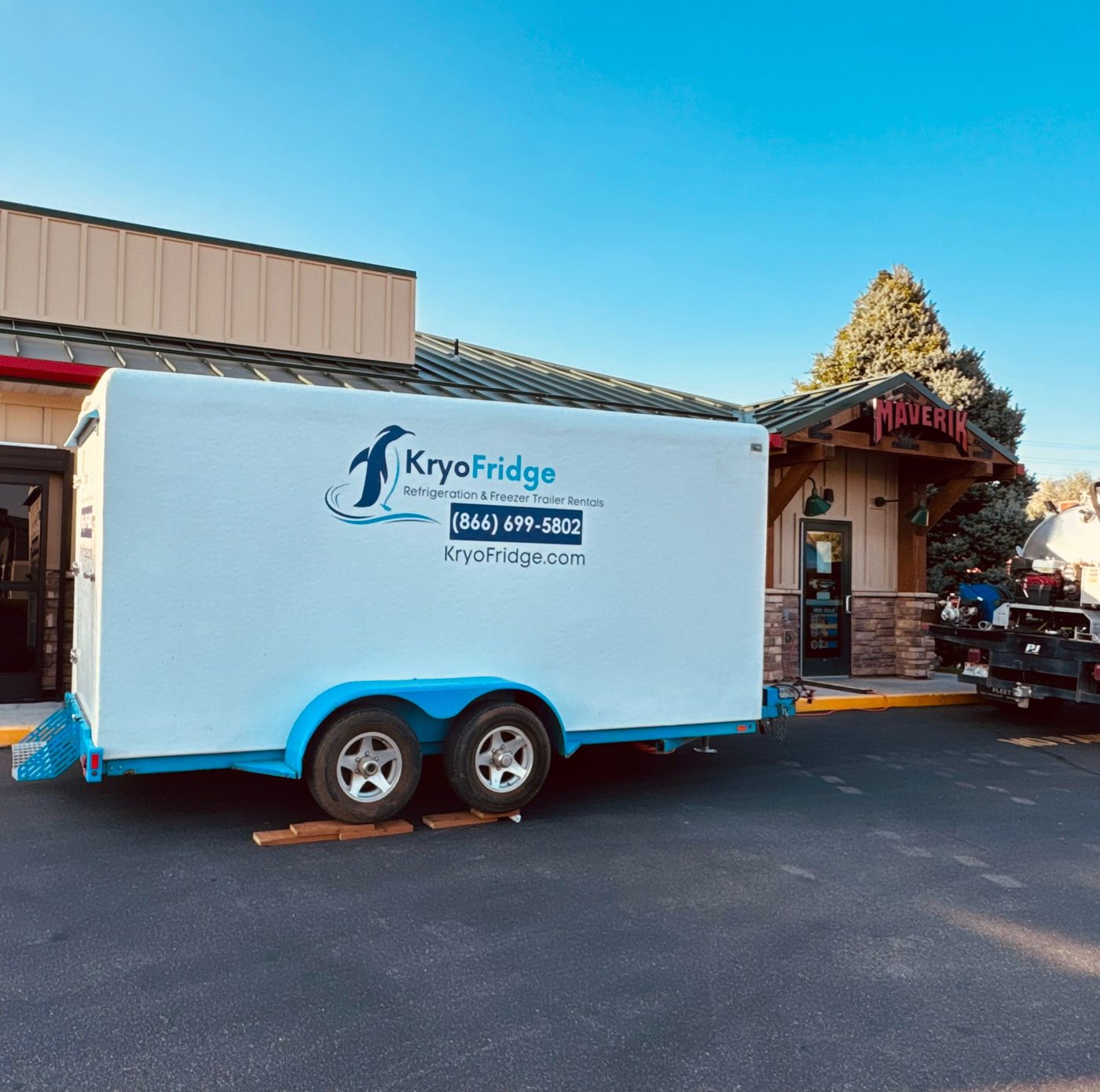
This town wore the title “Hay Shipping Capital of the World,” then reinvented itself as one of America’s fastest-growing places to eat, farm, and gather. All of it leans on cold that doesn’t quit. KryoFridge keeps NSF-approved freezer and refrigerated trailers staged in the East Valley for Heritage District kitchens, Agritopia growers, caterers, grocers, and event teams. We own the largest dual-purpose fleet in the West, we’re licensed and insured, and when a walk-in dies at 6 p.m. on a 110° Saturday, our local yard has a trailer on your lot, pulling temperature, in about 45 minutes.
Why Gilbert Kitchens, Growers & Event Teams Call KryoFridge First
Gilbert is a food town in a way that’s unusual for a suburb its size. A walkable Heritage District packed with more than thirty independent restaurants, an organic farm woven into a residential neighborhood, a Saturday farmers market that runs all year, and a population that has roughly doubled in a generation, that combination means the cold chain here is busier, and more visible, than most outsiders expect. When that cold chain breaks, somebody local has to fix it fast.
So that’s the role we play. We keep refrigerated and freezer trailers staged right here in the East Valley, so a failed walk-in behind a downtown taqueria, a harvest surge at a U-pick weekend, or a catered wedding at an Agritopia courtyard never costs a customer their product. And we keep them close on purpose, because a cold-storage emergency rewards the company that’s already nearby. Just as important: we’re the direct owner-operator, not a broker. The person who answers your call owns, services, and dispatches the trailer, no middleman marking up someone else’s equipment, no “let me check with my supplier” while your proteins climb toward the danger zone.
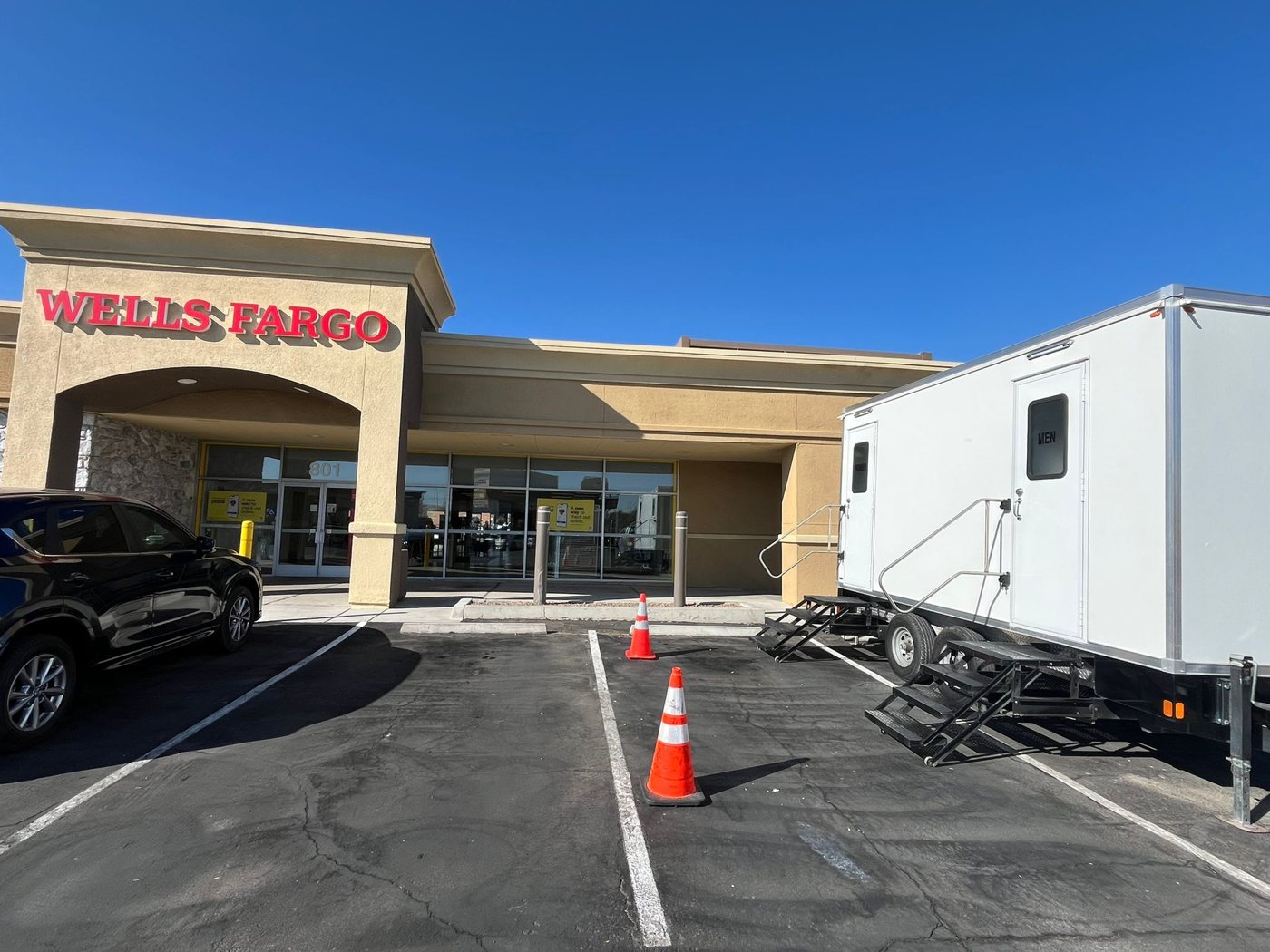
Gilbert at a Glance: Hay Capital Turned Foodie Capital
There’s no town in Maricopa County with a story quite like Gilbert’s. A railroad siding became the Hay Shipping Capital of the World, then quietly grew into one of the most prosperous and best-loved suburbs in the United States. And it did all that without losing its farm roots.
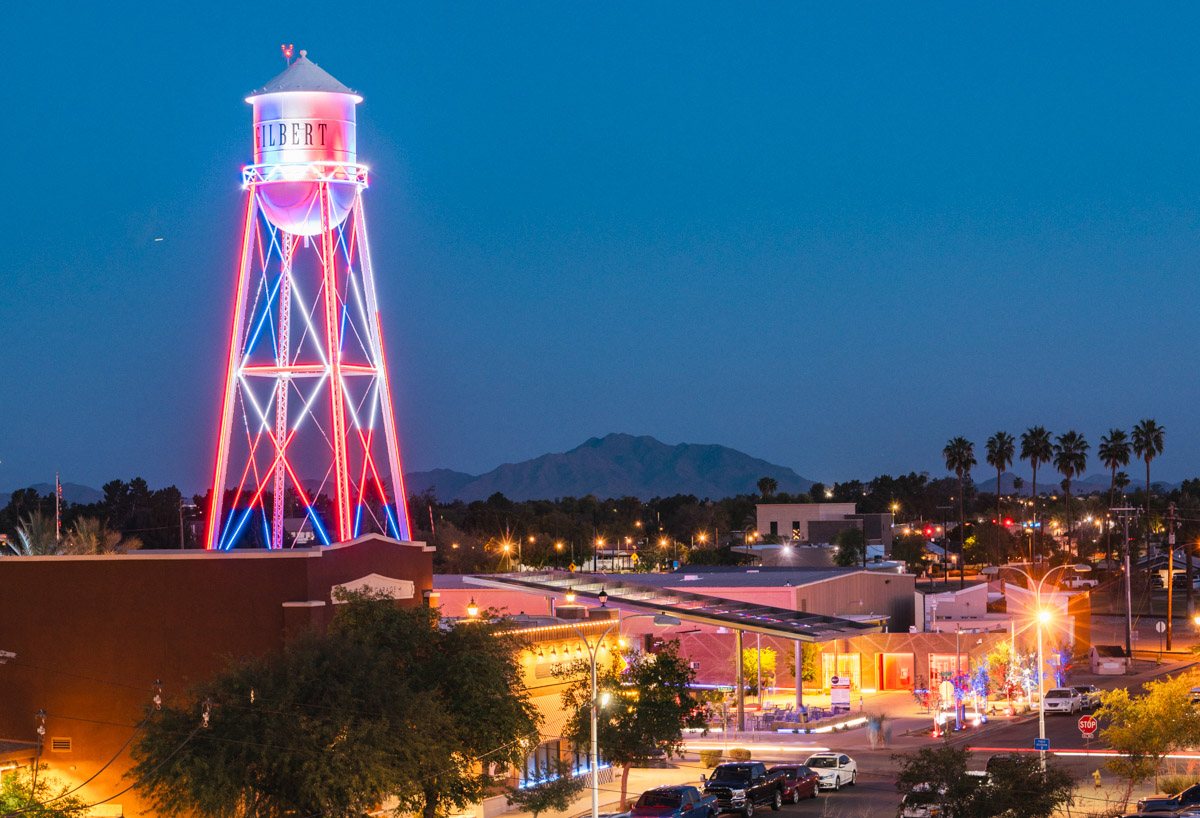
The town owes its start to William “Bobby” Gilbert, who in 1902 deeded land for a rail line between Phoenix and Florence. By the First World War, Gilbert farmers were shipping so much hay to the U.S. Army’s horses that the place earned its famous nickname. The 1927 water tower that still anchors downtown is a monument to that era, and today it lights up over restaurant patios instead of hay wagons.
The numbers since are staggering. Gilbert grew from about 5,700 residents in 1980 to more than 267,000 by the 2020 census, for a stretch in the 2000s it was the fastest-growing incorporated place in the country over 100,000. It now ranks among the safest cities in America, the median age is just thirty-three, and roughly 44% of adults hold a bachelor’s degree. That young, affluent, dining-out population is exactly the kind of market that runs hard on refrigeration.
The 1927 Gilbert Water Tower over the Heritage District. The town that once shipped hay by the boxcar now runs on a dense, walkable food economy, and every kitchen, grocer, and grower in it is a cold-storage customer.
The Cold-Storage Name the Country’s Biggest Brands Lean On
National chains don’t hand out trust on cold storage. They audit it. McDonald’s, Chick-fil-A, and Dutch Bros all run on KryoFridge units because we clear the bar they set: show up fast, hold the dial, pass the look. The receipts below are real deployments, not a logo wall.
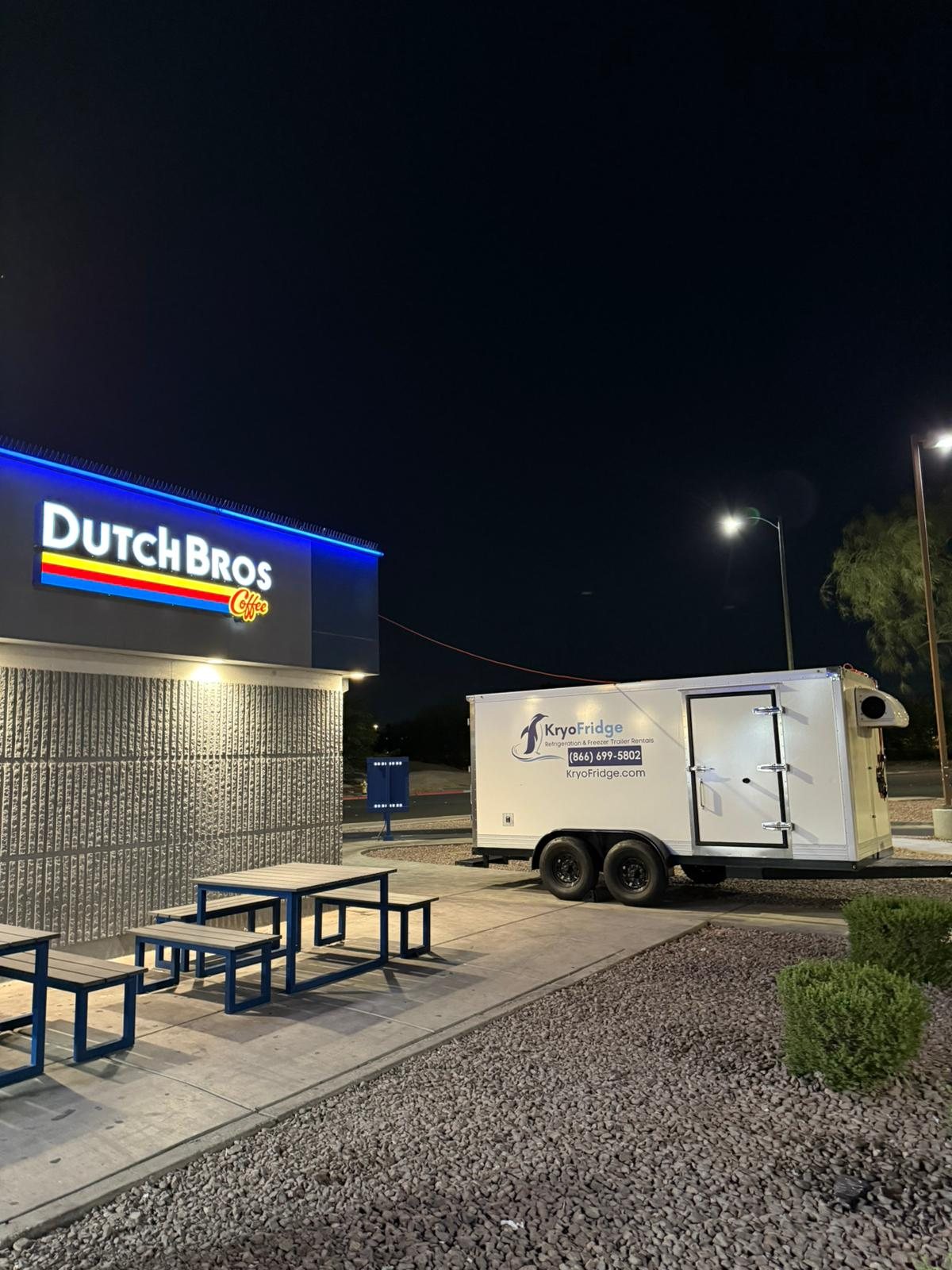
Two numbers make the point. 34 minutes: a Chick-fil-A walk-in died at 6:30 on a Friday, drive-through wrapped around the building. Phone-to-cold was 34 minutes flat, the manager had already started bagging product for the dumpster and threw out nothing. Three trailers: a Denny’s lost its walk-in to a blown fuse the night before Mother’s Day. We staged three units before the first table sat, every pie and protein held. The standard behind both is identical, and it’s the same one we bring to a Heritage District kitchen or a multi-site grocer: hit the number, hold it through a triple-digit afternoon, stay clean enough to pass inspection.
What Sends Gilbert Businesses Looking for a Freezer Trailer
Cold-storage demand in Gilbert rarely sits on a calendar, it lands as a dead compressor, a harvest that came in heavy, or an event the ice chests can’t cover. These are the calls that come in most across town, each paired with a real photo of the operation it serves.
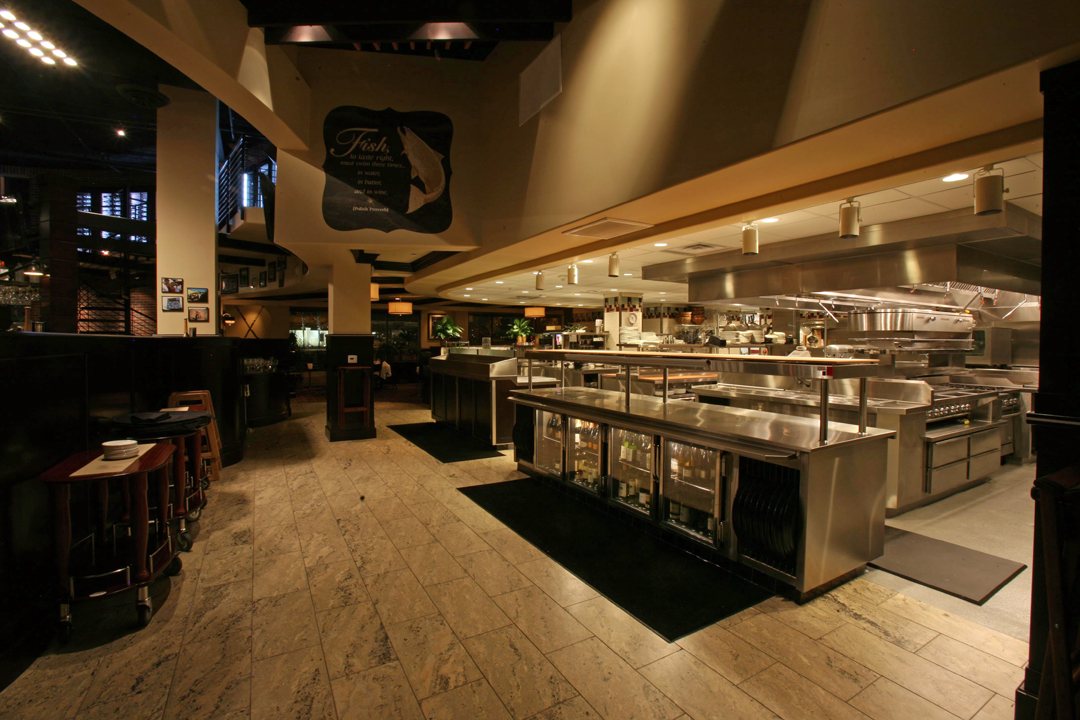
? Heritage District Kitchens
Walk-in failures, kitchen remodels, and weekend overflow for the thirty-plus independent restaurants downtown. Joe’s Real BBQ, Postino, Barrio Queen, Liberty Market and their neighbors.
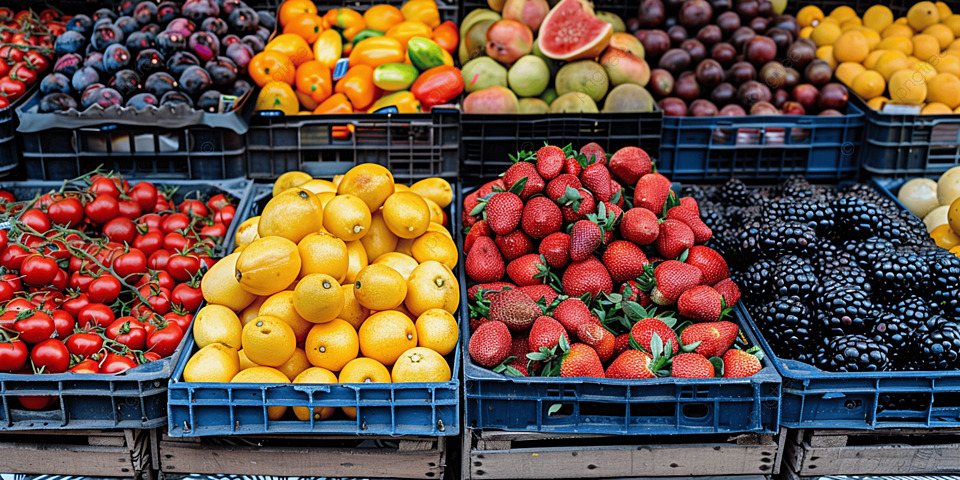
? Farms & Agritourism
Holding space for an Agritopia harvest surge, a U-pick weekend, or a farmers-market vendor row when the picking outpaces the cooler.
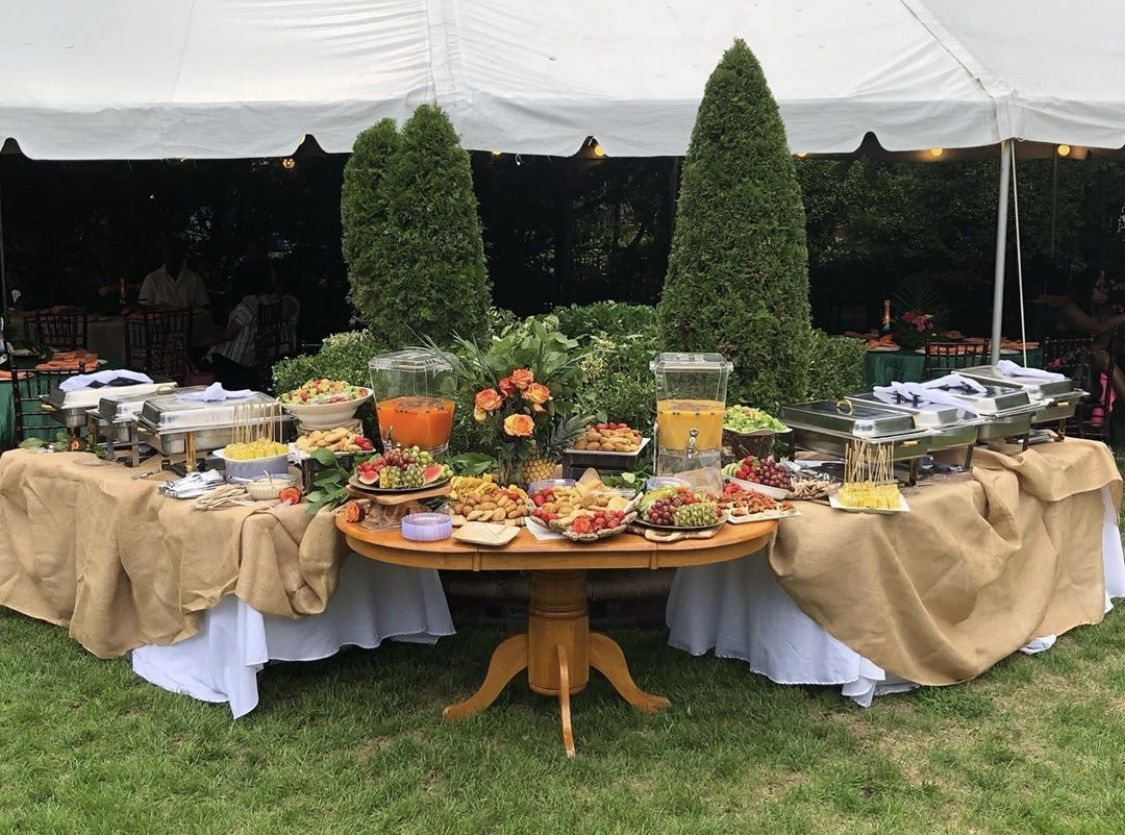
? Catering & Family Events
On-site cold and freezer space for weddings in the Agritopia courtyards, school and church gatherings, and the catered family events Gilbert is built around.
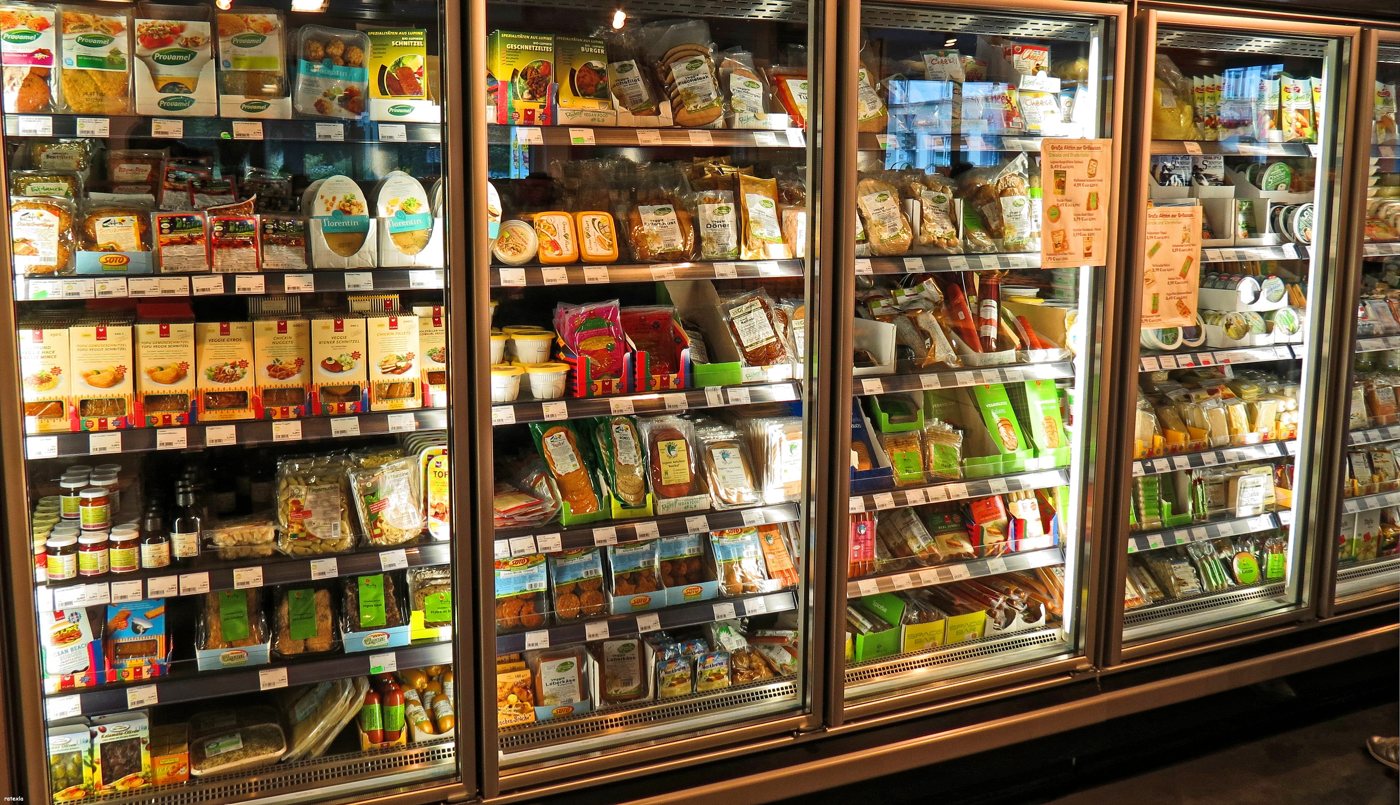
? Grocers & Markets
Backup refrigeration during a case or compressor outage, a store reset, or a holiday inventory build for the markets along the 202 and US-60.
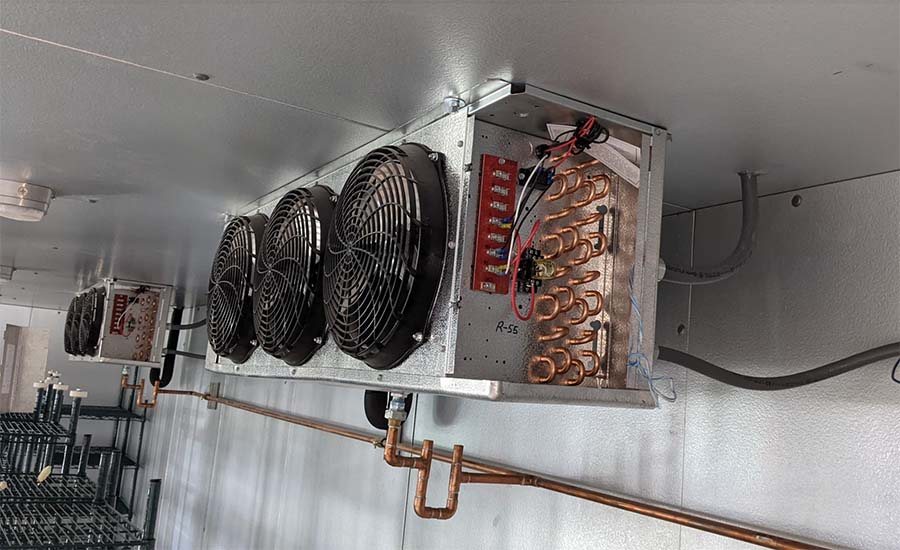
? Emergency & Outage
24/7 deployment for monsoon power outages, compressor failures, and recalls, when every reach-in on the block goes dark at once.
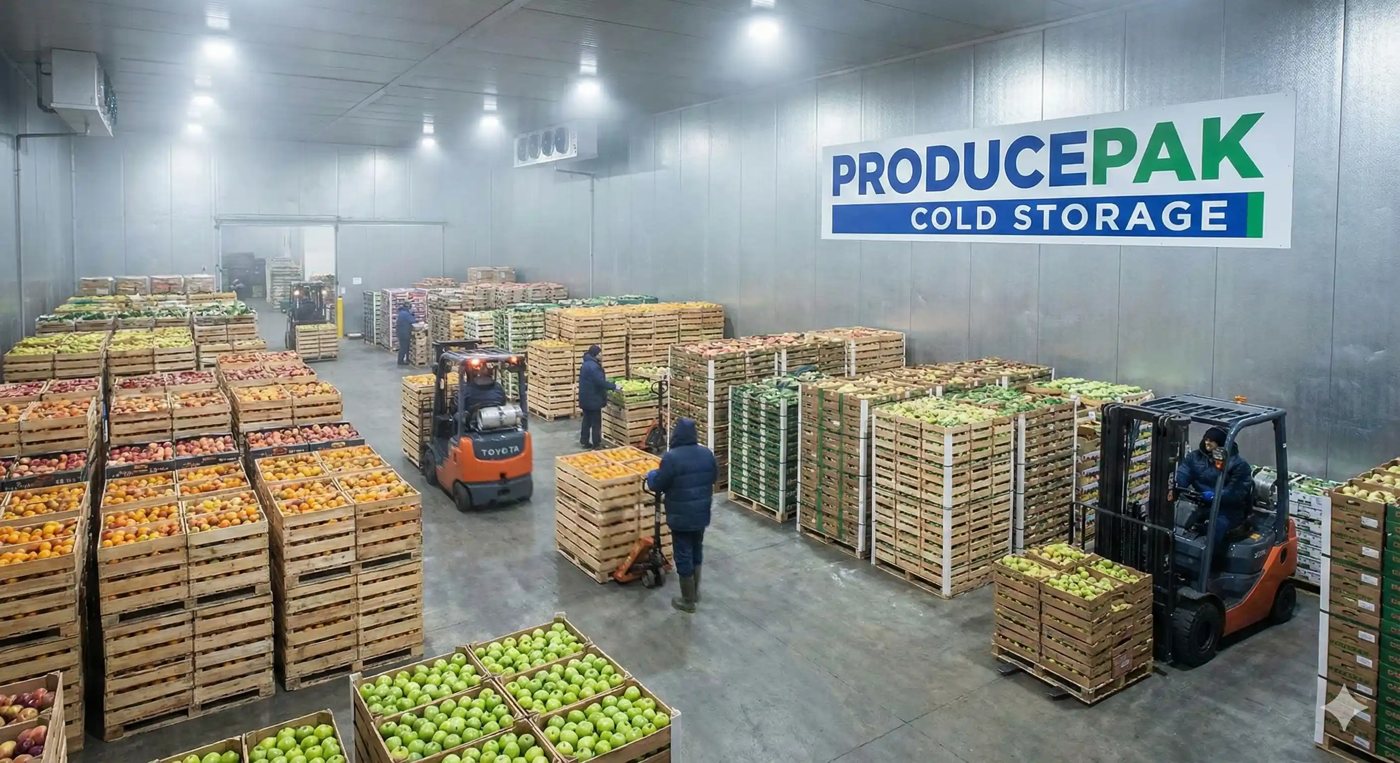
? Food Ops & Distribution
Temporary reefer capacity for food producers, commissaries, and the distribution that feeds Gilbert’s fast-growing restaurant scene.
The thread tying them together is timing. Almost no one schedules the day they’ll need a freezer trailer, they need it the afternoon a compressor quits, the week a remodel starts, or the night before a 400-plate wedding when the rented coolers suddenly look very small. Because we stage units in the East Valley, “I need it today” is a routine ask here, not a long shot.
Gilbert’s Farm-to-Table Economy Runs on Holding Temperature
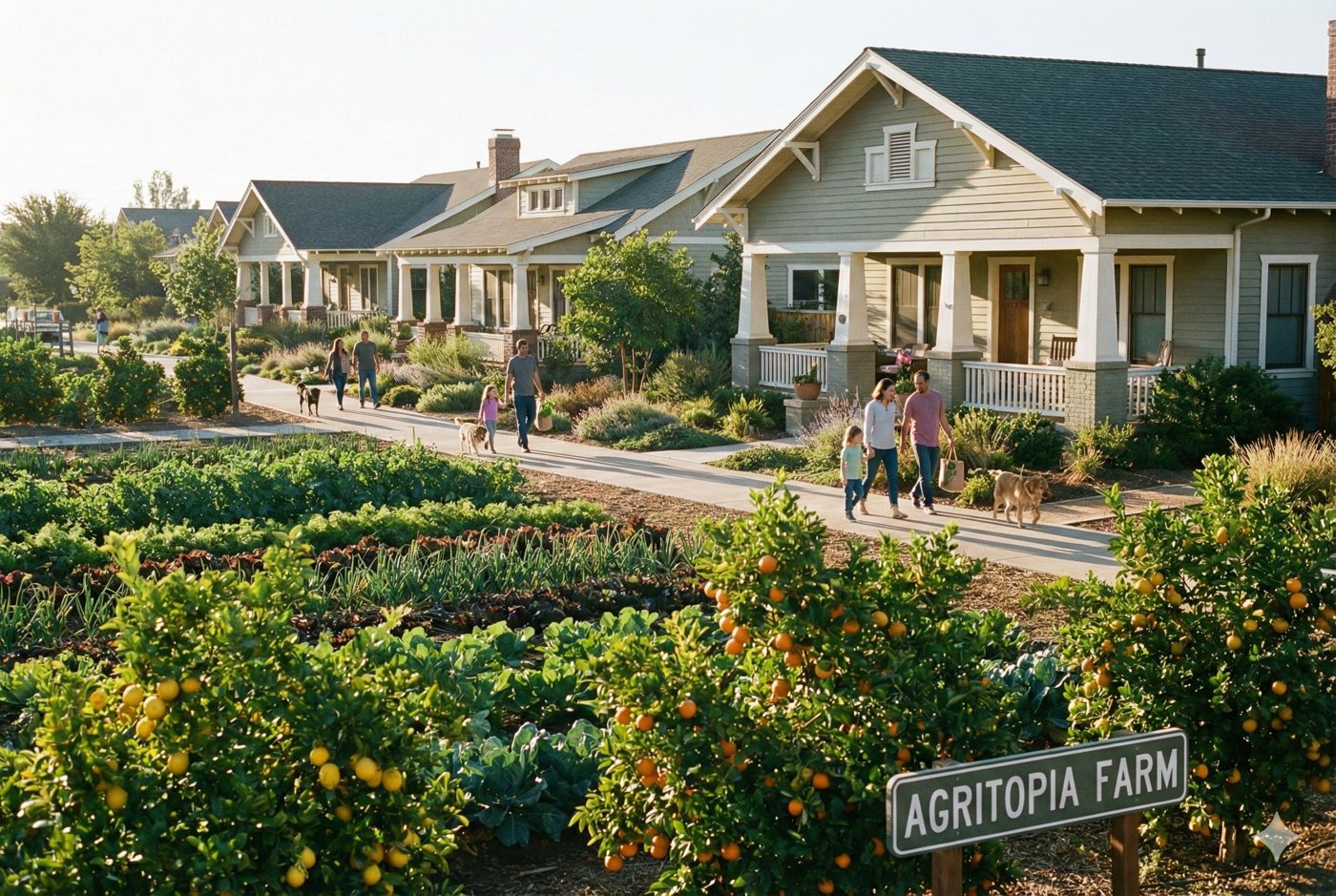
Most suburbs grew over their farms. Gilbert built around one. Agritopia, the country’s original “agrihood”, wraps homes and restaurants around an 11-acre USDA-certified organic farm, with row crops, citrus and stone-fruit orchards, dates, and olives feeding the kitchens steps away. Joe’s Farm Grill and The Uprooted Kitchen look out onto the fields themselves. The original Johnston hay farm became the dining room.
That farm-to-fork identity makes cold storage operationally central, not optional. When a U-pick weekend or a market Saturday brings in more produce than the on-site cooler can hold, a refrigerated trailer becomes overflow harvest storage on demand. A brewery or winery in the Barnone marketplace can stage kegs and cold product without a permanent buildout. And the restaurants drawing produce from the farm carry the same exposure every kitchen does, a single failed walk-in on a Friday can wipe out a weekend’s prep.
The white-collar side of town raises the stakes further. Gilbert has reeled in major employers, Deloitte’s U.S. Delivery Center alone is bringing roughly 2,500 jobs, alongside Banner MD Anderson, Northrop Grumman, GoDaddy, and Silent-Aire. More high earners means more dining out, more catered corporate events, and more grocery volume, every one of them a cold-storage customer the day something breaks. Because we own the fleet, we size the response to the job: a compact unit for a corner kitchen, a multi-trailer setup for a harvest or a distribution overflow, delivered the same day.
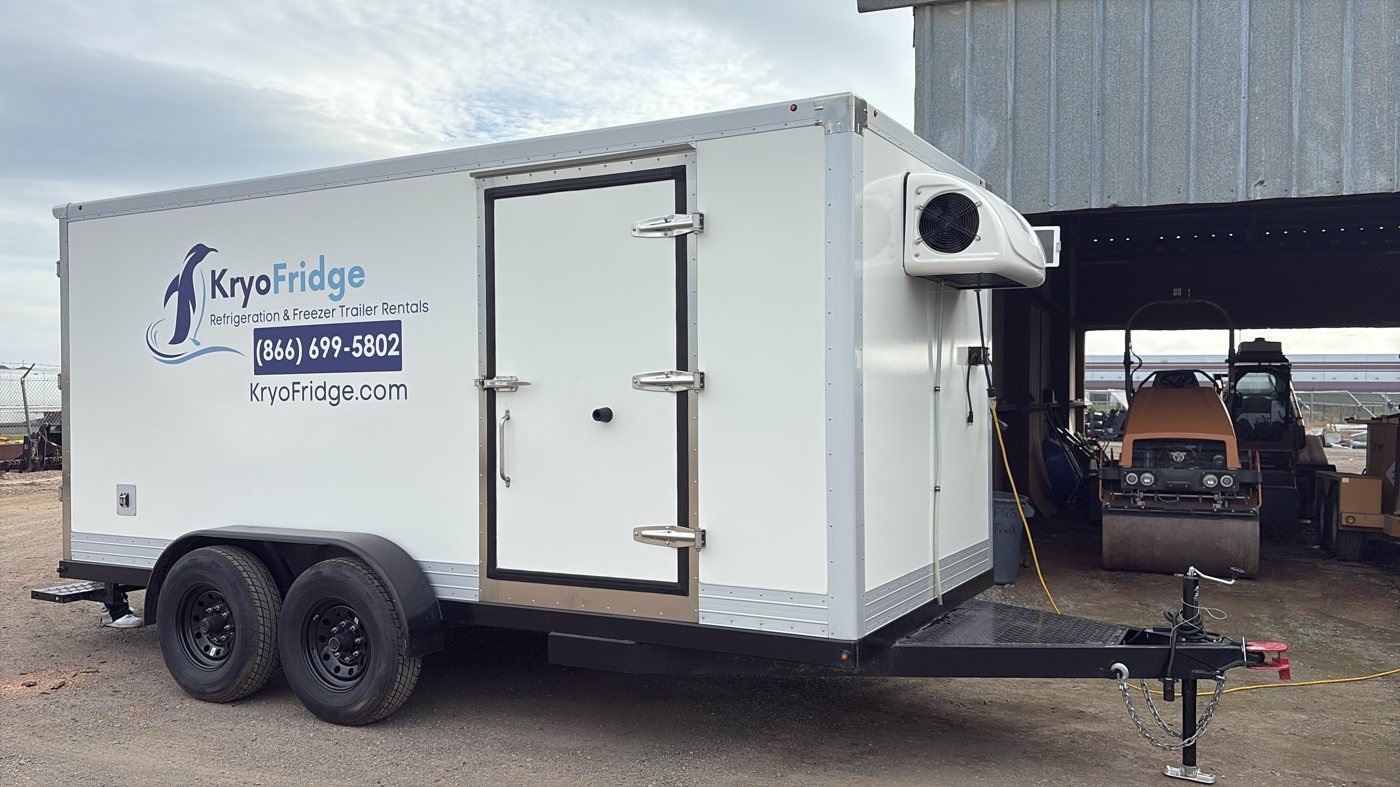
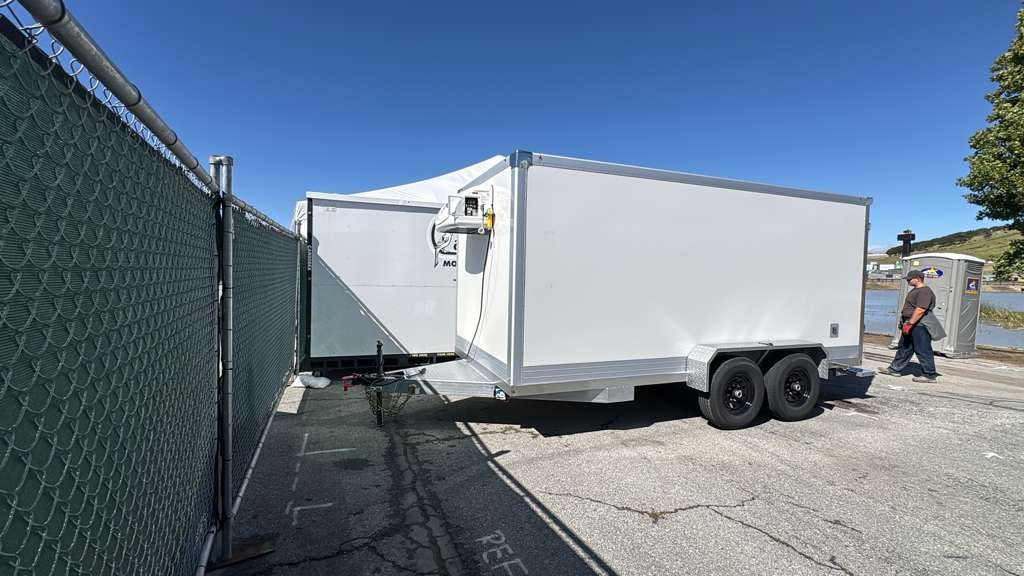
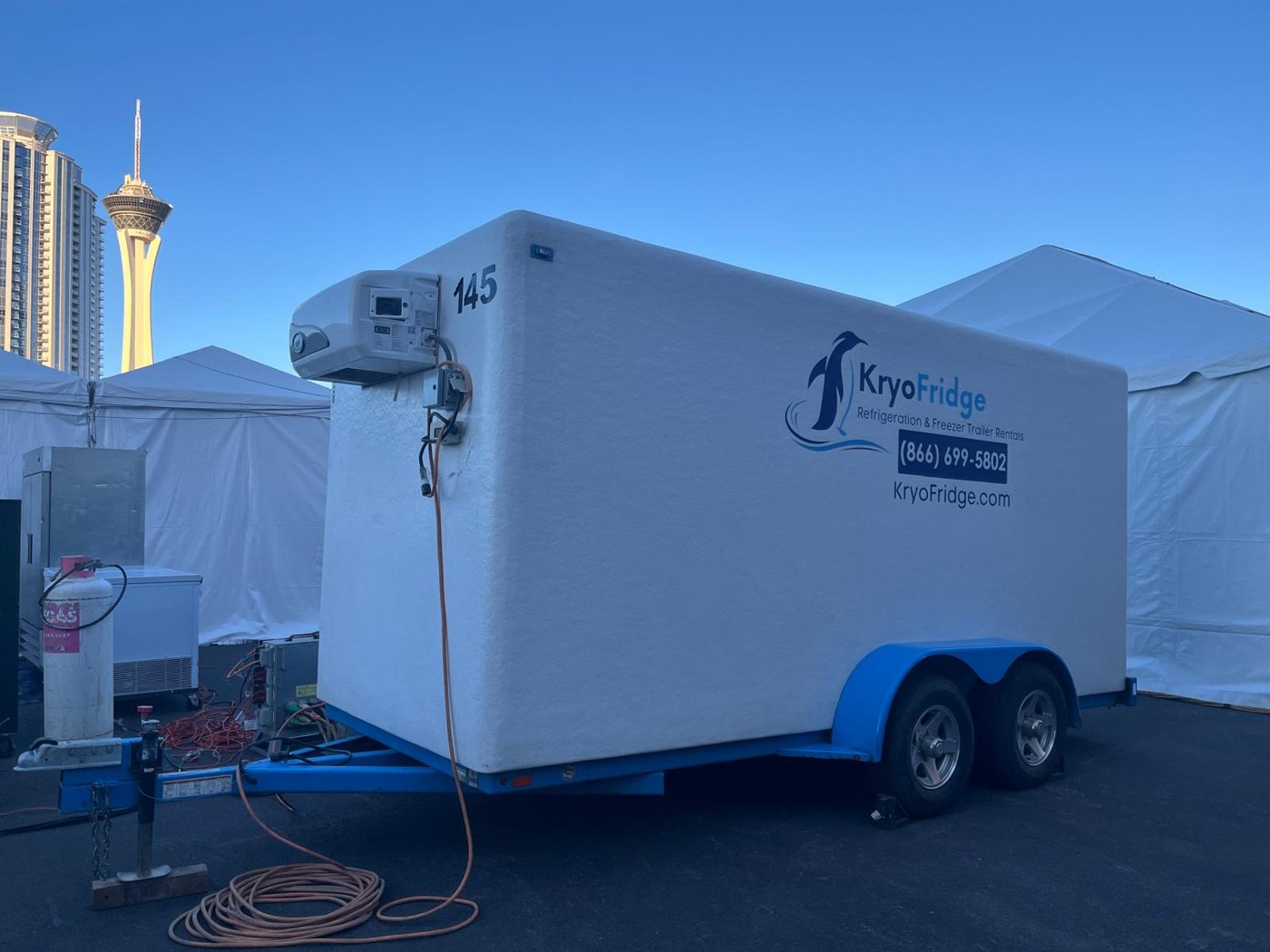
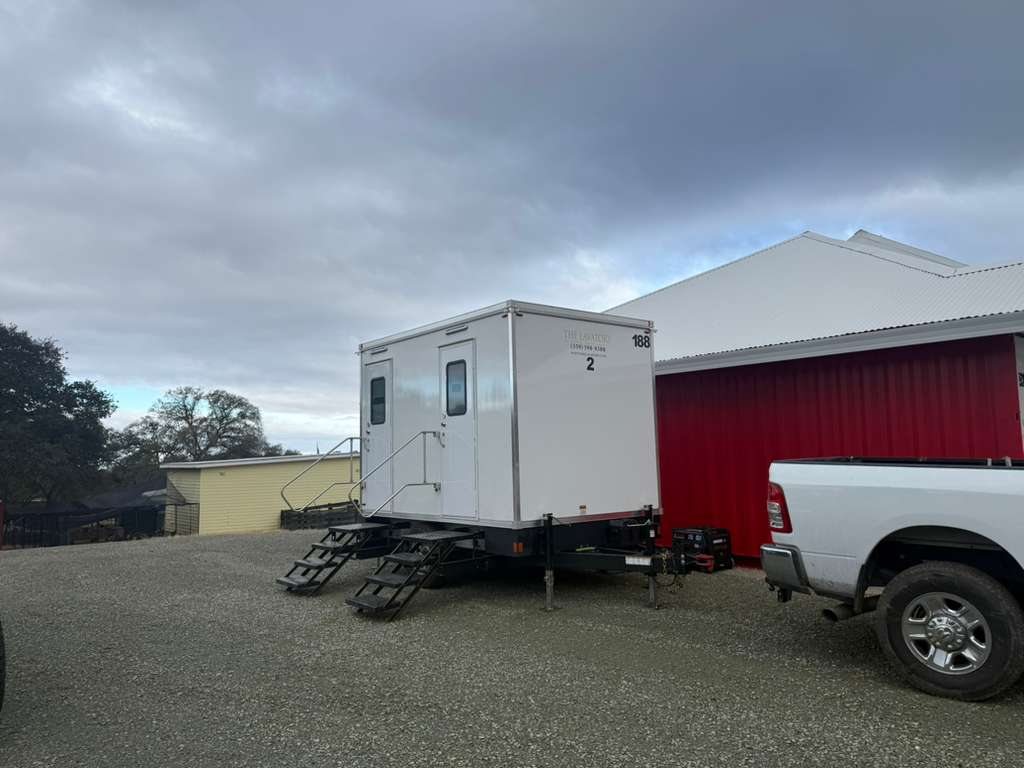
Our Freezer Trailers, Hard at Work Across the East Valley
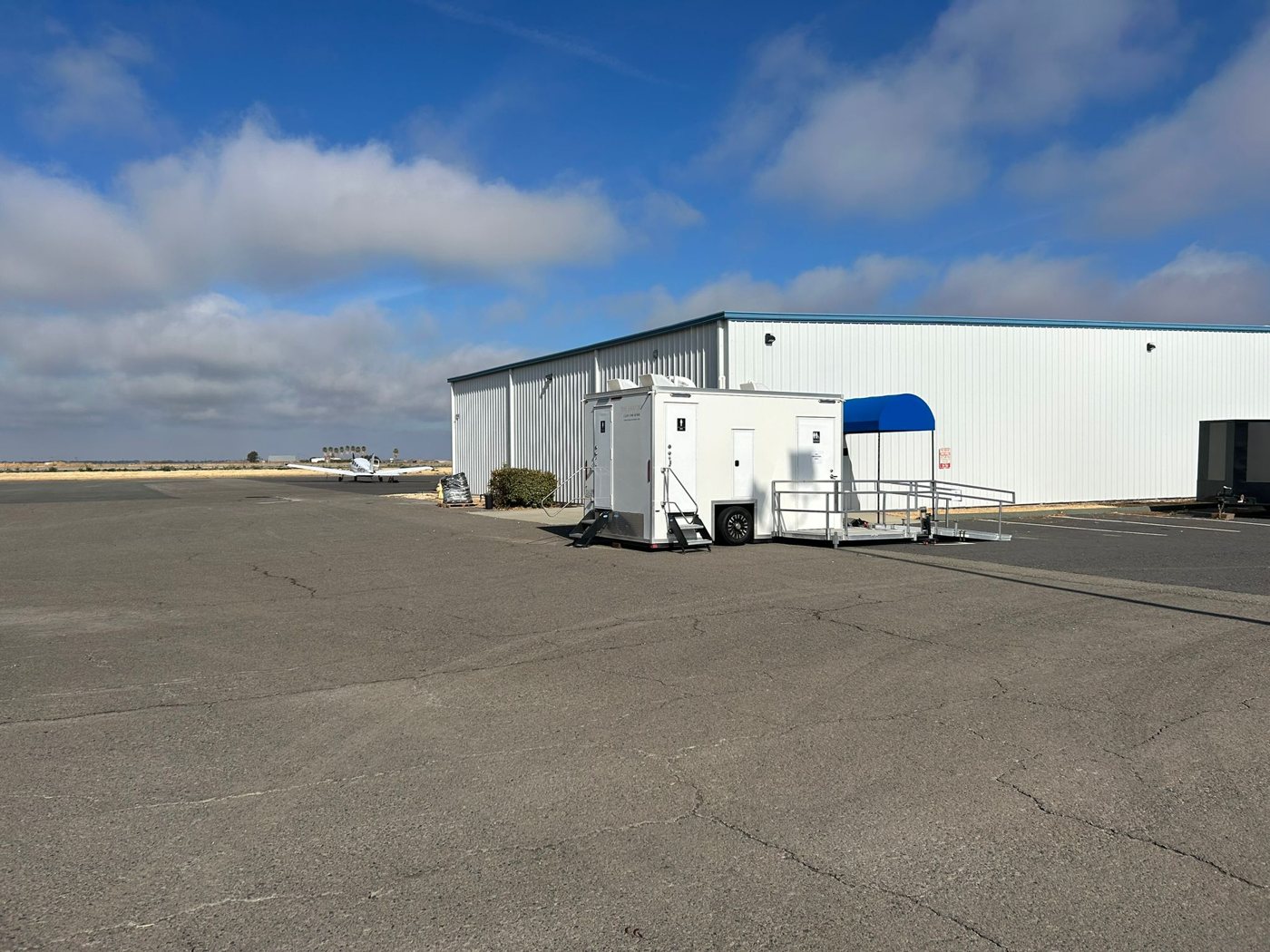
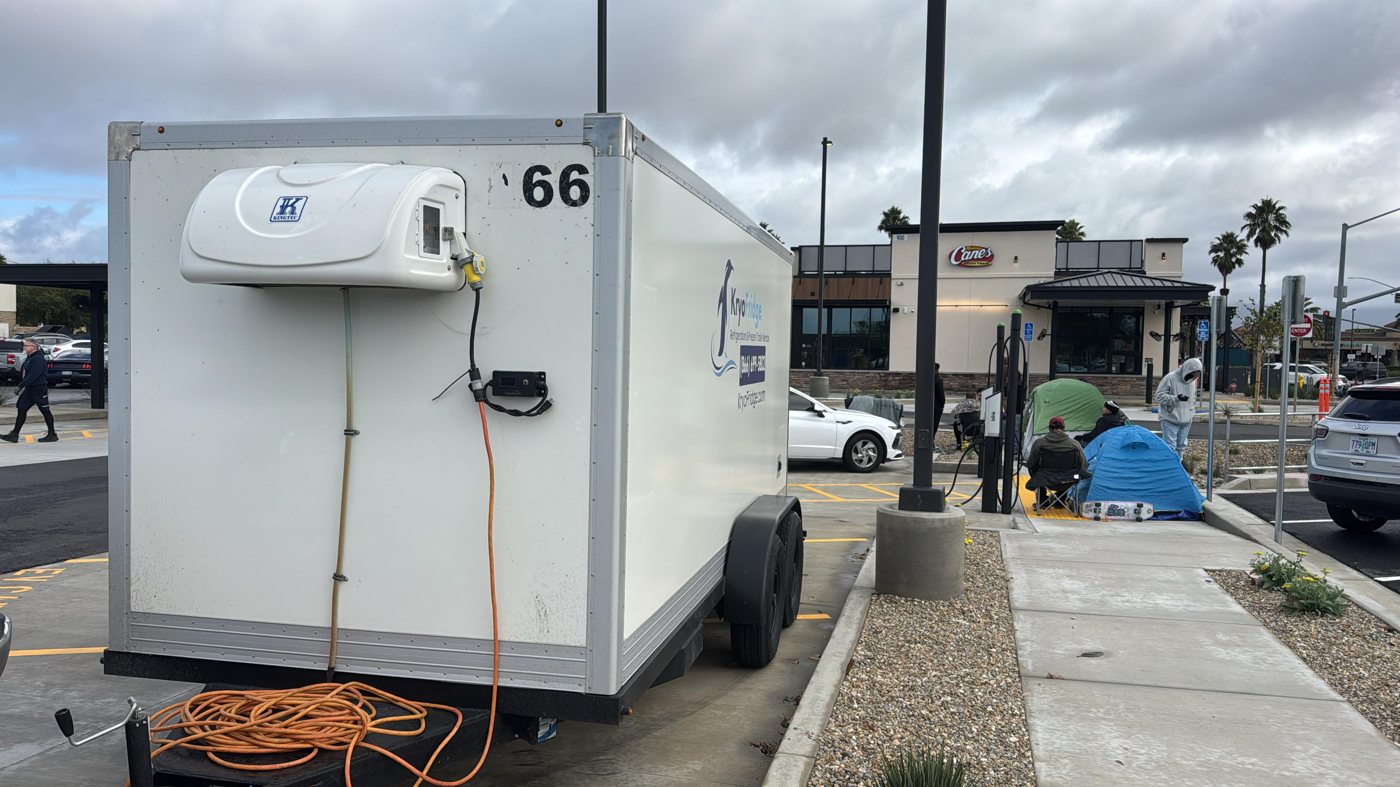
Real KryoFridge units on real jobs, restaurant lots, event grounds, farm yards, and late-night emergencies around Gilbert and its neighbors.
Cold Storage Built for the Sonoran Desert. Why Heat Breaks Refrigeration
Gilbert sits squarely in the Sonoran Desert, and its climate is the quiet reason cold-storage emergencies cluster in summer. From June into September the afternoons average right around 101°, and a serious heat spell pushes past 110°. That’s not weather a walk-in compressor shrugs off. Heat raises the load on every existing unit in town, an aging compressor that coped fine in March can give out in July simply because it never gets a break, and it shortens your reaction window, because at 110° ambient, frozen product climbs toward the danger zone fast the moment a unit goes down.
Then there’s monsoon season, June 15 through September 30. Microbursts and haboobs, the towering walls of dust the Valley is known for, knock out power without warning, and a single outage can dark every cooler on a block at once. The Valley’s storms test equipment in ways milder climates never do.
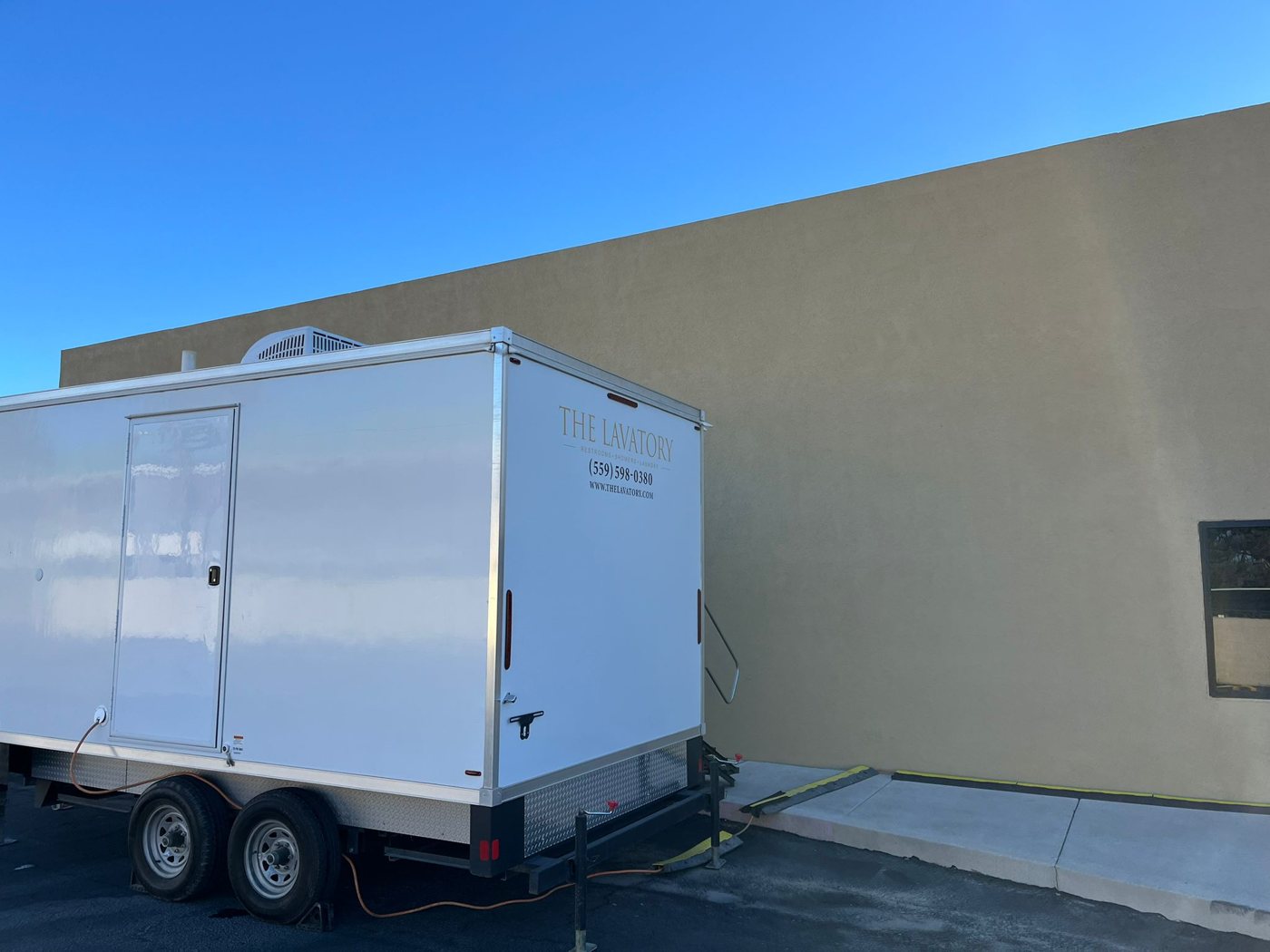
Our trailers are built for exactly that reality. We once parked a 6×16 on bare asphalt off Gilbert Road through a stretch of 112° afternoons, and it never drifted off its number once. The reefer units are sized to pull and hold their set-point in extreme ambient heat, not to coast in a mild test room, so a unit staged in an open Gilbert parking lot in August holds deep-freeze the same as it would in winter. When you’re planning around the season, or scrambling because of it, that engineered margin is the entire point.
Monsoon Outages & Emergency Cold Chain in the East Valley

The disaster Gilbert plans around isn’t wildfire or hurricane, it’s the monsoon. Between mid-June and September, a microburst or haboob can drop a circuit for hours, and the recurring summer grid strain from triple-digit demand makes outages a known summer hazard, not a freak event. When the power dies on a 110° afternoon, every walk-in and reach-in on the grid stops fighting the heat at the same moment, and the clock on perishable product starts immediately.
That’s where a generator-powered trailer earns its keep. For a business, it holds inventory frozen straight through the outage, there’s no four-hour danger-zone clock when the cold never stops. For a school, a church kitchen, or a community relief effort, a staged row of reefer trailers becomes mobile cold-chain infrastructure, keeping food in-spec while the fixed equipment is offline.
Because we own the fleet and run 24/7 dispatch, we move on these events fast and scale to fit, one unit for a single storefront, several for a coordinated response. When the grid itself is what failed, cold storage that runs independent of it is exactly what you want on site.
Picking the Right Trailer Size for Your Gilbert Operation
Three footprints, one spec sheet. Every unit is dual-purpose, fridge or deep freezer off the same dial, and every unit runs on a dedicated circuit or our generator. Pick by pallet count and lot size:
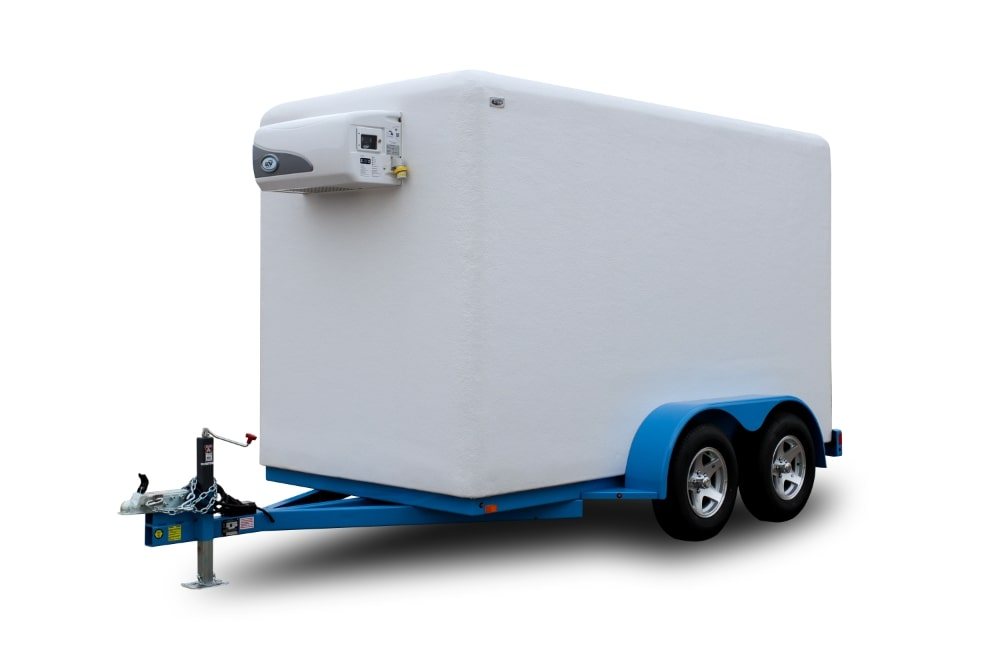
| Trailer | Best for | Temp range |
|---|---|---|
| 6×8 | Tight downtown lots, small kitchens, short overflow | -10°F to 50°F |
| 6×12 | Grocers, caterers, mid-size events & harvests | Deep-freeze capable |
| 6×16 | Large events, distribution, multi-day relief | Heavy-duty reefer |
Digital dial on every unit. Power: 120V/20A dedicated circuit, or our generator.
6×8, the compact workhorse for tight Heritage District lots
Roughly 8 pallet positions, and it slips into the cramped service lots behind the older brick storefronts downtown where a bigger trailer simply can’t maneuver. It handles most single-kitchen emergencies and short overflow stints. If you run a corner restaurant or a small market off Gilbert Road and your walk-in just quit, this is usually the right call.
6×12, grocers, caterers, mid-size events & harvest weekends
About 14 pallet positions and deep-freeze capable, our most-rented size, and the sweet spot for a grocery backup, a multi-day catered event in the Agritopia courtyards, or a U-pick weekend that brought in more produce than the farm cooler holds. Big enough that nobody’s rationing space, small enough to drop in most commercial back lots.
6×16, distribution, large events & multi-day response
Around 20 pallet positions with a heavy-duty reefer unit built to hold deep-freeze in extreme ambient heat. This is the trailer for staging pallets when a food-operation freezer zone fails, anchoring a large festival, or running a multi-day relief setup. Out along the 202 Santan and the US-60, the wide commercial yards take a 6×16 with room to spare.
Not sure which to book? Tell us roughly what you’re storing and for how long, and we’ll size it for you, no upselling you into a unit you don’t need.
Set-Point Cheat Sheet: What to Store at Which Temperature
One trailer, one dial, the full -10°F through 50°F range. Match the dial to the coldest thing you’re loading and the rest rides along safely. Use this quick reference before you book.
| Product | Typical holding band | Trailer mode |
|---|---|---|
| Ice cream & frozen desserts | -10°F to 0°F | Deep freeze |
| Frozen proteins, seafood, prepared foods | 0°F or below | Freezer |
| Fresh-picked produce (short hold) | 34°F to 38°F | Refrigerated |
| Dairy, deli, packaged produce | 34°F to 38°F | Refrigerated |
| Beverages, florals, catering platters | 38°F to 45°F | Refrigerated |
The line to watch is 40°F. Cross it and you’re in the 40–140°F “danger zone,” where bacteria on perishable food multiply fast. The working limit: about four cumulative hours, then the load is suspect. At a 110° Gilbert curbside that clock runs fast, which is exactly why our reefer condensers carry heat-spec headroom instead of average-day ratings.
The booking rule is simple. Loading one temperature band? One trailer covers it. Mixing deep-freeze desserts with fresh market produce for a weekend? Tell us both numbers and we’ll either split the plan or send a second unit, so neither product compromises. Either way, name the coldest item and the dial follows it.
Powering & Placing a Trailer in Gilbert
Two power options, period. Pick one before delivery day:
- Option A, building power: a dedicated 120V / 20-amp circuit within 100 feet of the parking spot. Note the specs: 120 volts, not 208–240V, and dedicated, not shared with the fryer or the POS.
- Option B, generator: we bring the power. The default for an Agritopia courtyard, a market lot, a Riparian-area field, or any site without a spare circuit.
- Monsoon insurance: on a generator the trailer ignores grid outages entirely. A microburst can dark the block and your dial never moves.
Placement checklist, four boxes to tick. Reasonably level ground. Truck clearance to back in and drop. Power within reach, or room for the generator. And a confirmed drop point. We lock that drop point down before the truck rolls out, and our drivers already know Gilbert curb by curb, whether it’s the squeeze of a Heritage District alley or the open yards out toward Queen Creek and the 202.
Cold & Freezer Space for Gilbert’s Weddings, Markets & Family Events
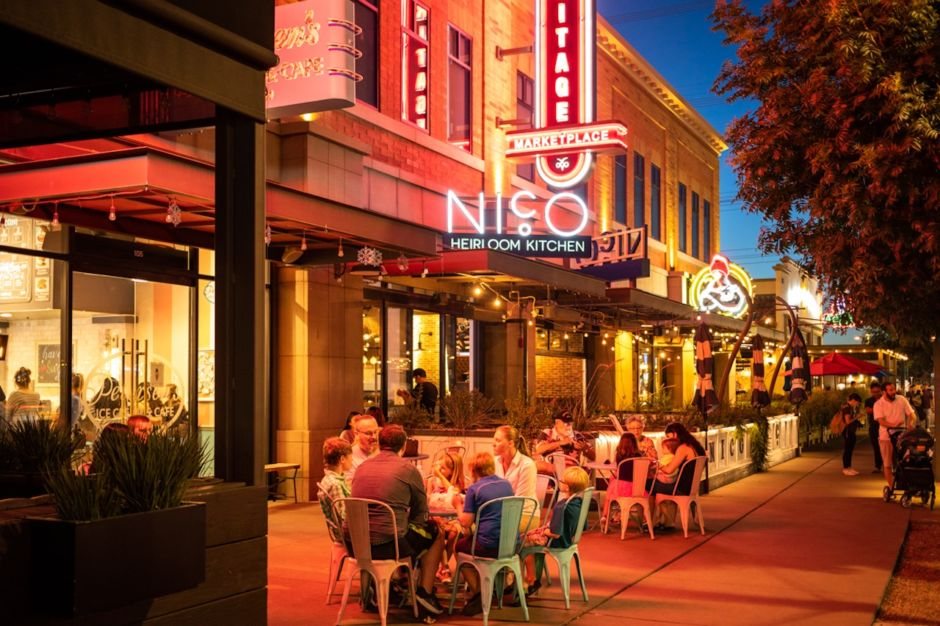
Events are where cold storage gets overlooked until it’s too late. A caterer plating for 400 at an Agritopia courtyard wedding, a vendor row baking through a summer Gilbert Farmers Market Saturday, a holiday gathering near the Riparian Preserve at Water Ranch during Riparian After Dark, all of it needs steady cold and freezer space that a few ice chests can’t cover once a desert afternoon sets in.
A KryoFridge trailer gives an event team a walk-in’s worth of capacity on site, holding frozen desserts, fresh-picked produce, and beverages together at a steady set-point through a 110° Gilbert afternoon. It’s quiet enough to sit near a guest area, lockable for overnight multi-day events like Gilbert Days, and big enough that the kitchen isn’t rationing space mid-service.
Planning the whole setup? Round out the site with water station rentals in Gilbert to keep crews and guests hydrated and restroom trailer rentals in Gilbert for guest comfort, one call can cover the entire event. (cross-brand links, auto-wired into the wheel on publish)
Maricopa County Food Permits, Where a Freezer Trailer Fits
Serving food at a Gilbert event puts you under Maricopa County rules. Sort the paperwork before the date and an inspector has nothing to flag. Here’s the short version.
Who needs a permit: any vendor selling, sampling, or handing out food at a special event pulls a Temporary Food Establishment permit from the Maricopa County Environmental Services Department (small county fee). Running the show with multiple vendors? The coordinator files a separate organizer application.
Who’s exempt: non-TCS sampling, packaged non-TCS items, beverages poured from commercial kegs or cans, certified Arizona Cottage Food vendors, and whole uncut produce. The trigger is simple, if the item is time- and temperature-controlled for safety, you need the permit.
Booth must-haves the county checks: overhead cover, three cleanable walls, a smooth cleanable floor, a hand-wash station, and potable water from an approved source.
Where we fit: the permit hinges on proving you can hold cold and frozen product at a documented temperature for the whole event. Our NSF-approved, digital-dial trailer is that proof-of-cold piece, exactly the equipment an inspector wants to see behind a real food operation through a hot Gilbert afternoon. You file the application. we hand you the unit specs to attach. (Heads up: we supply the cold box itself, not third-party temperature-logging or alarm-monitoring, so budget that separately if your program requires it.)
Cold Storage in Gilbert, the Fine Print
Basics handled. These are the follow-up questions every Gilbert operator eventually asks once the obvious stuff is settled, and we’ve answered each one straight, no fluff. Tap to open.
Freezer trailer vs. portable walk-in vs. reefer truck, what should you rent?
Three tools, three jobs. Quick comparison:
Portable walk-in: a cooler, not a true freezer. Runs on your building’s power, so a monsoon outage takes it down with the grid, and it fights to hold deep-freeze in a Gilbert summer. Pick for: mild-weather, short-range fridge needs.
Reefer truck: a mover, not a holder. Idles loud, burns fuel, and ties up a tractor and driver. Pick for: a quick stopgap, not days of parked storage.
Freezer trailer (us): built to be dropped and to hold. Deep-freeze or fridge off one dial, NSF-approved, quiet, lockable, generator-capable. Pick for: anything that has to stay cold for days or weeks through real desert heat. It out-capacities the walk-in and out-costs the truck.
How long does product stay safe during a monsoon power outage?
This is the question we field most in July. But the honest answer surprises people: it depends entirely on whether you have your own power. If you’re relying on a building’s walk-in and the power drops, you’re on a clock. Most refrigerated product is treated as unsafe after roughly four cumulative hours above 40°F, and a packed freezer holds longer than a fridge but not indefinitely, especially when it’s 110° outside. A KryoFridge trailer on a generator changes the math entirely: it keeps running through the outage, so there’s no clock at all. That independence from the grid is the whole reason an event team or a grocer keeps one on standby through monsoon season.
Is the trailer built food-safe for a Maricopa County inspection?
Yes, and the Maricopa County Environmental Services Department is exactly who it’s built to satisfy, since they permit and inspect every food facility in Gilbert. The two things that get a unit red-flagged, can’t hold a documented temperature, or isn’t rated for food contact, are the two things our trailers are designed around.
The build spec: NSF-approved, food-safe interior surfaces, proper drainage, and a digital controller you can glance at to read the dial. I’ve stood next to a county inspector while they checked exactly those boxes on one of our units at a Gilbert market booth, and it cleared without a note. One straight answer on scope, we rent you the cold box, not a monitoring service. No third-party temperature-logging, no alarm contracts. If your compliance program needs continuous logged records, source that piece on your own.
How many pallets fit, and how do I size for a harvest or event?
As a working rule: the 6×8 holds roughly 8 pallet positions, the 6×12 about 14, and the 6×16 around 20. For a harvest or a market weekend, count the crates or cases you expect at peak, not the average, a U-pick weekend or a heavy market Saturday can double your normal volume. For a catered event, size to the coldest, bulkiest item (usually frozen desserts and proteins) and add a margin so the doors aren’t opening and closing on a jam-packed box all afternoon. Tell us the rough numbers and we’ll match the size.
The real cost of a cold-storage failure
Do the quick tally. A restaurant walk-in holds thousands of dollars of product. a grocery case or a freezer zone holds a multiple of that. Now add a 110° afternoon and a dead compressor: inventory at risk in hours, a line shut down, and staff scrambling to triage what survives. Stack that exposure against the bounded, known cost of a staged trailer and the math is obvious. It’s why repeat callers keep our number on the wall. As one Heritage District owner put it after his second close call, “I’m not paying tuition on that lesson twice.” Now he books before the product warms, not after.
Multi-trailer & scalable setups for large operations
One box covers most kitchens and markets. When the job is bigger, distribution overflow, a large festival, a community response, we stage units side by side and phase more in as it grows, because we own the fleet outright. The Denny’s Mother’s Day call ran three trailers at once. “Just keep them coming until we’re covered,” the GM told us that morning, and we did. The rule of thumb: scale the cold to the operation, never make the operation ration a single box.
Short-term emergency vs. long-term & contract storage
The term is yours to set. A few days for an emergency or event. weeks or months for a remodel or seasonal overflow. a standing contract for operations that want a unit on standby all monsoon season. Quote stays clean either way, no penalty for “not sure how long yet,” and never a broker markup tucked in the middle.
Renting vs. building permanent cold storage, when each makes sense
Build permanent only when the need is permanent and constant. A fixed walk-in means a refrigeration contractor, electrical, a building permit, and weeks before it holds a single pallet. Most Gilbert demand doesn’t justify that: a summer overflow, a remodel gap, a harvest spike, a one-off event, a unit down for parts, all of it is temporary by definition. Renting matches the spend to the need: exact capacity, exact duration, no construction, no permit clock. The trailer is holding temperature the same week you call, and often the very same day. When the need ends, so does the bill.
How a refrigerated trailer holds deep-freeze in 110° heat
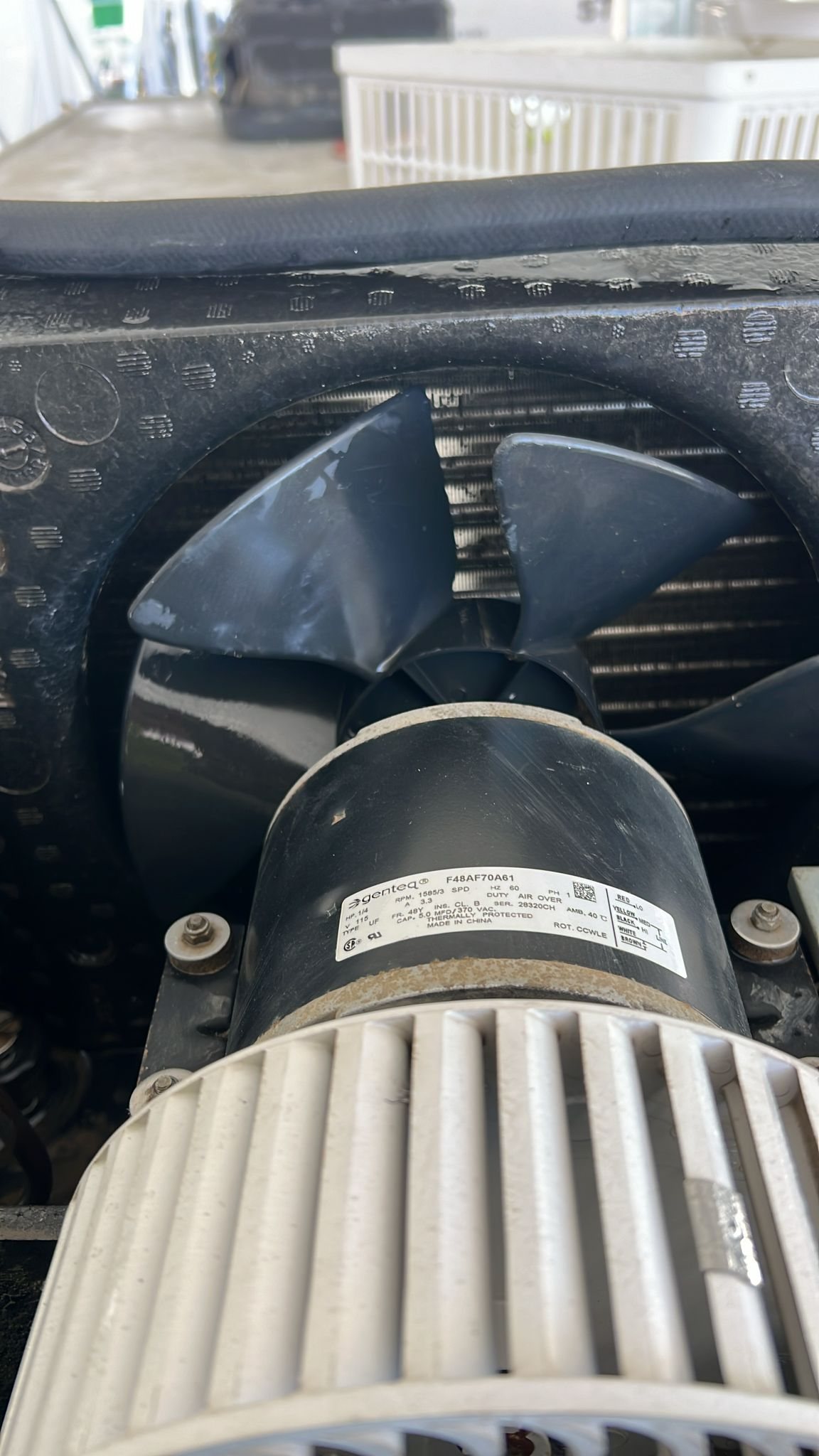
Three parts, working as a system. No magic, just engineering. (1) The box: thick insulated panels and gasketed doors seal the desert heat out, so the unit isn’t bleeding cold through thin walls. (2) The condenser: a self-contained reefer sized with heat-spec headroom, so it keeps pulling BTUs at 110° instead of maxing out like an undersized cooler. (3) The controller: a digital dial that locks your number and cycles the compressor to defend it. Net result, a trailer baking in an August parking lot behaves like one in a climate-controlled warehouse, because it’s rated for the worst-case ambient, not the average. The one input it needs from you: steady power, a dedicated circuit or our generator.
Real Gilbert-Area Saves. Our Trailers When It Mattered
A few scenarios that show how the response actually plays out. Names are kept general except where a brand authorized the story.
The Friday-night walk-in failure
A Chick-fil-A called at 6:30 on a Friday with the walk-in down mid-dinner-rush and the drive-through wrapped around the building. We prepped a trailer and dispatched on the call.
Result: on site and pulling temperature in 34 minutes, service never stopped.
A holiday rush with no cooler
A Denny’s lost its walk-in to a shorted fuse overnight, right before Mother’s Day, one of the busiest days on its calendar. Our dispatch staged three freezer trailers before the first table sat.
Result: every pie, protein, and prep tray held, zero product lost on the year’s biggest day.
A harvest weekend that came in heavy
An East Valley grower’s U-pick weekend pulled in far more produce than the on-site cooler could hold. We dropped a 6×12 on the farm yard, running on a generator, the morning it was needed.
Result: the weekend’s pick stayed cold and market-ready, nothing went soft in the heat.
“We figured we’d lose a few flats,” the grower told us afterward. “We didn’t lose one.”
A monsoon outage at a catered event
A microburst dropped power to an outdoor wedding venue an hour before a 400-plate dinner. But the caterer’s trailer, already on a generator, never noticed the outage. I watched the venue staff scramble for lights while the cold chain just kept humming along, untouched.
Result: cold chain unbroken, frozen desserts and proteins held straight through the storm.
Booking a Freezer Trailer in Gilbert: 4 Steps
No runaround, one quote, one contact. Here’s the whole process, start to pickup.
1 · Give us three details
Frozen or fridge, rough volume, and how long. That’s all we need to spec the right size.
2 · Lock size, power & spot
We confirm the trailer, your circuit-or-generator plan, and the exact drop point, one clean trip, no surprises on arrival.
3 · We deliver & pull down
On your timeline (roughly 45 minutes in an emergency), we position, power, and let the box reach set-point.
4 · Store, then we collect
It runs your full term with our line open the whole time. Say the word and we haul it back out.
Where We Deliver Cold Storage Around Gilbert
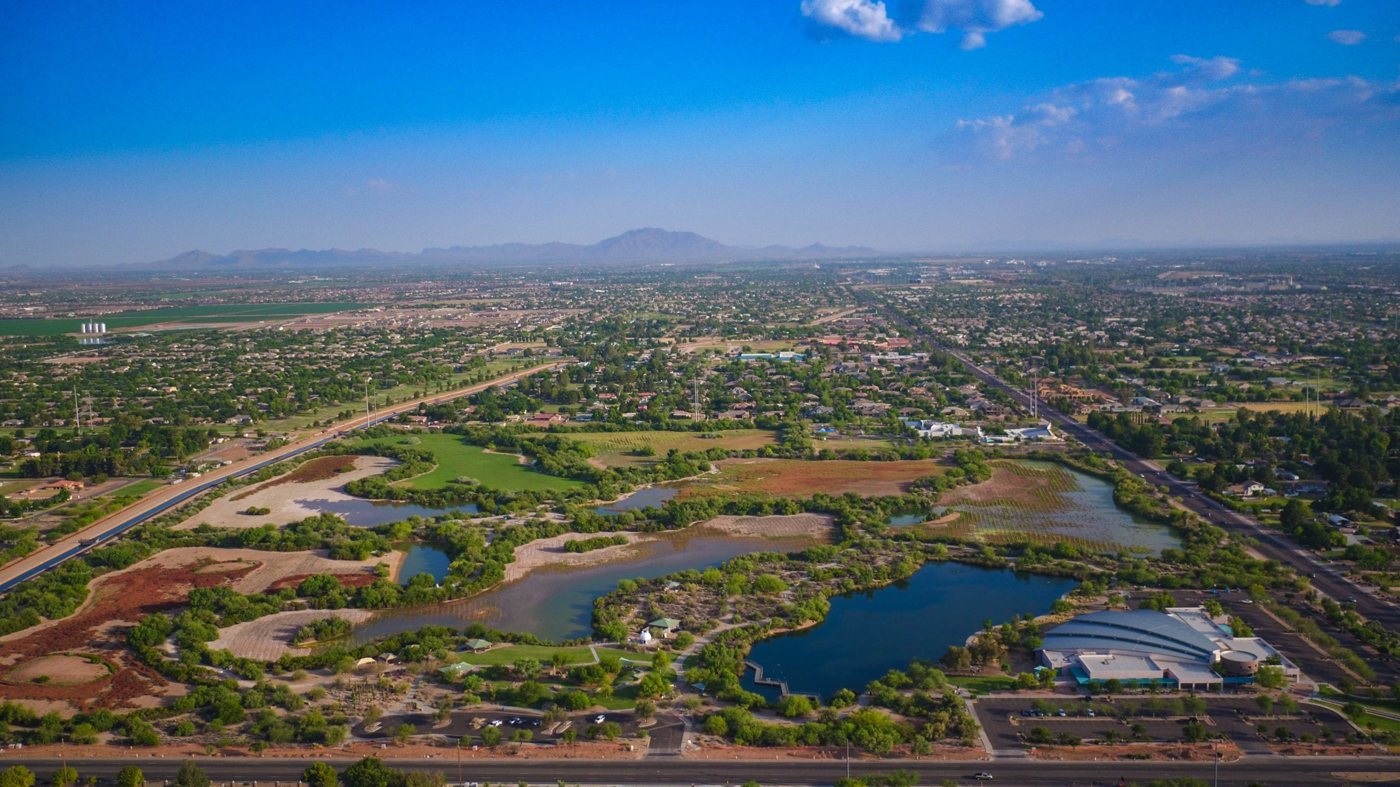
Our East Valley yard means fast response across every part of Gilbert. That covers the Heritage District, the Agritopia agrihood, Power Ranch, Seville, Val Vista Lakes, and Morrison Ranch, plus the corridors along Gilbert Road, the 202 Santan Loop, and the US-60, and the retail and food clusters near San Tan Village and the Riparian Preserve at Water Ranch.
We also deliver to the surrounding East Valley communities: Chandler, Mesa, Queen Creek, Tempe, and out toward San Tan Valley. If you’re near the 202, the US-60, or the 101, we can get a trailer to you, usually same-week, and within about 45 minutes when it’s an emergency.
Why Gilbert Businesses Keep Calling Us
“Our walk-in quit during a Saturday rush downtown. KryoFridge had a freezer trailer in our lot and pulling temp within the hour, saved the whole weekend’s prep. Couldn’t believe how fast they were.”
Restaurant owner · Heritage District, Gilbert“Our U-pick weekend brought in way more than the farm cooler could hold. They dropped a 6×12 on a generator the morning we called and everything stayed market-ready in the heat.”
Grower · East Valley“Booked a 6×16 for a two-day Agritopia courtyard wedding. Clean unit, held temperature through a 108° afternoon, crew on time and easy. We’ll use them again.”
Event coordinator · Gilbert, AZ“Straightforward quote, no broker runaround, and they actually answered the phone when a monsoon outage hit at night. That’s hard to find in this business.”
Grocery manager · Maricopa CountyPlaceholder testimonials matched to real Gilbert scenarios, swapped for verified Google reviews before publish.
Gilbert Freezer Trailer Rental, Frequently Asked Questions
How fast can you deliver a freezer trailer in Gilbert?
Planned booking, same week. Emergency (dead walk-in, monsoon outage), about 45 minutes, yard to your lot, pulling cold. The 24/7 line is staffed every hour of every day.
How long will my product stay safe on a generator during an outage?
Indefinitely, that’s the whole point. The generator keeps the compressor cycling, so the dial never moves and there’s no four-hour clock. The clock only exists when a building walk-in loses power and goes dark.
What temperature range do the trailers hold in the heat?
-10°F deep-freeze up to 50°F fresh-cold, set on a digital dial. And the condensers are heat-rated to defend that range at a 110° Sonoran curbside, not just on a mild test bench.
What power do I need on site?
One of two: a dedicated 120V / 20-amp circuit within 100 feet, or our generator. Note, 120 volts, not 208–240V building power. We confirm which before the truck rolls.
Do the trailers carry NSF approval and insurance?
Both, every unit. NSF-approved for food contact, and every rental fully licensed and insured, the exact spec a Maricopa County inspector expects behind a working food operation.
Do you serve the towns around Gilbert?
Yes, Chandler, Mesa, Queen Creek, Tempe, and the rest of the Maricopa County East Valley. Near the 202 Santan, the US-60, or the 101? We reach you.
Do I rent from you directly, or through a middleman?
Directly, owner-operator, full stop. Our fleet, our trucks, our drivers, no markups, no broker, one accountable contact start to finish.
Cold Storage for Gilbert, Booked in One Call
Grab a fast, no-runaround quote, or hit the 24/7 line for emergency cold storage anywhere across Gilbert and the East Valley.